Old Maps of Sun City Festival, Buckeye
Explore 18 old maps of Sun City Festival, spanning from 1954 to today. These high-resolution historic maps reveal how streets, neighborhoods, landmarks, and natural features evolved over time — perfect for genealogy, metal detecting, research, and local history exploration.
What you can do with these maps:
- See how Sun City Festival changed over time: Compare historical maps to modern-day views to trace roads, homesites, rail lines & more.
- View detailed metadata: Each map includes creators, publishers, year, scale, and archive source.
- Overlay maps with satellite & LiDAR: Visualize the past alongside modern tools to explore terrain & human change.
- Trusted historical sources: Maps sourced from the USGS, Library of Congress, and other archives.
- Access maps your way: View online, download high-res files, or order prints for personal or research use.
Start exploring old maps of Sun City Festival to uncover forgotten places, hidden landmarks, and the deep history beneath your feet.
Sun City Festival, Buckeye maps
(18)- 1954 Map of Phoenix, 1964 Print
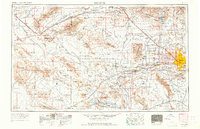 1954 Phoenix1964 Print · USGSMid-century Arizona is captured here as the Phoenix metropolitan area begins its rapid expansion into the surrounding desert. Genealogists and historians can trace the development of agricultural hubs like Buckeye and Tolleson, or locate remote landmarks like the Vulture Mine and Nottbusch Cem.5 unique versions available
 - 1957 Map of Phoenix
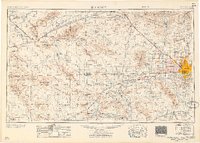 1957 Phoenix1957 Print · USGSGreater Phoenix and the central Arizona desert during the mid-fifties reveal a landscape of growing suburbs and active desert mines. Researchers can trace the legacy of local landmarks like Wickenburg Prison, the Vulture Mine, and the Tonopah Post Office.
 - 1957 Map of White Tank Mts. NE, 1958 Print
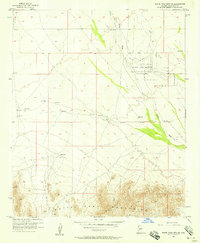 1957 White Tank Mts. NE1958 Print · USGSMaricopa County during the mid-1950s shows a desert landscape shaped by military aviation and the rising White Tank Mountains. Researchers can trace the layout of Luke Air Force Auxiliary Field No 1 and the small settlement of Wagner.4 unique versions available
 - 1957 Map of White Tank Mts., 1959 Print
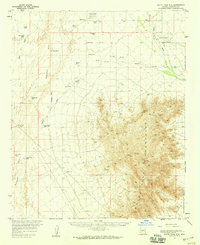 1957 White Tank Mts.1959 Print · USGSThe Sonoran Desert of Maricopa County is captured here in the late fifties, during a period of expanding military aviation and early telecommunications. Genealogists and desert historians can trace remote outposts like Dos Palmas Well and Luke Air Force Auxiliary Field No 1.3 unique versions available
 - 1958 Map of Phoenix
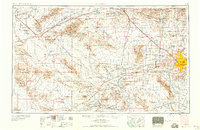 1958 Phoenix1958 Print · USGSThe Phoenix Valley enters a period of postwar expansion, where desert irrigation meets massive military aviation footprints. Trace the development of Phoenix and Glendale alongside the legendary Vulture Mine and the auxiliary runways of Luke Air Force Base.
 - 1960 Map of Phoenix
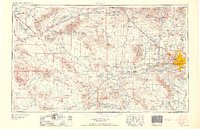 1960 Phoenix1960 Print · USGSCentral Arizona in the mid-fifties reveals a landscape of rapid suburban growth alongside enduring desert mining and ranching. Genealogists and historians can trace rail-side settlements like Vicksburg Junction and Waddell, or locate the Vulture Mine and early sites like Agua Fria School.
 - 1969 Map of Phoenix, 1970 Print
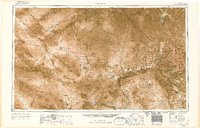 1969 Phoenix1970 Print · USGSCentral Arizona is seen at a technological turning point in the late sixties, using Apollo 9 space photography to map the desert landscape. Researchers can trace the growth of Sun City, locate old workings at Vulture Mine, and follow the Gila River past Buckeye.2 unique versions available
 - 1971 Map of Phoenix
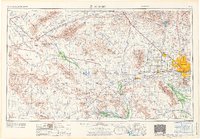 1971 Phoenix1971 Print · USGSCentral Arizona at the start of the seventies shows a desert metropolis expanding toward the Sun Valley retirement boom. Trace the growth of Sun City and Glendale, or locate remote historic sites like the Vulture Gold Mine and Nottbusch Cemetery.
 - 1988 Map of Daggs Tank
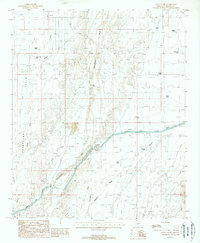 1988 Daggs Tank1988 Print · USGSMaricopa County during the late 1980s reveals a desert landscape in transition between traditional ranching and modern water engineering. Researchers can trace the massive Granite Reef Aqueduct or find remote landmarks like Dos Palmas Well and the Bootlegger label.
 - 1988 Map of Phoenix North, 1989 Print
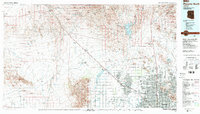 1988 Phoenix North1989 Print · USGSNorth of Phoenix in the late eighties, the desert landscape transitions from the mining heritage of Wickenburg to the burgeoning suburbs of the valley. Trace the paths of the Atchison Topeka and Santa Fe Railway or locate old operations like the Vulture Mine.2 unique versions available
 - 2011 Map of Daggs Tank, 2011 Print
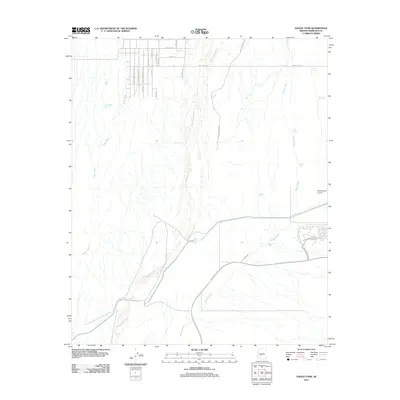 2011 Daggs Tank2011 Print · USGSThe Hassayampa River basin in the early twenty-first century reveals a landscape balancing traditional desert water management with emerging rural growth. Researchers can trace the drainage patterns of Daggs Wash and locate numerous named stock tanks including Daggs Tank and Roosevelt Tank.
 - 2011 Map of White Tank Mountains NE, 2011 Print
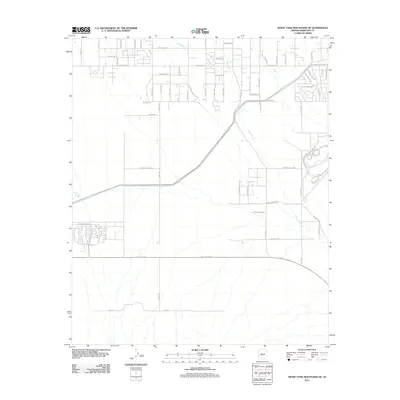 2011 White Tank Mountains NE2011 Print · USGSSurprise and northwestern Maricopa County are shown in the midst of rapid suburban development during the early 2000s. Researchers can trace the evolving street grid along Sun Valley Pkwy and locate landmarks like Wagner Tank and the path of Trilby Wash.
 - 2014 Map of Daggs Tank, 2014 Print
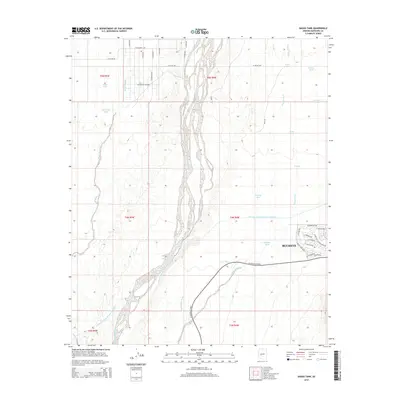 2014 Daggs Tank2014 Print · USGSBuckeye and the Hassayampa River are shown here in the early twenty-first century, just as suburban development met the desert. Trace water infrastructure across the landscape from Central Arizona Project Aqueduct to Daggs Tank.
 - 2014 Map of White Tank Mountains NE, 2014 Print
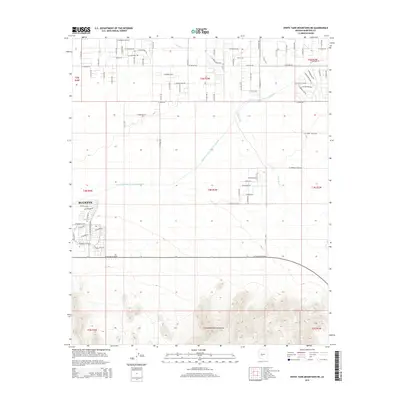 2014 White Tank Mountains NE2014 Print · USGSThe northern slopes of the White Tank Mountains meet rapid residential expansion in the northwest Phoenix valley during the mid-2010s. Trace the reach of suburban Buckeye and the path of the Central Arizona Project Aqueduct through the desert floor.
 - 2018 Map of White Tank Mountains NE, 2018 Print
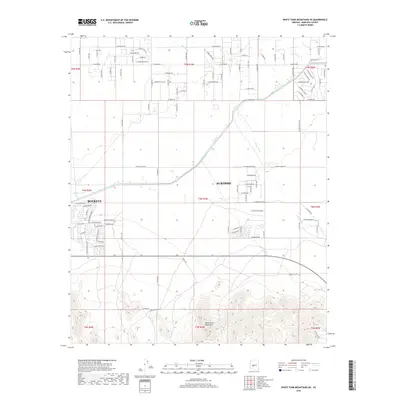 2018 White Tank Mountains NE2018 Print · USGSThe northern reaches of the White Tank Mountains and the expanding suburbs of Maricopa County are captured here just as the modern residential grid was filling in. Researchers can trace the path of the Central Arizona Project Aqueduct and locate emerging neighborhoods near Surprise and Buckeye.
 - 2018 Map of Daggs Tank, 2018 Print
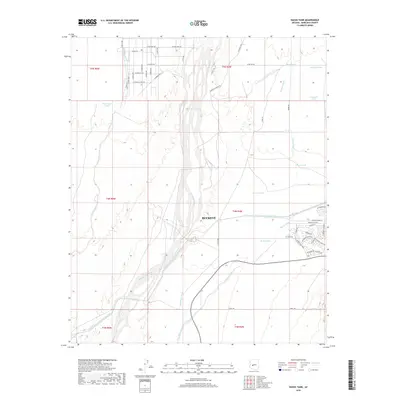 2018 Daggs Tank2018 Print · USGSThe desert outskirts of Buckeye come into focus in the late 2010s, where traditional ranching landmarks meet modern infrastructure. Researchers can trace the path of the Central Arizona Project Aqueduct or locate cattle tanks like Roosevelt Tank and Henrys Tank.
 - 2021 Map of Daggs Tank, 2021 Print
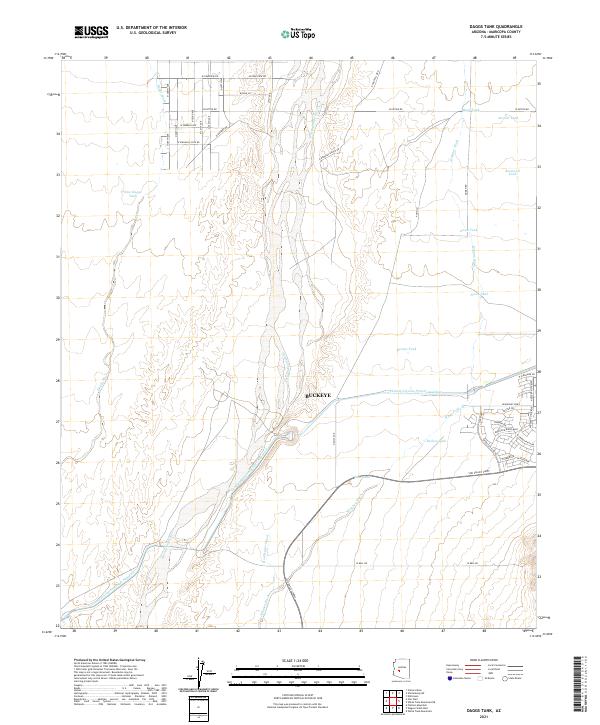 2021 Daggs Tank2021 Print · USGSMaricopa County's western desert edge comes into focus during this period of suburban transition and significant hydraulic engineering. Map collectors can trace the Central Arizona Project Aqueduct as it bypasses the Hassayampa River and numerous local water features like New Daggs Tank.
 - 2021 Map of White Tank Mountains NE, 2021 Print
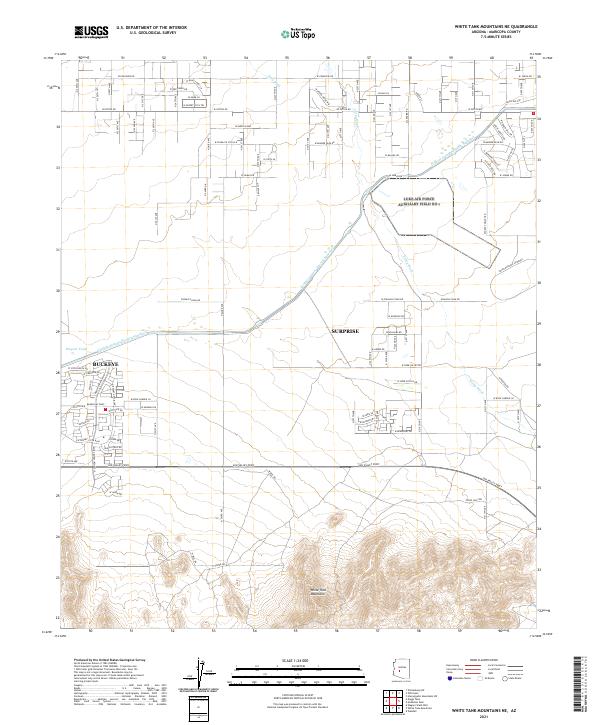 2021 White Tank Mountains NE2021 Print · USGSMaricopa County's western edge is captured here during a period of rapid suburban expansion into the desert. Researchers can trace the sophisticated water network of the Central Arizona Project Aqueduct and locate facilities like the Volvo Proving Grounds and Wagner Tank.
End of results
Showing maps 1-18 of 18
Frequently asked questions
- What are the different types of historical maps available for Sun City Festival?
- What is the oldest map of Sun City Festival?
- Where can I purchase historical maps of Sun City Festival for my home or office?
- Where can I download high-res historical maps of Sun City Festival?
- Are there historical topographic maps available for Sun City Festival?
- Is there historical aerial imagery available for Sun City Festival?
- Where are historical maps of Sun City Festival sourced from?