Old Maps of Magnolia, Arkansas for Academic Research
Study the evolution of Magnolia with 25 high-resolution historic maps. Whether you're teaching, researching, or modeling changes in land use, these maps provide essential visual documentation of urban, environmental, and geographic change.
- Analyze long-term change: Track patterns in development, transportation, and natural features.
- Ideal for environmental or urban studies: Support academic projects with primary historical map data.
- Use in the classroom or lab: Educators and researchers rely on these maps to bring historical context to life.
These maps are a powerful tool for teaching, research, and visualizing how Magnolia has changed over the decades.
Magnolia, AR maps
(25)- 1953 Map of El Dorado, 1967 Print
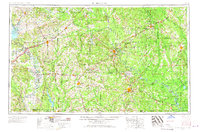 1953 El Dorado1967 Print · USGSSouth Arkansas in the mid-1960s was a landscape of industrial growth and river-fed commerce. Researchers can trace the extensive Oil and Gas Fields around Magnolia, the expansive U S Naval Ammunition Depot, and the busy rail lines of the Missouri Pacific.3 unique versions available
 - 1957 Map of El Dorado
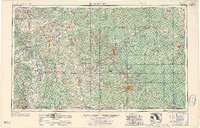 1957 El Dorado1957 Print · USGSSouth Arkansas in the mid-1950s was a critical hub of military logistics and rail-river commerce. Genealogists and historians can trace family land across the Arkansas Louisiana border and locate sites like the U.S. Naval Ammunition Depot or the rail junctions at Magnolia and Camden.
 - 1958 Map of El Dorado
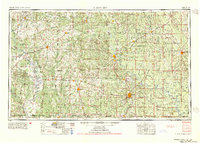 1958 El Dorado1958 Print · USGSSouthern Arkansas and the Louisiana borderlands are shown during a period of heavy rail traffic and defense industry activity. Researchers can trace the legacy of the U. S. Naval Ammunition Depot or locate family roots in Smackover, Huttig, and Nashville.3 unique versions available
 - 1960 Map of El Dorado
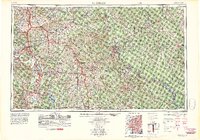 1960 El Dorado1960 Print · USGSSouth Central Arkansas in the late fifties was a hub of energy production and defense industry. Researchers can trace the extensive Oil and Gas Fields around El Dorado or locate family landmarks like Old Park Cem and New Hope Church.
 - 1966 Map of Calhoun, 1967 Print
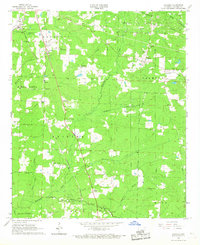 1966 Calhoun1967 Print · USGSMid-century Columbia County comes into focus through this survey of the oil-and-timber country south of Magnolia. Genealogists and researchers can trace the locations of historic churches and cemeteries like Christies Chapel, Jerusalem Cem, and Mt Carmel Ch.2 unique versions available
 - 1968 Map of Waldo, 1969 Print
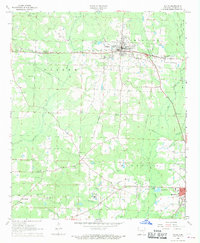 1968 Waldo1969 Print · USGSWaldo and the surrounding Columbia County countryside are documented here in the late sixties. Genealogists and historians can trace family locations near Frog Level Plantation, Westside Sch, and several rural burial grounds like Dickson Cem.2 unique versions available
 - 1968 Map of Magnolia, 1970 Print
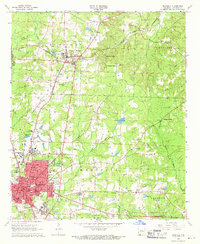 1968 Magnolia1970 Print · USGSMagnolia and its surrounding rail corridors are captured here during the late sixties as the region grew into a center of education and industry. Researchers can trace the grounds of Southern State College or find family history at St Matthews Cem and McNeil.2 unique versions available
 - 1986 Map of Magnolia
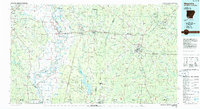 1986 Magnolia1986 Print · USGSThe Arkansas-Louisiana borderlands in the mid-1980s are defined by the river systems and the reach of the petroleum industry. Genealogists and historians can trace the St Louis Southwestern Railroad through Stamps or locate rural sites like Cleveland Cem and Brightstar.2 unique versions available
 - 1989 Map of El Dorado, 1990 Print
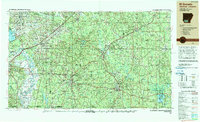 1989 El Dorado1990 Print · USGSThe Arkansas-Louisiana borderlands in the late eighties show a landscape of heavy industry and wildlife conservation centered on the Ouachita River. Researchers can trace the legacy of timber and transport via the Missouri Pacific RR, Poison Springs State Forest, and the vast Felsenthal Pool.
 - 2000 Map of Magnolia, 2002 Print
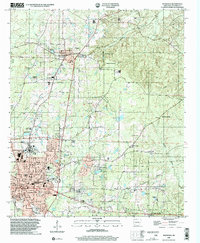 2000 Magnolia2002 Print · USGSMagnolia and the surrounding Columbia County countryside are documented here at the turn of the millennium, showing a landscape defined by higher education and the energy industry. Researchers can find Southern State College, the Louisiana and Northwest RR, and the extensive Magnolia Oil and Gas Field.
 - 2011 Map of Calhoun, 2011 Print
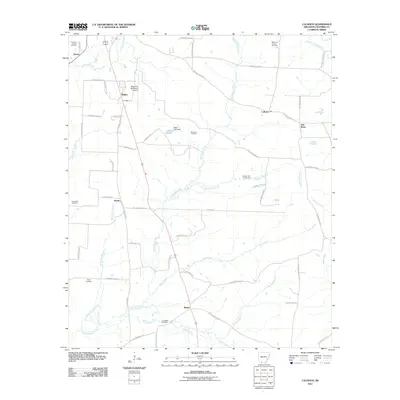 2011 Calhoun2011 Print · USGSColumbia County at the start of the 2010s shows a landscape where industrial energy extraction meets rural Arkansas life. Genealogists and historians can trace local landmarks like Kings Hill Cemetery, the community of Brister, and the Magnolia Oil and Gas Field.
 - 2011 Map of Magnolia, 2011 Print
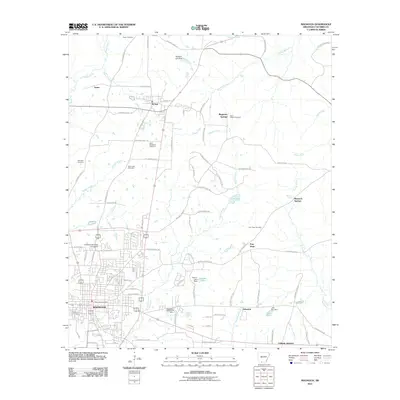 2011 Magnolia2011 Print · USGSMagnolia and the surrounding Columbia County timberlands are shown here in the early twenty-first century as the city expands around the university campus. Genealogists can trace family sites at Saint Matthews Cemetery, Hartsfield Cemetery, and the historic settlement of McNeil.
 - 2011 Map of Waldo, 2011 Print
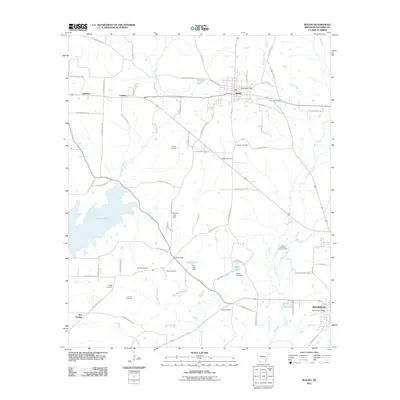 2011 Waldo2011 Print · USGSColumbia County at the start of the 2010s reveals a landscape of timber, oil, and deep-rooted family history. Genealogists can trace numerous burial sites including Antioch and Rudd Cemetery, alongside industrial landmarks like the Big Creek Oil and Gas Field.
 - 2014 Map of Waldo, 2014 Print
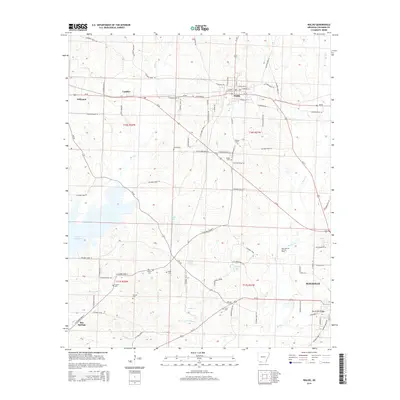 2014 Waldo2014 Print · USGSWaldo and the northern reaches of Magnolia are captured here during a period of modern industrial and residential growth. Genealogists can locate family burial sites at Antioch Cem and Scott Cem, or trace the extent of the Big Creek Oil and Gas Field.
 - 2014 Map of Calhoun, 2014 Print
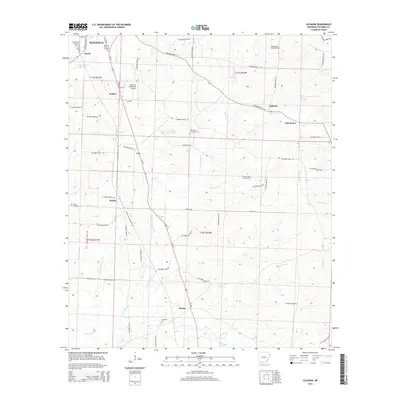 2014 Calhoun2014 Print · USGSColumbia County’s landscape of oil fields and rural communities is captured here in the early twenty-first century. Genealogists and local historians can trace family locations near Brister, Calhoun, and Kerlin or locate burial sites like Kings Hill Cem.
 - 2014 Map of Magnolia, 2014 Print
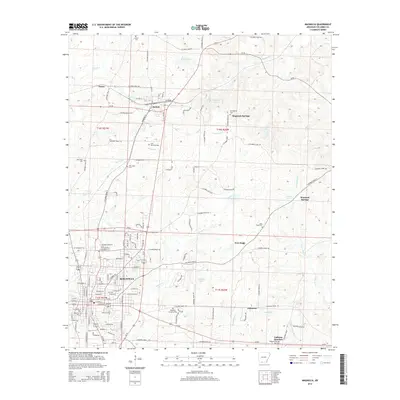 2014 Magnolia2014 Print · USGSMagnolia and the surrounding Columbia County countryside are captured here in the early 2010s. Researchers can trace the layout of the Southern Arkansas Univ Main Campus or locate local burial grounds like Saint Matthews Cem and Free Hope Cem.
 - 2017 Map of Waldo, 2017 Print
 2017 Waldo2017 Print · USGSColumbia County at the edge of the west Arkansas oil and timber lands shows a mix of small-town centers and rural creek bottoms. Genealogists can trace family landmarks like Waldo Cem, Strong Cem, and Scott Cem or find the former sites of Box Springs and Lumber.
 - 2017 Map of Calhoun, 2017 Print
 2017 Calhoun2017 Print · USGSColumbia County in the 2010s shows a landscape of timber-lined creeks and rural crossroads south of Magnolia. Genealogists can trace family roots through sites like Jerusalem Cem and Owen Cem, or locate the historic small communities of Calhoun and Brister.
 - 2017 Map of Magnolia, 2017 Print
 2017 Magnolia2017 Print · USGSMagnolia and the surrounding Columbia County countryside appear in clear detail during the mid-2010s. Researchers can locate numerous family burial grounds and community centers like Saint Matthews Cem, Free Hope, and the Southern Arkansas Univ Main Campus.
 - 2020 Map of Magnolia, 2020 Print
 2020 Magnolia2020 Print · USGSMagnolia and the surrounding Columbia County countryside are detailed here during a period of modern growth and academic prominence. Researchers can trace family roots at Hartsfield Cem or locate the historic grounds of Southern Arkansas University.
 - 2020 Map of Waldo, 2020 Print
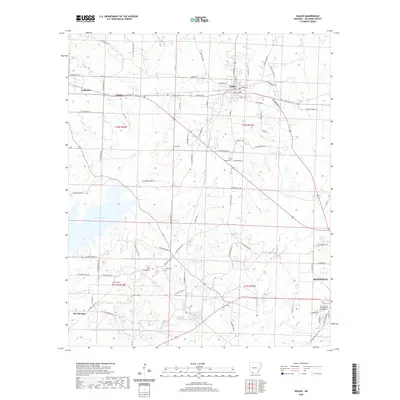 2020 Waldo2020 Print · USGSIn the vicinity of Waldo and Magnolia during the early twenty-first century, the landscape reflects a heritage of rural settlements and quiet waterways. Genealogists can locate several community burial sites, including Antioch Cem and Rudd Cem, while mapping the shores of Lake Columbia.
 - 2020 Map of Calhoun, 2020 Print
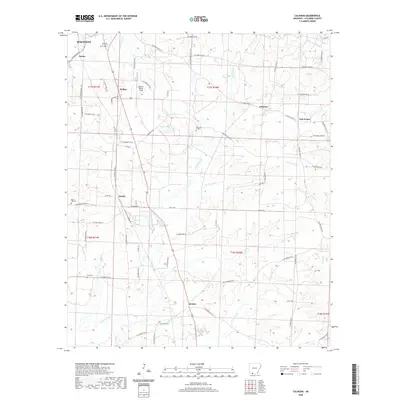 2020 Calhoun2020 Print · USGSColumbia County, Arkansas, is captured here in a period of rural continuity, showing the southeastern outskirts of Magnolia and several surrounding hamlets. Researchers can trace family history through local landmarks like Jerusalem Cem, Walker, and Brister.
 - 2024 Map of Waldo, 2024 Print
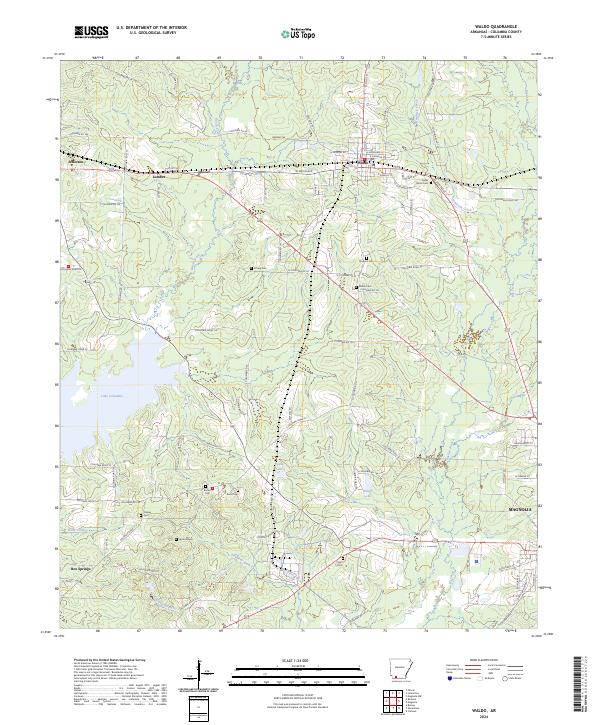 2024 Waldo2024 Print · USGSWaldo and the surrounding Columbia County countryside are detailed here during the mid-2020s. Researchers can locate numerous local landmarks including Cedar Grove Cem, Lake Columbia, and the small settlement of Box Springs.
 - 2024 Map of Calhoun, 2024 Print
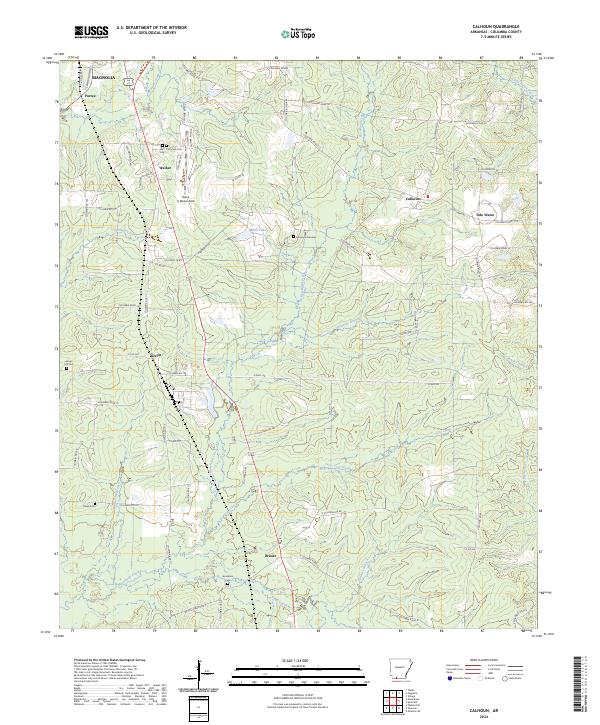 2024 Calhoun2024 Print · USGSThe rural landscape of Columbia County comes into focus as it appeared in the early 2020s. Genealogists and historians can trace family locations near Brister, Kerlin, and West Plainview Cem Cem, or follow the waters of Horsehead Creek.
 - 2024 Map of Magnolia, 2024 Print
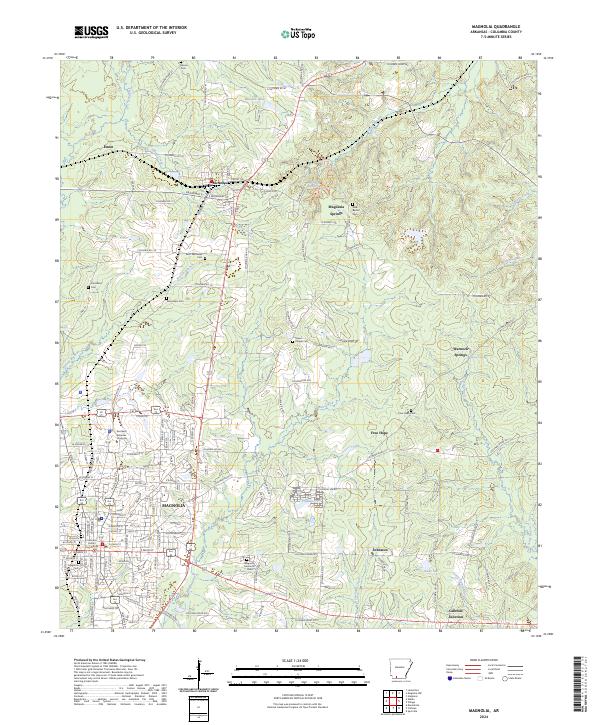 2024 Magnolia2024 Print · USGSMagnolia and the surrounding Columbia County timberlands are shown in detail during the early twenty-first century. Genealogists and local historians can trace family locations at Magnolia Cem, Hartsfield Cem, and the old settlement at McNeil.
End of results
Showing maps 1-25 of 25
Top cities near Magnolia
- Waldo historical maps
- Stephens historical maps
- McNeil historical maps
- Taylor historical maps
- Buckner historical maps
- Emerson historical maps
Top neighborhoods of Magnolia
Frequently asked questions
- What are the different types of historical maps available for Magnolia?
- What is the oldest map of Magnolia?
- Where can I purchase historical maps of Magnolia for my home or office?
- Where can I download high-res historical maps of Magnolia?
- Are there historical topographic maps available for Magnolia?
- Is there historical aerial imagery available for Magnolia?
- Where are historical maps of Magnolia sourced from?