Old Maps of Union County, Arkansas for Genealogy
Trace your family roots with 181 historic maps of Union County. These high-res maps reveal old neighborhoods, homesites, landmarks, and streets — helping you uncover where your ancestors lived and how the area evolved over time.
- Explore historic neighborhoods: Identify where your relatives may have lived in the 1800s or 1900s.
- Compare maps over time: Trace the changes in streets, buildings, and landmarks for multi-generational research.
- Perfect for genealogy & ancestry research: Used by family historians and researchers to map out lineage and migration.
These maps are an incredible resource for exploring your personal connection to Union County's past.
Union County, AR maps
(181)- 1927 Map of El Dorado
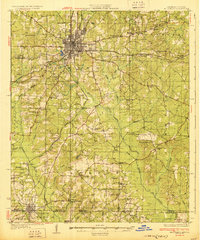 1927 El Dorado1927 Print · USGSUnion County, Arkansas, is captured here in the late twenties as the oil boom transformed the landscape around El Dorado. Researchers can trace the early footprints of settlements like Caledonia and find rural landmarks such as Old Parker Chapel and Jennys Store.2 unique versions available
 - 1930 Map of El Dorado, 1949 Print
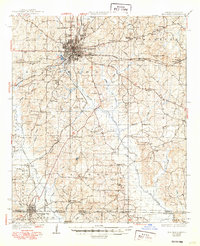 1930 El Dorado1949 Print · USGSUnion County enters its oil boom era during the late twenties, with this survey capturing the burgeoning industry surrounding El Dorado. Genealogists and local historians can trace rural school districts like Shady Grove Sch and Fairview Sch, or locate family sites near Parnell Cemetery.
 - 1933 Map of Strong, 1954 Print
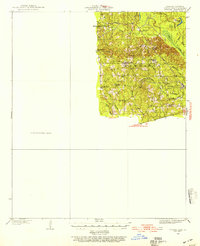 1933 Strong1954 Print · USGSUnion County, Arkansas, was a landscape of bayous and timber mills during the early 1930s. Genealogists and local historians can trace the rural fabric of the region through landmarks like George Cem, New London, and the Mcclendon Mill.
 - 1934 Map of Ingalls
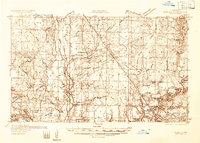 1934 Ingalls1934 Print · USGSBradley County during the mid-1930s shows a landscape of river-bottom camps and rural parish life. Researchers can trace family roots through numerous local landmarks, from Johnsville and Bogalusa Camp to country schools like Eagle Lake Sch and Broad Sch.
 - 1934 Map of Felsenthal, 1954 Print
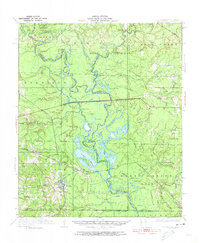 1934 Felsenthal1954 Print · USGSThe Ouachita and Saline River basins are captured here in the early 1930s as logging and rail shaped the Arkansas-Louisiana border. Trace the industrial footprint of the Logging RR and Missouri Pacific RR alongside local centers like Felsenthal, Huttig, and Smith Chapel.2 unique versions available
 - 1934 Map of Moro Bay, 1960 Print
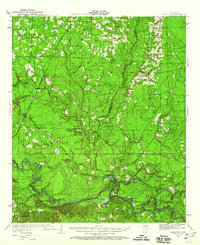 1934 Moro Bay1960 Print · USGSSouthern Arkansas at the height of the river-and-rail era is captured here, showing the intricate wetlands of the Ouachita valley. Researchers can locate old riverside hubs like Moro Bay, the tracks of the Chicago Rock Island and Pacific, and rural landmarks like Faustina Ch.
 - 1937 Map of Strong
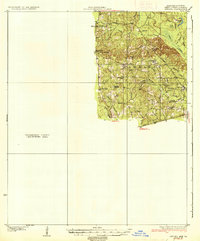 1937 Strong1937 Print · USGSUnion County and the bayou country of southern Arkansas are captured here during the 1930s. Genealogists and local historians can trace rural roots through landmarks like Wallace Cem, McClendon Mill, and Ebenezer Ch.2 unique versions available
 - 1937 Map of Felsenthal
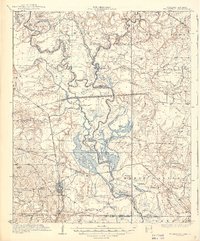 1937 Felsenthal1937 Print · USGSThe Ouachita River bottomlands come to life in the mid-1930s, showing a landscape of logging railroads and river bends. Trace family roots through Lapile Cem, Huttig, and Felsenthal, or locate vanished landmarks like Cooter Sch and Dollar Junction.
 - 1937 Map of Ingalls
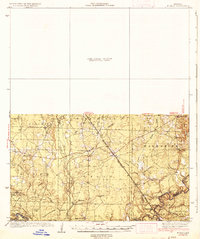 1937 Ingalls1937 Print · USGSSouth Arkansas timber and river country are mapped here in the mid-1930s as rural life centered on the Ouachita River. Researchers can locate vanished landmarks like Pine Island Landing, Thomas Sch, and the riverside Bogalusa Camp.3 unique versions available
 - 1938 Map of Felsenthal
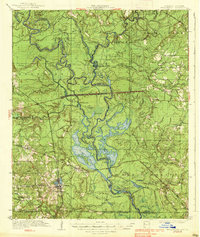 1938 Felsenthal1938 Print · USGSThe river bottoms of south Arkansas and north Louisiana are seen here in the late 1930s, showing a landscape defined by the winding Ouachita River. Genealogists and historians can locate the old townsite of Felsenthal, rural landmarks like Smiths Chapel, and the river landing at Prairie Island Ldg.
 - 1938 Map of Moro Bay
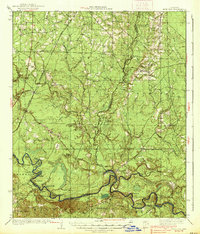 1938 Moro Bay1938 Print · USGSThe riverbottoms of the Ouachita and the timberlands of South Arkansas are captured here in the mid-1930s. Genealogists can locate family sites near Jersey Sch and Union Grove Ch, or trace old river traffic at Wilmington Landing.2 unique versions available
 - 1939 Map of Felsenthal
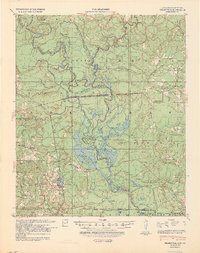 1939 Felsenthal1939 Print · USGSThe river bottomlands of southern Arkansas and northern Louisiana come alive in the late thirties as the timber industry reshapes the landscape. Researchers can trace the sprawling rail lines of the Missouri Pacific, the industrial layout of Huttig, and rural sites like Smith Chapel or the Macedonian Cem.2 unique versions available
 - 1939 Map of Moro Bay, 1941 Print
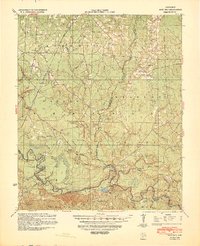 1939 Moro Bay1941 Print · USGSSouthern Arkansas was a land of river landings and remote timber camps in the late 1930s. Genealogists and local historians can trace the foundations of communities at Artesian and Moro Bay, or locate rural landmarks like Union Grove Ch and Beulah Springs Sch.2 unique versions available
 - 1939 Map of Ingalls, 1941 Print
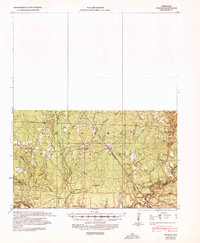 1939 Ingalls1941 Print · USGSSoutheast Arkansas in the late 1930s was a landscape of river landings and ridge-top settlements centered on the Saline River. Genealogists can trace early rural life through landmarks like Palestine Ch, Johnsville, and several family-named schoolhouses.
 - 1939 Map of Strong, 1948 Print
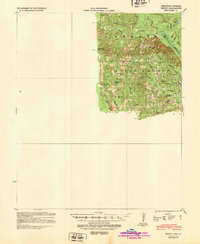 1939 Strong1948 Print · USGSUnion County, Arkansas, comes to life in the 1930s as a land of small timber settlements and rural parishes. Researchers can trace family roots through sites like Ebenezer Cem, McGlendon Mill, and the many schools including Gill Sch.
 - 1951 Map of El Dorado, 1953 Print
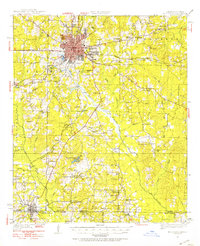 1951 El Dorado1953 Print · USGSSouthern Arkansas in the early fifties shows a landscape shaped by the Missouri Pacific railroad and rural growth around El Dorado. Genealogists can locate numerous landmarks like Parkers Chapel Sch, Wesley Chapel, and Caledonia.3 unique versions available
 - 1953 Map of El Dorado, 1967 Print
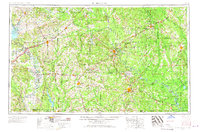 1953 El Dorado1967 Print · USGSSouth Arkansas in the mid-1960s was a landscape of industrial growth and river-fed commerce. Researchers can trace the extensive Oil and Gas Fields around Magnolia, the expansive U S Naval Ammunition Depot, and the busy rail lines of the Missouri Pacific.3 unique versions available
 - 1957 Map of El Dorado
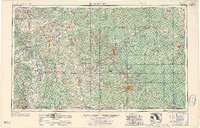 1957 El Dorado1957 Print · USGSSouth Arkansas in the mid-1950s was a critical hub of military logistics and rail-river commerce. Genealogists and historians can trace family land across the Arkansas Louisiana border and locate sites like the U.S. Naval Ammunition Depot or the rail junctions at Magnolia and Camden.
 - 1958 Map of El Dorado
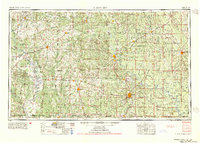 1958 El Dorado1958 Print · USGSSouthern Arkansas and the Louisiana borderlands are shown during a period of heavy rail traffic and defense industry activity. Researchers can trace the legacy of the U. S. Naval Ammunition Depot or locate family roots in Smackover, Huttig, and Nashville.3 unique versions available
 - 1960 Map of El Dorado
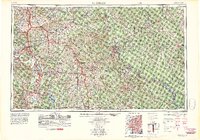 1960 El Dorado1960 Print · USGSSouth Central Arkansas in the late fifties was a hub of energy production and defense industry. Researchers can trace the extensive Oil and Gas Fields around El Dorado or locate family landmarks like Old Park Cem and New Hope Church.
 - 1962 Map of Lisbon, 1963 Print
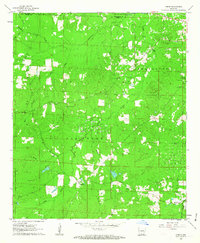 1962 Lisbon1963 Print · USGSUnion and Ouachita counties are captured here in the early sixties as the regional oil industry reshaped the landscape. Researchers can trace family sites like Lone Oak Cem and Dumas City alongside the sprawling Smackover Oil and Gas Field.3 unique versions available
 - 1962 Map of Louann, 1963 Print
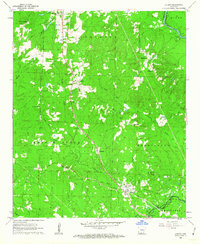 1962 Louann1963 Print · USGSSouth Arkansas at the peak of the mid-century energy boom reveals a landscape shaped by the Smackover Oil and Gas Field. Researchers can trace old family sites and rail stops including Louann, Kirkland, and the Old Liberty Cem.3 unique versions available
 - 1962 Map of Buena Vista, 1963 Print
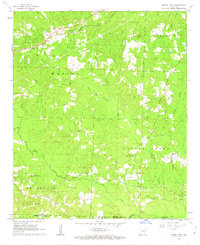 1962 Buena Vista1963 Print · USGSOuachita County in the early sixties shows a landscape where quiet rural life met a burgeoning petroleum industry. Genealogists can trace family names at Pleasant Ridge Cem or Haltom Cem, while historians can locate the old ST LOUIS SOUTHWESTERN line.2 unique versions available
 - 1962 Map of Smackover, 1963 Print
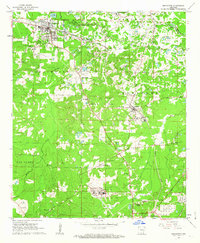 1962 Smackover1963 Print · USGSSouthern Arkansas was defined by its petroleum wealth and rural community centers during the early 1960s. Genealogists and historians can trace family roots through numerous local landmarks, including the Smackover Training Sch, Rest Haven Memorial Gardens, and the Sycamore Grove Ch Cem.4 unique versions available
 - 1962 Map of Calion, 1963 Print
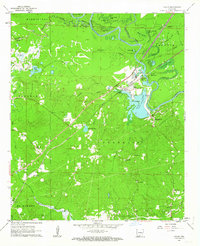 1962 Calion1963 Print · USGSUnion County during the early 1960s shows a landscape defined by the winding Ouachita River and a growing petroleum industry. Researchers can trace rural church history at Bethel Ch or explore the rail corridor of the Chicago Rock Island and Pacific.2 unique versions available
Showing maps 1-25 of 181
Top cities of Union County
- El Dorado historical maps
- Smackover historical maps
- Norphlet historical maps
- Huttig historical maps
- Strong historical maps
- Junction City historical maps
See more
Frequently asked questions
- What are the different types of historical maps available for Union County?
- What is the oldest map of Union County?
- Where can I purchase historical maps of Union County for my home or office?
- Where can I download high-res historical maps of Union County?
- Are there historical topographic maps available for Union County?
- Is there historical aerial imagery available for Union County?
- Where are historical maps of Union County sourced from?