Old Maps of Foster City, California for Hiking & Exploration
Hike through history with 37 historic maps of Foster City. Explore old trails, ghost towns, and forgotten backroads — perfect for outdoor adventurers and local explorers.
- Rediscover forgotten places: Map out old mining camps, roads, and footpaths that no longer exist on modern maps.
- Layer with modern tools: Combine with LiDAR or satellite views to plan hikes through historical terrain.
- Made for exploration: Popular among hikers, overlanders, and local history lovers.
Use these maps to find adventure and explore the hidden past of Foster City.
Foster City, CA maps
(37)- 1892 Map of San Mateo
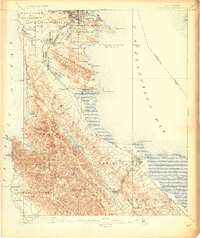 1892 San Mateo1892 Print · USGSThe San Francisco Peninsula in the 1890s reveals a landscape of ranchos and rising rail towns. Trace the early footprints of Colma, Millbrae, and South San Francisco alongside vital water infrastructure like the Crystal Springs Dam.
 - 1896 Map of San Mateo
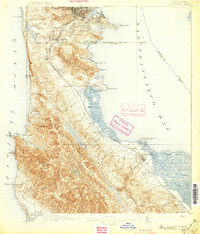 1896 San Mateo1896 Print · USGSThe northern San Francisco Peninsula comes alive in this late nineteenth-century survey. Genealogists and historians can trace early trackage of the Southern Pacific R. R. through Colma and Millbrae, or locate the Industrial School and Brewer School.
 - 1899 Map of Haywards
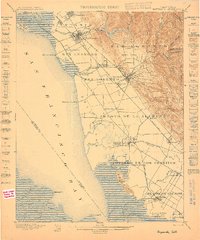 1899 Haywards1899 Print · USGSThe East Bay shoreline at the end of the century was a landscape of industrial salt works and vital maritime landings. Genealogists and historians can trace the early rail stops at Haywards Sta. or locate family trade hubs at Mulford Landing and Jarvis Landing.5 unique versions available
 - 1899 Map of San Mateo
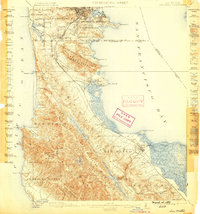 1899 San Mateo1899 Print · USGSThe northern San Mateo peninsula appears here in the late nineteenth century as a landscape of early rail lines and critical water infrastructure. Trace the early development of South San Francisco, the sprawling Cemeteries of Colma, and rural schoolhouses like Hoyt School.6 unique versions available
 - 1915 Map of San Mateo
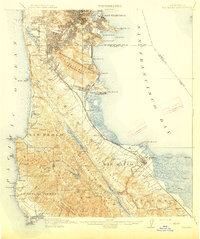 1915 San Mateo1915 Print · USGSThe San Francisco Peninsula at the start of the twentieth century shows a landscape transitioning from rural ranchos to industrial centers and suburbs. Genealogists can trace family footprints at Colma, locate the Hoyt School, or follow the Southern Pacific RR through Baden Sta.6 unique versions available
 - 1915 Map of Haywards
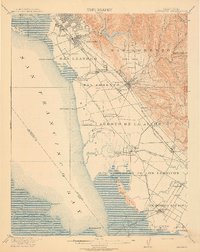 1915 Haywards1915 Print · USGSThe East Bay shoreline and inland foothills are shown here in the mid-1910s during a height of coastal industry. Genealogists and historians can trace old shipping points like Mulford Landing, early salt operations at Union City Salt Works, and the rail lines of the Western Pacific.4 unique versions available
 - 1939 Map of San Mateo, 1956 Print
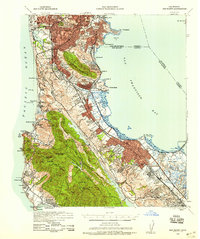 1939 San Mateo1956 Print · USGSThe San Francisco Peninsula at the brink of the 1940s reveals a landscape of ridge-top vistas and growing railroad towns. Researchers can trace the early layouts of Burlingame, San Bruno, and Millbrae, or locate institutional landmarks like St Josephs Military Academy and the extensive Chinese Cem.3 unique versions available
 - 1942 Map of Hayward
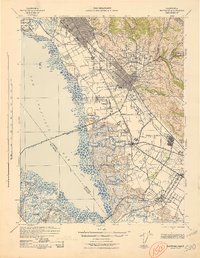 1942 Hayward1942 Print · USGSThe East Bay shoreline and inland foothills come alive in the early 1940s as industry and infrastructure reshape the landscape. Researchers can trace the original footprints of Russell City and Mt Eden or locate the historic Oakland Speedway and Fairmont Hospital.
 - 1943 Map of San Mateo
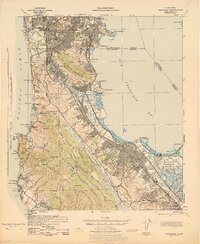 1943 San Mateo1943 Print · USGSThe San Francisco Peninsula during the mid-war years shows a region of expanding shoreline industry and established hillside communities. Researchers can trace historic landmarks like St Josephs Military Academy and the Golden Gate National Cem.
 - 1947 Map of San Francisco, 1948 Print
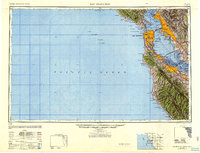 1947 San Francisco1948 Print · USGSThe Bay Area in the late 1940s reveals a region transitioning from wartime intensity to post-war suburban growth. Trace the historic rail lines of the Southern Pacific RR or locate early military footprints at Fort Funston and Moffett Field.
 - 1947 Map of San Mateo, 1957 Print
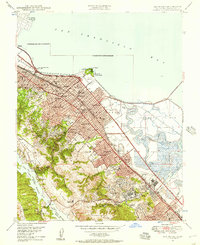 1947 San Mateo1957 Print · USGSMid-century San Mateo County shows a landscape of growing suburbs and salt marshes before the era of massive bay fill. Genealogists and historians can locate the San Mateo Junior College, trace the Southern Pacific line, or find the California Military Academy in Belmont.
 - 1948 Map of Redwood Point
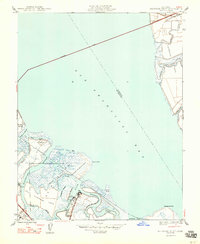 1948 Redwood Point1948 Print · USGSThe San Mateo County shoreline in the late 1940s was a landscape of tidal marshes and industrial salt production. Trace the early layout of City Harbor and San Carlos Airport alongside landmarks like Oradio Sta KNBC.
 - 1948 Map of San Francisco, 1951 Print
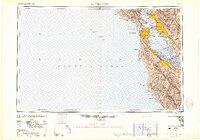 1948 San Francisco1951 Print · USGSThe Bay Area in the late 1940s reveals a landscape defined by rapid post-war growth and a heavy military presence at the Golden Gate. Trace the development of early trans-bay infrastructure like the Oakland-Bay Bridge and historic coastal defense sites such as Fort Funston and Alcatraz Island.
 - 1949 Map of San Mateo
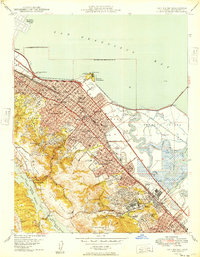 1949 San Mateo1949 Print · USGSThe mid-century San Mateo Peninsula is captured here as a bustling landscape of suburban growth and institutional development. Researchers can trace the legacy of local landmarks like the Bay Meadows Race Track, St Johns Cem, and the historic College of Notre Dame.
 - 1955 Map of San Francisco
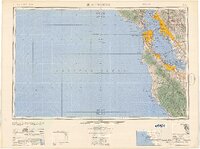 1955 San Francisco1955 Print · USGSThe San Francisco Bay Area and central coast are captured during the postwar boom as suburbs and infrastructure expanded rapidly. Trace the development of local communities and military installations like the Presidio and Fort Mason, or follow the Southern Pacific rail lines.
 - 1956 Map of San Francisco
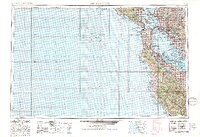 1956 San Francisco1956 Print · USGSThe San Francisco Bay Area is captured in the mid-fifties, showing a landscape of rapid post-war growth and massive military installations. Researchers can trace the sprawling rail lines of the Southern Pacific and locate historic sites like Stanford University or the Hunters Point Naval Shipyard.4 unique versions available
 - 1956 Map of San Mateo, 1957 Print
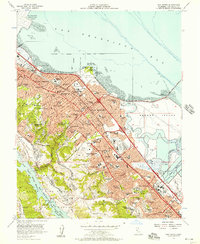 1956 San Mateo1957 Print · USGSThe San Mateo Peninsula is shown during a decade of remarkable suburban growth, stretching from the bayshore mudflats to the San Andreas foothills. Researchers can trace the mid-century layout of San Mateo and Burlingame, locating landmarks like the Bay Meadows Racetrack and the College of San Mateo.6 unique versions available
 - 1957 Map of San Francisco
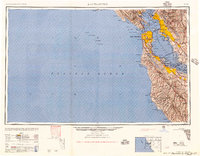 1957 San Francisco1957 Print · USGSThe Bay Area in the mid-fifties reveals a rapidly growing metropolitan landscape connected by its iconic spans and rail networks. Researchers can trace the layout of military sites like the Presidio and the extent of the Southern Pacific and Western Pacific railroads.
 - 1959 Map of Redwood Point, 1960 Print
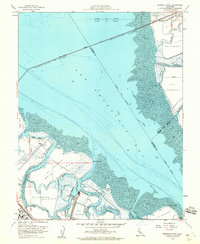 1959 Redwood Point1960 Print · USGSThe southern San Francisco Bay shoreline is defined by industrial salt works and complex slough systems in the late fifties. Trace the maritime history of the Port of Redwood City and the early footprints of the Belmont Salt Evaporators.7 unique versions available
 - 1959 Map of Hayward, 1961 Print
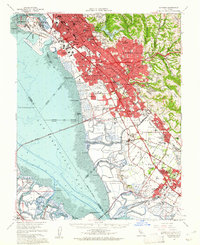 1959 Hayward1961 Print · USGSThe East Bay shoreline in the late fifties reveals a period of massive suburban and industrial growth along the new Nimitz Freeway. Genealogists and historians can trace old neighborhoods and sites like Russell City, Mt Eden Cem, and the Oakland Naval Air Sta.2 unique versions available
 - 1960 Map of San Francisco
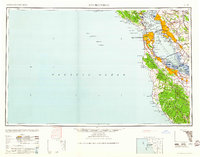 1960 San Francisco1960 Print · USGSThe San Francisco Bay Area at the start of the sixties reveals a landscape of rapid expansion and critical infrastructure. Researchers can trace the development of East Bay communities like Russell City and Mt Eden or locate early rural landmarks like Alpine School.
 - 1961 Map of San Francisco
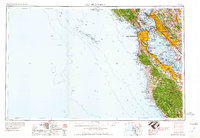 1961 San Francisco1961 Print · USGSThe Bay Area at the dawn of the 1960s reveals a landscape of growing cities and massive Cold War military installations. Genealogists and historians can trace the mid-century urban footprint from Berkeley to San Mateo, while locating landmarks like the Presidio, Alcatraz Island, and Moffett Field Air Station.
 - 1964 Map of San Francisco
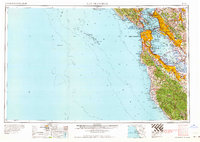 1964 San Francisco1964 Print · USGSThe Bay Area in the mid-sixties shows a region of rapid suburban expansion and major military installations. Researchers can trace the development of the South Bay near Stanford University or locate family plots in the historic Cypress Lawn Cem and Holy Cross Cem.
 - 1971 Map of San Francisco
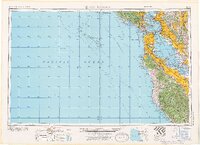 1971 San Francisco1971 Print · USGSThe San Francisco Bay Area at the start of the 1970s is shown here as a dense network of aerospace hubs, naval bases, and expanding suburbs. Researchers can trace the mid-century footprint of Stanford University, the industrial Salt Evaporators, and the Southern Pacific rail lines.
 - 1978 Map of San Francisco, 1979 Print
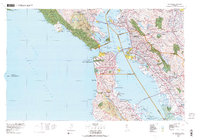 1978 San Francisco1979 Print · USGSThe San Francisco Bay Area in the late seventies reveals a landscape where massive naval installations and federal parklands meet a rapidly maturing urban core. Genealogists and historians can locate family landmarks near the National Cemetery, trace the Southern Pacific rail lines, or study the layout of the Alameda Naval Air Station.2 unique versions available
Showing maps 1-25 of 37
Top cities near Foster City
- San Jose historical maps
- San Francisco historical maps
- Oakland historical maps
- Fremont historical maps
- Hayward historical maps
- Sunnyvale historical maps
See more
Frequently asked questions
- What are the different types of historical maps available for Foster City?
- What is the oldest map of Foster City?
- Where can I purchase historical maps of Foster City for my home or office?
- Where can I download high-res historical maps of Foster City?
- Are there historical topographic maps available for Foster City?
- Is there historical aerial imagery available for Foster City?
- Where are historical maps of Foster City sourced from?