1940s Maps of Lower Connecticut River Valley Planning Region, Connecticut
Explore 16 historic maps of Lower Connecticut River Valley Planning Region from the 1940s. These maps offer a rare glimpse into what life looked like during the 1940s — showing old roads, neighborhoods, homes, and landmarks that have changed or disappeared over time.
Whether you're researching your family's past, planning a metal detecting trip, or studying how Lower Connecticut River Valley Planning Region's landscape evolved across the 1940s, these high-resolution maps are a powerful tool for exploring the history of this region.
- Focus on a specific era: All maps on this page are from the 1940s, giving you a focused view of this time period.
- See what’s changed: Compare century-old streets, trails, and buildings to today's modern landscape using overlays and satellite layers.
- Research with precision: Use these maps for genealogy, historical research, land use analysis, or educational projects.
- View, download, or print: Maps are fully viewable online in high resolution, and can be downloaded or printed for your own records.
Start exploring Lower Connecticut River Valley Planning Region's history through authentic maps from the 1940s. This is your window into the past.
Lower Connecticut River Valley Planning Region, CT maps
(16)- 1941 Map of Lyme
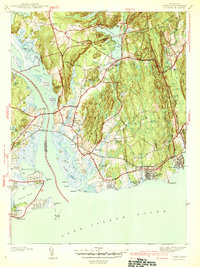 1941 Lyme1941 Print · USGSThe shoreline of Old Lyme and Old Saybrook is captured here in the late 1930s as seaside communities grew alongside historic rail lines. Genealogists can locate Duck River Cem, the Bills Hill Sch, and the rail stop at Lyme Sta.2 unique versions available
 - 1943 Map of Durham
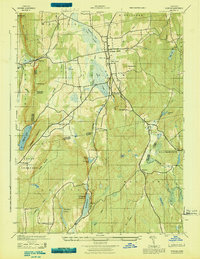 1943 Durham1943 Print · USGSMiddlesex and New Haven counties are mapped during the early years of the war, showing the rural landscapes around Durham Center. Genealogists and historians can trace family-named sites like Linmar Dairy Farm and explore the rail corridor of the New York New Haven and Hartford.
 - 1944 Map of Hartford South
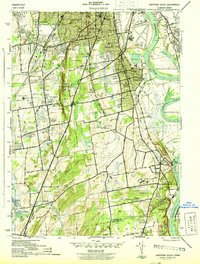 1944 Hartford South1944 Print · USGSThe southern Hartford suburbs and Wethersfield are mapped here during the mid-forties, capturing the region's dense institutional and rail network. Genealogists and local historians can trace family locations near Old South Cem or identify wartime landmarks like Bulkeley Stadium and the State Prison.3 unique versions available
 - 1944 Map of Marlboro
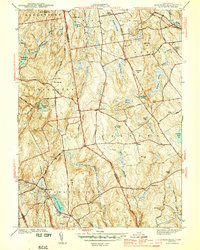 1944 Marlboro1944 Print · USGSMarlborough and the Hartford-Tolland county line are documented here during the mid-forties, showing a landscape of textile mills and rural schoolhouses. Genealogists and local historians can trace family locations near the Shoddy Mill, Townsend Cem, and Lake Terramuggus.5 unique versions available
 - 1944 Map of Essex
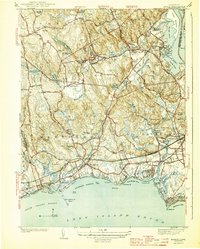 1944 Essex1944 Print · USGSCoastal Connecticut at the start of the 1940s reveals a shoreline of growing summer colonies and deep-seated rail history. Genealogists can trace family landmarks and local institutions from Winthrop Ch and Ivoryton to the busy tracks of the New York New Haven and Hartford Railroad.3 unique versions available
 - 1944 Map of Deep River
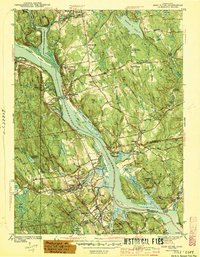 1944 Deep River1944 Print · USGSMid-century Middlesex County life is centered on the Connecticut River as the region's primary artery for transport and industry. Researchers can trace the paths of the New York New Haven and Hartford Railroad and locate ancestral burial sites like Old Cove Burying Ground or the Mt Parnassus Burying Ground.2 unique versions available
 - 1945 Map of Middle Haddam
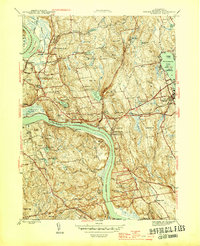 1945 Middle Haddam1945 Print · USGSMiddlesex County life along the river comes into focus in the 1940s as the railroad connects riverside mill towns. Genealogists and historians can trace family roots through the Portland Burying Ground, Eureka Mill, and the riverside Middle Haddam.2 unique versions available
 - 1945 Map of Middletown
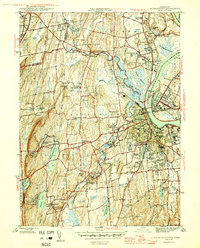 1945 Middletown1945 Print · USGSThe industrial and academic heart of the Connecticut River valley is captured here in the mid-1940s. Genealogists and historians can trace the campuses of Wesleyan University, local institutions like the Swedish Orphanage, and neighborhood landmarks in South Farms.2 unique versions available
 - 1945 Map of Colchester
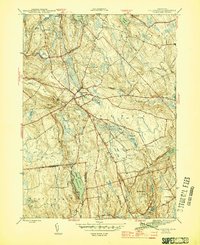 1945 Colchester1945 Print · USGSMid-century Connecticut life centers on the village of Colchester and its network of outlying farm corners and lakefronts. Researchers can locate family homesteads near Exeter Ch, trace the banks of Lake Hayward, or find the secluded Long Pond Cem.2 unique versions available
 - 1946 Map of Moodus
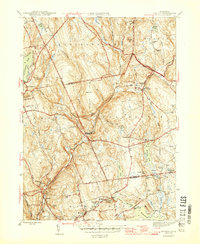 1946 Moodus1946 Print · USGSMiddlesex and New London counties are captured here just after the war, showing a network of river-powered villages and rural school districts. Researchers can locate family landmarks such as the Jones St Sch, Ponemah Cem, and the historic Comstock Bridge.2 unique versions available
 - 1946 Map of Glastonbury
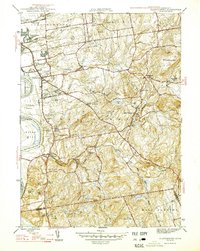 1946 Glastonbury1946 Print · USGSIn the years following the war, the Connecticut River valley around Glastonbury maintained its character as a collection of distinct hill and river villages. Genealogists and local historians can trace family locations through numerous sites like Old Eastbury Cem, Williams Sch, and Welles Village.2 unique versions available
 - 1946 Map of Meriden
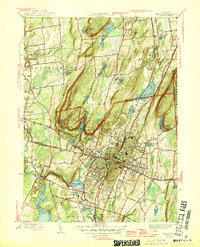 1946 Meriden1946 Print · USGSThe industrial corridor of Central Connecticut comes alive in the mid-1940s, showing the dense development of Meriden and its surrounding ridge lines. Genealogists can locate family sites near St Thomas Cem and Stillmans Corner or trace the early footprint of Meriden Airport.2 unique versions available
 - 1947 Map of Orient
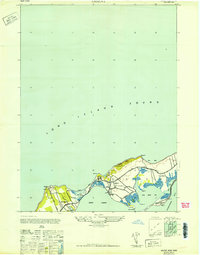 1947 Orient1947 Print · USGSThe tip of Long Island's North Fork is captured here in the late 1940s, showing a landscape defined by saltwater bays and narrow peninsulas. Genealogists and local historians can trace the homes around ORIENT and East Marion, or locate family plots in the CENTRAL CEMETERY.
 - 1947 Map of Plum Island
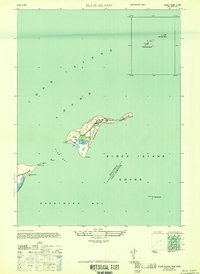 1947 Plum Island1947 Print · USGSCoastal Suffolk County is captured here just after the war, detailing the military footprint on the islands between the sounds. Researchers can trace the layout of Fort Terry and locate maritime landmarks like the Lighthouse and the Ferry Landing.2 unique versions available
 - 1947 Map of Hartford, 1955 Print
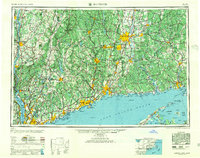 1947 Hartford1955 Print · USGSSouthern New England and the Hudson Valley are shown in detail during the post-war expansion era. Genealogists and researchers can trace local landmarks from the State Capitol and Yale University to the Stratford Lighthouse and Woodlawn Cem.2 unique versions available
 - 1948 Map of Hartford
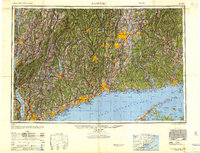 1948 Hartford1948 Print · USGSSouthern New England is captured here in the late 1940s, showcasing a landscape of thriving industrial cities and developing parkways. Genealogists and historians can trace the rail networks of the New York New Haven and Hartford RR or locate coastal defense sites like Fort Terry and Camp Shanks.2 unique versions available
End of results
Showing maps 1-16 of 16
Top cities of Lower Connecticut River Valley Planning Region
- Middletown historical maps
- Clinton historical maps
- Cromwell historical maps
- East Hampton historical maps
- Old Saybrook historical maps
- Portland historical maps
See more
Frequently asked questions
- What are the different types of historical maps available for Lower Connecticut River Valley Planning Region?
- What is the oldest map of Lower Connecticut River Valley Planning Region?
- Where can I purchase historical maps of Lower Connecticut River Valley Planning Region for my home or office?
- Where can I download high-res historical maps of Lower Connecticut River Valley Planning Region?
- Are there historical topographic maps available for Lower Connecticut River Valley Planning Region?
- Is there historical aerial imagery available for Lower Connecticut River Valley Planning Region?
- Where are historical maps of Lower Connecticut River Valley Planning Region sourced from?