Old Maps of Pine Hill, Greenwich for Metal Detecting
Plan your next treasure hunt with 17 historic maps of Pine Hill. Find old homesites, ghost towns, trails, and gathering spots that may be lost to time — perfect for identifying promising metal detecting locations.
- Locate forgotten sites: Uncover places like long-lost settlements, abandoned rail lines, or gathering spots.
- Plan better hunts: Use map overlays combined with LiDAR or satellite views to narrow in on historically rich areas.
- Made for detectorists: Thousands of hobbyists use these maps to discover relics, coins, and hidden history.
Use these historic maps to boost your research and find new opportunities beneath the surface of Pine Hill.
Pine Hill, Greenwich maps
(17)- 1892 Map of Stamford
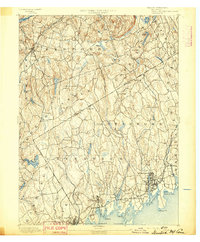 1892 Stamford1892 Print · USGSThe Connecticut and New York borderlands meet in the late nineteenth century, showing a coastal landscape defined by early rail lines and maritime harbors. Genealogists and local historians can trace family-named sites and vanished post offices from Banksville and Stanwich to the docks of Coscob Harbor.
 - 1893 Map of Stamford
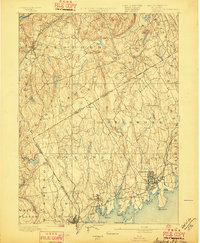 1893 Stamford1893 Print · USGSThe Connecticut and New York borderlands near the Long Island Sound come alive in this late nineteenth-century study of maritime and rail connectivity. Genealogists and local historians can trace the early development of Stamford, Greenwich, and Port Chester along the shoreline, or locate inland crossroads like Armonk and Banksville.
 - 1899 Map of Stamford
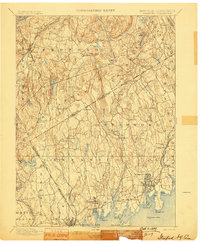 1899 Stamford1899 Print · USGSCoastal Connecticut and southeastern New York thrive at the turn of the century as the rail networks expand through the hills and shorelines. Researchers can trace historic property boundaries and early village sites like Banksville, Scott Corners, and the maritime approaches near Stamford Harbor L.H.13 unique versions available
 - 1944 Map of Glenville, 1947 Print
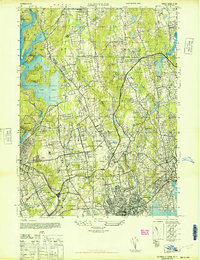 1944 Glenville1947 Print · USGSFairfield and Westchester counties meet in the 1940s as the regional parkway system begins to reshape the countryside. Genealogists and local historians can trace the foundations of Glenville, the Chieftains Estate, and the grounds of Rosemary Hall.
 - 1947 Map of Hartford, 1955 Print
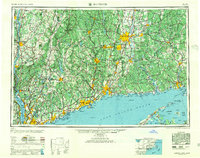 1947 Hartford1955 Print · USGSSouthern New England and the Hudson Valley are shown in detail during the post-war expansion era. Genealogists and researchers can trace local landmarks from the State Capitol and Yale University to the Stratford Lighthouse and Woodlawn Cem.2 unique versions available
 - 1948 Map of Hartford
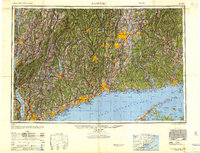 1948 Hartford1948 Print · USGSSouthern New England is captured here in the late 1940s, showcasing a landscape of thriving industrial cities and developing parkways. Genealogists and historians can trace the rail networks of the New York New Haven and Hartford RR or locate coastal defense sites like Fort Terry and Camp Shanks.2 unique versions available
 - 1951 Map of Glenville, 1952 Print
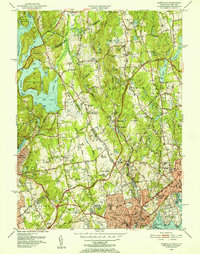 1951 Glenville1952 Print · USGSThe Connecticut and New York border comes alive in the early fifties, showing the interplay of country estates and new infrastructure. Trace family landmarks and local institutions like St Lukes Hospital, Brown Cem, and the County Airport.3 unique versions available
 - 1960 Map of Glenville, 1962 Print
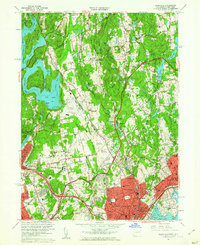 1960 Glenville1962 Print · USGSThe Connecticut and New York borderlands are seen here in the early sixties, as suburban growth transformed the wooded landscape between the reservoir and the sound. Genealogists and local historians can trace legacy institutions like Manhattanville College, the Harkness Home, and the Blind Brook Polo Club.4 unique versions available
 - 1961 Map of Hartford
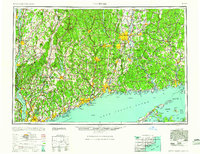 1961 Hartford1961 Print · USGSSouthern New England and the Hudson Valley are shown here in the mid-fifties, capturing a landscape of booming coastal cities and interior hill towns. Researchers can trace the legacy of the New York New Haven and Hartford rail corridor and find strategic sites like Camp Shanks and Fort Michie.
 - 1962 Map of Hartford, 1971 Print
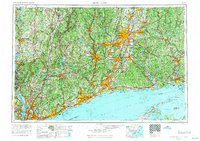 1962 Hartford1971 Print · USGSSouthern New England and the Hudson Valley are shown in the early sixties, as suburban growth reached into the foothills. Trace the path of the New York New Haven & Hartford RR and find landmarks like Camp Nathan Hale and Gillette Castle State Park.3 unique versions available
 - 1965 Map of Hartford
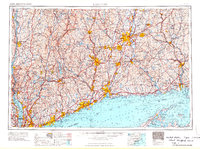 1965 Hartford1965 Print · USGSSouthern New England and the Hudson Valley are shown here during the mid-sixties expansion of the Interstate era. Trace the path of the New York New Haven & Hartford RR or locate historic landmarks like West Point Military Reservation and the Merritt Parkway.2 unique versions available
 - 1986 Map of Bridgeport
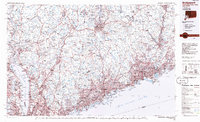 1986 Bridgeport1986 Print · USGSSpanning the New York and Connecticut border in the mid-eighties, this survey shows the dense rail and parkway network connecting the Hudson to the Sound. Researchers can trace the massive New Croton Reservoir system or locate landmarks like the West Point U.S. Military Academy.3 unique versions available
 - 2012 Map of Glenville, 2012 Print
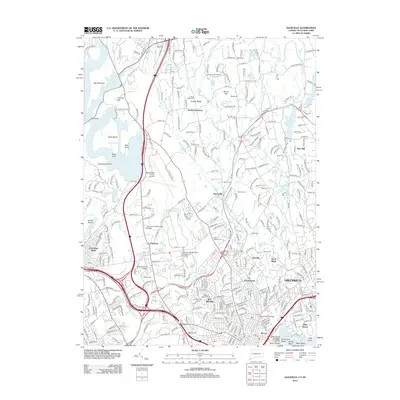 2012 Glenville2012 Print · USGSThe Connecticut and New York borderlands are shown here in detail during a period of modern suburban density and institutional growth. Researchers can find numerous local landmarks, from the Westchester County Airport to several small burial grounds like Quaker Ridge Cem and Putnam Cem.
 - 2015 Map of Glenville, 2015 Print
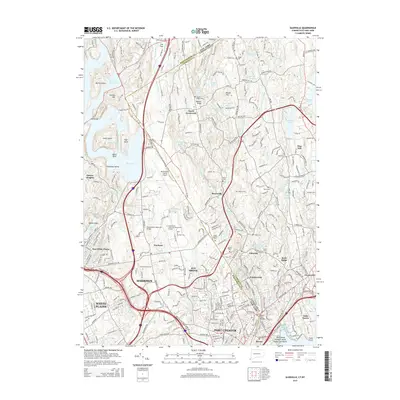 2015 Glenville2015 Print · USGSThe Connecticut-New York borderlands appear in high detail during the mid-2010s as suburban expansion meets established estate lands. Genealogists and local historians can trace legacy sites like Quaker Ridge Cem and Water Baptist Cem near Purchase and Riversville.
 - 2018 Map of Glenville, 2018 Print
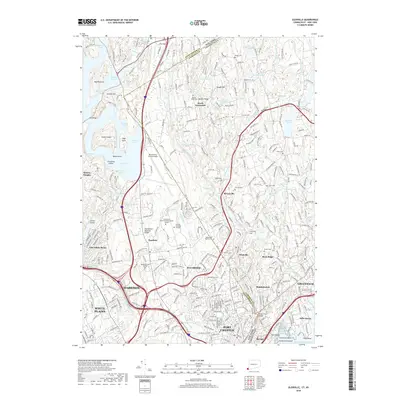 2018 Glenville2018 Print · USGSThe border country between Greenwich and White Plains is captured here in the late 2010s, showing a blend of academic campuses and historic hamlets. Researchers can trace local burial sites like Quaker Ridge Cem and Merritt Cem or explore the geography of Rye Lake.
 - 2021 Map of Glenville, 2021 Print
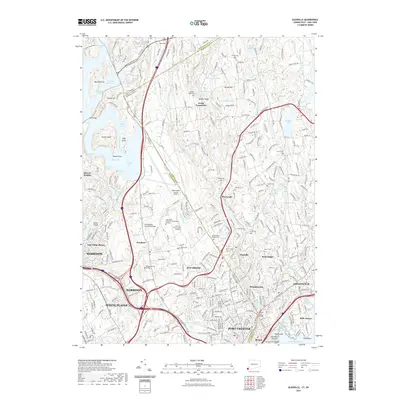 2021 Glenville2021 Print · USGSThe Westchester and Fairfield county border at the start of the 2020s shows a landscape of dense residential growth and historic preservation. Genealogists can trace family roots through numerous small burial grounds like King Street Baptist Cem and Brown Cem near the Byram River.
 - 2024 Map of Glenville, 2024 Print
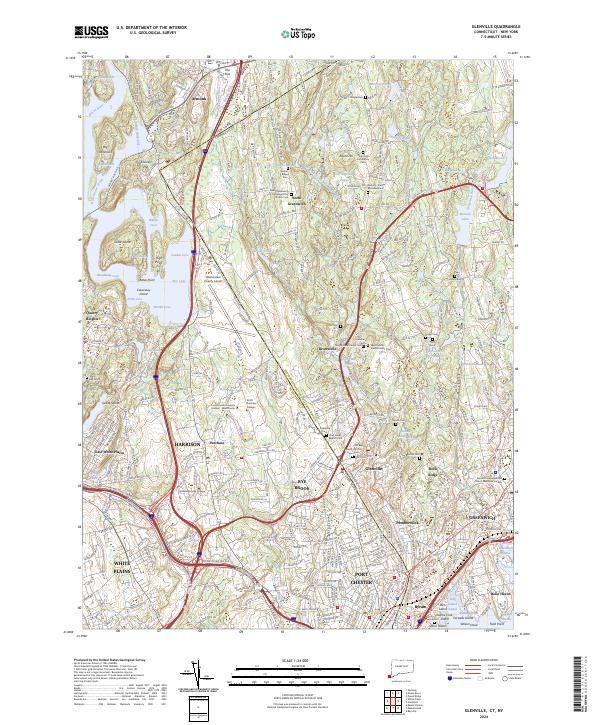 2024 Glenville2024 Print · USGSThe interstate borderlands of Fairfield and Westchester counties are mapped here in the modern era, showing where established estates meet institutional growth. Researchers can trace historic cemeteries like Round Hill Community Cem and Quaker Ridge Cem alongside landmarks such as Westchester County Airport.
End of results
Showing maps 1-17 of 17
Top cities near Pine Hill
- New York historical maps
- Oyster Bay historical maps
- North Hempstead historical maps
- Yonkers historical maps
- Huntington historical maps
- Stamford historical maps
See more
Frequently asked questions
- What are the different types of historical maps available for Pine Hill?
- What is the oldest map of Pine Hill?
- Where can I purchase historical maps of Pine Hill for my home or office?
- Where can I download high-res historical maps of Pine Hill?
- Are there historical topographic maps available for Pine Hill?
- Is there historical aerial imagery available for Pine Hill?
- Where are historical maps of Pine Hill sourced from?