1950s Maps of Citrus Springs, Florida
Explore 12 historic maps of Citrus Springs from the 1950s. These maps offer a rare glimpse into what life looked like during the 1950s — showing old roads, neighborhoods, homes, and landmarks that have changed or disappeared over time.
Whether you're researching your family's past, planning a metal detecting trip, or studying how Citrus Springs's landscape evolved across the 1950s, these high-resolution maps are a powerful tool for exploring the history of this region.
- Focus on a specific era: All maps on this page are from the 1950s, giving you a focused view of this time period.
- See what’s changed: Compare century-old streets, trails, and buildings to today's modern landscape using overlays and satellite layers.
- Research with precision: Use these maps for genealogy, historical research, land use analysis, or educational projects.
- View, download, or print: Maps are fully viewable online in high resolution, and can be downloaded or printed for your own records.
Start exploring Citrus Springs's history through authentic maps from the 1950s. This is your window into the past.
Citrus Springs, FL maps
(12)- 1954 Map of Holder, 1955 Print
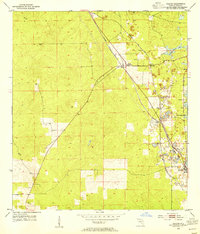 1954 Holder1955 Print · USGSPhosphate mining and dual rail lines define this Citrus County landscape in the mid-1950s. Researchers can trace the industrial corridor from Holder to Hernando, locating numerous Mine sites and the rural Burk Cem.3 unique versions available
 - 1954 Map of Crystal River, 1955 Print
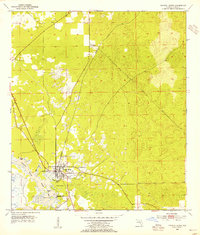 1954 Crystal River1955 Print · USGSCrystal River and its spring-fed tributaries are captured here in the mid-fifties, showing a coastal landscape shaped by rail and water. Researchers can trace the town's early grid, the Atlantic Coast Line railroad, and landmarks like Hunter Spring or Citronelle.3 unique versions available
 - 1954 Map of Dunnellon, 1955 Print
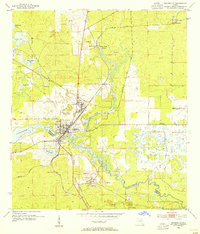 1954 Dunnellon1955 Print · USGSDunnellon and the surrounding phosphate mining district come into sharp focus in the mid-1950s. Trace the rail-and-river history of the region through the Atlantic Coast Line, the Rockwell Cem, and the Dunnellon Airport (Abandoned).3 unique versions available
 - 1954 Map of Yankeetown SE, 1955 Print
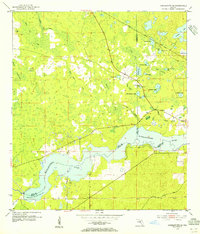 1954 Yankeetown SE1955 Print · USGSThe Florida hammock country comes into focus in the mid-1950s as the Withlacoochee River flows through the convergence of three counties. You can trace the Atlantic Coast Line rail route and locate secluded landmarks like Lebanon Cem and Dog Ear Cem.3 unique versions available
 - 1954 Map of Inverness, 1960 Print
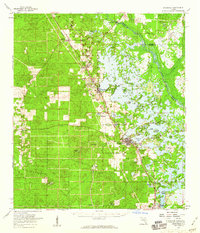 1954 Inverness1960 Print · USGSMid-century Citrus County is defined by the intricate wetlands and island communities of the lake region. Genealogists and historians can trace the paths of the Atlantic Coast Line through Hernando or locate the Dampier Cemetery and the Poor Farm Landing Field.2 unique versions available
 - 1954 Map of Dunnellon, 1960 Print
 1954 Dunnellon1960 Print · USGSDunnellon and rural Marion County appear in the mid-1950s as a landscape of phosphate mining, railroads, and fresh water springs. Genealogists and historians can trace family locations near Zion Hill Cem, Cotton Plant, and the Circle Square Ranch.
 - 1954 Map of Gainesville, 1965 Print
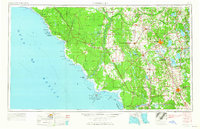 1954 Gainesville1965 Print · USGSMid-century North Central Florida comes into focus as a landscape of timber, rails, and river towns along the Gulf. Trace family roots in established centers like Gainesville or follow the path of the Suwannee River to the coastal docks of Cedar Key.3 unique versions available
 - 1955 Map of Plant City, 1966 Print
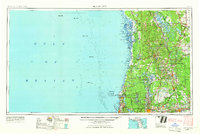 1955 Plant City1966 Print · USGSMid-century Central Florida comes to life in this survey of the Nature Coast and the inland citrus and rail belt. Genealogists and historians can trace the paths of the Atlantic Coast Line, locate the Anclote Keys Lighthouse, or find old communities like Masaryktown and Lacoochee.6 unique versions available
 - 1958 Map of Plant City
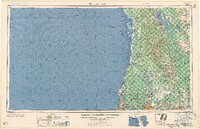 1958 Plant City1958 Print · USGSFlorida's Gulf Coast and inland ridge country are captured here in the mid-fifties, showing the region before modern sprawl. Genealogists and historians can trace rail-era towns like Richland and Trilby or locate coastal landmarks such as the Anclote Keys Lighthouse.
 - 1958 Map of Gainesville
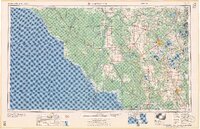 1958 Gainesville1958 Print · USGSNorth Central Florida’s rail and river networks are frozen in time just before the interstate era. Genealogists and historians can trace the paths of the Atlantic Coast Line through Gainesville or locate coastal settlements like Steinhatchee and Cedar Key.
 - 1959 Map of Plant City
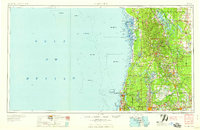 1959 Plant City1959 Print · USGSThe West Florida coast and inland timberlands are captured here in the late fifties, from the bend of the Gulf to the rail hubs of the interior. Trace the paths of the Atlantic Coast Line through Inverness and find landmarks like the Anclote Keys Lighthouse.
 - 1959 Map of Gainesville
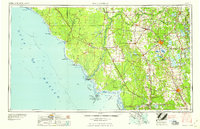 1959 Gainesville1959 Print · USGSNorth Florida in the mid-fifties is seen here from the Gulf coast to the inland lakes, showing the rail-and-river network before modern highways dominated. Researchers can trace the paths of the Seaboard Air Line through towns like Chiefland and Micanopy, or explore the coastal inlets of Waccasassa Bay.
End of results
Showing maps 1-12 of 12
Top cities near Citrus Springs
- Ocala historical maps
- Homosassa Springs historical maps
- Pine Ridge historical maps
- Beverly Hills historical maps
- Citrus Hills historical maps
- Hernando historical maps
See more
Frequently asked questions
- What are the different types of historical maps available for Citrus Springs?
- What is the oldest map of Citrus Springs?
- Where can I purchase historical maps of Citrus Springs for my home or office?
- Where can I download high-res historical maps of Citrus Springs?
- Are there historical topographic maps available for Citrus Springs?
- Is there historical aerial imagery available for Citrus Springs?
- Where are historical maps of Citrus Springs sourced from?