Old Maps of Post Oak, Georgia for Academic Research
Study the evolution of Post Oak with 18 high-resolution historic maps. Whether you're teaching, researching, or modeling changes in land use, these maps provide essential visual documentation of urban, environmental, and geographic change.
- Analyze long-term change: Track patterns in development, transportation, and natural features.
- Ideal for environmental or urban studies: Support academic projects with primary historical map data.
- Use in the classroom or lab: Educators and researchers rely on these maps to bring historical context to life.
These maps are a powerful tool for teaching, research, and visualizing how Post Oak has changed over the decades.
Post Oak, GA maps
(18)- 1886 Map of Ringgold
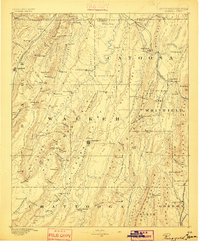 1886 Ringgold1886 Print · USGSNorthwest Georgia in the 1880s was a landscape of industrial river valleys and steep ridges defined by early rail lines. Local historians can trace family-named landmarks like Gilreath's Mill, the Trion Factory textile site, and the rural stop at Tap's Store.
 - 1892 Map of Ringgold
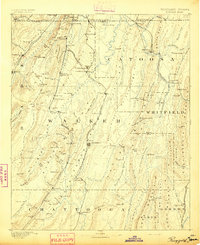 1892 Ringgold1892 Print · USGSNorth Georgia and the Tennessee border are mapped here in the late nineteenth century as the region transitioned into a post-war rail and tourism hub. Researchers can trace the early National Park boundaries, industrial Coal Mines, and vanished stops like High Point or Lisbon Sta..9 unique versions available
 - 1935 Map of East Ridge
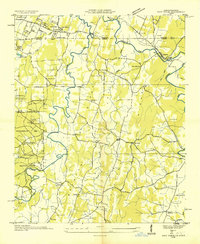 1935 East Ridge1935 Print · USGSThe Georgia-Tennessee borderlands appear here in the mid-1930s, showing the intersection of military history and rural development. You can trace the early layout of East Ridge and locate family landmarks like Lomemick Cem, Burning Bush Sch, and Boynton.
 - 1943 Map of East Ridge, 1957 Print
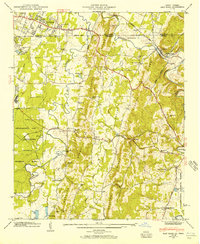 1943 East Ridge1957 Print · USGSThe Tennessee-Georgia borderlands come to life in the 1940s as a landscape of rural schools, family cemeteries, and military reservations. Genealogists can trace family roots through Lomenick Cem, Boynton, and landmarks like Burning Bush Sch.
 - 1946 Map of East Ridge, 1947 Print
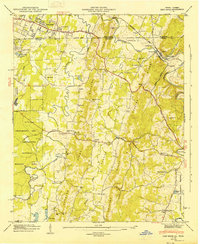 1946 East Ridge1947 Print · USGSThe Tennessee and Georgia borderlands come alive in the mid-forties as postwar expansion reaches into the ridges south of Chattanooga. Genealogists and historians can trace family sites like Newnan Spring Cem, old landmarks like Swanson Mill, and the early footprint of Lake Winnepesaukah.2 unique versions available
 - 1955 Map of Rome
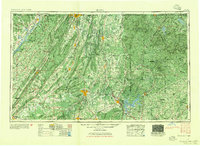 1955 Rome1955 Print · USGSThe tri-state borderlands of Georgia, Alabama, and Tennessee appear in the mid-fifties as a landscape of ridge-and-valley industry and river navigation. Genealogists can trace family footprints near Chattanooga, the iron works of Gadsden, and textile towns like Trion or Summerville.
 - 1958 Map of East Ridge, 1959 Print
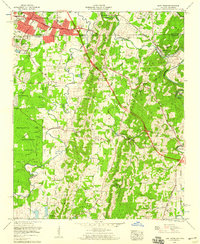 1958 East Ridge1959 Print · USGSCrossing the Tennessee and Georgia border in the late fifties, this area shows the development around East Ridge and the National Military Park. Genealogists can trace family landmarks like Newman Springs Cem, Shiloh Ch, and Swanson Mill.2 unique versions available
 - 1958 Map of Rome, 1966 Print
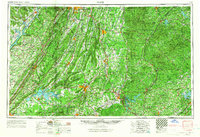 1958 Rome1966 Print · USGSNorthwest Georgia and neighboring Tennessee and Alabama are captured here in the late fifties, showcasing a landscape of high ridges and river valleys. Researchers can trace historic rail lines like the Seaboard Air Line RR and explore the bounds of Cloudland Canyon State Park or Fort Oglethorpe.3 unique versions available
 - 1961 Map of Rome
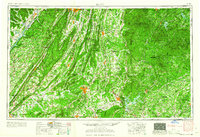 1961 Rome1961 Print · USGSNorthwest Georgia and neighboring Tennessee and Alabama are shown here at a moment of significant mid-century growth. Researchers can trace the rail networks of the Central of Georgia or locate landmarks within Chickamauga and Chattanooga Nat Military Park.
 - 1963 Map of Rome
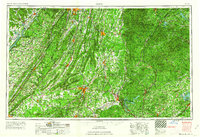 1963 Rome1963 Print · USGSThe tri-state corner of Georgia, Alabama, and Tennessee is captured here during a period of massive reservoir expansion and post-war growth. Genealogists and historians can trace the rail corridors of the Southern Ry or locate landmarks like Fort Oglethorpe and Cloudland Canyon State Park.
 - 1969 Map of East Ridge, 1970 Print
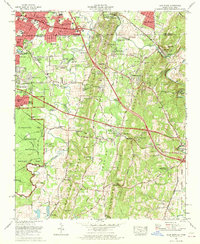 1969 East Ridge1970 Print · USGSThe Tennessee-Georgia borderlands are captured here in the late sixties as suburban expansion meets Civil War history. Genealogists can trace family landmarks like Lomenick Cem, Spring Creek Church, and the original path of the Dixie Highway.2 unique versions available
 - 1981 Map of Chickamauga, 1982 Print
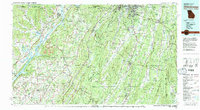 1981 Chickamauga1982 Print · USGSThe tri-state border region of Georgia, Alabama, and Tennessee comes into focus during the early eighties, defined by the towering ridges of the Appalachians. Historians can trace the preserved grounds of Chickamauga and Chattanooga National Military Park and old rail stops like Rising Fawn or Sulphur Springs.2 unique versions available
 - 1982 Map of East Ridge, 1983 Print
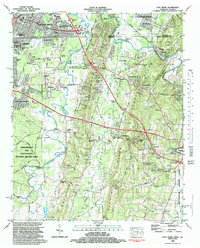 1982 East Ridge1983 Print · USGSThe Tennessee-Georgia borderlands come into focus in the early eighties as suburban growth meets preserved Civil War grounds. Genealogists and historians can locate old family plots and rural landmarks like Dietz Cem, Swanson Mill, and the Shiloh Ch.2 unique versions available
 - 2011 Map of East Ridge, 2011 Print
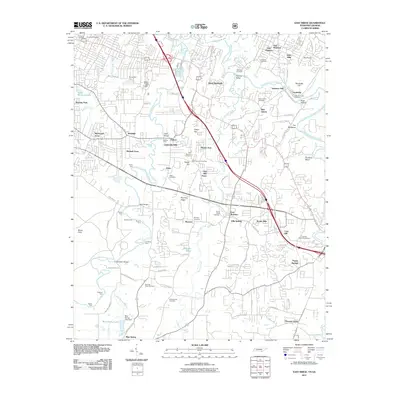 2011 East Ridge2011 Print · USGSThe Tennessee-Georgia borderlands come into focus in 2011, showing the suburban growth and historical landmarks of the Chattanooga area. Researchers can trace family sites near Burning Bush Cemetery, historic creek crossings like Daffron Ford, and the shores of Lake Winnepesauka.
 - 2013 Map of East Ridge, 2013 Print
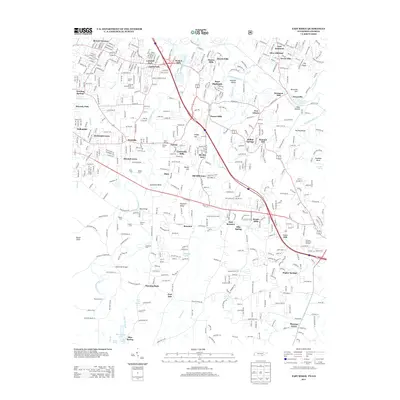 2013 East Ridge2013 Print · USGSThe Tennessee-Georgia borderlands near Chattanooga come alive in this map, showing the dense suburban development and river crossings of the early twenty-first century. Genealogists and local historians can trace family roots through landmarks like Catoosa Memorial Gardens and numerous historic river fords such as Reeds Ford and Lamberts Ford.
 - 2016 Map of East Ridge, 2016 Print
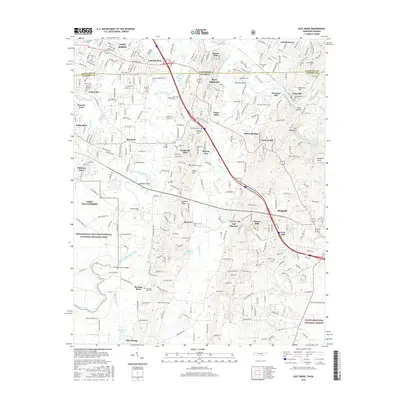 2016 East Ridge2016 Print · USGSThe Tennessee-Georgia borderlands near Ringgold come into focus here during a period of suburban expansion and historical preservation. Genealogists can trace family heritage through numerous burial grounds like Old Post Oak Cem or explore Civil War sites near Alexander Bridge and Fort Oglethorpe.
 - 2019 Map of East Ridge, 2019 Print
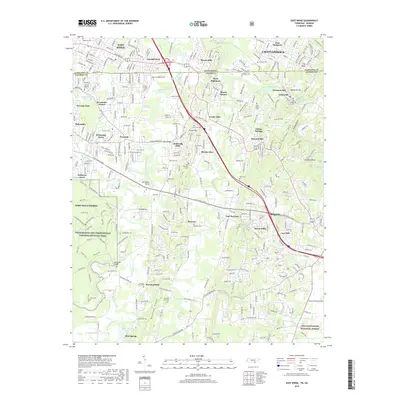 2019 East Ridge2019 Print · USGSThe Tennessee-Georgia borderlands near Chattanooga are mapped here in the late 2010s, showing a blend of military history and modern suburban growth. Genealogists and historians can locate legacy sites like Swanson Mill, Old Post Oak Cem, and Alexander Bridge along West Chickamauga Creek.
 - 2022 Map of East Ridge, 2022 Print
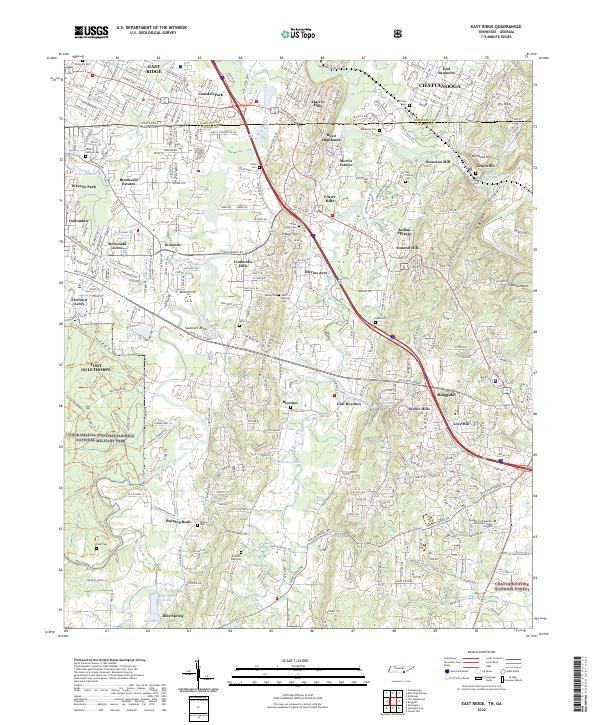 2022 East Ridge2022 Print · USGSSpanning the Tennessee-Georgia line in the 2020s, this survey detail shows the expansion of residential communities around the famous civil war battlegrounds. Researchers can locate several historic burial sites like Graysville Cem and Hale Cem near the winding West Chickamauga Creek.
End of results
Showing maps 1-18 of 18
Top cities near Post Oak
- Chattanooga historical maps
- Dalton historical maps
- East Ridge historical maps
- East Ridge historical maps
- Fort Oglethorpe historical maps
- Collegedale historical maps
See more
Frequently asked questions
- What are the different types of historical maps available for Post Oak?
- What is the oldest map of Post Oak?
- Where can I purchase historical maps of Post Oak for my home or office?
- Where can I download high-res historical maps of Post Oak?
- Are there historical topographic maps available for Post Oak?
- Is there historical aerial imagery available for Post Oak?
- Where are historical maps of Post Oak sourced from?