Old Maps of Gilmer County, Georgia for Metal Detecting
Plan your next treasure hunt with 114 historic maps of Gilmer County. Find old homesites, ghost towns, trails, and gathering spots that may be lost to time — perfect for identifying promising metal detecting locations.
- Locate forgotten sites: Uncover places like long-lost settlements, abandoned rail lines, or gathering spots.
- Plan better hunts: Use map overlays combined with LiDAR or satellite views to narrow in on historically rich areas.
- Made for detectorists: Thousands of hobbyists use these maps to discover relics, coins, and hidden history.
Use these historic maps to boost your research and find new opportunities beneath the surface of Gilmer County.
Gilmer County, GA maps
(114)- 1886 Map of Dalton
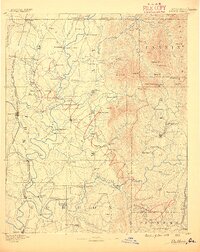 1886 Dalton1886 Print · USGSNorthwest Georgia in the 1880s is a landscape of mountain gaps and vital river ferries. Trace family roots and vanished infrastructure from Dalton to Spring Place, including named landmarks like Shackelfords Ferry and Fort Mountain.
 - 1888 Map of Ellijay
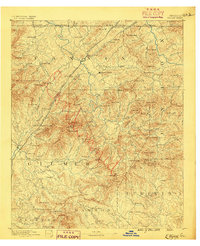 1888 Ellijay1888 Print · USGSNorth Georgia in the late 1880s was a land of high peaks and emerging rail lines as the mountains were first being methodically surveyed. You can trace the Marietta and North Georgia Railroad through Blue Ridge and locate vanished stops like Vanzants Store or the rural community of Cherry Log.
 - 1892 Map of Ellijay
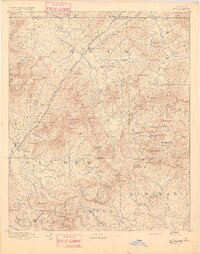 1892 Ellijay1892 Print · USGSNorth Georgia's mountain communities were primarily connected by river valleys and the winding Marietta and North Georgia Railroad in the late nineteenth century. Genealogists can trace early homesteads and centers of trade like Vanzant's Store, Mineral Bluff, and Cherry Log.
 - 1892 Map of Dalton
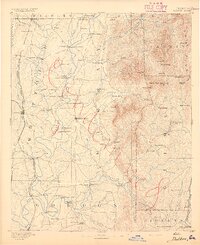 1892 Dalton1892 Print · USGSNorthwest Georgia in the late nineteenth century was defined by its river crossings and the emerging rail lines through Dalton. Researchers can trace the Federal Road and locate family landmarks like Newtown Ferry or Talking Rock Mills.
 - 1897 Map of Dalton
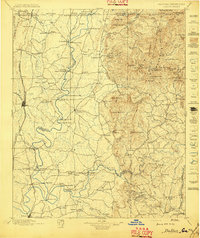 1897 Dalton1897 Print · USGSNorthwest Georgia in the late nineteenth century was a rugged landscape of river crossings and mountain gaps. Genealogists can trace early homesteads and commerce at Praters Mill, Spring Place, and historic river crossings like Montgomery Ferry.4 unique versions available
 - 1898 Map of Ellijay
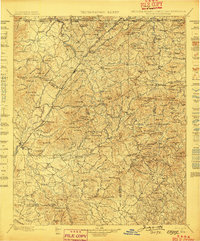 1898 Ellijay1898 Print · USGSNorth Georgia’s mountain country is captured here in the late nineteenth century, showing the early development of Gilmer and Fannin counties. Genealogists can trace family homesteads near old river crossings like Centers Ferry and settlements such as Mineral Bluff and Whitepath.2 unique versions available
 - 1911 Map of Ellijay
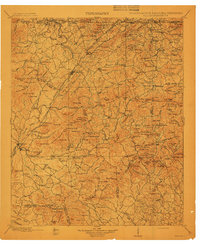 1911 Ellijay1911 Print · USGSNorth Georgia and the Tennessee border are captured here at the turn of the century, showing a mountain landscape of river ferries and early rail. Genealogists can locate family landmarks like Higdons Store, the Pisgah church, or crossings at Bakers Ferry and Shallow Ford.4 unique versions available
 - 1911 Map of Cohutta Mtn
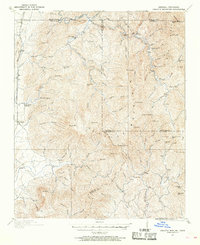 1911 Cohutta Mtn1911 Print · USGSThe Georgia-Tennessee borderlands in the early twentieth century were defined by mountain rail and timber. Genealogists can trace family roots through settlements like Tennga and Crandall or locate historic operations like Hassler Mill along the rail line.2 unique versions available
 - 1913 Map of Cohutta Mtn.
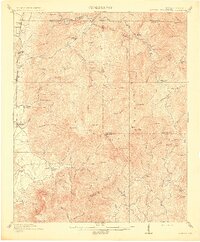 1913 Cohutta Mtn.1913 Print · USGSThe Georgia and Tennessee borderlands appear here in the years before the Great Depression, centered on the high peaks of the Blue Ridge. Researchers can trace early railroad life along the Louisville & Nashville RR or locate old sites like Cohutta Springs and Hassler Mill.3 unique versions available
 - 1914 Map of Talking Rock, 1960 Print
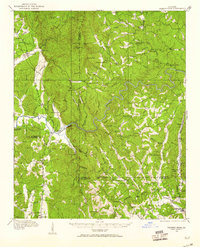 1914 Talking Rock1960 Print · USGSThe foothills of North Georgia are captured here before the mid-century, showing the early communities of Talking Rock and Whitestone along the Louisville and Nashville rail line. Researchers can trace family sites at Ball Creek School, locate river crossings like McClouds Ford, and follow the historic FEDERAL ROAD.2 unique versions available
 - 1916 Map of Talking Rock
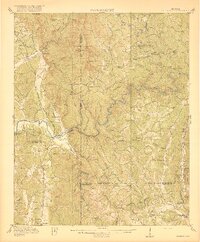 1916 Talking Rock1916 Print · USGSNorth Georgia in the years before the Great War is defined by the winding Coosawattee River and the historic Federal Road. Genealogists can trace family landmarks like Cairns Mill, Clouds Ford, and the old Ball Creek School.2 unique versions available
 - 1935 Map of Noontootla
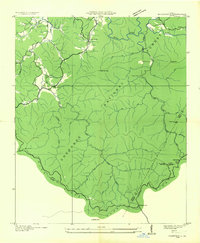 1935 Noontootla1935 Print · USGSNorth Georgia's mountain ridges and valley settlements are captured here in the mid-1930s as the Tennessee Valley Authority and USGS surveyed the region. Researchers can trace the early APPALACHIAN TRAIL past the FIRE TOWER on Hawk Mtn and locate sites like Stock Hill Ch or the Rock Creek Cem.
 - 1935 Map of Cashes Valley
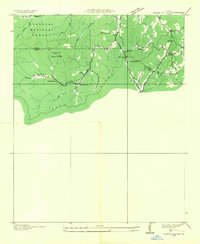 1935 Cashes Valley1935 Print · USGSCashes Valley and the North Georgia mountains come alive in this mid-1930s survey of the Fannin and Gilmer borderlands. Genealogists can trace family footprints near Cashes Valley Ch, Madola Sch, and the isolated homesteads along Fightingtown Creek.
 - 1935 Map of Lake Toccoa
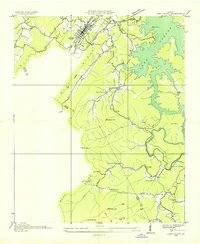 1935 Lake Toccoa1935 Print · USGSNorth Georgia’s mountain and river life is preserved here during the mid-1930s transition into the hydroelectric era. Researchers can trace family roots through the numerous rural schools and churches, such as Stanley Creek Sch, Union Ch, and landmarks like Stanley Mill.
 - 1935 Map of Tickanetley
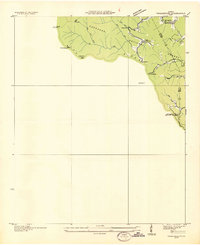 1935 Tickanetley1935 Print · USGSHigh in the Blue Ridge mountains during the mid-1930s, this survey captures the rural crossroads of Gilmer and Fannin counties. Genealogists can trace early landmarks like Big Creek Ch, Stanley Mill, and the combined Mathis Chapel Sch.
 - 1946 Map of Tickanetley, 1956 Print
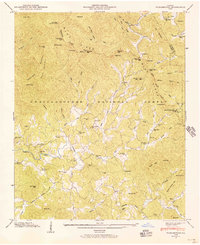 1946 Tickanetley1956 Print · USGSGilmer and Fannin counties in the mid-1940s reveal a landscape of mountain settlements and high-altitude lookouts. Genealogists can trace family roots through Scrougetown Cem, New Liberty Ch, and schools like Twiggs Sch or Salem Sch.2 unique versions available
 - 1946 Map of Cashes Valley, 1956 Print
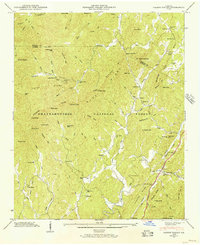 1946 Cashes Valley1956 Print · USGSGilmer and Fannin counties are shown here just after the war, when mountain life followed the ridges and creek beds. Genealogists can trace family names at Johnson Cem, visit Higdon Mill, or follow the Louisville and Nashville tracks through Cherrylog.3 unique versions available
 - 1946 Map of Noontootla, 1956 Print
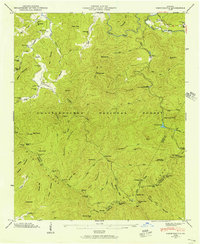 1946 Noontootla1956 Print · USGSFannin County's high ridges and river headwaters are captured here just after the war, showing the mountain communities before modern development. Genealogists and hikers can trace the original Appalachian Trail route past Springer Mtn and locate old landmarks like Noontootla Ch and Bunker Hill Sch.2 unique versions available
 - 1946 Map of Blue Ridge, 1960 Print
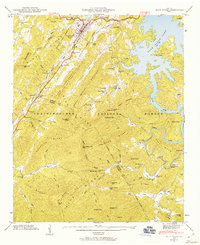 1946 Blue Ridge1960 Print · USGSFannin and Gilmer Counties are captured here shortly after the war, showing the mountain communities of the Chattahoochee National Forest before modern expansion. Researchers can trace the roots of local families through the many rural landmarks like Cherrylog Church, Ballew Mill, and Snake Nation School.3 unique versions available
 - 1947 Map of Lake Toccoa
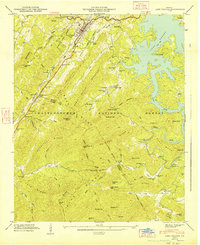 1947 Lake Toccoa1947 Print · USGSFannin and Gilmer counties are captured here shortly after the war, showing the mountain communities and logging routes of North Georgia. Researchers can trace family sites like Antioch Cemetery, find old industrial locations including Greens Mill, or locate the historic Shallowford Bridge.2 unique versions available
 - 1947 Map of Tickanetley
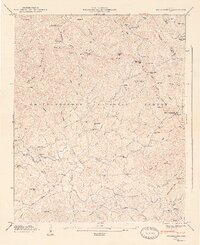 1947 Tickanetley1947 Print · USGSNorth Georgia’s high ridges and mountain hollows are captured here just after the war, showing a landscape of small schools and isolated churches. Genealogists can trace family roots through landmarks like Mathis Chapel School, the Pisgah (PO), and Stanley Mill.2 unique versions available
 - 1947 Map of Noontootla
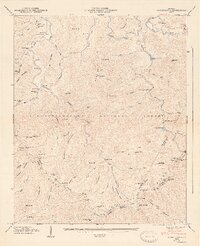 1947 Noontootla1947 Print · USGSFannin County's high ridges and quiet hollows are captured here in the late Forties, showing a landscape of small settlements and national forest land. Researchers can find ancestral sites like Noontootla Ch, Wilson Mill, and the Appalachian Trail as it crossed Big Stamp Gap.2 unique versions available
 - 1947 Map of Cashes Valley, 1948 Print
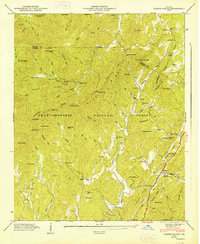 1947 Cashes Valley1948 Print · USGSNorth Georgia mountain life is preserved here just after the war, showing a network of remote hollows and high ridges. Researchers can trace family history through the Johnson Cem, find old schoolhouses like Macedonia Sch, or follow the Tennessee and North Carolina Railroad.2 unique versions available
 - 1955 Map of Rome
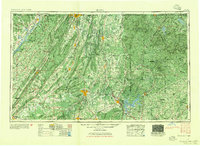 1955 Rome1955 Print · USGSThe tri-state borderlands of Georgia, Alabama, and Tennessee appear in the mid-fifties as a landscape of ridge-and-valley industry and river navigation. Genealogists can trace family footprints near Chattanooga, the iron works of Gadsden, and textile towns like Trion or Summerville.
 - 1958 Map of Rome, 1966 Print
 1958 Rome1966 Print · USGSNorthwest Georgia and neighboring Tennessee and Alabama are captured here in the late fifties, showcasing a landscape of high ridges and river valleys. Researchers can trace historic rail lines like the Seaboard Air Line RR and explore the bounds of Cloudland Canyon State Park or Fort Oglethorpe.3 unique versions available
Showing maps 1-25 of 114
Top cities of Gilmer County
Frequently asked questions
- What are the different types of historical maps available for Gilmer County?
- What is the oldest map of Gilmer County?
- Where can I purchase historical maps of Gilmer County for my home or office?
- Where can I download high-res historical maps of Gilmer County?
- Are there historical topographic maps available for Gilmer County?
- Is there historical aerial imagery available for Gilmer County?
- Where are historical maps of Gilmer County sourced from?