Old Maps of Jones County, Georgia for Academic Research
Study the evolution of Jones County with 98 high-resolution historic maps. Whether you're teaching, researching, or modeling changes in land use, these maps provide essential visual documentation of urban, environmental, and geographic change.
- Analyze long-term change: Track patterns in development, transportation, and natural features.
- Ideal for environmental or urban studies: Support academic projects with primary historical map data.
- Use in the classroom or lab: Educators and researchers rely on these maps to bring historical context to life.
These maps are a powerful tool for teaching, research, and visualizing how Jones County has changed over the decades.
Jones County, GA maps
(98)- 1951 Map of Forsyth, 1953 Print
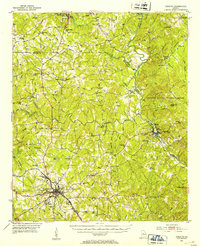 1951 Forsyth1953 Print · USGSThe Monroe County seat and the Ocmulgee River corridor are captured here during the early fifties, showing a landscape defined by rail-fed industry and deep-rooted rural communities. Genealogists can locate family landmarks like Brighton Mills, Bessie Tift College, and the riverside settlement of Juliette.3 unique versions available
 - 1953 Map of Athens, 1966 Print
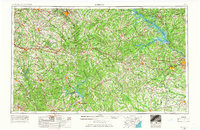 1953 Athens1966 Print · USGSGeorgia's Piedmont and Savannah River borderlands come alive in this mid-century survey of the region surrounding Athens and Augusta. Trace the rail-and-river economy through the Georgia RR and landmarks like the Fort Gordon Military Reservation.3 unique versions available
 - 1956 Map of Gordon, 1957 Print
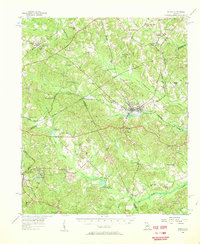 1956 Gordon1957 Print · USGSWilkinson County and its neighbors are shown in the mid-fifties during a peak era of clay mining and rail transport. Researchers can trace family roots through numerous rural sites like Myricks Mill, Stevens Pottery, and Tarrance Chapel Sch.
 - 1956 Map of Macon East, 1958 Print
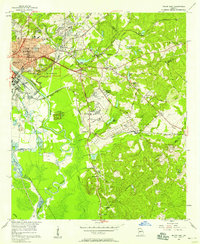 1956 Macon East1958 Print · USGSThe outskirts of Macon in the late fifties reveal a landscape of ancient mounds, growing suburbs, and industrial strip mines. Genealogists and historians can locate family landmarks like Ft Hawkins Cem, old schools such as Hall Sch, and the grounds of the Ocmulgee National Monument.4 unique versions available
 - 1956 Map of Macon, 1959 Print
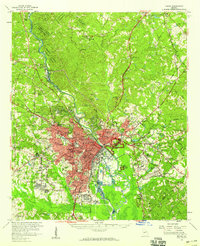 1956 Macon1959 Print · USGSMacon and the Ocmulgee river valley are shown in detail during the mid-fifties as the city expanded its industrial and academic footprint. Genealogists can locate family landmarks from Lundies Chapel to the Georgia Industrial Home and the earthworks at Ocmulgee National Monument.3 unique versions available
 - 1957 Map of Macon
 1957 Macon1957 Print · USGSMid-century Georgia comes into focus as the river-and-rail economy shifts toward a new era of aviation and highway travel. Trace family roots and vanished landmarks across the Ocmulgee River valley from Macon to the onion fields of Vidalia.
 - 1958 Map of Macon
 1958 Macon1958 Print · USGSMiddle Georgia during the late fifties shows the post-war expansion of Warner Robins alongside the deep-rooted rail hubs of the Central of Georgia line. Researchers can trace the river-bound boundaries of numerous counties and find local landmarks like Veterans Memorial Hospital and Robins AFB.
 - 1958 Map of Athens
 1958 Athens1958 Print · USGSNorth-central Georgia and the Savannah River valley are captured in the late fifties, showing the region as the new reservoirs were filling. Researchers can trace historic rail lines like the Georgia RR and locate rural landmarks such as Social Circle, Graves Mountain, and the Fort Gordon Military Reservation.
 - 1959 Map of Athens
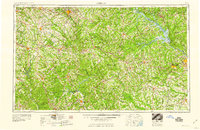 1959 Athens1959 Print · USGSNortheast Georgia and the South Carolina borderlands appear here in the mid-fifties, during a decade of infrastructure growth. Genealogists and historians can trace the rail-and-river geography of towns like Social Circle, the sprawl of Fort Gordon Military Reservation, and the newly formed Clark Hill Reservoir.
 - 1963 Map of Athens
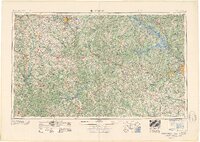 1963 Athens1963 Print · USGSGeorgia's Piedmont and the Savannah River valley are captured in the early sixties as major reservoirs and military installations reshaped the landscape. Researchers can trace the development of Clark Hill Reservoir, locate the Fort Gordon Military Reservation, and find historic towns like Social Circle and Eatonton.
 - 1964 Map of Macon
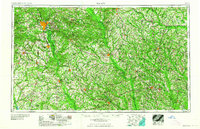 1964 Macon1964 Print · USGSCentral Georgia in the mid-sixties is defined by its major river valleys and a booming military presence. Genealogists and historians can trace the growth of Warner Robins near Robins AFB or locate smaller rural junctions like Allentown and Jeffersonville along the historic Southern railroad lines.2 unique versions available
 - 1964 Map of Gray, 1965 Print
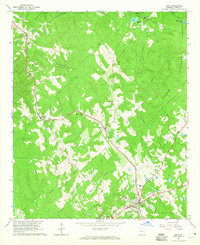 1964 Gray1965 Print · USGSJones County's landscape in the mid-1960s is defined by the intersection of the Oconee National Forest and the Central of Georgia rail line. Researchers can locate community anchors like the Bradley-Wayside Sch and Stewart Chapel, alongside the developing township of Gray.2 unique versions available
 - 1964 Map of Dames Ferry, 1965 Print
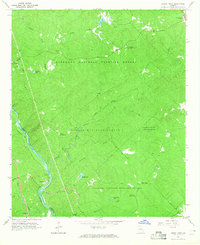 1964 Dames Ferry1965 Print · USGSThe Ocmulgee River corridor in the mid-1960s shows a landscape transitioning between working riverfront and protected federal forest. Researchers can trace rural church sites and family cemeteries like Zion Hill Ch and Little Rock Cem near the river crossing at Dames Ferry.2 unique versions available
 - 1964 Map of Stanfordville, 1965 Print
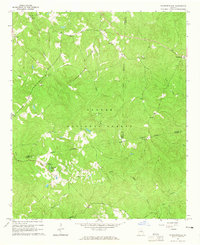 1964 Stanfordville1965 Print · USGSJasper and Putnam counties are seen here in the mid-1960s, a time when the forestry and recreation of the Piedmont defined local life. Genealogists and historians can trace community roots through Mt Carmel Ch, Goolsby, and the Union Hill Ch Cem.3 unique versions available
 - 1964 Map of Hillsboro, 1965 Print
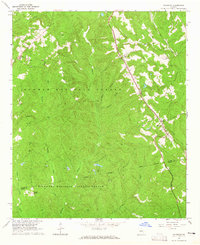 1964 Hillsboro1965 Print · USGSJasper County was a landscape of rail-connected hamlets and federal timberlands during the mid-sixties. Genealogists and historians can trace the Central of Georgia line through Adgateville and Hillsboro, or locate family landmarks like Rock Zion Ch.3 unique versions available
 - 1973 Map of East Juliette, 1975 Print
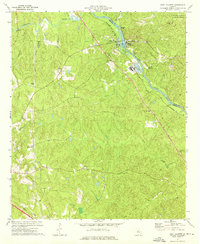 1973 East Juliette1975 Print · USGSThe riverfront communities of Juliette and East Juliette are shown during the 1970s at the junction of the Ocmulgee and Towaliga rivers. Researchers can trace rural life through numerous landmarks like Browns Chapel, Bethesda Ch, and Holly Grove Cem.
 - 1973 Map of Berner, 1975 Print
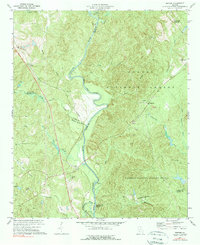 1973 Berner1975 Print · USGSCentral Georgia's river-cut timberlands are captured here in the early seventies, showing the rural communities of Jasper and Butts counties. Genealogists and historians can trace the Southern railroad corridor through Berner and locate country congregations like Ward Ch.2 unique versions available
 - 1973 Map of Gordon, 1977 Print
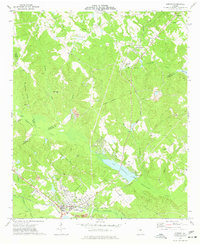 1973 Gordon1977 Print · USGSWilkinson County industries and rural rail stops are in focus during the early seventies. Genealogists and historians can trace family locations near Stevens Pottery, Lake Tchutolako, and several country churches like Emmanuel Ch or Smith Chapel.2 unique versions available
 - 1973 Map of Macon NE, 1977 Print
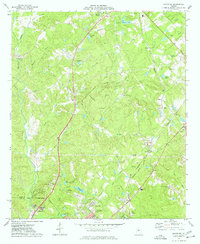 1973 Macon NE1977 Print · USGSJones County and the northern outskirts of Macon are shown here in the mid-seventies as suburban growth began to meet established rural crossroads. Researchers can trace family history through the Mattie Wells Sch and numerous burial sites like Harris Cem and Stiles Cem.2 unique versions available
 - 1973 Map of Macon NW, 1977 Print
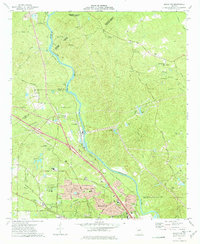 1973 Macon NW1977 Print · USGSThe Ocmulgee River corridor north of Macon shows a landscape of river-bend settlements and expanding suburbs in the early seventies. Genealogists and local historians can trace family landmarks like Sardis Cem, the rural outpost at Popes Ferry, and Wesleyan College.2 unique versions available
 - 1973 Map of James, 1977 Print
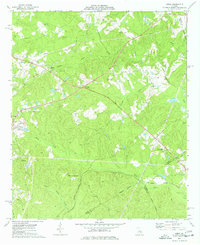 1973 James1977 Print · USGSJones and Wilkinson counties come into focus in the 1970s as rural communities thrive along the Central of Georgia railroad. Researchers can trace ancestral roots through small settlements like Lewiston, find local landmarks such as Mountain Springs, and locate several rural churches including New Salem Ch.2 unique versions available
 - 1973 Map of Dry Branch, 1977 Print
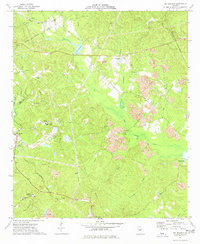 1973 Dry Branch1977 Print · USGSTwiggs County's kaolin mining landscape and rural crossroads are captured here in the early 1970s. Trace local family roots at Nelson Cem or explore industrial history through the sprawling Clay Pits and the historic site of Myricks Mill.2 unique versions available
 - 1978 Map of Resseaus Crossroads
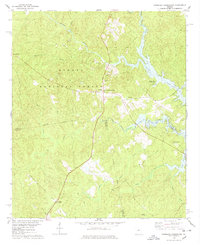 1978 Resseaus Crossroads1978 Print · USGSPutnam and Jones counties appear here in the late seventies as the recreation-driven economy of the reservoir began to shape the landscape. Researchers can trace old family sites near Resseaus Crossroads, Pierce Chapel Ch, and the shores of Lake Sinclair.3 unique versions available
 - 1978 Map of Haddock
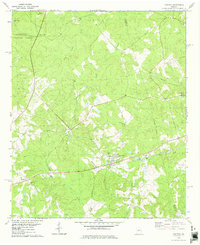 1978 Haddock1978 Print · USGSJones County's rural communities and small-town crossroads are captured here in the late seventies as the region balanced forestry and small-scale development. Genealogists and historians can locate family burial sites and country churches like Fortville Cem, Mt Zion Ch Cem, and Blountsville.
 - 1978 Map of Macon, 1980 Print
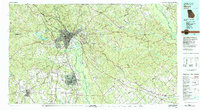 1978 Macon1980 Print · USGSCentral Georgia during the late seventies reveals a landscape shaped by military expansion and clay mining. Genealogists and local historians can trace the development of Warner Robins, the grounds of Wesleyan College, and the rural surroundings of Griswoldville.2 unique versions available
Showing maps 1-25 of 98
Top cities of Jones County
Frequently asked questions
- What are the different types of historical maps available for Jones County?
- What is the oldest map of Jones County?
- Where can I purchase historical maps of Jones County for my home or office?
- Where can I download high-res historical maps of Jones County?
- Are there historical topographic maps available for Jones County?
- Is there historical aerial imagery available for Jones County?
- Where are historical maps of Jones County sourced from?