Old Maps of Hephzibah, Augusta for Academic Research
Study the evolution of Hephzibah with 37 high-resolution historic maps. Whether you're teaching, researching, or modeling changes in land use, these maps provide essential visual documentation of urban, environmental, and geographic change.
- Analyze long-term change: Track patterns in development, transportation, and natural features.
- Ideal for environmental or urban studies: Support academic projects with primary historical map data.
- Use in the classroom or lab: Educators and researchers rely on these maps to bring historical context to life.
These maps are a powerful tool for teaching, research, and visualizing how Hephzibah has changed over the decades.
Hephzibah, Augusta maps
(37)- 1919 Map of Gough
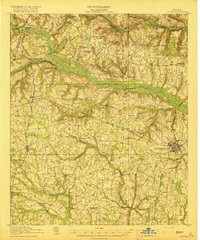 1919 Gough1919 Print · USGSEastern Georgia's rural landscape is captured here in the years following the Great War, showing a territory defined by railroad junctions and small community centers. Genealogists can locate family landmarks such as Boggs Academy, Hopeful Church, and the depot at Gough.3 unique versions available
 - 1922 Map of Hephzibah
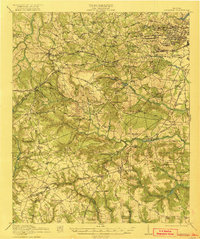 1922 Hephzibah1922 Print · USGSRichmond County at the end of the First World War shows a landscape defined by military mobilization and deep-rooted rural communities. Local historians can trace the sprawling Camp Hancock cantonment or locate family landmarks like Palmer Academy and Hephzibah.3 unique versions available
 - 1948 Map of Hephzibah
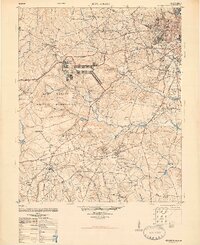 1948 Hephzibah1948 Print · USGSRichmond County and the Augusta suburbs are seen here during the late 1940s as military footprints like Camp Gordon began to reshape the landscape. Genealogists and local historians can locate dozens of country churches and rural cemeteries, from the Albion-Kaolin Chalk Mine to the Georgia Training School Farm.2 unique versions available
 - 1948 Map of Gough
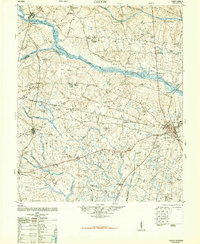 1948 Gough1948 Print · USGSMid-century Burke County is a landscape of rural schoolhouses and family-named mills as the post-war era began. Genealogists can trace family roots through sites like Boggs Academy, Noah's Ark Church & Cem, and Dyes Crossroads.2 unique versions available
 - 1948 Map of Blythe, 1964 Print
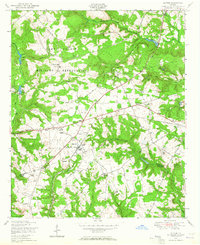 1948 Blythe1964 Print · USGSBlythe and the surrounding Richmond County countryside appear here just after the war, showing a landscape of small family farms and rural schools. Researchers can trace local genealogy through sites like Doyle Grove Church and School, the Saxon Cemetery, and the Camp Gordon Military Reservation boundary.4 unique versions available
 - 1950 Map of Hephzibah
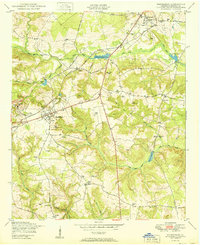 1950 Hephzibah1950 Print · USGSRichmond County in the early post-war era reveals a landscape of kaolin mining and deep-rooted rural communities. Researchers can trace family history through a wealth of landmarks like Albion Kaolin Chalk Mine, Adams Grove Church, and Bugs Cemetery.
 - 1950 Map of Storys Millpond
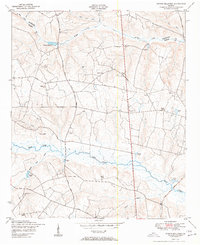 1950 Storys Millpond1950 Print · USGSEastern Georgia's rural Burke County landscape is documented here in the mid-twentieth century, showing a community built around local churches and watermills. Family researchers can trace ancestral ties through sites like Gresham Cemetery, Winters School, and Storys Millpond.2 unique versions available
 - 1950 Map of Keysville
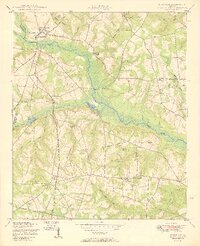 1950 Keysville1950 Print · USGSBrier Creek and the surrounding farm country of Burke and Jefferson counties are shown here just after the war. Genealogists and historians can trace family-named sites like Pol Hill Cemetery, the Boggs Academy campus, and rural centers like Keysville and St Clair.2 unique versions available
 - 1953 Map of Blythe
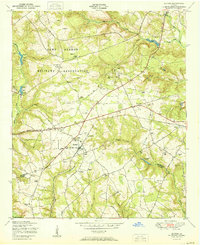 1953 Blythe1953 Print · USGSBlythe and the surrounding Georgia countryside are captured here in the early postwar era as military expansion met traditional rural life. Genealogists and local researchers can trace family landmarks like Rachels Cemetery, Hoods Chapel School, and the settlement at Ellwood.
 - 1953 Map of Athens, 1966 Print
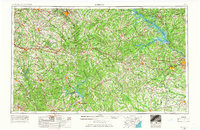 1953 Athens1966 Print · USGSGeorgia's Piedmont and Savannah River borderlands come alive in this mid-century survey of the region surrounding Athens and Augusta. Trace the rail-and-river economy through the Georgia RR and landmarks like the Fort Gordon Military Reservation.3 unique versions available
 - 1957 Map of Hephzibah, 1960 Print
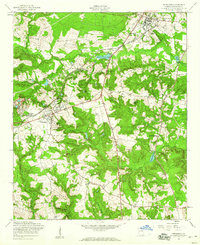 1957 Hephzibah1960 Print · USGSHephzibah and southern Richmond County are shown in the late fifties, during a decade of post-war change. Genealogists can trace family lines through numerous rural landmarks like Chalk Mine Mem Ch, Graham Sch, and the Georgia and Florida rail line.3 unique versions available
 - 1957 Map of Hephzibah, 1961 Print
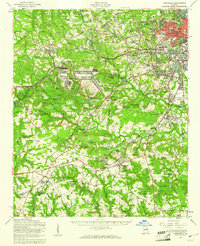 1957 Hephzibah1961 Print · USGSThe outskirts of Augusta and the expanding Fort Gordon military site characterize this mid-century look at Richmond County. Local historians can trace old family sites and rural institutions like Hancock Millpond, Second Ebenezer Ch, and the State Training School.2 unique versions available
 - 1958 Map of Athens
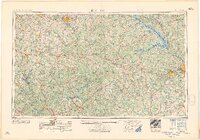 1958 Athens1958 Print · USGSNorth-central Georgia and the Savannah River valley are captured in the late fifties, showing the region as the new reservoirs were filling. Researchers can trace historic rail lines like the Georgia RR and locate rural landmarks such as Social Circle, Graves Mountain, and the Fort Gordon Military Reservation.
 - 1959 Map of Athens
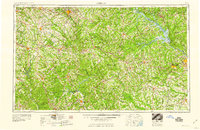 1959 Athens1959 Print · USGSNortheast Georgia and the South Carolina borderlands appear here in the mid-fifties, during a decade of infrastructure growth. Genealogists and historians can trace the rail-and-river geography of towns like Social Circle, the sprawl of Fort Gordon Military Reservation, and the newly formed Clark Hill Reservoir.
 - 1963 Map of Athens
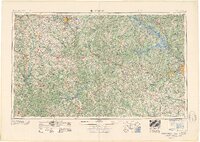 1963 Athens1963 Print · USGSGeorgia's Piedmont and the Savannah River valley are captured in the early sixties as major reservoirs and military installations reshaped the landscape. Researchers can trace the development of Clark Hill Reservoir, locate the Fort Gordon Military Reservation, and find historic towns like Social Circle and Eatonton.
 - 1981 Map of Thomson, 1982 Print
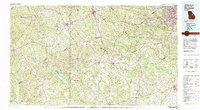 1981 Thomson1982 Print · USGSEast Georgia in the early eighties shows a transition from the urban fringes of Augusta to the deep river valleys of the Savannah River and Ogeechee River. Genealogists and historians can trace rail-side communities like Boneville, Camak, and Mesena along the historic Georgia railroad line.
 - 1988 Map of Athens
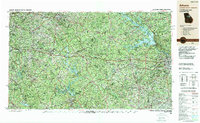 1988 Athens1988 Print · USGSThe Georgia Piedmont and South Carolina borderlands appear in the late eighties as a landscape of vast reservoirs and growing towns. Researchers can trace the legacy of the Georgia RR connecting Athens and Augusta, or locate landmarks within Oconee National Forest.
 - 2011 Map of Hephzibah, 2011 Print
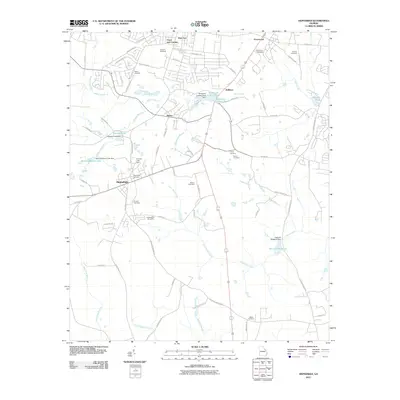 2011 Hephzibah2011 Print · USGSHephzibah and the southern outskirts of Augusta are shown here during a period of steady residential growth south of Tobacco Road. Genealogists can trace family names at several local burial sites, including Hephzibah Cemetery and Tinley Cemetery, or locate landmarks like Richmond Factory Pond.
 - 2011 Map of Keysville, 2011 Print
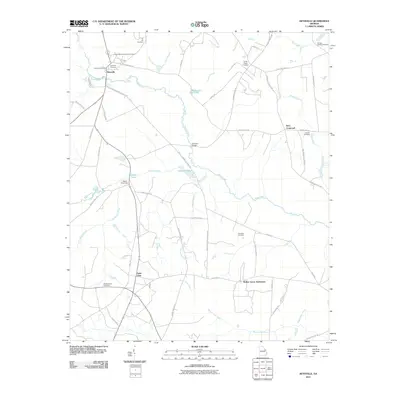 2011 Keysville2011 Print · USGSThe rural Georgia countryside near Keysville is mapped here in the early twenty-first century, showcasing a landscape defined by meandering creeks and historic settlements. Genealogists can locate several family burial sites including Pol Hill Cemetery and trace the area's geography from Marks Mill Pond to the Walker Grove Settlement.
 - 2011 Map of Blythe, 2011 Print
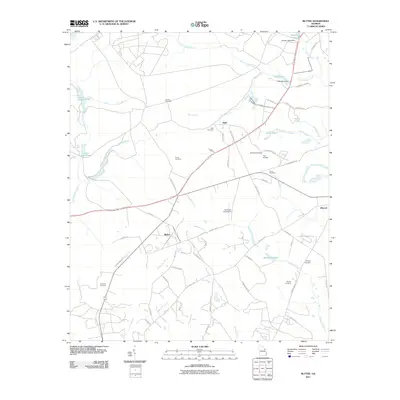 2011 Blythe2011 Print · USGSBlythe and the surrounding Georgia countryside are mapped here during a period of steady rural development in the early twenty-first century. Genealogists and historians can trace numerous family burial grounds and small settlements, such as Freeman Cemetery, Bath, and Union Mill Pond.
 - 2011 Map of Storys Millpond, 2011 Print
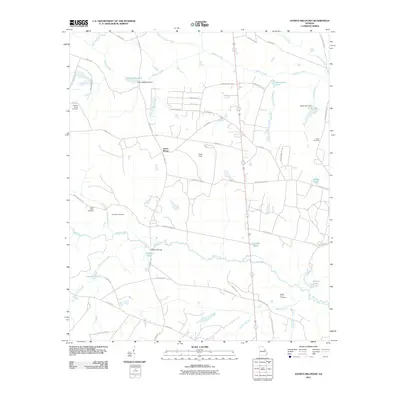 2011 Storys Millpond2011 Print · USGSThe rural landscape south of Augusta is captured here in the early twenty-first century, centered on the vital waters of Brier Creek. Genealogists and local historians can trace legacy sites like the Bines Slave Cemetery, Storys Millpond, and Walkers Bridge.
 - 2014 Map of Storys Millpond, 2014 Print
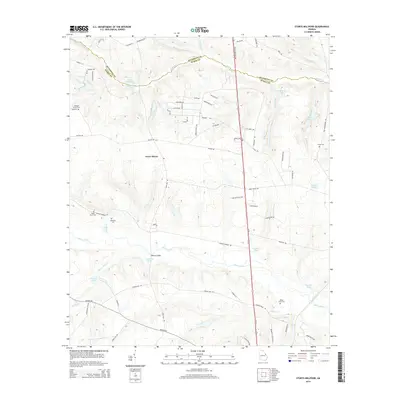 2014 Storys Millpond2014 Print · USGSThe rural landscape of Richmond and Burke counties is documented here in the mid-2010s, showing a region defined by its creeks and family history. Researchers can locate several distinct burial grounds such as Bines Slave Cem and Walker Scott Cem, or trace the waters of Storys Millpond.
 - 2014 Map of Hephzibah, 2014 Print
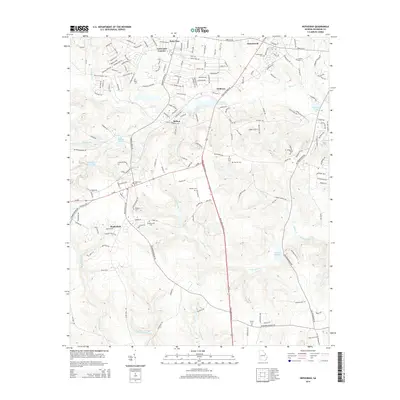 2014 Hephzibah2014 Print · USGSHephzibah and the outskirts of Augusta are documented here in the early twenty-first century, showing the mix of suburban growth and traditional landmarks. Researchers can locate numerous family burial sites such as Malone Cem or trace the waters of Hancock Millpond and Spirit Cr.
 - 2014 Map of Blythe, 2014 Print
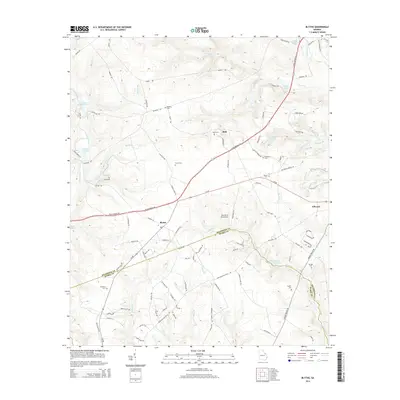 2014 Blythe2014 Print · USGSThe rural border of Richmond and Burke County is documented here during the early twenty-first century. Genealogists and historians can locate numerous family burial sites like Killebrew Cem and trace old routes such as Deans Bridge Rd and Hoods Chapel Rd.
 - 2014 Map of Keysville, 2014 Print
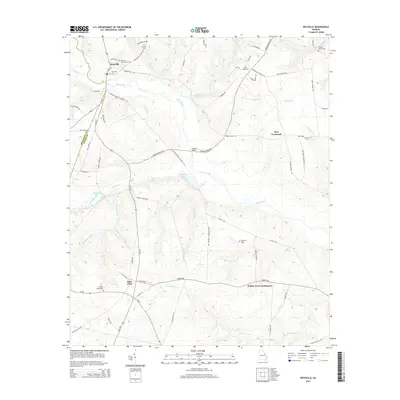 2014 Keysville2014 Print · USGSModern rural Georgia meets deep family history in this survey of the Jefferson and Burke county border. Genealogists can trace family roots through several local landmarks like Walker Grove Settlement, Clarks Chapel Cem, and Saint Clair.
Showing maps 1-25 of 37
Top cities near Hephzibah
- Augusta historical maps
- North Augusta historical maps
- Grovetown historical maps
- Waynesboro historical maps
- Harlem historical maps
Frequently asked questions
- What are the different types of historical maps available for Hephzibah?
- What is the oldest map of Hephzibah?
- Where can I purchase historical maps of Hephzibah for my home or office?
- Where can I download high-res historical maps of Hephzibah?
- Are there historical topographic maps available for Hephzibah?
- Is there historical aerial imagery available for Hephzibah?
- Where are historical maps of Hephzibah sourced from?