Old Maps of Cairo Historic District, Cairo for Hiking & Exploration
Hike through history with 22 historic maps of Cairo Historic District. Explore old trails, ghost towns, and forgotten backroads — perfect for outdoor adventurers and local explorers.
- Rediscover forgotten places: Map out old mining camps, roads, and footpaths that no longer exist on modern maps.
- Layer with modern tools: Combine with LiDAR or satellite views to plan hikes through historical terrain.
- Made for exploration: Popular among hikers, overlanders, and local history lovers.
Use these maps to find adventure and explore the hidden past of Cairo Historic District.
Cairo Historic District, Cairo maps
(22)- 1931 Map of Cairo, 1954 Print
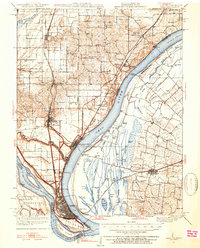 1931 Cairo1954 Print · USGSSouthern Illinois and western Kentucky meet at the great river confluence during the late 1920s and early 1930s. Genealogists can trace family footprints through numerous rural landmarks like Pleasant Hill Sch, the National Cem, and the riverfront at Mound City.2 unique versions available
 - 1933 Map of Cairo
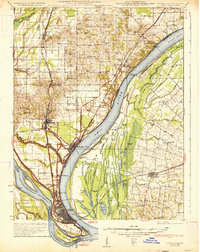 1933 Cairo1933 Print · USGSThe tri-state confluence of the Ohio and Mississippi rivers comes alive in the early 1930s, showing the vital rail and river hubs of Cairo and Mound City. Genealogists can pinpoint rural life through dozens of named sites like Bethlehem Ch, Rife Sch, and the National Cem.3 unique versions available
 - 1939 Map of Cairo, 1945 Print
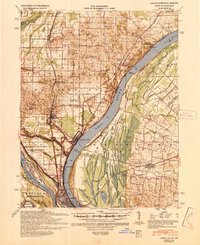 1939 Cairo1945 Print · USGSThe confluence of the great American rivers in the late 1930s shows an era defined by massive levee engineering and rail-to-river commerce. Genealogists and historians can trace the footprint of riverfront communities like Mound City and Urbandale or locate family schools such as Valley Recluse Sch and Ohio Sch.
 - 1949 Map of Paducah
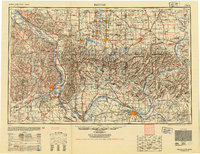 1949 Paducah1949 Print · USGSThe confluence of the Ohio, Mississippi, Tennessee, and Cumberland rivers at the close of the 1940s reveals a region bound by water and rail. Researchers can trace historic river landings, timberlands in the Shawnee National Forest, and the coal-mining infrastructure around West Frankfort and Herrin.2 unique versions available
 - 1950 Map of Paducah
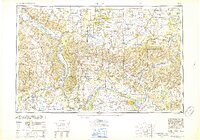 1950 Paducah1950 Print · USGSThe confluence of the great midwestern rivers defines this mid-century landscape at the intersection of Illinois, Kentucky, and Missouri. Genealogists and historians can trace the rail-and-river economy through the hubs of Paducah, Cairo, and Metropolis or locate family roots near the Wildcat Hills.
 - 1953 Map of Cairo, 1959 Print
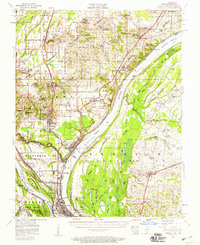 1953 Cairo1959 Print · USGSThe confluence of the Ohio and Mississippi Rivers is captured here in the mid-1950s, showing a landscape defined by floodgates and rail lines. Researchers can trace the layout of Cairo, find family plots at Hazelwood Cem, or locate landmarks like the National Cemetery and Cairo Airport.3 unique versions available
 - 1954 Map of Paducah
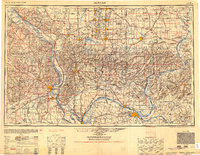 1954 Paducah1954 Print · USGSSouthern Illinois and Western Kentucky intersect at the great river confluences during this mid-century era of rail and river industry. Genealogists and historians can trace family roots and commerce through river towns like Cairo, Metropolis, and Golconda, or along the tracks of the Illinois Central Railroad.2 unique versions available
 - 1954 Map of Cairo, 1955 Print
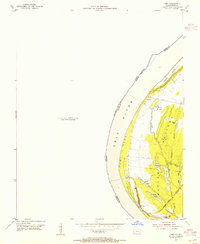 1954 Cairo1955 Print · USGSThe Kentucky side of the Ohio River in the mid-1950s reveals a landscape defined by the wetlands and sloughs of the BARLOW BOTTOMS. Genealogists and local historians can trace the paths of the GULF CENTRAL MOBILE AND OHIO RAILROAD near East Cairo and the unique topography of Twin Mounds.
 - 1955 Map of Cairo
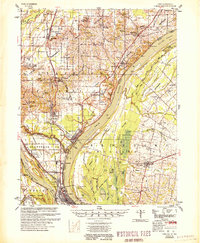 1955 Cairo1955 Print · USGSThe confluence of the great rivers at the southern tip of Illinois is captured here in the mid-1950s. Trace the vital rail hubs of Cairo, explore the grounds of the National Cemetery, and locate vanished rural schools like America Sch and Bryan Sch.
 - 1961 Map of Paducah
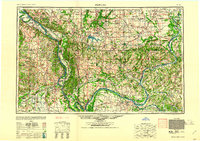 1961 Paducah1961 Print · USGSThe Lower Ohio Valley at mid-century is a landscape defined by its great rivers and newly formed reservoirs. Researchers can trace the riverfronts of Paducah and Metropolis, or locate smaller settlements like Old Shawneetown and Cave in Rock along the banks.2 unique versions available
 - 1964 Map of Paducah
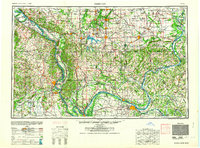 1964 Paducah1964 Print · USGSThe river-and-rail corridor of Southern Illinois and Western Kentucky is captured here during the height of the mid-century industrial era. Genealogists and researchers can trace local landmarks across several counties, from the rail yards of Paducah to the waters of Crab Orchard Lake and Kentucky Reservoir.2 unique versions available
 - 1967 Map of Cairo, 1968 Print
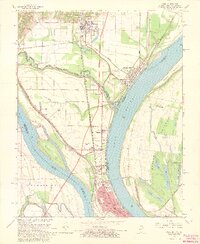 1967 Cairo1968 Print · USGSCairo and the river confluence are captured in the late sixties, showing a major rail-and-river hub at its peak. Genealogists can trace family landmarks like Lincoln Sch, Thistlewood Cemetery, and the Mound City National Cem.3 unique versions available
 - 1984 Map of Cape Girardeau, 1985 Print
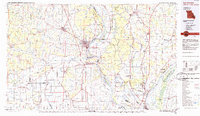 1984 Cape Girardeau1985 Print · USGSThe tri-state junction of Missouri, Illinois, and Kentucky in the mid-1980s was a bustling corridor defined by its massive river systems and complex rail lines. Researchers can trace the paths of the Missouri Pacific RR, explore the Shawnee National Forest, or locate small settlements like Marble Hill and Advance.
 - 1986 Map of Cape Girardeau
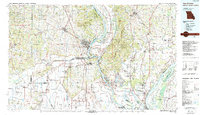 1986 Cape Girardeau1986 Print · USGSThe Missouri-Illinois-Kentucky borderlands come into focus in the mid-1980s as the river-and-rail economy shapes the landscape near the Great Rivers confluence. Researchers can trace historic rail lines and old settlements like Gordonville, New Hamburg, and the Trail of Tears State Park.
 - 1987 Map of Paducah, 1988 Print
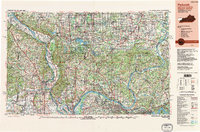 1987 Paducah1988 Print · USGSThe Lower Ohio Valley and the Illinois Ozarks come alive in this late twentieth-century regional survey. Genealogists and local historians can trace river-town roots and state park landmarks from Metropolis to Cape Girardeau and Trail of Tears State Park.
 - 1993 Map of Cairo, 1996 Print
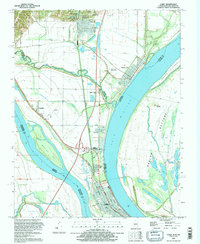 1993 Cairo1996 Print · USGSThe confluence of the Ohio and Mississippi rivers is captured in the 1990s, showing the strategic riverfront of Cairo and its surrounding levee systems. Genealogists and researchers can trace the detailed grids of Mound City and Mounds, or locate family sites near the Mound City National Cem and Thistlewood Cemetery.
 - 2010 Map of Cairo, 2010 Print
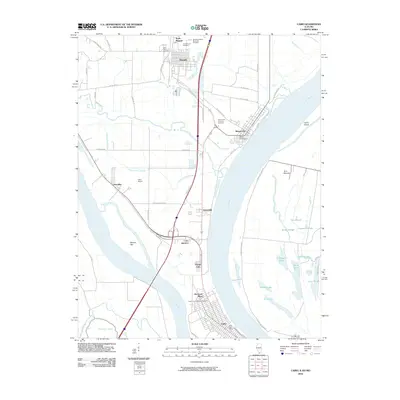 2010 Cairo2010 Print · USGSThe confluence of the Ohio and Mississippi Rivers is captured here in the early twenty-first century as it borders Illinois, Kentucky, and Missouri. Genealogists and historians can trace the developments of Cairo, Mound City, and Future City, alongside significant sites like the Mound City National Cemetery.
 - 2012 Map of Cairo, 2012 Print
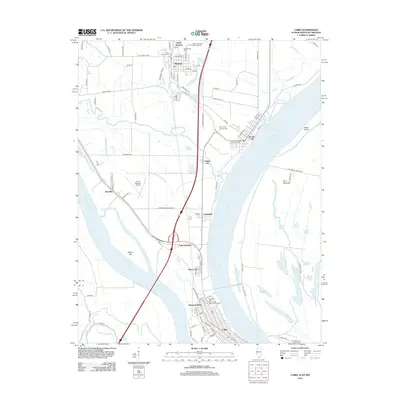 2012 Cairo2012 Print · USGSThe Illinois peninsula comes alive in this modern survey, showing the riverfront settlements where the Ohio and Mississippi meet. Researchers can trace the levee-protected streets of Cairo, find ancestors at the Mound City National Cem, or locate landmarks like Cairo Junction and Future City.
 - 2015 Map of Cairo, 2015 Print
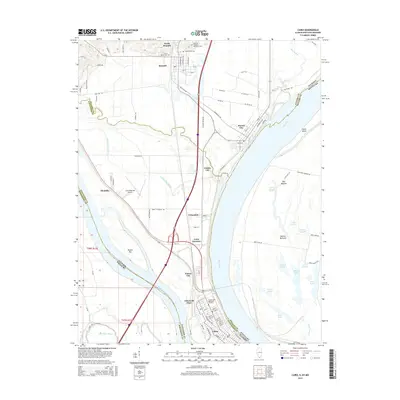 2015 Cairo2015 Print · USGSAt the meeting of the Ohio and Mississippi Rivers in the mid-2010s, this southern Illinois landscape shows a high concentration of riverfront settlements and burial grounds. Researchers can trace the layout of Cairo or find family history at Saint Marys Cem and Green Lawn Memorial Gardens.
 - 2018 Map of Cairo, 2018 Print
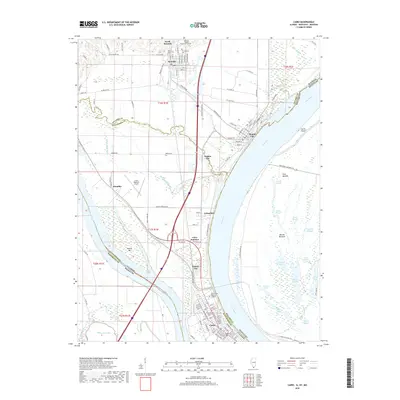 2018 Cairo2018 Print · USGSThe confluence of the great rivers at the southern tip of Illinois is captured here in the late 2010s. Researchers can trace the levee-protected streets of Cairo and Mound City or locate local landmarks like Green Lawn Memorial Gardens and Cairo Junction.
 - 2021 Map of Cairo, 2021 Print
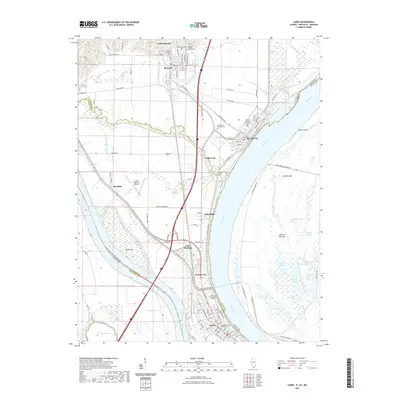 2021 Cairo2021 Print · USGSThe confluence of the Ohio and Mississippi Rivers comes into sharp focus in this recent survey of Southern Illinois. Genealogists can trace family plots at Mound City National Cemetery or explore the civic centers of Cairo and Mound City.
 - 2024 Map of Cairo, 2024 Print
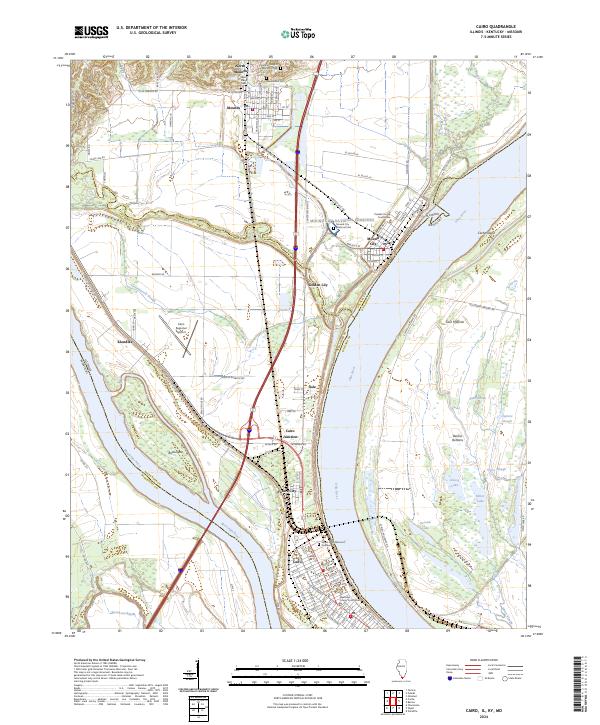 2024 Cairo2024 Print · USGSThe confluence of the Ohio and Mississippi Rivers in southern Illinois creates a landscape of deep historical and civic importance. Researchers can trace the layout of Cairo and Mound City, finding landmarks like the Mound City National Cemetery and Alexander County Courthouse.
End of results
Showing maps 1-22 of 22
Frequently asked questions
- What are the different types of historical maps available for Cairo Historic District?
- What is the oldest map of Cairo Historic District?
- Where can I purchase historical maps of Cairo Historic District for my home or office?
- Where can I download high-res historical maps of Cairo Historic District?
- Are there historical topographic maps available for Cairo Historic District?
- Is there historical aerial imagery available for Cairo Historic District?
- Where are historical maps of Cairo Historic District sourced from?