Old Maps of Staunton, Illinois for Hiking & Exploration
Hike through history with 33 historic maps of Staunton. Explore old trails, ghost towns, and forgotten backroads — perfect for outdoor adventurers and local explorers.
- Rediscover forgotten places: Map out old mining camps, roads, and footpaths that no longer exist on modern maps.
- Layer with modern tools: Combine with LiDAR or satellite views to plan hikes through historical terrain.
- Made for exploration: Popular among hikers, overlanders, and local history lovers.
Use these maps to find adventure and explore the hidden past of Staunton.
Staunton, IL maps
(33)- 1912 Map of Gillespie, 1971 Print
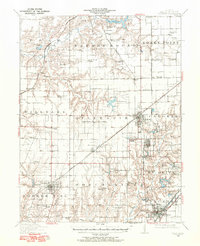 1912 Gillespie1971 Print · USGSMacoupin County at the height of its mining and rail era reveals a landscape of industrial towns and dense rural school districts. Genealogists and historians can trace numerous named institutions like Spanish Needle School, the Wayne Cem, and coal operations like Mine No 7.
 - 1915 Map of Gillespie
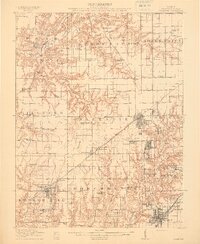 1915 Gillespie1915 Print · USGSMacoupin County at the height of its coal-mining era is detailed here, showing a landscape defined by rail junctions and small mining towns. Genealogists and historians can trace defunct schoolhouses like Spanish Needle School and rural landmarks such as Corrington Chapel or the Coal Washer.3 unique versions available
 - 1915 Map of Mount Olive
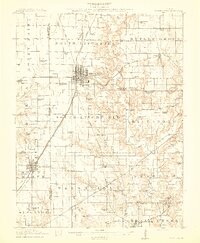 1915 Mount Olive1915 Print · USGSCentral Illinois at the height of the steam era reveals a landscape shaped by competing railroads and dense rural school districts. Genealogists can trace family footprints through numerous local landmarks like Ritchie School, Robbs Mound, and the many lines of the Illinois Traction.3 unique versions available
 - 1927 Map of Edwardsville, 1957 Print
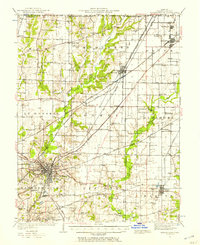 1927 Edwardsville1957 Print · USGSMadison County at the end of the twenties shows a landscape defined by coal mining and a complex web of steam and electric rail. Genealogists and historians can trace family-named landmarks and rural hubs like the Klondike Mine, St Johns Ch, and dozens of country schools from Yorkville Sch to Sylvan Hill Sch.
 - 1932 Map of Edwardsville
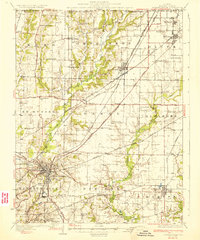 1932 Edwardsville1932 Print · USGSMadison County in the early thirties was a bustling intersection of coal mining and heavy rail. Genealogists can trace family names through dozens of rural schools and landmarks like the Klondike Mine, Sunset Hills Cem, and Le Claire.2 unique versions available
 - 1944 Map of Mount Olive, 1965 Print
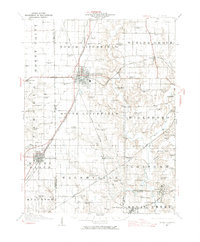 1944 Mount Olive1965 Print · USGSCentral Illinois during the mid-forties reveals a landscape defined by industrial rail junctions and dozens of rural school districts. Genealogists can locate family-named landmarks like Hardenburg School, Ware Grove School, and the community of Walshville along the Chicago and Northwestern tracks.
 - 1954 Map of Worden, 1959 Print
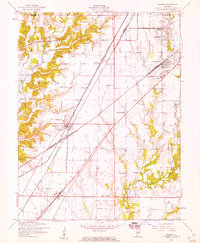 1954 Worden1959 Print · USGSThe Madison County coal and rail belt is captured here in the mid-fifties, showing the industrial heart of Worden and Livingston. Genealogists can trace family footprints at New Hope Cem and rural schools like Hazel Dell Sch and Moultonville Sch.4 unique versions available
 - 1954 Map of Edwardsville, 1960 Print
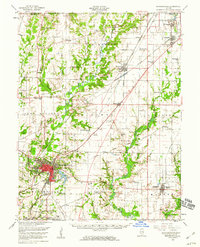 1954 Edwardsville1960 Print · USGSMadison County in the mid-fifties reveals a landscape defined by the intersection of coal-era rail lines and expanding suburban settlements. Local historians can trace the legacy of small-town institutions like Quercus Grove Sch, the residential tracts of LeClaire, and the industrial footprint of the Mine Dump near Worden.
 - 1958 Map of Decatur, 1971 Print
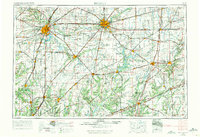 1958 Decatur1971 Print · USGSCentral Illinois in the mid-twentieth century shows a landscape defined by industrial rail hubs and the creation of large reservoirs. Researchers can trace historic corridors like the Penn Central or locate landmarks such as Lincoln Log Cabin State Park and Lake Springfield.3 unique versions available
 - 1958 Map of Belleville, 1973 Print
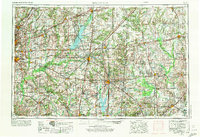 1958 Belleville1973 Print · USGSSouthern Illinois during the mid-twentieth century reveals a landscape of industrial growth and massive new reservoirs. Genealogists and historians can trace the paths of the Illinois Central RR through towns like Centralia or locate landmarks such as Emerald Mound and the Looking Glass Prairie.3 unique versions available
 - 1961 Map of Decatur
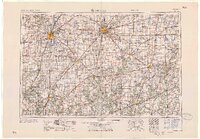 1961 Decatur1961 Print · USGSCentral Illinois in the late fifties was a bustling corridor of rail lines and prairie commerce centered on the state capital. Genealogists and historians can trace the intricate connections between Springfield, Decatur, and dozens of smaller settlements like Nokomis and Arcola.2 unique versions available
 - 1962 Map of Belleville
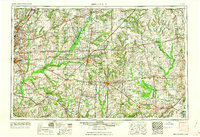 1962 Belleville1962 Print · USGSSouthern Illinois in the late fifties reveals a landscape of industrial growth and ancient landmarks before the full expansion of the interstate system. Genealogists can trace family names and rural post offices near Centralia, Salem, and the historic Monks Mound.
 - 1974 Map of Gillespie South, 1977 Print
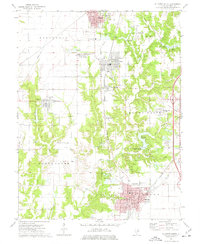 1974 Gillespie South1977 Print · USGSThe Macoupin County coal and rail corridor is captured here in the mid-seventies, showing the close-knit proximity of towns like Gillespie and Benld. Researchers can trace old family burial grounds like Tine Sawyer Cem and defunct rail lines including the Old RR Grade.
 - 1974 Map of Mount Olive, 1977 Print
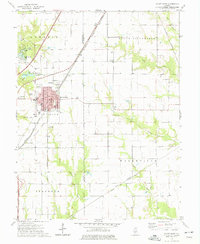 1974 Mount Olive1977 Print · USGSMount Olive and the surrounding townships of Macoupin and Montgomery Counties appear here in the mid-seventies during a period of established rail and local industry. Genealogists and local historians can trace family locations near City Cem, the Drive-in Theater, and the small settlement of Carlinburg.
 - 1982 Map of Litchfield
 1982 Litchfield1982 Print · USGSThe coal and rail corridors of Central Illinois are captured here in the early eighties as the region balanced industrial mining with its agricultural roots. Researchers can trace family history through sites like Zelmer Memorial Cemetery or the grounds of Blackburn College and the Crown Mine No 1.
 - 1985 Map of Carlyle Lake
 1985 Carlyle Lake1985 Print · USGSSouthwestern Illinois in the mid-eighties shows a landscape of growing commuter suburbs and massive water management projects. Genealogists and historians can locate family plots at Lakeview Memorial Gardens Cem or trace the early footprint of Southern Illinois Univ (Edwardsville).2 unique versions available
 - 1991 Map of Worden
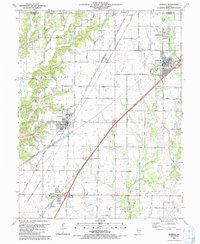 1991 Worden1991 Print · USGSMadison and Macoupin counties in the early nineties show a landscape shaped by coal mining and rural tradition. Genealogists can trace family names through numerous burial sites like Sandrach Cem and Spangle Cem or visit Miners Memorial Park.
 - 1998 Map of Mount Olive, 2002 Print
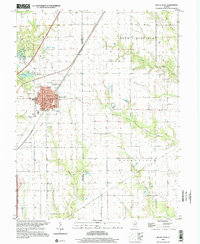 1998 Mount Olive2002 Print · USGSMount Olive and the surrounding Illinois prairie are shown here as they appeared in the late twentieth century. Researchers can trace historic family burial sites at St Johns Cem or follow the path of the Old Railroad Grade and Karnes Siding.
 - 2012 Map of Worden, 2012 Print
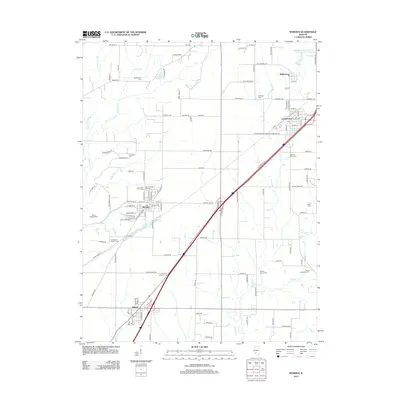 2012 Worden2012 Print · USGSSouthern Illinois at the turn of the millennium shows a landscape defined by small-town hubs and deep family roots. Genealogists can trace historical burial sites such as Hoxsey Family Cem and Gehlenback Lutheran Cem, while exploring landmarks like Opel's Fish Hatchery.
 - 2012 Map of Mount Olive, 2012 Print
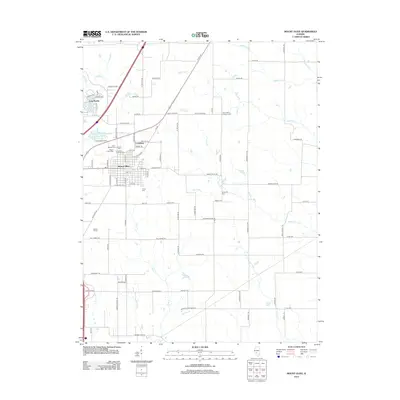 2012 Mount Olive2012 Print · USGSMount Olive and Carlsburg appear in the early twenty-first century, a landscape deeply marked by its coal mining legacy and central Illinois rail history. Genealogists can trace family heritage through the Union Miners Cem, Miners Cem, and Saint John's Lutheran Cem.
 - 2012 Map of Gillespie South, 2012 Print
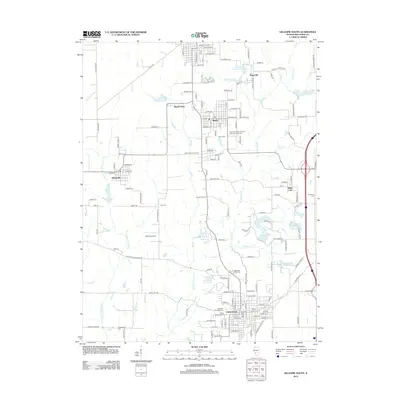 2012 Gillespie South2012 Print · USGSMacoupin County at the start of the 2010s reveals a landscape defined by its mining heritage and close-knit communities. Researchers can trace local history through a series of significant burial sites including Old Saint Michaels Cem and the Holy Assumption Russian Orthodox Creek Cem.
 - 2015 Map of Worden, 2015 Print
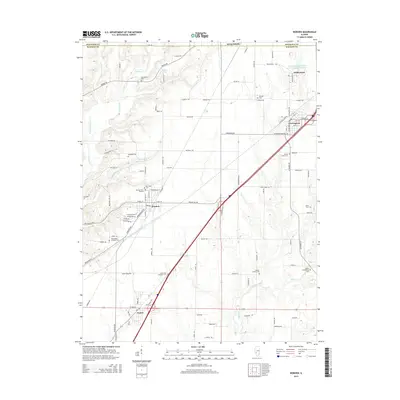 2015 Worden2015 Print · USGSMadison and Macoupin County farmsteads and coal-mining towns are detailed in this recent look at the Illinois prairie. Genealogists and local historians can locate numerous rural burial grounds like Salem Evangelical Cem, New Hope Cem, and the Sacred Heart Cem.
 - 2015 Map of Gillespie South, 2015 Print
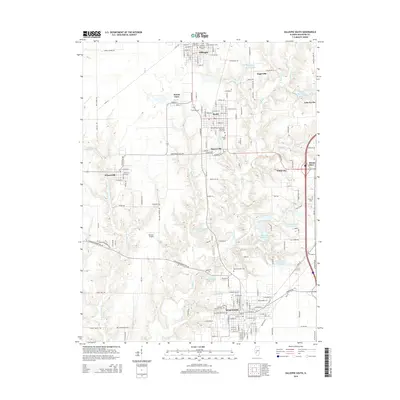 2015 Gillespie South2015 Print · USGSStaunton and the cluster of towns in southern Macoupin County are shown in detail during the mid-2010s. Genealogists can trace local roots through numerous sites like Old Saint Michaels Cem, Tine Cem, and the Mine Number 7 Reservoir.
 - 2015 Map of Mount Olive, 2015 Print
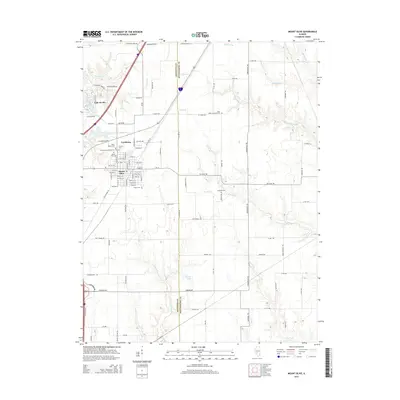 2015 Mount Olive2015 Print · USGSMount Olive and the Macoupin-Montgomery county line are captured here in the mid-2010s, showing a landscape defined by labor history and rural transit. Genealogists can locate several significant burial sites, including the Union Miners Cem, Trinity Cem, and Lake Ka-Ho.
 - 2018 Map of Worden, 2018 Print
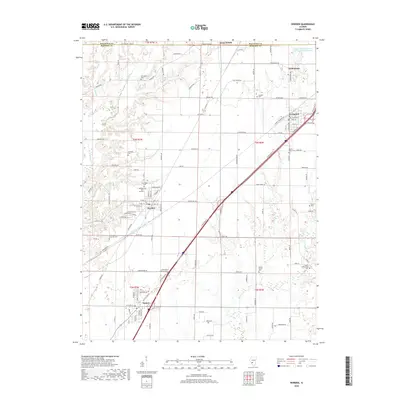 2018 Worden2018 Print · USGSMadison and Macoupin counties appear in this recent survey of the Illinois prairie. Researchers can trace local lineage through numerous rural landmarks like the Hoxsey Family Cem, Salem Evangelical Cem, and the community of Worden.
Showing maps 1-25 of 33
Top cities near Staunton
- Edwardsville historical maps
- Highland historical maps
- Litchfield historical maps
- Gillespie historical maps
- Mount Olive historical maps
- Bunker Hill historical maps
See more
Frequently asked questions
- What are the different types of historical maps available for Staunton?
- What is the oldest map of Staunton?
- Where can I purchase historical maps of Staunton for my home or office?
- Where can I download high-res historical maps of Staunton?
- Are there historical topographic maps available for Staunton?
- Is there historical aerial imagery available for Staunton?
- Where are historical maps of Staunton sourced from?