1900s (20th Century) Maps of Wabash County, Illinois
Explore 27 historic maps of Wabash County from the 1900s (20th Century). These maps offer a rare glimpse into what life looked like during the 1900s — showing old roads, neighborhoods, homes, and landmarks that have changed or disappeared over time.
Whether you're researching your family's past, planning a metal detecting trip, or studying how Wabash County's landscape evolved across the 1900s, these high-resolution maps are a powerful tool for exploring the history of this region.
- Focus on a specific era: All maps on this page are from the 1900s, giving you a focused view of this time period.
- See what’s changed: Compare century-old streets, trails, and buildings to today's modern landscape using overlays and satellite layers.
- Research with precision: Use these maps for genealogy, historical research, land use analysis, or educational projects.
- View, download, or print: Maps are fully viewable online in high resolution, and can be downloaded or printed for your own records.
Start exploring Wabash County's history through authentic maps from the 1900s. This is your window into the past.
Wabash County, IL maps
(27)- 1901 Map of Princeton, 1954 Print
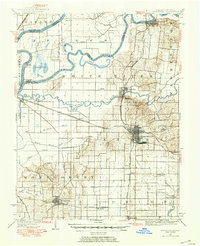 1901 Princeton1954 Print · USGSGIBSON COUNTY at the turn of the century shows a landscape transitioning from river-and-canal transit to a bustling railroad hub. Trace early settlements and infrastructure like the Mt Carmel Ferry, the Wabash and Erie Canal (Abandoned), and the historic community of Lyles.
 - 1903 Map of New Harmony
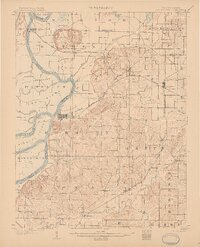 1903 New Harmony1903 Print · USGSPosey County at the opening of the twentieth century was a landscape of thriving river towns and bustling rail junctions. Genealogists and historians can trace the early footprints of New Harmony and Poseyville, or locate vanished locales like Rapture and Solitude.3 unique versions available
 - 1903 Map of Princeton
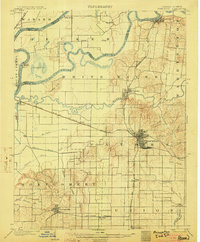 1903 Princeton1903 Print · USGSIndiana's southwestern river country is shown at the height of its railroad era, centered on the junction at Princeton. Genealogists and historians can trace old property lines near the County Farm or locate vanished sites along the Wabash and Erie Canal and the settlement of Lyles.6 unique versions available
 - 1903 Map of Patoka
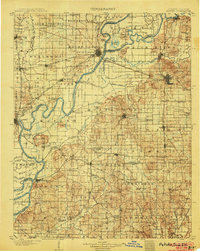 1903 Patoka1903 Print · USGSThe lower Wabash Valley at the start of the twentieth century was a vital crossroads of river trade and rail expansion. Genealogists can trace family roots through settlements like New Harmony and Parker's Settlement or locate the County Farm and Grand Rapids.2 unique versions available
 - 1904 Map of Mount Carmel
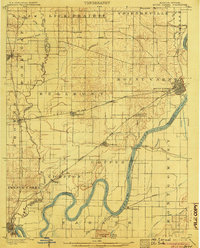 1904 Mount Carmel1904 Print · USGSMount Carmel and the Wabash River valley are captured here at the height of the steam era. Genealogists and historians can trace defunct rail stops and riverside settlements like Schrodts Sta., Jimtown, and Rochester.3 unique versions available
 - 1911 Map of Sumner, 1954 Print
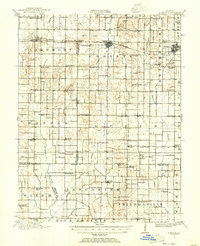 1911 Sumner1954 Print · USGSSoutheast Illinois at the dawn of the twentieth century was a landscape of bustling rail towns and ubiquitous country schools. Genealogists can locate family-named landmarks and long-lost rural centers like Berryville, the Oil Tanks of Bridgeport, and Frogeye School.
 - 1913 Map of Sumner
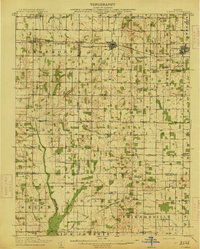 1913 Sumner1913 Print · USGSThe rural landscape of Lawrence and Richland counties is captured here just before the First World War, centered on the BALTIMORE AND OHIO SOUTHWESTERN rail line. Genealogists can locate numerous rural schools like Frogeye School and Buckhorn School or trace the early Oil Tanks near Bridgeport.2 unique versions available
 - 1915 Map of Vincennes
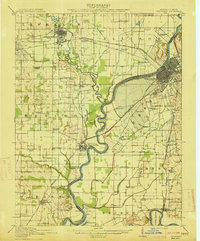 1915 Vincennes1915 Print · USGSThe Wabash River valley comes to life in this early twentieth-century survey of the Illinois-Indiana border. Genealogists can trace family roots through numerous rural landmarks like St Francisville, the Sand Barrens School, and Adams Corners.5 unique versions available
 - 1938 Map of New Harmony, 1958 Print
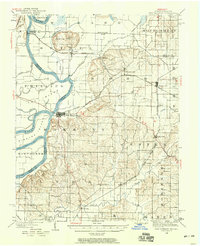 1938 New Harmony1958 Print · USGSIndiana's southwestern tip along the Wabash River is captured here during the late thirties. Genealogists and local historians can trace family land near the Mumford Hills or locate historic rail stops in Poseyville, Stewartsville, and Griffin.
 - 1944 Map of Vincennes, 1958 Print
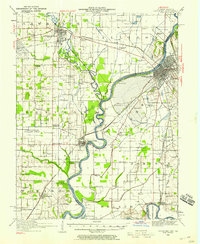 1944 Vincennes1958 Print · USGSThe Wabash River valley during the mid-1940s reveals a landscape of river-town commerce and rural school districts. Genealogists can trace family roots through numerous sites like St Thomas church, the Bunker Hill School, and the small settlement at Billett.
 - 1956 Map of Vincennes, 1967 Print
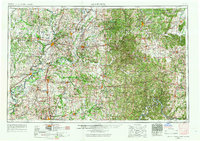 1956 Vincennes1967 Print · USGSSouthern Indiana and the Illinois borderlands are captured here in the mid-fifties, showing the region's dense network of river towns and rail lines. Researchers can trace historic river crossings along the Wabash River or locate landmarks like Wyandotte Cave and Lincoln State Park.4 unique versions available
 - 1957 Map of Vincennes
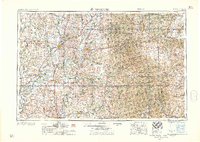 1957 Vincennes1957 Print · USGSSouthwest Indiana and the Illinois borderlands come alive in the late 1950s, a period of heavy rail traffic and expanding state forests. Genealogists and historians can trace the riverfronts and rail lines of Vincennes, New Harmony, and the vast Crane Naval Ammunition Depot.
 - 1958 Map of Vincennes
 1958 Vincennes1958 Print · USGSSouthern Indiana and the Illinois borderlands are captured during a mid-century period of heavy rail traffic and military activity. Researchers can trace the sprawling bounds of the Crane Naval Ammunition Depot or locate historic settlements like New Harmony and French Lick.2 unique versions available
 - 1959 Map of Mount Carmel, 1961 Print
 1959 Mount Carmel1961 Print · USGSMount Carmel sits at the confluence of the Wabash and White Rivers during the mid-century era, serving as a busy hub for both rail and river traffic. Genealogists and local historians can trace family roots through numerous sites like Nye Chapel, Schrodts Station, and the Sand Hill Cem.4 unique versions available
 - 1959 Map of East Mount Carmel, 1961 Print
 1959 East Mount Carmel1961 Print · USGSThe Illinois-Indiana borderlands meet at the confluence of the Wabash and White Rivers during the late fifties. Genealogists and historians can trace the Indian Treaty Boundary, locate Scott Chapel Cem, and see the Mount Carmel Ferry crossing.4 unique versions available
 - 1959 Map of Keensburg, 1961 Print
 1959 Keensburg1961 Print · USGSThe Wabash River borderlands come into focus during the late fifties, showing the interplay of agriculture and the oil industry. Genealogists can locate family landmarks like Le Gier-Lovellette Cemetery and trace the paths of Rochester and Jimtown.3 unique versions available
 - 1959 Map of New Harmony, 1961 Print
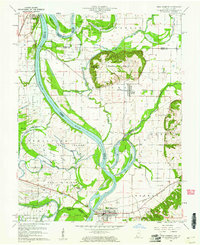 1959 New Harmony1961 Print · USGSThe Indiana-Illinois borderlands of the late fifties are defined here by the winding channels of the Wabash River and its many islands. Researchers can trace family history through sites like Mt Pleasant Cem or explore the mid-century infrastructure of Griffin and New Harmony.4 unique versions available
 - 1959 Map of Bone Gap, 1961 Print
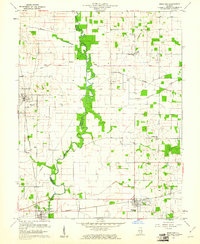 1959 Bone Gap1961 Print · USGSThe Edwards and Wabash county line is defined by the winding course of Bonpas Creek during the late fifties. Genealogists and local historians can trace the Indian Treaty Boundary and locate numerous rural landmarks like St Sebastians Ch and Tanquary Cem.2 unique versions available
 - 1959 Map of Grayville, 1961 Print
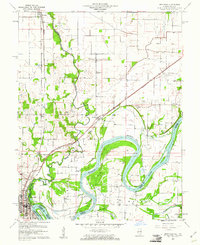 1959 Grayville1961 Print · USGSThe Wabash River borderlands of Illinois and Indiana come alive in this mid-century survey of the river's winding bends. Genealogists can trace family names and sites like Fortney Cem, Friedens Ch, and the town of Grayville.3 unique versions available
 - 1959 Map of New Harmony, 1963 Print
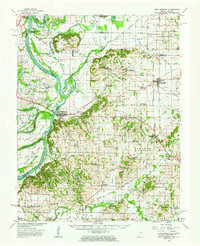 1959 New Harmony1963 Print · USGSThe Indiana-Illinois borderlands of the late fifties are defined here by the winding Wabash River and a landscape dotted with oil wells. Trace ancestral connections at Old Union Ch, The Labyrinth State Mem, or schools like South Terrace Sch.2 unique versions available
 - 1959 Map of Mount Carmel, 1963 Print
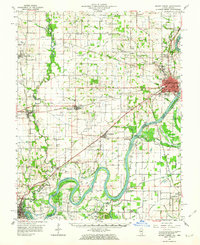 1959 Mount Carmel1963 Print · USGSMount Carmel and the Wabash River valley are shown here in the late fifties, during a period of active drainage and industrial growth. Genealogists can trace family landmarks like Keens Cem and Nisbet Chapel or explore the Old Indian Treaty Boundary and the paths of the Illinois Central railroad.2 unique versions available
 - 1959 Map of Princeton, 1964 Print
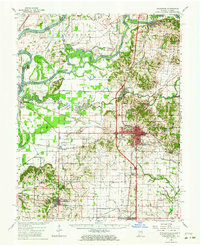 1959 Princeton1964 Print · USGSIndiana's river-rich southwestern corner comes alive in the late fifties as a network of levees and railroads defines the landscape. Genealogists and historians can trace family roots through Lyles Sch, Decker Chapel, and the riverside settlements of Hazleton and Patoka.2 unique versions available
 - 1964 Map of St. Francisville, 1966 Print
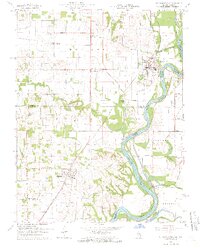 1964 St. Francisville1966 Print · USGSThe Wabash River valley in the mid-sixties reveals a landscape shaped by river bends and rail lines. Genealogists can trace rural roots through numerous sites like Jordan Cem, New Bethel Ch, and the streets of St Francisville.3 unique versions available
 - 1968 Map of Berryville, 1969 Print
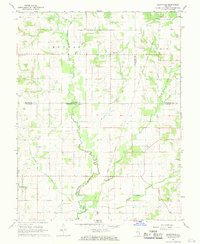 1968 Berryville1969 Print · USGSSoutheast Illinois at the end of the sixties reveals a rural landscape where county lines meet along the Old Indian Treaty Boundary. Genealogists can locate several family landmarks and burial sites like Welser Cem, Pinhook Cem, and Pleasant Grove Ch.
 - 1968 Map of Lancaster, 1970 Print
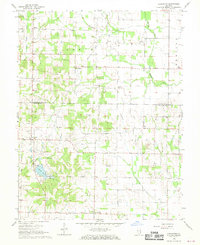 1968 Lancaster1970 Print · USGSWabash and Lawrence Counties are shown here in the late sixties as an active landscape of prairie farming and oil production. Researchers can trace rural lineages through family landmarks like Moffett Cem or visit small hubs like Lancaster and Orio.
Showing maps 1-25 of 27
Top cities of Wabash County
- Mount Carmel historical maps
- Allendale historical maps
- Bellmont historical maps
- Keensburg historical maps
Frequently asked questions
- What are the different types of historical maps available for Wabash County?
- What is the oldest map of Wabash County?
- Where can I purchase historical maps of Wabash County for my home or office?
- Where can I download high-res historical maps of Wabash County?
- Are there historical topographic maps available for Wabash County?
- Is there historical aerial imagery available for Wabash County?
- Where are historical maps of Wabash County sourced from?