Old Maps of Carmel, Indiana for Genealogy
Trace your family roots with 45 historic maps of Carmel. These high-res maps reveal old neighborhoods, homesites, landmarks, and streets — helping you uncover where your ancestors lived and how the area evolved over time.
- Explore historic neighborhoods: Identify where your relatives may have lived in the 1800s or 1900s.
- Compare maps over time: Trace the changes in streets, buildings, and landmarks for multi-generational research.
- Perfect for genealogy & ancestry research: Used by family historians and researchers to map out lineage and migration.
These maps are an incredible resource for exploring your personal connection to Carmel's past.
Carmel, IN maps
(45)- 1952 Map of Fishers, 1953 Print
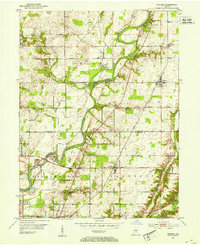 1952 Fishers1953 Print · USGSCentral Indiana in the early fifties shows a patchwork of fertile farmland and growing river towns along the White River. Genealogists and local historians can locate several family cemeteries like Eller Cem and early landmarks including White Chapel and the Township Sch.
 - 1952 Map of Carmel, 1953 Print
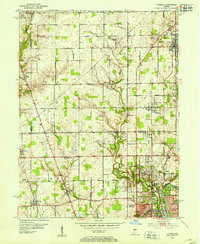 1952 Carmel1953 Print · USGSNorth of Indianapolis in the early 1950s, the landscape was a mix of quiet rural townships and new suburban communities. Genealogists can trace early homesteads near Eagle Village or locate historic markers like Poplar Ridge Cem and Clay Center Sch.
 - 1953 Map of Westfield, 1954 Print
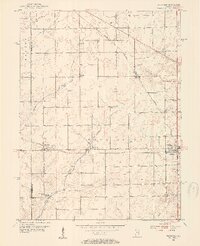 1953 Westfield1954 Print · USGSHamilton County agricultural life in the early fifties is preserved here, showing the rural rail junctions before modern expansion. Genealogists can locate family landmarks like the Little Eagle Creek Ch, Sugar Grove Cem, and the old Washington High Sch.2 unique versions available
 - 1953 Map of Noblesville, 1955 Print
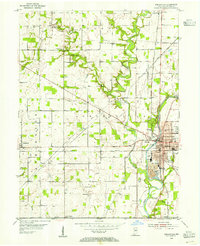 1953 Noblesville1955 Print · USGSNoblesville and the White River valley are seen here in the mid-1950s before the heavy expansion of the Indianapolis suburbs. Researchers can trace family roots through numerous local landmarks, from the Gray Friends Ch to the Crownland Cem and Our Lady of Grace Sch.
 - 1953 Map of Danville, 1965 Print
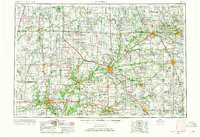 1953 Danville1965 Print · USGSIndiana and Illinois crossroads come to life in this mid-century survey as the interstate era begins to reshape the river-and-rail landscape. Genealogists and collectors can trace the historic paths of the Nickel Plate railroad or locate smaller communities like Veedersburg, Goodland, and Bismarck.3 unique versions available
 - 1953 Map of Indianapolis, 1965 Print
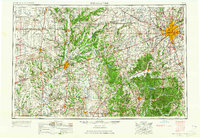 1953 Indianapolis1965 Print · USGSCentral Indiana and the Illinois borderlands are captured in the mid-sixties, showing the growth of Indianapolis and its industrial rail corridors. Genealogists and historians can trace the development of outlying towns like Zionsville or Beech Grove and find landmarks such as Atterbury AAF and Turkey Run State Park.4 unique versions available
 - 1955 Map of Danville
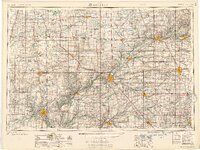 1955 Danville1955 Print · USGSThe Indiana-Illinois borderlands during the mid-fifties reveal a landscape of thriving rail hubs and university towns. Researchers can trace the legacy of Purdue University, the Tippecanoe Battlefield, and the path of the Pennsylvania RR.
 - 1956 Map of Danville
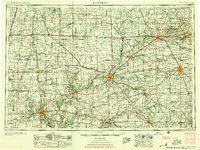 1956 Danville1956 Print · USGSMid-century Indiana and Illinois are captured here as the river-and-rail economy evolved into the modern highway era. Researchers can trace ancestral roots and old transport lines through Logansport, Battle Ground, and the dams at Lake Shafer.
 - 1956 Map of Indianapolis
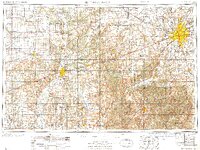 1956 Indianapolis1956 Print · USGSCentral Indiana in the mid-fifties is captured during a period of industrial growth and military presence. Genealogists and historians can trace the rail networks of the New York Central or locate regional landmarks like Fort Benjamin Harrison and Camp Atterbury.
 - 1957 Map of Indianapolis
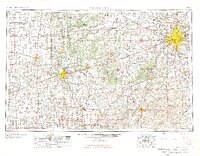 1957 Indianapolis1957 Print · USGSCentral Indiana in the mid-fifties is captured here as a crossroads of major rail lines and nascent federal highways. Genealogists and historians can trace family-named ridges like Poplar Ridge or locate strategic sites like Camp Atterbury and Speedway.2 unique versions available
 - 1959 Map of Carmel, 1960 Print
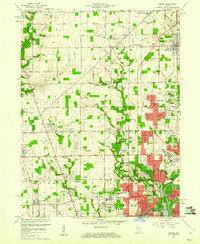 1959 Carmel1960 Print · USGSThe northern fringes of Indianapolis were rapidly transforming in the late fifties as subdivisions began to edge into the surrounding farmland. You can trace early neighborhood developments like Home Place and Meridian Hills alongside the Monon Railroad and the White River.
 - 1959 Map of Fishers, 1960 Print
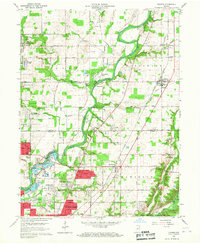 1959 Fishers1960 Print · USGSSuburban Indianapolis and rural Hamilton County meet here in the late fifties as residential growth begins to reshape the landscape. Genealogists and historians can trace the foundations of Fishers and New Britton or locate old burial grounds like Heady Cem.2 unique versions available
 - 1960 Map of Noblesville, 1961 Print
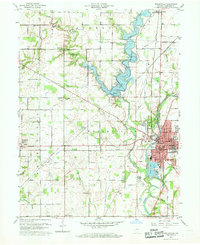 1960 Noblesville1961 Print · USGSNoblesville and the White River valley are captured in the early sixties as new landmarks like Morse Reservoir began to reshape the landscape. Local historians can trace old community centers such as Deming or locate family plots at Riverside Cem and Crownland Cem.2 unique versions available
 - 1962 Map of Indianapolis
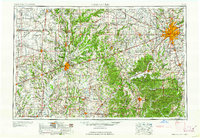 1962 Indianapolis1962 Print · USGSCentral Indiana and the Illinois borderlands are captured here in the early sixties, showing the region's dense rail networks and growing urban centers. Genealogists and historians can locate family-named landmarks and institutions like Crown Hill Cem, Indiana University, and the Indianapolis Motor Speedway.
 - 1967 Map of Fishers, 1969 Print
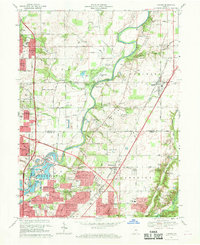 1967 Fishers1969 Print · USGSNortheast of Indianapolis in the late sixties, this area shows the early pulse of suburban expansion along the White River. Genealogists and local historians can trace the foundations of Fishers, locate the Farley Cem, and see the early layout of New Britton and Allisonville.5 unique versions available
 - 1967 Map of Carmel, 1969 Print
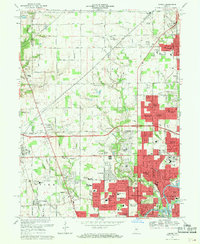 1967 Carmel1969 Print · USGSThe northern Indianapolis suburbs were rapidly expanding in the late sixties as new subdivisions began to replace farmland. Genealogists and historians can trace family locations near Eagle Village and Home Place, or locate early schools like Nora School and College Wood School.4 unique versions available
 - 1969 Map of Westfield, 1971 Print
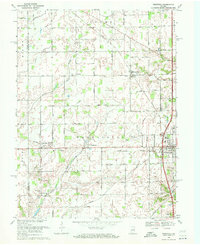 1969 Westfield1971 Print · USGSHamilton County farmland meets growing rural centers in the late sixties as the Monon railroad still defines the local transit corridor. Genealogists and historians can trace family locations near Union Grove Ch, Chester Cem, and the old settlement at Eagletown.2 unique versions available
 - 1969 Map of Noblesville, 1971 Print
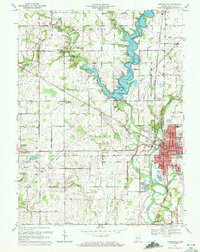 1969 Noblesville1971 Print · USGSHamilton County experienced a mix of traditional agriculture and expanding suburban life during the late sixties. Genealogists can trace family names and sites through Riverside Cem, the Gray Friends Ch, and the historic Potter Bridge near the White River.3 unique versions available
 - 1984 Map of Lafayette, 1985 Print
 1984 Lafayette1985 Print · USGSNorth-central Indiana thrives in the 1980s as a hub of higher education, industry, and agriculture centered on the Wabash River. Genealogists and historians can locate family sites near Darrough Chapel, Oak Hill Cem, or the small crossroads of Thorntown and Colfax.2 unique versions available
 - 1986 Map of Indianapolis
 1986 Indianapolis1986 Print · USGSThe Indiana capital and its surrounding counties are captured here in the mid-1980s, showcasing the height of its orbital highway development and suburban growth. Researchers can trace the legacy of the Fort Benjamin Harrison Military Reservation, follow the Conrail lines, or locate family roots in Beech Grove, Greencastle, and Zionsville.2 unique versions available
 - 1992 Map of Noblesville, 1995 Print
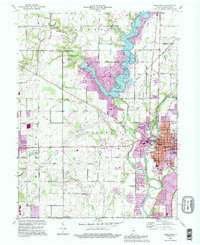 1992 Noblesville1995 Print · USGSHamilton County experienced significant shifts in the early nineties as the area around Noblesville bridged its rural past and suburban future. Genealogists can trace family sites at Crownland Cem and Weaver Cem, or locate landmarks like Potter Bridge and the Stony Creek Sch.
 - 1992 Map of Westfield, 1995 Print
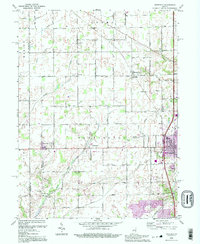 1992 Westfield1995 Print · USGSHamilton County farmland meets growing suburban corridors in the early nineties as the local transportation network evolves. Researchers can trace ancestral locations near Jolietville, find rural landmarks like Sugar Grove Ch, or follow the path of the Central Indiana Railroad.
 - 1998 Map of Fishers, 2000 Print
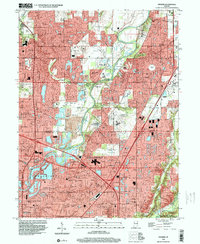 1998 Fishers2000 Print · USGSThe northern edge of the Indianapolis metro area is shown here in the late nineties as residential growth transforms the White River valley. Genealogists and local historians can locate legacy sites like New Britton, White Chapel, and the historic Heady Cem alongside modern landmarks.
 - 1998 Map of Carmel, 2002 Print
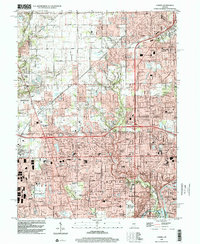 1998 Carmel2002 Print · USGSThe northern edge of Indianapolis meets Carmel during a period of rapid suburban growth in the late nineties. Genealogists and local historians can trace residential developments like Home Place alongside landmarks such as Eagle Village and Our Lady of Mt Carmel Sch.
 - 1998 Map of Noblesville, 2002 Print
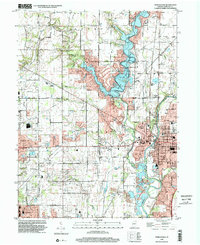 1998 Noblesville2002 Print · USGSNoblesville and the surrounding Hamilton County countryside are shown here at the close of the twentieth century. Researchers can trace development around Morse Reservoir or locate historical sites like Potter Bridge and Gray Friends Ch.
Showing maps 1-25 of 45
Top cities near Carmel
- Indianapolis historical maps
- Fishers historical maps
- Noblesville historical maps
- Westfield historical maps
- Lawrence historical maps
- Plainfield historical maps
See more
Top neighborhoods of Carmel
- Newark Village historical maps
- Northern Beach historical maps
- Northwood Hills historical maps
- Home Place historical maps
- Sophia Square historical maps
- Orchard Park historical maps
See more
Frequently asked questions
- What are the different types of historical maps available for Carmel?
- What is the oldest map of Carmel?
- Where can I purchase historical maps of Carmel for my home or office?
- Where can I download high-res historical maps of Carmel?
- Are there historical topographic maps available for Carmel?
- Is there historical aerial imagery available for Carmel?
- Where are historical maps of Carmel sourced from?