1900s (20th Century) Maps of Clinton County, Iowa
Explore 53 historic maps of Clinton County from the 1900s (20th Century). These maps offer a rare glimpse into what life looked like during the 1900s — showing old roads, neighborhoods, homes, and landmarks that have changed or disappeared over time.
Whether you're researching your family's past, planning a metal detecting trip, or studying how Clinton County's landscape evolved across the 1900s, these high-resolution maps are a powerful tool for exploring the history of this region.
- Focus on a specific era: All maps on this page are from the 1900s, giving you a focused view of this time period.
- See what’s changed: Compare century-old streets, trails, and buildings to today's modern landscape using overlays and satellite layers.
- Research with precision: Use these maps for genealogy, historical research, land use analysis, or educational projects.
- View, download, or print: Maps are fully viewable online in high resolution, and can be downloaded or printed for your own records.
Start exploring Clinton County's history through authentic maps from the 1900s. This is your window into the past.
Clinton County, IA maps
(53)- 1901 Map of Peosta
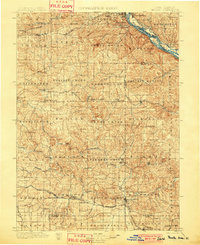 1901 Peosta1901 Print · USGSDubuque and Jackson counties were a hub of river commerce and early rail expansion at the turn of the century. Genealogists and historians can trace the foundations of communities like Peosta, St.Donatus, and the mill sites at Washington Mills.4 unique versions available
 - 1901 Map of Rock Island
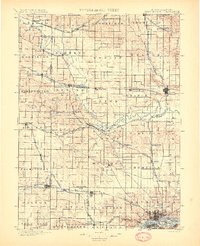 1901 Rock Island1901 Print · USGSThe eastern Iowa borderlands and the Mississippi River confluence thrive during the rail boom of the late nineteenth century. Genealogists and historians can trace family roots through numerous small settlements like Lost Nation, Grand Mound, and the vital U. S. Arsenal grounds.2 unique versions available
 - 1910 Map of Rock Island, 1949 Print
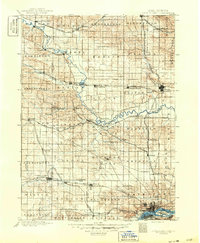 1910 Rock Island1949 Print · USGSEastern Iowa and the Illinois borderlands come alive in this late nineteenth-century survey of the river valleys and rail hubs. Genealogists and historians can trace old homesteads near Lost Nation, the early streets of Dewitt, and the sprawling U.S. Arsenal.
 - 1935 Map of Miles, 1957 Print
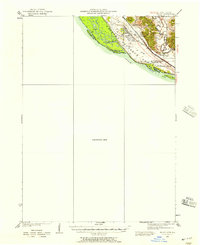 1935 Miles1957 Print · USGSIn the mid-1930s, the Mississippi River shoreline was defined by military expansion and the rail economy. Genealogists and historians can trace the foundations of the Savanna Ordnance Depot and local landmarks like Whitton and Lost Mound Sch.
 - 1941 Map of Miles
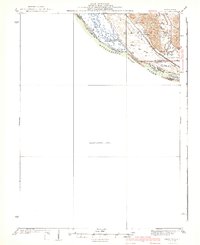 1941 Miles1941 Print · USGSThe Mississippi River borderlands come alive in this pre-war survey, documenting the small settlements and rail lines that defined the Jo Daviess and Carroll County line. Researchers can trace the river's complex island system or find local landmarks like Whitton, Lost Mound, and the Lost Mound Sch.2 unique versions available
 - 1952 Map of Clinton, 1953 Print
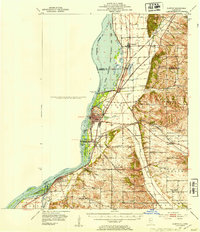 1952 Clinton1953 Print · USGSThe Illinois-Iowa border along the Mississippi River is captured here in the early fifties, showing a landscape defined by industrial rail lines and wildlife refuges. Trace family roots through specific rural landmarks like York Ch, Cottonwood Sch, and Calvary Cem.2 unique versions available
 - 1952 Map of Cordova, 1953 Print
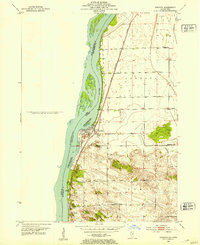 1952 Cordova1953 Print · USGSRock Island County shoreline life is captured here in the early fifties, following the river as it winds past developing river towns. Genealogists can locate family landmarks like Williams Sch, Fairfield Ch, and the Baker Cem.
 - 1952 Map of Savanna, 1954 Print
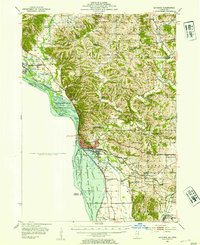 1952 Savanna1954 Print · USGSThe Mississippi River bluffs and rail corridors define this Illinois riverfront during the early fifties. Genealogists and historians can trace numerous rural schoolhouses and family-named cemeteries like Massbach Cem, Palsgrove, and the sprawling Savanna Ordnance Depot.3 unique versions available
 - 1953 Map of Cordova, 1957 Print
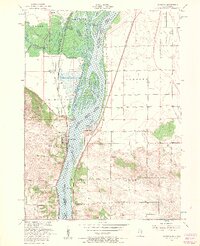 1953 Cordova1957 Print · USGSThe Mississippi River forms the heart of this mid-century borderland between Illinois and Iowa, where riverfront towns like Cordova and Princeton thrived. Researchers can pinpoint family-named landmarks such as Nowlin Cemetery, Scharff School, and Camp Hauberg.3 unique versions available
 - 1953 Map of De Witt, 1957 Print
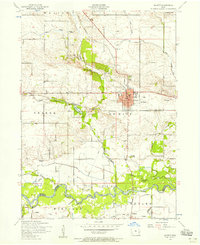 1953 De Witt1957 Print · USGSDe Witt stood at a vital rail crossroads in the early fifties, where two major lines met amidst the fertile Iowa plains. Researchers can trace the transition of rural life through sites like Virginia School, Elmwood Cemetery, and Crystal Lake.2 unique versions available
 - 1953 Map of Malone, 1957 Print
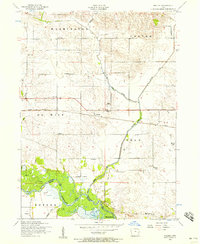 1953 Malone1957 Print · USGSClinton County’s rural landscape is captured here in the early fifties, showing a transition from traditional district schools to a more connected rail-and-river economy. Genealogists can locate family names at Pehlam Cemetery or trace the old Chicago and Northwestern line through Malone.2 unique versions available
 - 1953 Map of Mc Causland, 1957 Print
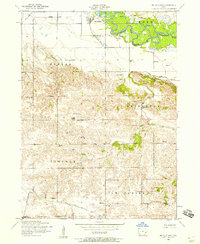 1953 Mc Causland1957 Print · USGSIn the mid-1950s, the rural border between Scott and Clinton counties remained a landscape of small schools and country churches. Genealogists can trace family roots at Fessler Cemetery or Mt Union Church and locate several country schoolhouses like Argo School.3 unique versions available
 - 1953 Map of Camanche, 1957 Print
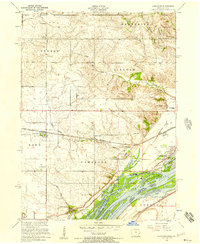 1953 Camanche1957 Print · USGSThe riverfront and rail corridors of Clinton County are captured here in the early fifties, showing the transition from rural farming to mid-century industry. Researchers can trace family roots through several landmarks like Shafton Cemetery, Low Moor, and the Clinton Speedway.3 unique versions available
 - 1953 Map of Donahue, 1958 Print
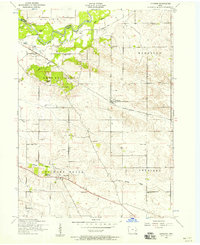 1953 Donahue1958 Print · USGSThe rural landscape of Scott County is captured in the early fifties, showing a network of township schoolhouses and river settlements. Genealogists can trace family roots through sites like Allens Grove Cemetery, Maysville, and the Donahue School.3 unique versions available
 - 1953 Map of Grand Mound, 1958 Print
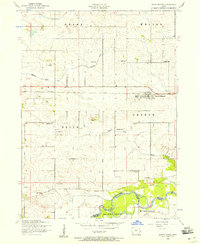 1953 Grand Mound1958 Print · USGSClinton County’s agricultural heartland is documented here in the early fifties, centered on the railroad town of Grand Mound. Researchers can trace rural landmarks from the WAPSIPINICON RIVER to local sites like Griebel School and Evergreen Cemetery.2 unique versions available
 - 1953 Map of Wheatland, 1958 Print
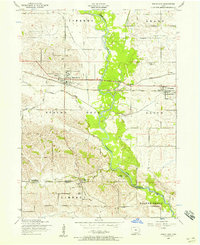 1953 Wheatland1958 Print · USGSEastern Iowa farmland and river bottomlands come alive in the mid-fifties as the Chicago and Northwestern railroad connects local hubs. Trace ancestral roots at Big Rock or find family plots at Rose Hill Cemetery and St Pauls Cemetery.2 unique versions available
 - 1953 Map of Lowden, 1958 Print
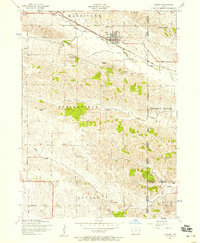 1953 Lowden1958 Print · USGSIn the early 1950s, the Cedar County countryside around Lowden was a network of rail-side commerce and rural school districts. Researchers can trace the heritage of local families through landmarks like Pioneer Cemetery and Red Oak School.2 unique versions available
 - 1953 Map of Dixon, 1958 Print
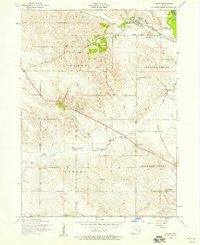 1953 Dixon1958 Print · USGSDixon and the surrounding Scott County townships are seen here in the early fifties, caught at the intersection of the Wapsipinicon River and the rail line. Researchers can trace rural landmarks from Plain View to the Conestoga Girl Scout Camp and several local schoolhouses.3 unique versions available
 - 1953 Map of Clinton, 1977 Print
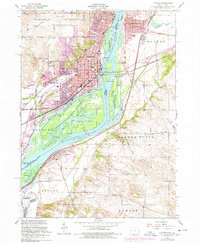 1953 Clinton1977 Print · USGSClinton and the Mississippi River islands are captured here in the 1950s during a period of industrial riverfront activity. Researchers can trace historic schools and cemeteries such as Cedar Creek School, Jane Lamb Memorial Hospital, and St Marys Cemetery across the tri-county area.
 - 1958 Map of Davenport, 1968 Print
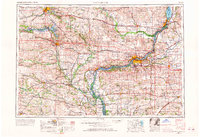 1958 Davenport1968 Print · USGSEastern Iowa and western Illinois thrive along the river during the late fifties, defined by the industrial Quad Cities and a robust rail network. Genealogists can trace family roots through settlements like Oasis and Stanwood or along the Cedar River.2 unique versions available
 - 1959 Map of Dubuque, 1982 Print
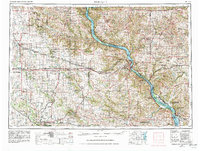 1959 Dubuque1982 Print · USGSThe Tri-State region comes alive in the mid-twentieth century as a hub of river commerce and rail transit. Genealogists and historians can trace the paths of the Illinois Central Gulf through Dubuque or locate the Savanna Ordnance Depot and Lock and Dam No 11.
 - 1961 Map of Dubuque
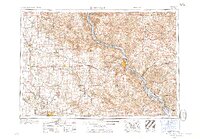 1961 Dubuque1961 Print · USGSThe Tri-State region's river-and-rail landscape is captured here during the early sixties, showing the convergence of Iowa, Illinois, and Wisconsin. Trace mid-century rail lines like the Chicago Great Western Ry and explore sites like the Savanna Ordnance Depot and Backbone State Park.
 - 1961 Map of Davenport
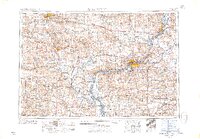 1961 Davenport1961 Print · USGSThe Quad Cities and the eastern Iowa riverlands are captured here in the early sixties, showing the region's transition into a modern industrial and transit hub. Genealogists and historians can trace the paths of major railroads and find river landmarks like Rock Island Arsenal, Huron Island, and the Coralville Reservoir.
 - 1962 Map of Dubuque
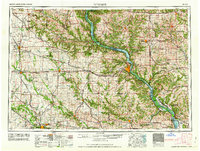 1962 Dubuque1962 Print · USGSThe Tri-State region's river-and-rail economy is captured here in the early sixties, centered on the Mississippi River bluffs. Genealogists and historians can locate Numerous lead and zinc mines, the New Melleray Abbey Monastery, and rural hubs like Saint Olaf.2 unique versions available
 - 1962 Map of Davenport
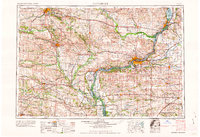 1962 Davenport1962 Print · USGSThe Quad Cities and the Mississippi River corridor are shown at their industrial peak just before the interstate era fully transformed the region. Researchers can trace the sprawling rail networks of the Chicago Rock Island and Pacific and find landmarks like the Rock Island Arsenal and Wild Cat Den State Park.
Showing maps 1-25 of 53
Top cities of Clinton County
- Clinton historical maps
- DeWitt historical maps
- Camanche historical maps
- Wheatland historical maps
- Grand Mound historical maps
- Delmar historical maps
See more
Frequently asked questions
- What are the different types of historical maps available for Clinton County?
- What is the oldest map of Clinton County?
- Where can I purchase historical maps of Clinton County for my home or office?
- Where can I download high-res historical maps of Clinton County?
- Are there historical topographic maps available for Clinton County?
- Is there historical aerial imagery available for Clinton County?
- Where are historical maps of Clinton County sourced from?