2000s (21st Century) Maps of Clinton County, Iowa
Explore 127 historic maps of Clinton County from the 2000s (21st Century). These maps offer a rare glimpse into what life looked like during the 2000s — showing old roads, neighborhoods, homes, and landmarks that have changed or disappeared over time.
Whether you're researching your family's past, planning a metal detecting trip, or studying how Clinton County's landscape evolved across the 2000s, these high-resolution maps are a powerful tool for exploring the history of this region.
- Focus on a specific era: All maps on this page are from the 2000s, giving you a focused view of this time period.
- See what’s changed: Compare century-old streets, trails, and buildings to today's modern landscape using overlays and satellite layers.
- Research with precision: Use these maps for genealogy, historical research, land use analysis, or educational projects.
- View, download, or print: Maps are fully viewable online in high resolution, and can be downloaded or printed for your own records.
Start exploring Clinton County's history through authentic maps from the 2000s. This is your window into the past.
Clinton County, IA maps
(127)- 2010 Map of McCausland, 2010 Print
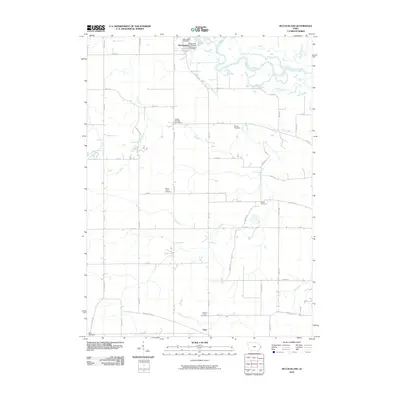 2010 McCausland2010 Print · USGSScott County enters the twenty-first century as a landscape of deep frontier roots and quiet rural settlements. Researchers can trace the legacy of the Old West at the Buffalo Bill Cody Homestead or locate family plots at Salem Cemetery and McCausland Cemetery.
 - 2010 Map of Lost Nation, 2010 Print
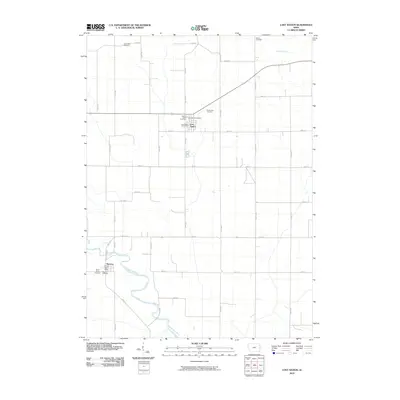 2010 Lost Nation2010 Print · USGSThe agricultural plains of Clinton County come into focus during the early twenty-first century, centered on the unique town of Lost Nation. Genealogists and local historians can trace burial sites across the landscape, from Smithtown Cemetery to Rose Hill Cemetery in Toronto.
 - 2010 Map of Lowden, 2010 Print
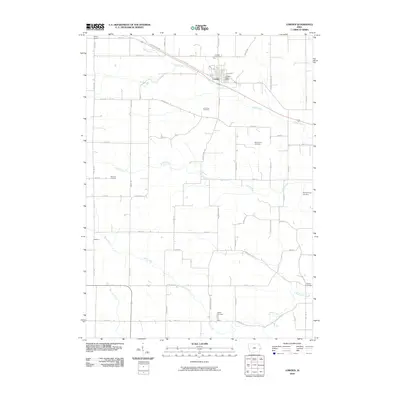 2010 Lowden2010 Print · USGSCedar County's agricultural heartland is documented here at the turn of the decade, centered on the historic rail-side town of Lowden. Family historians can trace local roots through numerous burial sites like Van Horn Cemetery and the Pioneer Cemetery.
 - 2010 Map of Grand Mound, 2010 Print
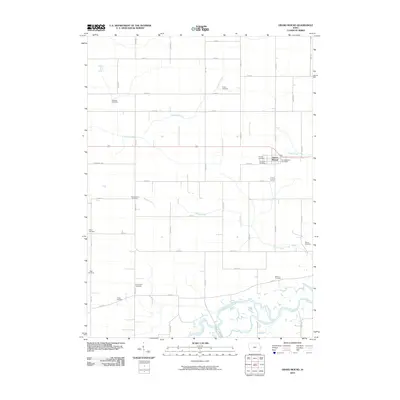 2010 Grand Mound2010 Print · USGSThe rural agricultural landscape around Grand Mound is documented here during the early twenty-first century. Genealogists can trace family footprints across numerous local burial sites including Kvindherred Cemetery, Mowder Cemetery, and Evergreen Cemetery.
 - 2010 Map of Donahue, 2010 Print
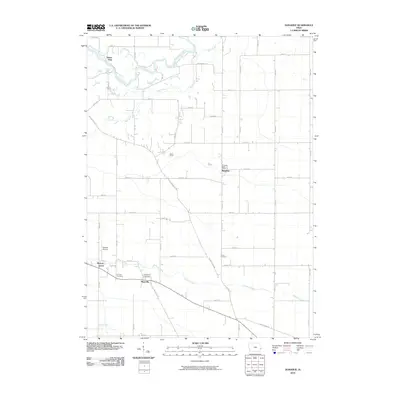 2010 Donahue2010 Print · USGSScott County's fertile farm country is captured here during the first decade of the 2000s, centered on the rural crossroads of Donahue. Local historians can trace family roots through several dedicated burial grounds like Maysville Cemetery or locate the site of the Donahue Post Office.
 - 2010 Map of Camanche, 2010 Print
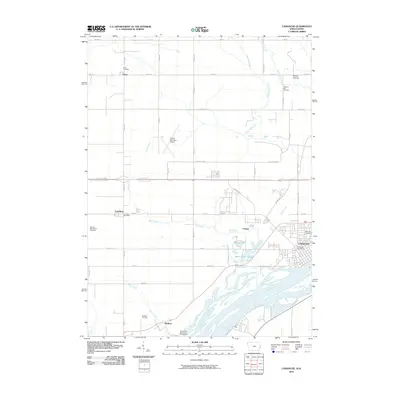 2010 Camanche2010 Print · USGSThe riverfront and rural reaches of eastern Iowa are captured here in the early twenty-first century. Genealogists and local historians can trace several burial grounds, including Bowers-Dannatt-Hill Cemetery, and the riverfront layout of Camanche.
 - 2010 Map of De Witt, 2010 Print
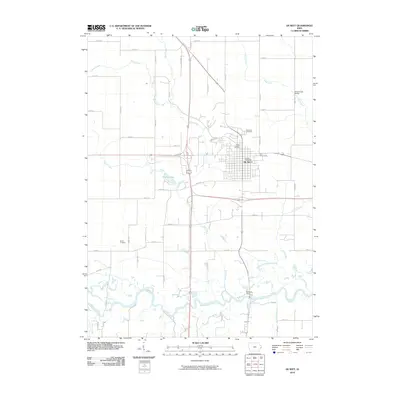 2010 De Witt2010 Print · USGSDe Witt and the fertile valley of the Wapsipinicon River are captured here at the start of the 2010s. Genealogists can locate family sites at Saint Joseph Cemetery or Smith Cemetery, while tracing local landmarks like the 4-H Fairgrounds.
 - 2010 Map of Malone, 2010 Print
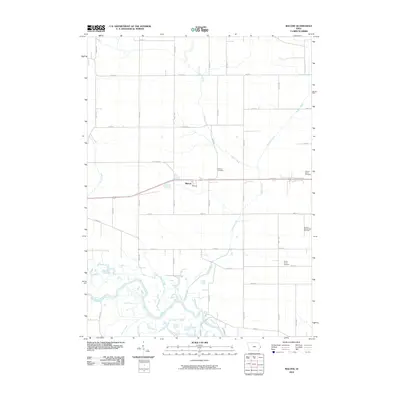 2010 Malone2010 Print · USGSIn the fertile lowlands of Clinton and Scott counties during the early 21st century, the rural landscape is anchored by the Wapsipinicon River. Family history researchers can trace local roots at Pehlarm Cemetery or explore the settlement area of Malone along the Old Hwy 30 corridor.
 - 2010 Map of Maquoketa, 2010 Print
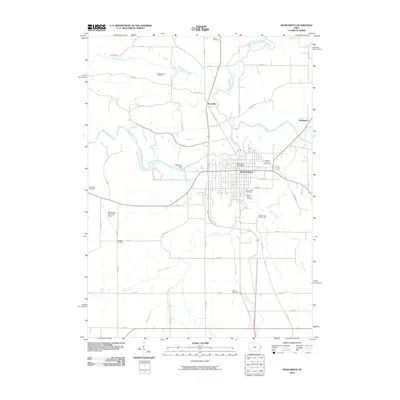 2010 Maquoketa2010 Print · USGSJackson County at the turn of the decade shows a well-connected landscape of river valleys and rural townships centered on the city of Maquoketa. Genealogists can locate several burial sites including Mount Hope Cemetery and Tilton Cemetery, or trace the development near Hurstville and Bridgeport.
 - 2010 Map of Wheatland, 2010 Print
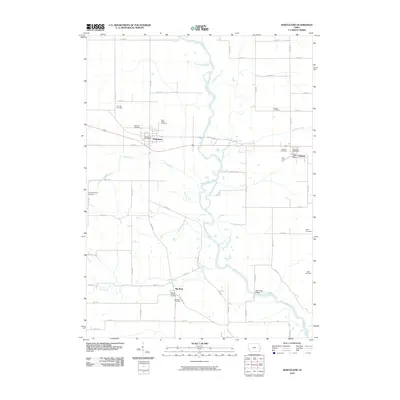 2010 Wheatland2010 Print · USGSEast-central Iowa farming life is recorded here in the first decade of the new millennium, centered on the Wapsipinicon River corridor. Genealogists can locate several local burial sites including Saint Patricks Cemetery and Pine Hill Cemetery.
 - 2010 Map of Preston, 2010 Print
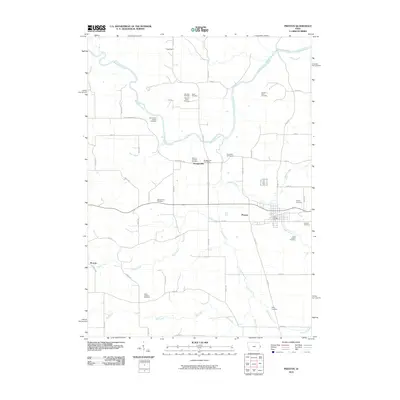 2010 Preston2010 Print · USGSJackson County rural life is captured here in the early 21st century, centered on the settlement of Preston. Genealogists can trace family heritage through numerous burial sites including Schmidt Farm Cemetery, Summer Hill Cemetery, and North Bend School Cemetery.
 - 2010 Map of Andover, 2010 Print
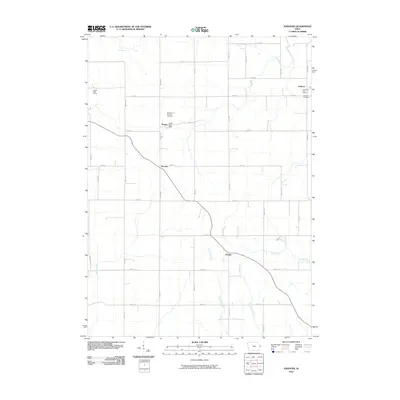 2010 Andover2010 Print · USGSClinton County farming country is documented here in the early twenty-first century as rural life centers on the crossroads of Andover and Bryant. Researchers can locate local landmarks like the Andover Cemetery, the Goose Lake Quarry, and the Bryant Post Office.
 - 2010 Map of Baldwin, 2010 Print
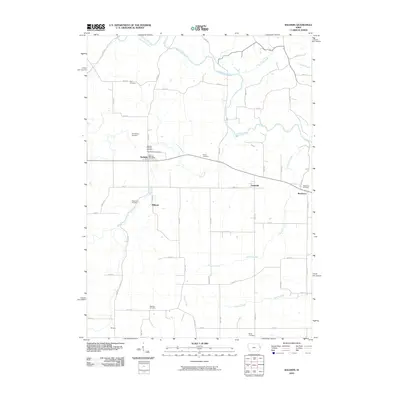 2010 Baldwin2010 Print · USGSJackson County rural life in the early twenty-first century is centered around the Maquoketa River and the village of Baldwin. Genealogists can trace family roots through several local burial sites, including Pence Cemetery, Busch Cemetery, and Waterford Cemetery.
 - 2010 Map of Clinton NW, 2010 Print
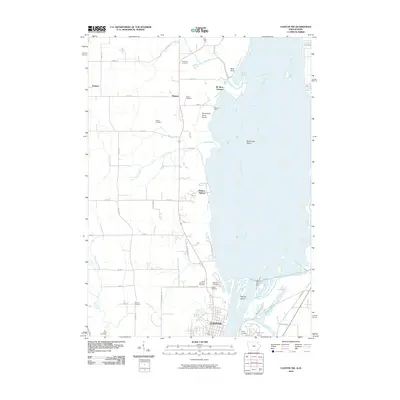 2010 Clinton NW2010 Print · USGSClinton County’s riverfront and rural interior are documented here during the early twenty-first century. Genealogists and historians can trace numerous rural burial grounds such as Hauntown Cemetery or locate the historic Holy Cross Church and the settlement of Almont.
 - 2010 Map of Clinton, 2010 Print
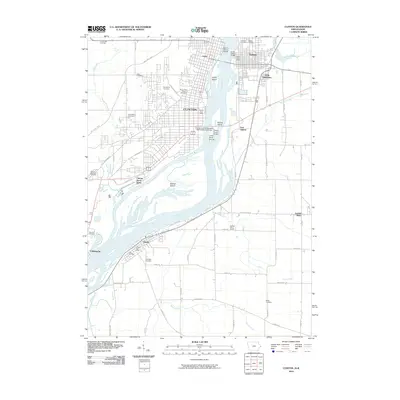 2010 Clinton2010 Print · USGSThe Mississippi River corridor thrives in the early 21st century as a bustling rail and water transit hub between Iowa and Illinois. Genealogists can trace family sites at Springdale Cemetery or the Clinton Stock Yards and see the spans of the Lyons-Fulton Bridge.
 - 2010 Map of Dixon, 2010 Print
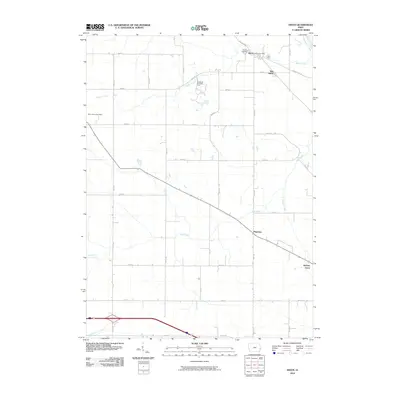 2010 Dixon2010 Print · USGSScott County farmland meets the river in the twenty-first century, showing the enduring grid of rural Iowa life. Researchers can locate the Dixon Cemetery, trace the bends of the Wapsipinicon River, and find the Conestoga Girl Scout Camp.
 - 2010 Map of Cordova, 2010 Print
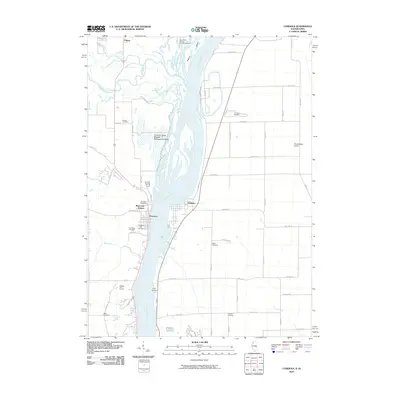 2010 Cordova2010 Print · USGSThe Mississippi River border between Illinois and Iowa comes alive in this 2010 survey of the river's confluence with the Wapsipinicon. Local historians can trace family plots at Oak Ridge Cemetery or explore the settlement patterns of Princeton and Cordova.
 - 2010 Map of Elwood, 2010 Print
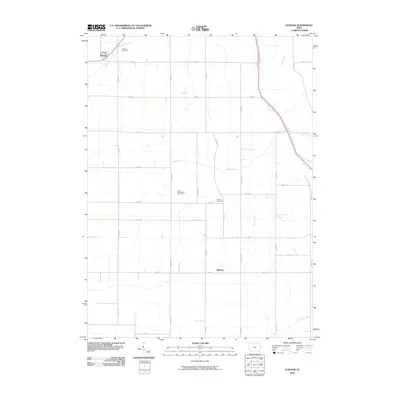 2010 Elwood2010 Print · USGSClinton County farmland comes into focus during the early twenty-first century, showing the rural grid around Elwood and Bliedorn. Researchers can trace local genealogy at Saint Columbkille Cemetery and Pine Hill Cemetery or follow the path of Deep Creek.
 - 2010 Map of Goose Lake, 2010 Print
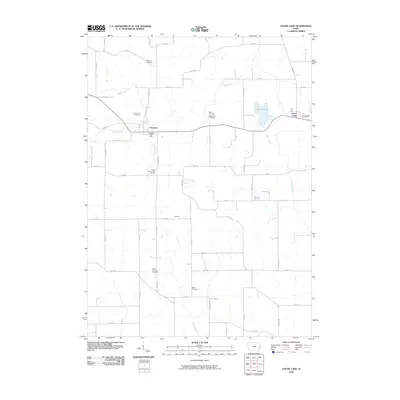 2010 Goose Lake2010 Print · USGSEastern Iowa's farming communities and rural townships are shown in detail during the early 2010s. Local researchers can trace family plots at Saint Patricks Cemetery or McClure Cemetery and locate civic landmarks like the Charlotte Post Office.
 - 2010 Map of Oxford Junction, 2010 Print
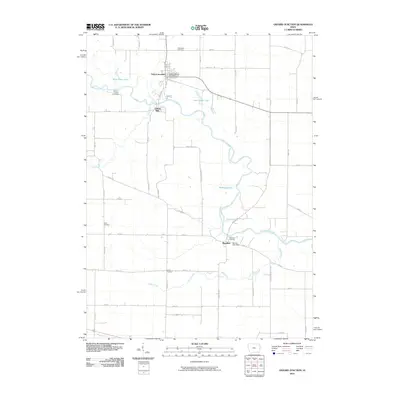 2010 Oxford Junction2010 Print · USGSJones County's river-bottom lands and agricultural plateaus are documented here in the early twenty-first century. Family historians can locate several rural burial grounds like Mayflower Cemetery and trace the paths of Mill Creek and Plum Creek.
 - 2010 Map of Delmar South, 2010 Print
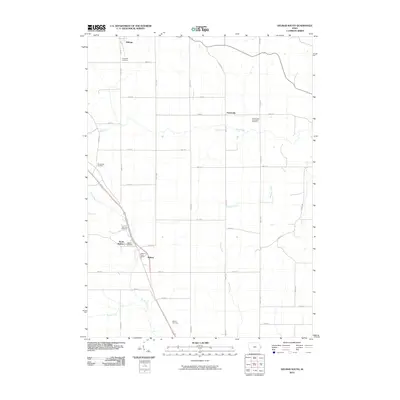 2010 Delmar South2010 Print · USGSClinton County's farming landscape is captured here in the early twenty-first century, centered on the communities of Delmar and Welton. Genealogists and historians can trace local family lineages through numerous sites like Evergreen Cemetery and the Welton Post Office.
 - 2010 Map of Delmar North, 2010 Print
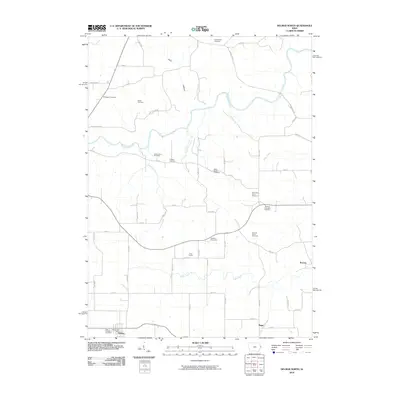 2010 Delmar North2010 Print · USGSThe rural countryside of Clinton County was a network of family farms and small crossroad hamlets in the early 21st century. Genealogists can trace local heritage through numerous burial sites including Baden Cemetery and Codfish Cemetery near Union Centre.
 - 2010 Map of Wyoming East, 2010 Print
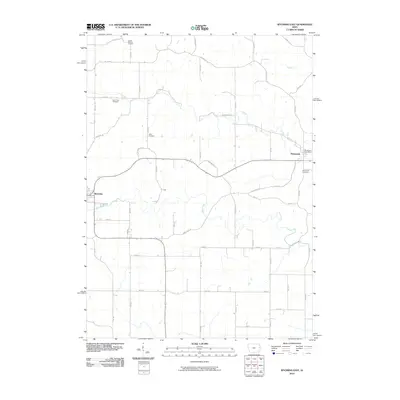 2010 Wyoming East2010 Print · USGSEastern Jones County at the start of the 2010s reveals a settled landscape of family farms and historic small towns. Genealogists can trace family names at South Mineral Cemetery or Cady Cemetery and locate the Monmouth Post Office.
 - 2010 Map of Miles, 2010 Print
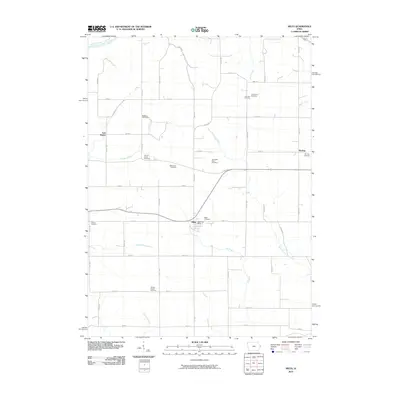 2010 Miles2010 Print · USGSJackson County agricultural life is captured here in the decade following the turn of the millennium. Local historians can trace the lineage of the land through numerous rural burial grounds like Buckeye Cemetery, Vernon Prairie Cemetery, and the namesake Miles Cemetery.
 - 2011 Map of Savanna, 2011 Print
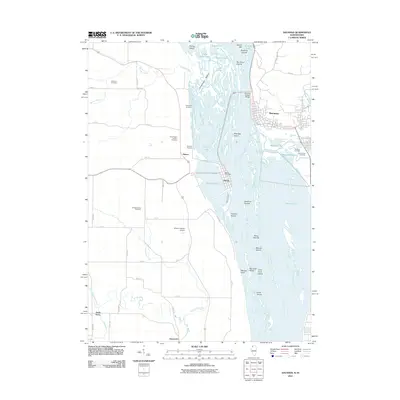 2011 Savanna2011 Print · USGSThe riverfront communities of the Upper Mississippi are captured here in the early twenty-first century, showing the intricate wetlands between Illinois and Iowa. Trace family history at Canada Hollow Cemetery and explore the island streetscapes of Sabula.
Showing maps 1-25 of 127
Top cities of Clinton County
- Clinton historical maps
- DeWitt historical maps
- Camanche historical maps
- Wheatland historical maps
- Grand Mound historical maps
- Delmar historical maps
See more
Frequently asked questions
- What are the different types of historical maps available for Clinton County?
- What is the oldest map of Clinton County?
- Where can I purchase historical maps of Clinton County for my home or office?
- Where can I download high-res historical maps of Clinton County?
- Are there historical topographic maps available for Clinton County?
- Is there historical aerial imagery available for Clinton County?
- Where are historical maps of Clinton County sourced from?