Old Maps of Scranton Township, Iowa for Hiking & Exploration
Hike through history with 34 historic maps of Scranton Township. Explore old trails, ghost towns, and forgotten backroads — perfect for outdoor adventurers and local explorers.
- Rediscover forgotten places: Map out old mining camps, roads, and footpaths that no longer exist on modern maps.
- Layer with modern tools: Combine with LiDAR or satellite views to plan hikes through historical terrain.
- Made for exploration: Popular among hikers, overlanders, and local history lovers.
Use these maps to find adventure and explore the hidden past of Scranton Township.
Scranton Township, IA maps
(34)- 1954 Map of Omaha, 1967 Print
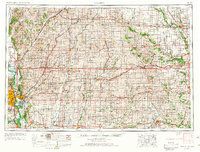 1954 Omaha1967 Print · USGSMid-century development radiates from the river bluffs into the agricultural heartland during this period of post-war growth. Genealogists and historians can trace rail-connected towns like Atlantic and Red Oak or locate the sprawling grounds of Offutt Air Force Base and Manawa Lake.3 unique versions available
 - 1954 Map of Fort Dodge, 1968 Print
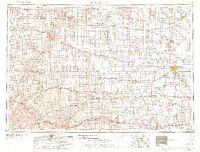 1954 Fort Dodge1968 Print · USGSNorthwest Iowa is shown here during a period of steady industrial and rail activity in the mid-fifties. Researchers can trace the extensive rail lines connecting Fort Dodge to mining and manufacturing sites like Gypsum and Industry Station.3 unique versions available
 - 1957 Map of Omaha
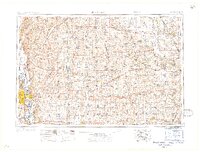 1957 Omaha1957 Print · USGSWestern Iowa and the Missouri River valley are seen here in the mid-fifties during the height of the rail-and-road era. Researchers can trace the sprawling rail lines of the Chicago And North Western or locate Cold War landmarks like Offutt Air Force Base.
 - 1957 Map of Fort Dodge
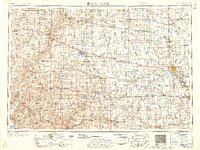 1957 Fort Dodge1957 Print · USGSWest-central Iowa thrived as a network of rail-linked agricultural hubs and river towns during the mid-fifties. Researchers can trace the development of the Des Moines River valley and locate historic landmarks in Fort Dodge, Storm Lake, and Lehigh.
 - 1958 Map of Omaha
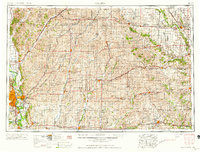 1958 Omaha1958 Print · USGSOmaha and Council Bluffs stand at the center of this mid-fifties landscape, where the Missouri River splits the urban plains of Nebraska from the rolling hills of western Iowa. Genealogists can trace the rail lines of the Wabash RR and Illinois Central RR to rural settlements like Missouri Valley and Red Oak.2 unique versions available
 - 1958 Map of Fort Dodge
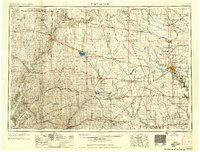 1958 Fort Dodge1958 Print · USGSWestern Iowa in the mid-1950s reveals a productive landscape of river-valley industry and prairie agricultural hubs. Researchers can trace the development of the Des Moines River corridor through Fort Dodge and locate vanished local landmarks near Coalville or Storm Lake.
 - 1971 Map of Coon Rapids NE, 1973 Print
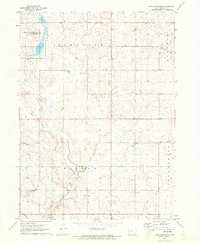 1971 Coon Rapids NE1973 Print · USGSGreene County agriculture and water management are on full display in the early 1970s. Local researchers can locate family sites near Trinity Ch and Willow Cem, or trace the path of Dunbar Slough.
 - 1971 Map of Coon Rapids North, 1973 Print
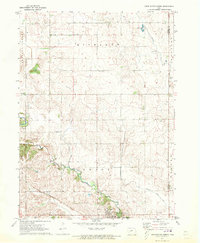 1971 Coon Rapids North1973 Print · USGSCarroll and Greene counties in the early 1970s are defined by the winding Middle Raccoon River and a strong rail presence. Genealogists and local historians can trace family roots through Old Carrollton Cem, Union Cem, and the rural Pleasant Ridge Ch.
 - 1980 Map of Glidden
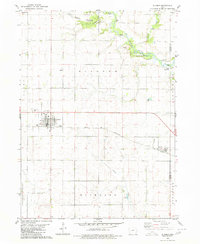 1980 Glidden1980 Print · USGSAgricultural Carroll County comes to life in this late twentieth-century survey of the heartland's rail and river systems. Genealogists and local historians can trace the Chicago and North Western line through Glidden and locate family markers at Dickson Cem.
 - 1980 Map of Scranton
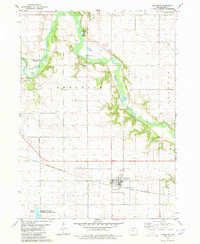 1980 Scranton1980 Print · USGSGreene County agriculture and the river valley define this landscape in the early eighties. Genealogists and historians can trace the Chicago and North Western rail line through Scranton, or locate family sites near Dillavou Cem and Friends Ch.
 - 1984 Map of Guthrie Center, 1985 Print
 1984 Guthrie Center1985 Print · USGSWest-central Iowa's river valleys and farming townships are shown here in the mid-1980s, highlighting a network of conservation areas and historic rail towns. Genealogists and local historians can locate Violet Hill Cem, trace the Chicago and North Western railroad, or explore the grounds of Springbrook State Park.
 - 1985 Map of Carroll
 1985 Carroll1985 Print · USGSWest-Central Iowa in the mid-eighties shows a landscape of highly engineered farmland and river-valley conservation. Researchers can trace the drainage patterns of Purgatory Creek or locate local landmarks like Dolliver Memorial State Park and the rail-junction town of Gowrie.
 - 1993 Map of Carroll
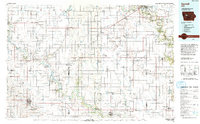 1993 Carroll1993 Print · USGSCentral Iowa's river valleys and rail corridors are captured here in the early nineties, showing a landscape shaped by the Raccoon River and Des Moines River. Genealogists can trace family connections to the many county seats, from Sac City to Jefferson, and locate rural landmarks like Pilot Mound or North Twin Lake.
 - 1993 Map of Guthrie Center
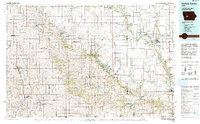 1993 Guthrie Center1993 Print · USGSWestern Iowa in the early 1990s showcases a network of river-valley towns and essential rail corridors. Researchers can trace local landmarks like Violet Hill Cem and the Chicago and North Western RR through Coon Rapids and Panora.
 - 2010 Map of Coon Rapids North, 2010 Print
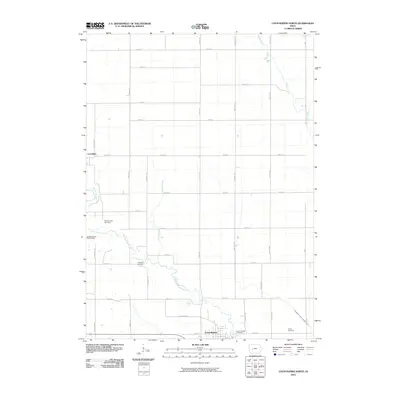 2010 Coon Rapids North2010 Print · USGSCoon Rapids and the surrounding Carroll County countryside are captured here in the early twenty-first century as the landscape remains defined by its river valleys and section roads. Researchers can locate family sites at Old Carrollton Cemetery, Oak Hill Cemetery, and Union Cemetery.
 - 2010 Map of Scranton, 2010 Print
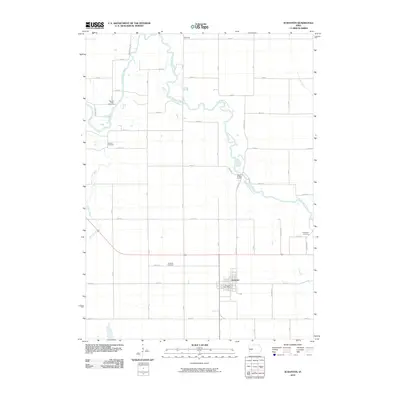 2010 Scranton2010 Print · USGSScranton and the surrounding Greene County countryside are captured here in the early twenty-first century, showing a landscape defined by the winding North Raccoon River. Genealogists can locate family landmarks like Dillavou Cemetery, Thompson Cemetery, and the Scranton Post Office.
 - 2010 Map of Glidden, 2010 Print
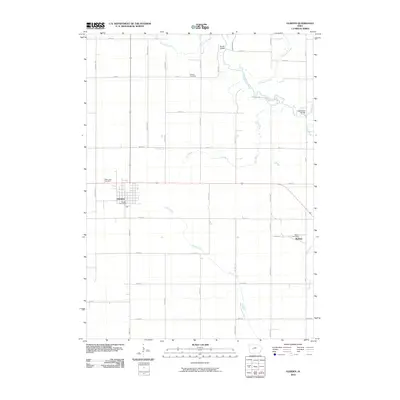 2010 Glidden2010 Print · USGSGlidden and the surrounding Carroll County farmland are captured here in the early 2000s, showing a landscape defined by prairie creeks and rural townships. Genealogists and local historians can locate West Lawn Cemetery, the Ralston Post Office, and named crossings like Kendal Bridge.
 - 2010 Map of Coon Rapids NE, 2010 Print
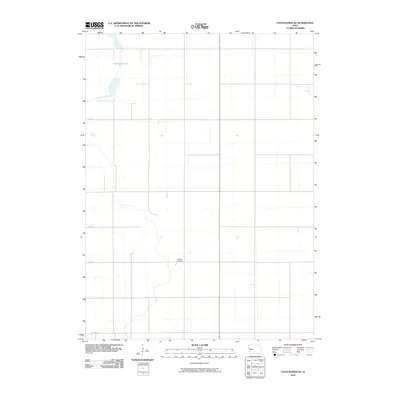 2010 Coon Rapids NE2010 Print · USGSJackson Township in Greene County appears as a quiet agricultural landscape in the years following the millennium. Genealogists and local historians can trace the exact location of Willow Cemetery and the wetland borders of Dunbar Slough.
 - 2013 Map of Coon Rapids NE, 2013 Print
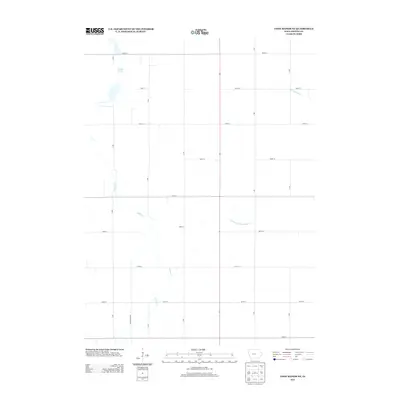 2013 Coon Rapids NE2013 Print · USGSAgricultural land in Greene County shows its modern grid and drainage patterns during the early twenty-first century. Researchers can trace the path of Willow Cr through the fields or locate the sprawling Dunbar Slough and Drainage Ditch Number 117.
 - 2013 Map of Coon Rapids North, 2013 Print
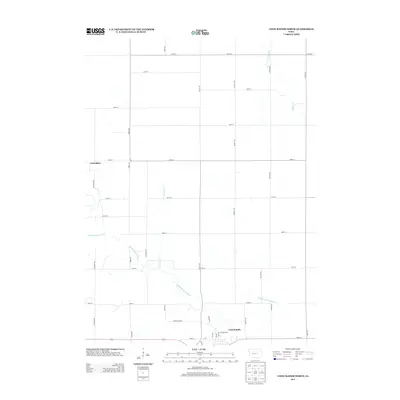 2013 Coon Rapids North2013 Print · USGSCoon Rapids and the surrounding Carroll County farmland are documented in the early twenty-first century as a landscape of precision agriculture. Genealogists and local historians can trace the paths of Middle Raccoon River and the historic Stagecoach Rd near Carrollton.
 - 2013 Map of Glidden, 2013 Print
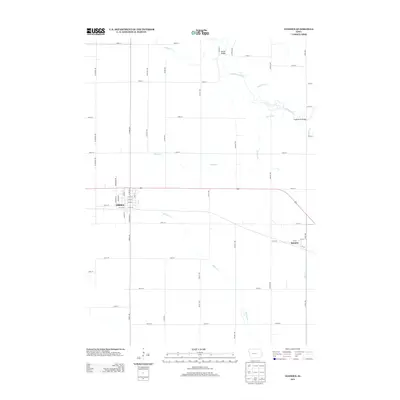 2013 Glidden2013 Print · USGSThe agricultural heart of Carroll County is captured here in the early 2010s, centered on the community of Glidden. Genealogists and local historians can trace the creek-side landscapes of N Raccoon River and find family-named landmarks like Dickson Br.
 - 2013 Map of Scranton, 2013 Print
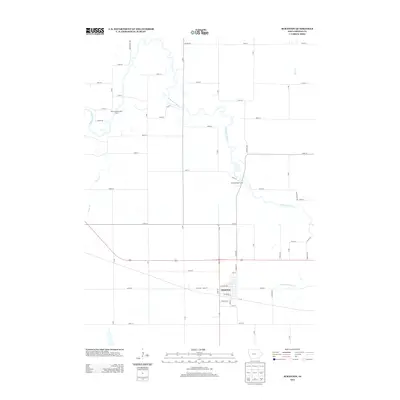 2013 Scranton2013 Print · USGSScranton and its surrounding farmstead grid are captured here in the early twenty-first century, centered on the N Raccoon River. Local historians can trace the riverside location of Northville and landmarks like the Raccoon River Bible Camp.
 - 2015 Map of Scranton, 2015 Print
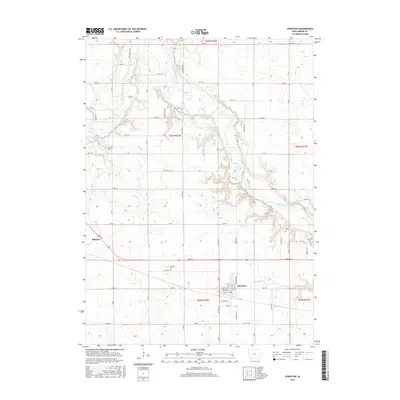 2015 Scranton2015 Print · USGSScranton and its surrounding Greene County farmlands are captured in this mid-2010s survey, showing the deep-rooted agricultural grid of central Iowa. Researchers can locate family heritage sites including Scranton Cem, Dillavou Cem, and the path of the North Raccoon River.
 - 2015 Map of Glidden, 2015 Print
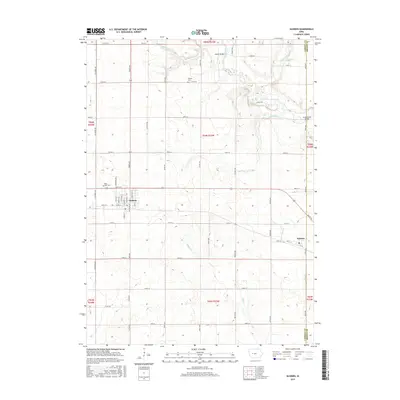 2015 Glidden2015 Print · USGSGlidden and the surrounding Carroll County farmland are mapped here during a period of modern agricultural stability. Genealogists and local historians can locate West Lawn Cem, the rail-side community of Ralston, and rural landmarks like Kendal Bridge.
 - 2015 Map of Coon Rapids NE, 2015 Print
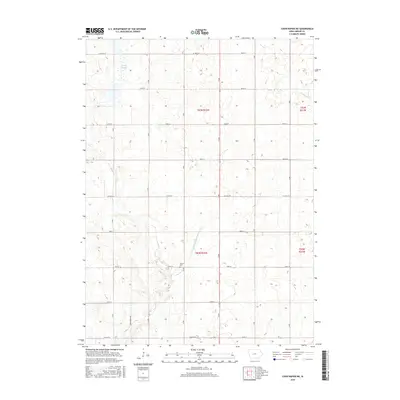 2015 Coon Rapids NE2015 Print · USGSGreene County agriculture and hydrology are documented in this 2015 survey of Jackson Township. Genealogists and local historians can locate the Willow Cem or trace the water networks of Dunbar Slough and Willow Cr.
Showing maps 1-25 of 34
Top cities near Scranton Township
- Jefferson historical maps
- Coon Rapids historical maps
- Glidden historical maps
- Scranton historical maps
- Bayard historical maps
- Churdan historical maps
See more
Top neighborhoods of Scranton Township
Frequently asked questions
- What are the different types of historical maps available for Scranton Township?
- What is the oldest map of Scranton Township?
- Where can I purchase historical maps of Scranton Township for my home or office?
- Where can I download high-res historical maps of Scranton Township?
- Are there historical topographic maps available for Scranton Township?
- Is there historical aerial imagery available for Scranton Township?
- Where are historical maps of Scranton Township sourced from?