Old Maps of Union Township, Iowa for Academic Research
Study the evolution of Union Township with 31 high-resolution historic maps. Whether you're teaching, researching, or modeling changes in land use, these maps provide essential visual documentation of urban, environmental, and geographic change.
- Analyze long-term change: Track patterns in development, transportation, and natural features.
- Ideal for environmental or urban studies: Support academic projects with primary historical map data.
- Use in the classroom or lab: Educators and researchers rely on these maps to bring historical context to life.
These maps are a powerful tool for teaching, research, and visualizing how Union Township has changed over the decades.
Union Township, IA maps
(31)- 1911 Map of Slater, 1960 Print
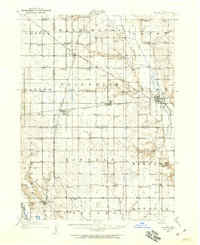 1911 Slater1960 Print · USGSCentral Iowa at the dawn of the twentieth century was a landscape of rail-driven prairie towns and a schoolhouse at nearly every mile. Genealogists can trace the rural roots of local families through specific sites like Nip-and-tuck School, Polk City Junction, and Huxley.
 - 1913 Map of Slater
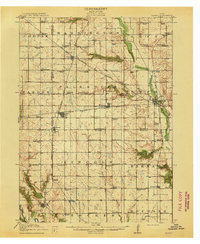 1913 Slater1913 Print · USGSCentral Iowa's farm country and rail corridors are captured here just before the First World War, showing a landscape tightly knit by steam and electric lines. Genealogists can locate dozens of neighborhood landmarks like Nip-and-tuck School, the Sydnes School, and the early plats of Slater and Huxley.2 unique versions available
 - 1954 Map of Des Moines, 1973 Print
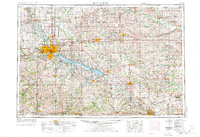 1954 Des Moines1973 Print · USGSCentral Iowa's evolving landscape is captured here in the early seventies, just as major reservoirs were reshaping the river valleys. Genealogists and historians can trace the rail corridors of the Burlington Northern or locate family roots near Pella, Indianola, and Knoxville.2 unique versions available
 - 1956 Map of Des Moines
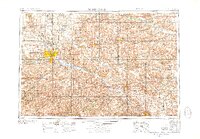 1956 Des Moines1956 Print · USGSCentral Iowa in the mid-fifties shows a landscape defined by bustling rail hubs and deep-rooted agricultural research. Genealogists and researchers can trace the growth of Des Moines and Ames, locate the Sac and Fox Indian Reservation, or study the paths of the Skunk River and South Skunk River.
 - 1957 Map of Des Moines
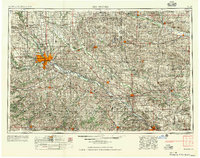 1957 Des Moines1957 Print · USGSCentral Iowa's post-war landscape is defined here by the converging rail lines and river valleys that shaped its earliest settlements. Genealogists and historians can trace the paths of the Rock Island Railroad and locate community landmarks in Des Moines, Ames, and Newton.
 - 1969 Map of Des Moines
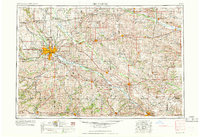 1969 Des Moines1969 Print · USGSCentral Iowa's fertile plains and growing capital are captured here during the late sixties, a time of major highway expansion and reservoir construction. Genealogists and researchers can trace rural township boundaries, local cemeteries, and rail lines serving towns like Pella, Grinnell, and Oskaloosa.
 - 1972 Map of Elkhart, 1975 Print
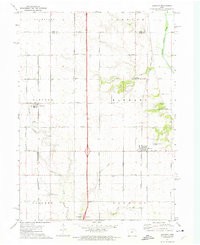 1972 Elkhart1975 Print · USGSNorth of Des Moines in the early seventies, this rural landscape reveals the tightly organized farm grids and rail towns of Polk County. Genealogists can locate family landmarks like Keller Cem, White Oak Ch, and the streets of Alleman.
 - 1972 Map of Loring, 1975 Print
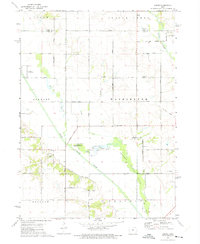 1972 Loring1975 Print · USGSAgricultural life in central Iowa during the early 1970s centers on the South Skunk River and the small hamlet of Loring. Researchers can trace local history through sites like the Brethren Cem, Holy Cross Ch, and an Old Railroad Grade.
 - 1975 Map of Huxley, 1978 Print
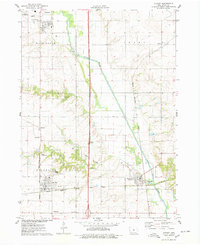 1975 Huxley1978 Print · USGSStory County in the mid-seventies reveals a landscape shaped by the South Skunk River and a dense network of competing railroads. Genealogists can locate several family-anchored sites like Fjelberg Cem, Palestine Ch, and the town of Cambridge.
 - 1975 Map of Maxwell, 1978 Print
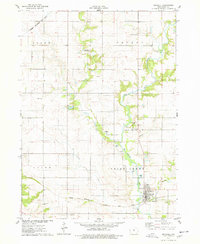 1975 Maxwell1978 Print · USGSThis mid-1970s survey of southeastern Story County captures the agricultural heartland as the local rail and road networks matured. Genealogists and local historians can trace family roots through sites like Iowa Center, Center Grove Cem, and the historic street grid of Maxwell.
 - 1984 Map of Des Moines, 1985 Print
 1984 Des Moines1985 Print · USGSCentral Iowa's heartland is captured in the mid-1980s as suburban growth met long-standing farm and rail infrastructure. Genealogists and researchers can trace the reaches of the Chicago and North Western through Maxwell or locate Laurel Hill Cem and Camp Dodge Military Reservation.2 unique versions available
 - 2010 Map of Maxwell, 2010 Print
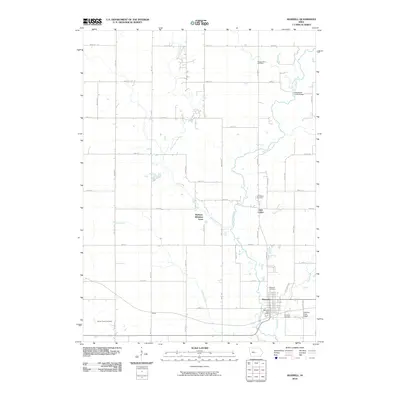 2010 Maxwell2010 Print · USGSStory County farmland is meticulously mapped in the early twenty-first century, showing the enduring rural layout of central Iowa. Genealogists can locate family plots at Woodland Cemetery or Brubaker Cemetery and trace the paths of East Indian Creek and Rock Creek.
 - 2010 Map of Huxley, 2010 Print
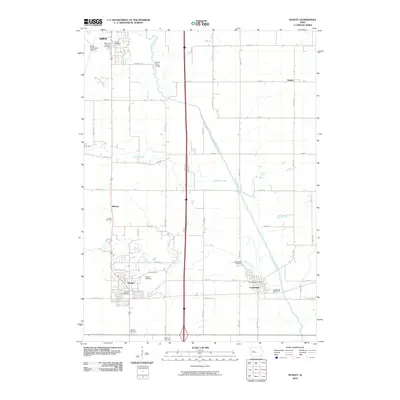 2010 Huxley2010 Print · USGSThe rural corridor south of Ames comes into focus at the start of the decade, showing a landscape defined by the South Skunk River and traditional township grids. Researchers can locate numerous family and community burial sites like Lincoln Cemetery and Ballard Cemetery, or trace the development of Huxley and Cambridge.
 - 2010 Map of Elkhart, 2010 Print
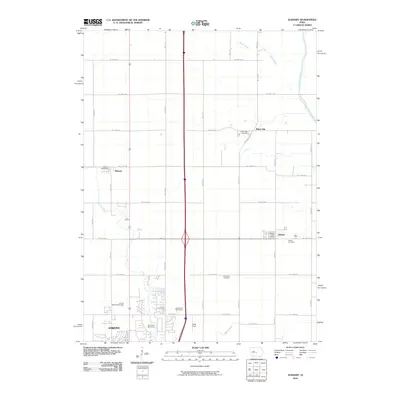 2010 Elkhart2010 Print · USGSThe northern Des Moines periphery comes into focus during this era of suburban growth. Genealogists and local historians can trace family roots through several local landmarks including White Oak Cemetery, Alleman, and Ankeny Memorial Gardens.
 - 2010 Map of Loring, 2010 Print
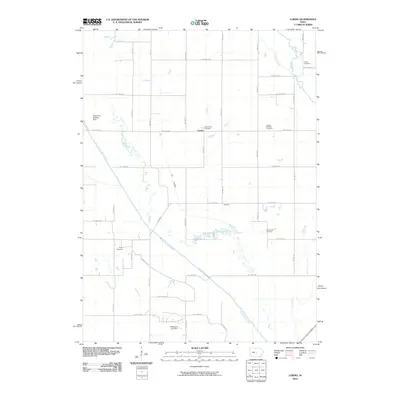 2010 Loring2010 Print · USGSThis part of Story County in the early twenty-first century showcases a rural landscape shaped by the South Skunk River and its numerous Old Channels. Genealogists can trace local roots across several burial sites, including Peoria, Mount Zion, and Byers Cemetery.
 - 2013 Map of Huxley, 2013 Print
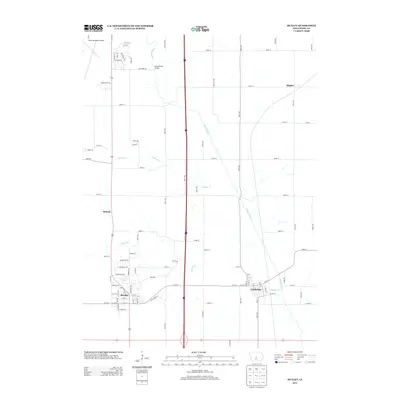 2013 Huxley2013 Print · USGSStory County's rural landscape meets modern expansion in this early 21st-century survey of the area between Huxley and Cambridge. Researchers can trace the development of small settlements like Shipley and Midvale alongside the winding course of the South Skunk River.
 - 2013 Map of Loring, 2013 Print
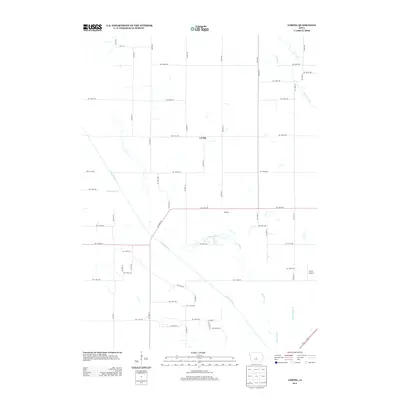 2013 Loring2013 Print · USGSStory County agricultural lands and river management are captured in this early twenty-first-century survey. Researchers can trace the shifting course of the S Skunk River and locate rural hubs like Loring, Oldfield, and the Farrar Airport.
 - 2013 Map of Maxwell, 2013 Print
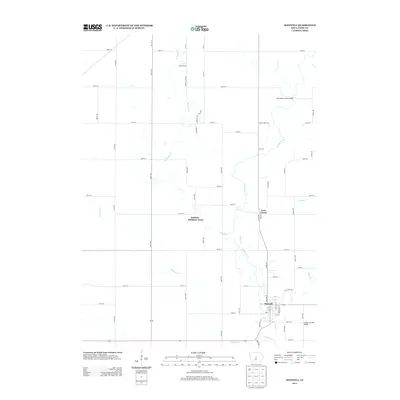 2013 Maxwell2013 Print · USGSSoutheast Story County in the early twenty-first century is centered on the town of Maxwell and the surrounding prairie waterways. Genealogists and local historians can trace the development of Iowa Center, Elwell, and landmarks like the East Indian Creek Bridge.
 - 2013 Map of Elkhart, 2013 Print
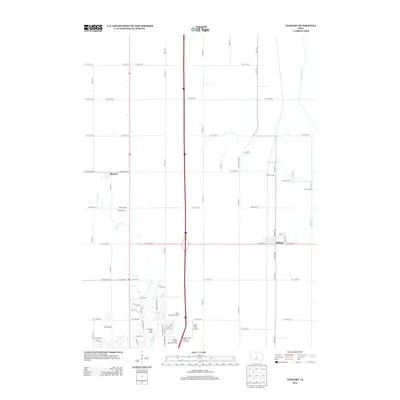 2013 Elkhart2013 Print · USGSPolk County shows the meeting of agricultural traditions and modern suburban expansion in the early 2010s. Researchers can trace the development of Alleman and Elkhart or locate landmarks like Todd Field Airport and the S Skunk River.
 - 2015 Map of Elkhart, 2015 Print
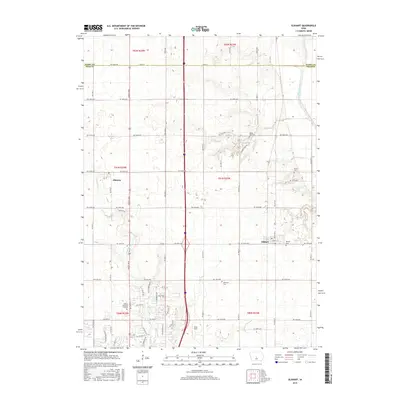 2015 Elkhart2015 Print · USGSElkhart and Alleman appear within a meticulously surveyed landscape of central Iowa in the mid-2010s. Researchers can trace rural lineages through local landmarks like Elkhart Cem, White Oak Cem, and the path of the South Skunk River.
 - 2015 Map of Huxley, 2015 Print
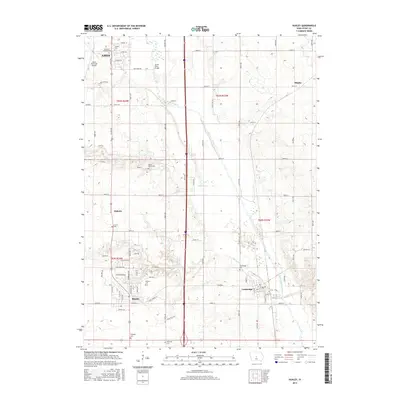 2015 Huxley2015 Print · USGSStory County's southern corridor is captured here at the height of its modern growth, spanning the area between the Ames outskirts and Cambridge. Researchers can locate several historic burial sites, including Fjelberg Cemetery and Walnut Grove Cemetery, or trace the winding South Skunk River.
 - 2015 Map of Loring, 2015 Print
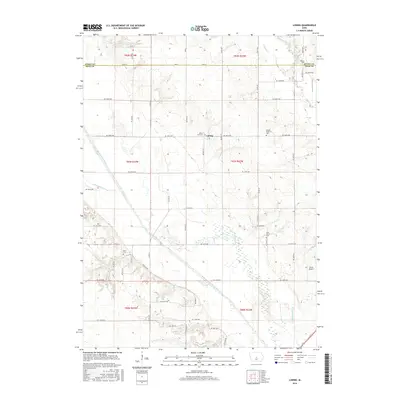 2015 Loring2015 Print · USGSThe Story and Polk county line comes to life in the mid-2010s, showing a fertile landscape where the South Skunk River meets rural farmsteads. Researchers can locate local landmarks like Mount Zion Cem, Loring, and the small Farrar Airport tucked among the section roads.
 - 2015 Map of Maxwell, 2015 Print
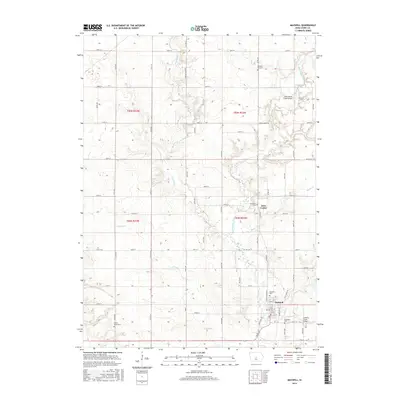 2015 Maxwell2015 Print · USGSSoutheastern Story County comes into focus in this mid-2010s survey of its prairie-and-creek landscape. Genealogists can locate several local burial grounds including Woodland Cem and Brubaker Cem near the town of Maxwell.
 - 2018 Map of Elkhart, 2018 Print
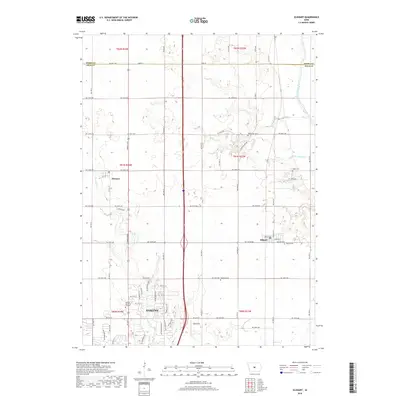 2018 Elkhart2018 Print · USGSIn the late twenty-tens, this part of central Iowa shows the interface of rural township life and modern suburban growth. Researchers can trace family sites at White Oak Cem and Keller Cem or follow the drainage patterns of Fourmile Cr and Ditch Number 11.
 - 2018 Map of Loring, 2018 Print
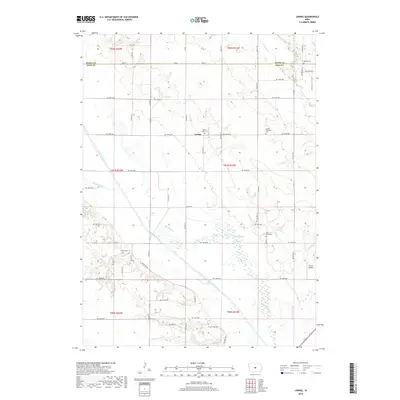 2018 Loring2018 Print · USGSThe Story and Polk county line comes alive in this modern survey of the central Iowa prairie. Researchers can locate numerous family burial sites like Mount Zion Cem and Byers Cem or trace the managed waterways of the South Skunk River and Ditch Number 38.
Showing maps 1-25 of 31
Top cities near Union Township
- Ankeny historical maps
- Ames historical maps
- Johnston historical maps
- Altoona historical maps
- Bondurant historical maps
- Nevada historical maps
See more
Top neighborhoods of Union Township
Frequently asked questions
- What are the different types of historical maps available for Union Township?
- What is the oldest map of Union Township?
- Where can I purchase historical maps of Union Township for my home or office?
- Where can I download high-res historical maps of Union Township?
- Are there historical topographic maps available for Union Township?
- Is there historical aerial imagery available for Union Township?
- Where are historical maps of Union Township sourced from?