Old Maps of Gowrie Township, Iowa for Metal Detecting
Plan your next treasure hunt with 30 historic maps of Gowrie Township. Find old homesites, ghost towns, trails, and gathering spots that may be lost to time — perfect for identifying promising metal detecting locations.
- Locate forgotten sites: Uncover places like long-lost settlements, abandoned rail lines, or gathering spots.
- Plan better hunts: Use map overlays combined with LiDAR or satellite views to narrow in on historically rich areas.
- Made for detectorists: Thousands of hobbyists use these maps to discover relics, coins, and hidden history.
Use these historic maps to boost your research and find new opportunities beneath the surface of Gowrie Township.
Gowrie Township, IA maps
(30)- 1954 Map of Fort Dodge, 1968 Print
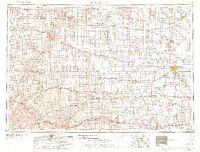 1954 Fort Dodge1968 Print · USGSNorthwest Iowa is shown here during a period of steady industrial and rail activity in the mid-fifties. Researchers can trace the extensive rail lines connecting Fort Dodge to mining and manufacturing sites like Gypsum and Industry Station.3 unique versions available
 - 1957 Map of Fort Dodge
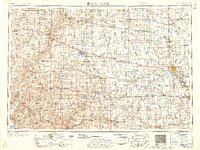 1957 Fort Dodge1957 Print · USGSWest-central Iowa thrived as a network of rail-linked agricultural hubs and river towns during the mid-fifties. Researchers can trace the development of the Des Moines River valley and locate historic landmarks in Fort Dodge, Storm Lake, and Lehigh.
 - 1958 Map of Fort Dodge
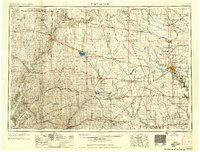 1958 Fort Dodge1958 Print · USGSWestern Iowa in the mid-1950s reveals a productive landscape of river-valley industry and prairie agricultural hubs. Researchers can trace the development of the Des Moines River corridor through Fort Dodge and locate vanished local landmarks near Coalville or Storm Lake.
 - 1962 Map of Jefferson, 1964 Print
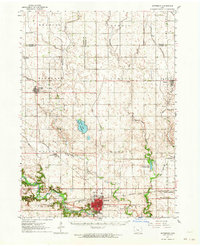 1962 Jefferson1964 Print · USGSGreene County agriculture and rail commerce are at their peak in the early sixties as steam gives way entirely to diesel. Genealogists can locate family plots at Golgotha Cem, trace the rural North Sch, or explore the wetland edges of Goose Lake State Preserve.
 - 1965 Map of Farnhamville, 1966 Print
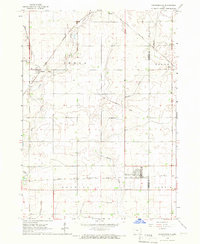 1965 Farnhamville1966 Print · USGSCalhoun and Webster counties appear in the mid-1960s as a productive agricultural engine shaped by rail lines and drainage projects. Researchers can trace family sites near Cedar Cem, the small elevator town of Slifer, or the early Old Railroad Grade.
 - 1965 Map of Gowrie, 1966 Print
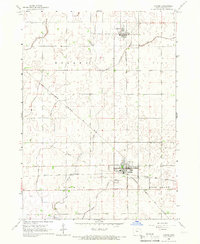 1965 Gowrie1966 Print · USGSGowrie and Callender are captured in the mid-1960s at the height of their importance as a tri-railroad junction. Genealogists and rail historians can trace the paths of the Chicago Rock Island and Pacific and locate local landmarks like Danish Cem and Peterson Airport.
 - 1985 Map of Carroll
 1985 Carroll1985 Print · USGSWest-Central Iowa in the mid-eighties shows a landscape of highly engineered farmland and river-valley conservation. Researchers can trace the drainage patterns of Purgatory Creek or locate local landmarks like Dolliver Memorial State Park and the rail-junction town of Gowrie.
 - 1985 Map of Churdan
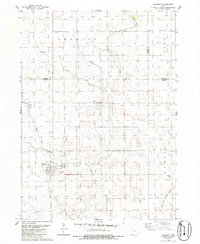 1985 Churdan1985 Print · USGSThis Greene County community is captured in the mid-1980s as its rail-dependent past began to shift into the modern era. Genealogists and local historians can trace the Old Railroad Grade near Adaza or locate family plots at Highland Cem.
 - 1986 Map of Paton
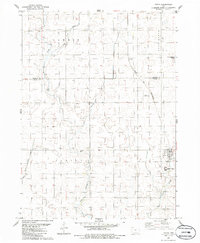 1986 Paton1986 Print · USGSMid-century Greene County comes into focus in this Iowa farm country survey where the Chicago and North Western rail line still serves the prairie. Genealogists and local historians can trace the Dawson Cem and the small siding at Lena.
 - 1993 Map of Carroll
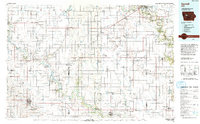 1993 Carroll1993 Print · USGSCentral Iowa's river valleys and rail corridors are captured here in the early nineties, showing a landscape shaped by the Raccoon River and Des Moines River. Genealogists can trace family connections to the many county seats, from Sac City to Jefferson, and locate rural landmarks like Pilot Mound or North Twin Lake.
 - 2010 Map of Gowrie, 2010 Print
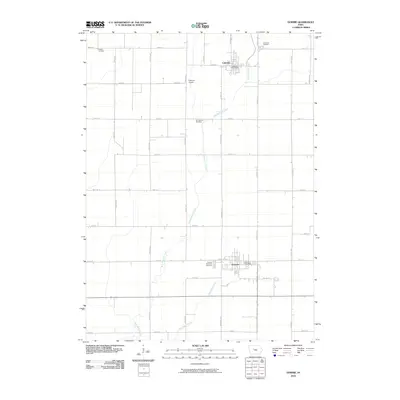 2010 Gowrie2010 Print · USGSWebster County at the start of the millennium reveals a traditional Iowa agricultural landscape centered on the communities of Gowrie and Callender. Researchers can trace local heritage through several burial sites including Our Saviour Cemetery and the Danish Cemetery.
 - 2010 Map of Farnhamville, 2010 Print
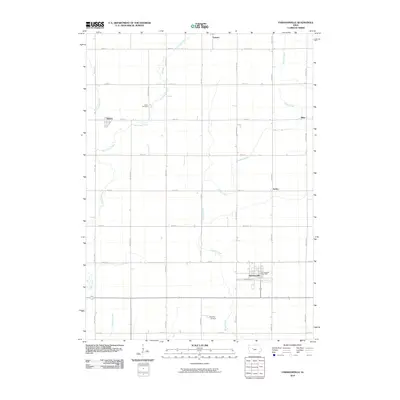 2010 Farnhamville2010 Print · USGSCalhoun County's agricultural heartland is documented here in the early twenty-first century, showing the established grid of section-line roads and rural communities. Genealogists and local historians can locate Cedar Cemetery, the Farnhamville Post Office, and the quiet settlements of Rinard and Slifer.
 - 2010 Map of Paton, 2010 Print
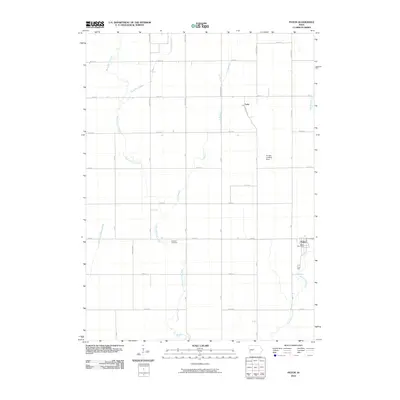 2010 Paton2010 Print · USGSPaton and the surrounding Greene County farmland are captured in the early twenty-first century, showing a landscape defined by industrial-scale agriculture and section lines. Researchers can locate the Dawson Cemetery, the Paton Post Office, and rural landmarks like the Pemble Landing Strip.
 - 2010 Map of Churdan, 2010 Print
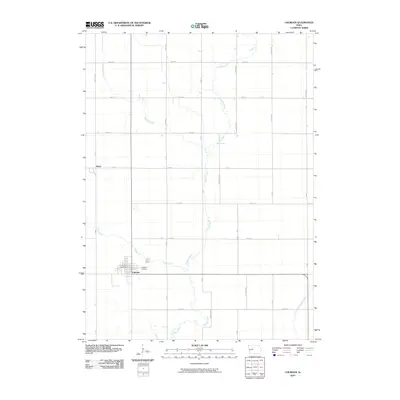 2010 Churdan2010 Print · USGSHighland Township in the early twenty-first century remains defined by its agricultural roots and the steady presence of Churdan. Researchers can trace local history at Highland Cemetery or locate the village of Adaza along the township's surveyed road grid.
 - 2013 Map of Farnhamville, 2013 Print
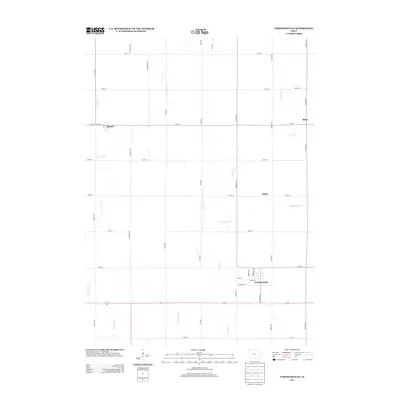 2013 Farnhamville2013 Print · USGSFarnhamville and Rinard are captured in this early twenty-first-century survey of Calhoun County agricultural life. Trace the local street grids and water management features like Hardin Cr, Ditch Number 12, and the small siding of Easley.
 - 2013 Map of Paton, 2013 Print
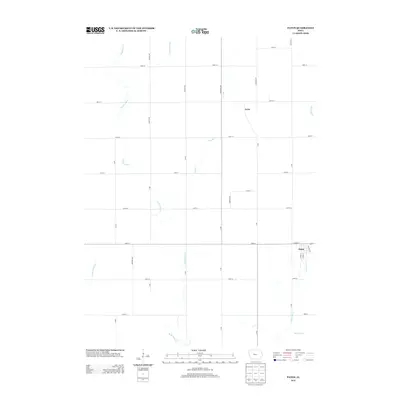 2013 Paton2013 Print · USGSPaton and the surrounding Greene County farmlands are captured here in the early twenty-first century, showing the enduring grid of Iowa's prairie landscape. Local historians can trace the development of Paton and the northern settlement of Lena along the banks of W Buttrick Cr.
 - 2013 Map of Gowrie, 2013 Print
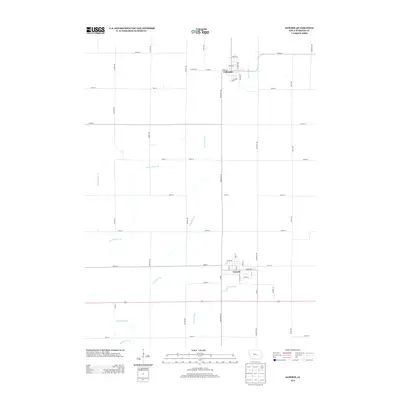 2013 Gowrie2013 Print · USGSWebster County's agricultural landscape is shown in detail during the early 2010s. Local historians can trace the street grids of Gowrie and Callender or follow the paths of W Buttrick Cr and Ditch Number 52.
 - 2013 Map of Churdan, 2013 Print
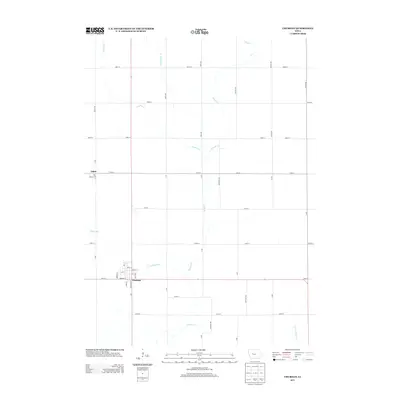 2013 Churdan2013 Print · USGSGreene County, Iowa, at the start of the 2010s reveals a structured landscape of prairie farmsteads and agricultural grids. Researchers can trace the layout of Churdan and Adaza, or follow the winding courses of Hardin Cr and Happy Run.
 - 2015 Map of Paton, 2015 Print
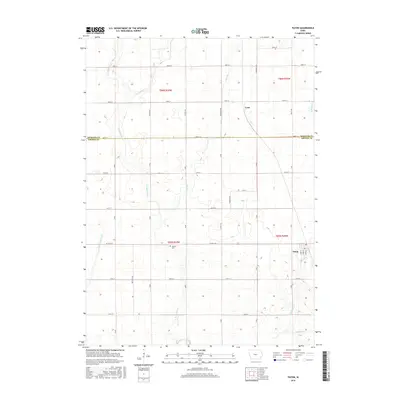 2015 Paton2015 Print · USGSThe northern edge of Greene County and the southern tip of Webster County appear here in the mid-2010s, showing a landscape of productive farm tracts and quiet prairie streams. Genealogists can locate Dawson Cem or trace the early community footprints of Paton and Lena.
 - 2015 Map of Churdan, 2015 Print
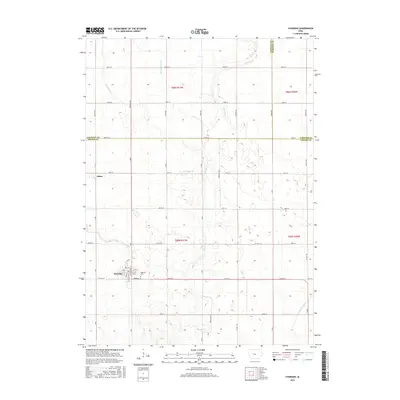 2015 Churdan2015 Print · USGSChurdan and the surrounding Iowa farmlands are documented here in the mid-2010s at the junction of three counties. Genealogists and local researchers can locate the Highland Cemetery and trace watercourses like Hardin Cr and Happy Run across the prairie.
 - 2015 Map of Farnhamville, 2015 Print
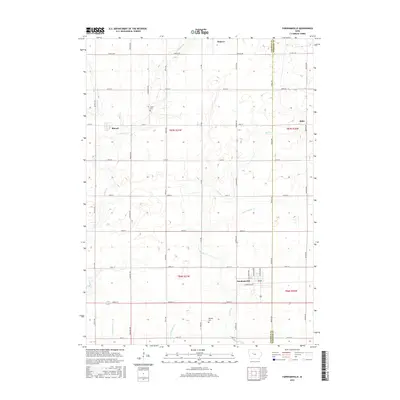 2015 Farnhamville2015 Print · USGSThe rural agricultural landscape of Calhoun and Webster counties is documented here in the mid-2010s. Researchers can locate family heritage sites like Cedar Cem and Reading Cem or trace the early drainage networks of Ditch Number 12 and Ditch Number 28.
 - 2015 Map of Gowrie, 2015 Print
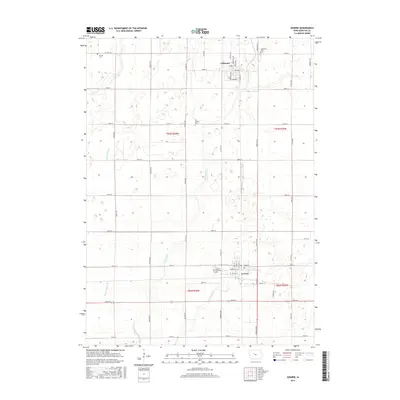 2015 Gowrie2015 Print · USGSWebster County agriculture and township life are captured here in the mid-2010s, showcasing the traditional grid of Iowa farm country. Researchers can locate family plots at the Danish Cem or Gowrie Township Cem and trace water management through Ditch Number 52.
 - 2018 Map of Paton, 2018 Print
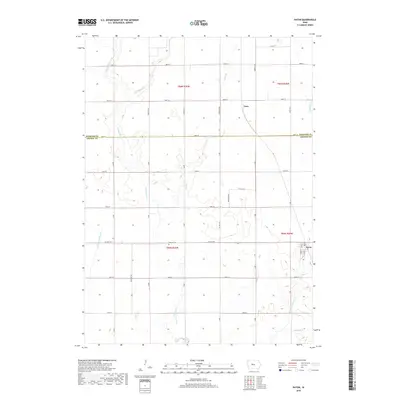 2018 Paton2018 Print · USGSGreene and Webster counties intersect in this 2018 survey of the Iowa prairie, showing the region's enduring agricultural layout. Researchers can trace family history through landmarks like Dawson Cem or the rural settlements of Paton and Lena.
 - 2018 Map of Farnhamville, 2018 Print
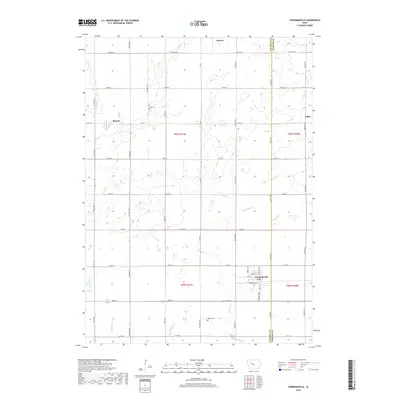 2018 Farnhamville2018 Print · USGSCalhoun County's agricultural heartland is documented here in the late 2010s, showcasing the persistent grid of farm-to-market roads and prairie drainages. Genealogists and local researchers can pinpoint Cedar Cemetery, Reading Cemetery, and the quiet crossroads of Slifer and Rinard.
 - 2018 Map of Gowrie, 2018 Print
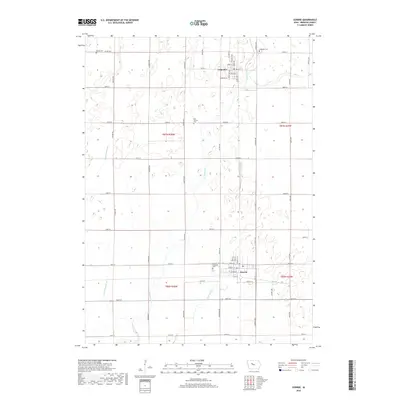 2018 Gowrie2018 Print · USGSAgricultural life in late-2010s Webster County is centered on the prairie towns of Gowrie and Callender. Genealogists can trace family footprints through the Danish Cem and Our Saviour Cem while following the path of W Buttrick Cr.
Showing maps 1-25 of 30
Top cities near Gowrie Township
- Fort Dodge historical maps
- Jefferson historical maps
- Gowrie historical maps
- Grand Junction historical maps
- Coalville historical maps
- Scranton historical maps
See more
Top neighborhoods of Gowrie Township
Frequently asked questions
- What are the different types of historical maps available for Gowrie Township?
- What is the oldest map of Gowrie Township?
- Where can I purchase historical maps of Gowrie Township for my home or office?
- Where can I download high-res historical maps of Gowrie Township?
- Are there historical topographic maps available for Gowrie Township?
- Is there historical aerial imagery available for Gowrie Township?
- Where are historical maps of Gowrie Township sourced from?