Old Maps of Callender, Iowa for Academic Research
Study the evolution of Callender with 11 high-resolution historic maps. Whether you're teaching, researching, or modeling changes in land use, these maps provide essential visual documentation of urban, environmental, and geographic change.
- Analyze long-term change: Track patterns in development, transportation, and natural features.
- Ideal for environmental or urban studies: Support academic projects with primary historical map data.
- Use in the classroom or lab: Educators and researchers rely on these maps to bring historical context to life.
These maps are a powerful tool for teaching, research, and visualizing how Callender has changed over the decades.
Callender, IA maps
(11)- 1954 Map of Fort Dodge, 1968 Print
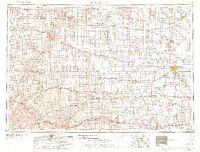 1954 Fort Dodge1968 Print · USGSNorthwest Iowa is shown here during a period of steady industrial and rail activity in the mid-fifties. Researchers can trace the extensive rail lines connecting Fort Dodge to mining and manufacturing sites like Gypsum and Industry Station.3 unique versions available
 - 1957 Map of Fort Dodge
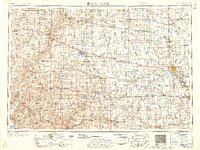 1957 Fort Dodge1957 Print · USGSWest-central Iowa thrived as a network of rail-linked agricultural hubs and river towns during the mid-fifties. Researchers can trace the development of the Des Moines River valley and locate historic landmarks in Fort Dodge, Storm Lake, and Lehigh.
 - 1958 Map of Fort Dodge
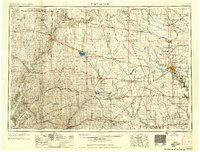 1958 Fort Dodge1958 Print · USGSWestern Iowa in the mid-1950s reveals a productive landscape of river-valley industry and prairie agricultural hubs. Researchers can trace the development of the Des Moines River corridor through Fort Dodge and locate vanished local landmarks near Coalville or Storm Lake.
 - 1965 Map of Gowrie, 1966 Print
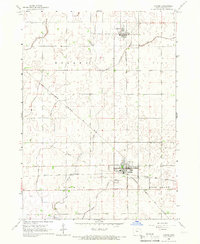 1965 Gowrie1966 Print · USGSGowrie and Callender are captured in the mid-1960s at the height of their importance as a tri-railroad junction. Genealogists and rail historians can trace the paths of the Chicago Rock Island and Pacific and locate local landmarks like Danish Cem and Peterson Airport.
 - 1985 Map of Carroll
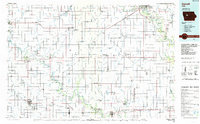 1985 Carroll1985 Print · USGSWest-Central Iowa in the mid-eighties shows a landscape of highly engineered farmland and river-valley conservation. Researchers can trace the drainage patterns of Purgatory Creek or locate local landmarks like Dolliver Memorial State Park and the rail-junction town of Gowrie.
 - 1993 Map of Carroll
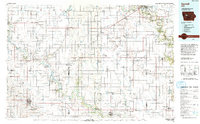 1993 Carroll1993 Print · USGSCentral Iowa's river valleys and rail corridors are captured here in the early nineties, showing a landscape shaped by the Raccoon River and Des Moines River. Genealogists can trace family connections to the many county seats, from Sac City to Jefferson, and locate rural landmarks like Pilot Mound or North Twin Lake.
 - 2010 Map of Gowrie, 2010 Print
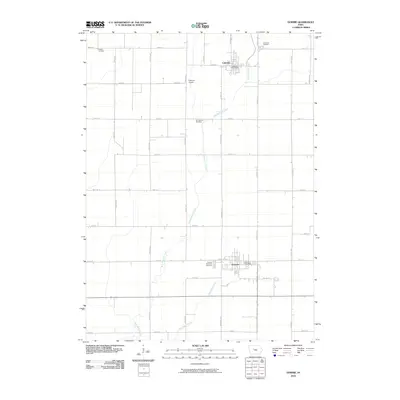 2010 Gowrie2010 Print · USGSWebster County at the start of the millennium reveals a traditional Iowa agricultural landscape centered on the communities of Gowrie and Callender. Researchers can trace local heritage through several burial sites including Our Saviour Cemetery and the Danish Cemetery.
 - 2013 Map of Gowrie, 2013 Print
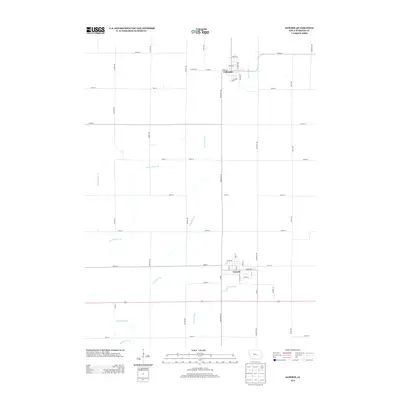 2013 Gowrie2013 Print · USGSWebster County's agricultural landscape is shown in detail during the early 2010s. Local historians can trace the street grids of Gowrie and Callender or follow the paths of W Buttrick Cr and Ditch Number 52.
 - 2015 Map of Gowrie, 2015 Print
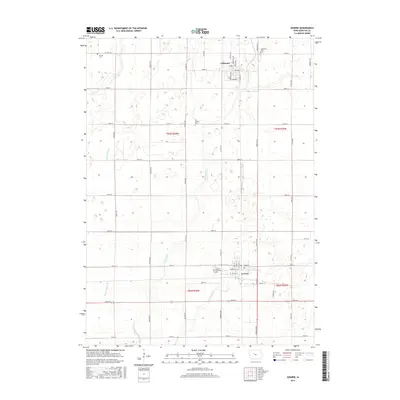 2015 Gowrie2015 Print · USGSWebster County agriculture and township life are captured here in the mid-2010s, showcasing the traditional grid of Iowa farm country. Researchers can locate family plots at the Danish Cem or Gowrie Township Cem and trace water management through Ditch Number 52.
 - 2018 Map of Gowrie, 2018 Print
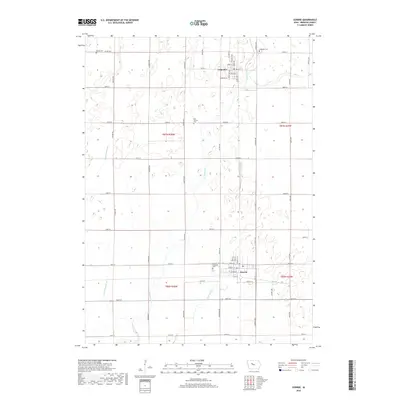 2018 Gowrie2018 Print · USGSAgricultural life in late-2010s Webster County is centered on the prairie towns of Gowrie and Callender. Genealogists can trace family footprints through the Danish Cem and Our Saviour Cem while following the path of W Buttrick Cr.
 - 2022 Map of Gowrie, 2022 Print
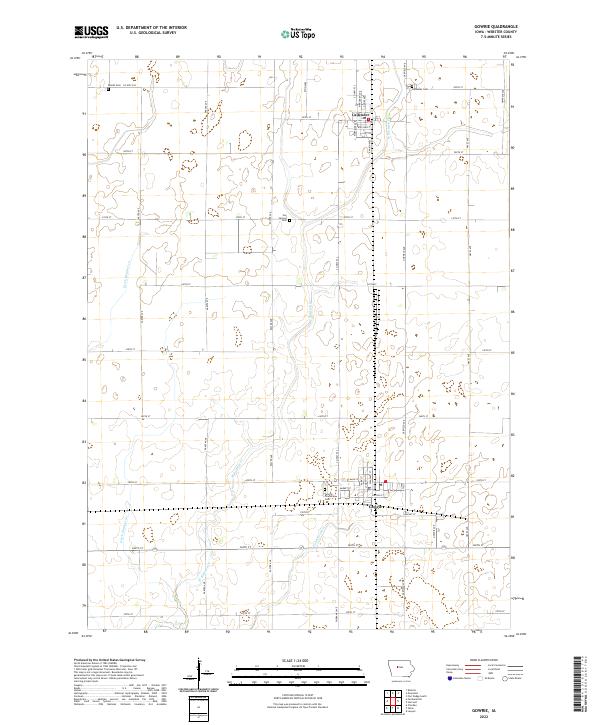 2022 Gowrie2022 Print · USGSThe rural townships of Webster County are captured here in the early 2020s, anchored by the settlements of Gowrie and Callender. Researchers can locate family heritage sites across four grounds, including Danish Cem and Gowrie Township Cem.
End of results
Showing maps 1-11 of 11
Top cities near Callender
- Fort Dodge historical maps
- Gowrie historical maps
- Dayton historical maps
- Coalville historical maps
- Otho historical maps
- Farnhamville historical maps
See more
Frequently asked questions
- What are the different types of historical maps available for Callender?
- What is the oldest map of Callender?
- Where can I purchase historical maps of Callender for my home or office?
- Where can I download high-res historical maps of Callender?
- Are there historical topographic maps available for Callender?
- Is there historical aerial imagery available for Callender?
- Where are historical maps of Callender sourced from?