Old Maps of Atchison County, Kansas for Genealogy
Trace your family roots with 127 historic maps of Atchison County. These high-res maps reveal old neighborhoods, homesites, landmarks, and streets — helping you uncover where your ancestors lived and how the area evolved over time.
- Explore historic neighborhoods: Identify where your relatives may have lived in the 1800s or 1900s.
- Compare maps over time: Trace the changes in streets, buildings, and landmarks for multi-generational research.
- Perfect for genealogy & ancestry research: Used by family historians and researchers to map out lineage and migration.
These maps are an incredible resource for exploring your personal connection to Atchison County's past.
Atchison County, KS maps
(127)- 1885 Map of Atchison, 1954 Print
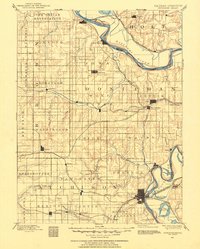 1885 Atchison1954 Print · USGSNortheast Kansas and the Missouri border appear here in the late nineteenth century as a bustling corridor of river commerce and rail expansion. Genealogists can trace family roots through early settlements like Highland, Troy, and Everest, or locate the bounds of the Iowa Indian Reservation.
 - 1886 Map of Oskaloosa, 1954 Print
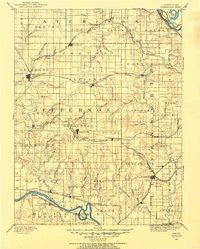 1886 Oskaloosa1954 Print · USGSEastern Kansas in the mid-1880s was a crossroads of major rail expansion and river commerce. Genealogists and historians can trace the early layouts of Oskaloosa and Valley Falls, or locate family sites near Jarbalo Mound and the Delaware River.
 - 1888 Map of Oskaloosa
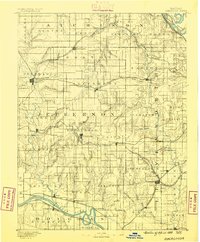 1888 Oskaloosa1888 Print · USGSNortheast Kansas in the late 1880s is captured here as a landscape defined by its river valleys and burgeoning rail towns. Researchers can trace the early footprints of Oskaloosa, Valley Falls, and Tonganoxie alongside the historic routes of the Union Pacific Railroad.
 - 1888 Map of Atchison
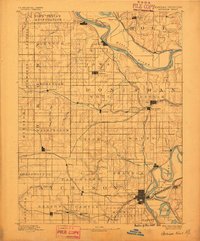 1888 Atchison1888 Print · USGSThe Kansas-Missouri borderlands come alive in this late nineteenth-century record of a booming river and rail economy. Genealogists and historians can trace the early footprints of Atchison and Troy, or locate landmarks like the Iowa Indian Reservation and Sugar Lake.
 - 1888 Map of Hiawatha
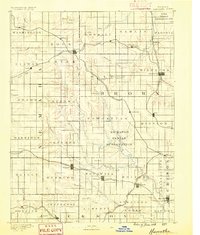 1888 Hiawatha1888 Print · USGSNortheast Kansas in the late 1880s was a bustling corridor of competing rail lines and established tribal lands. Researchers can trace the path of the Kansas Central Railroad and locate early settlements like Powhattan, Baker, and Wetmore.
 - 1889 Map of Topeka
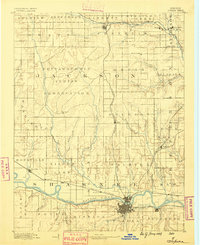 1889 Topeka1889 Print · USGSEastern Kansas in the late nineteenth century was a landscape of rapid rail expansion and tribal land boundaries. Genealogists can trace family roots through the Pottawatomie Indian Reservation or old settlements like Holton, Rossville, and Agency.
 - 1890 Map of Kansas City
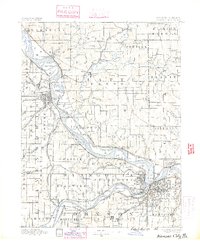 1890 Kansas City1890 Print · USGSThe Missouri River valley at the turn of the decade shows a booming rail-and-river economy centered on KANSAS CITY. Researchers can trace the early footprints of settlements like White Church, Lansing, and Smithville before modern expansion.2 unique versions available
 - 1893 Map of Atchison
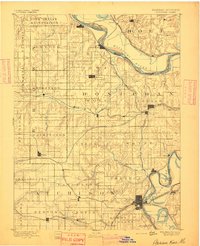 1893 Atchison1893 Print · USGSNortheastern Kansas is captured here in the late nineteenth century as a bustling rail corridor along the Missouri River. Genealogists and historians can trace the early layout of the Iowa Indian Reservation and locate old trackside settlements like Severance and Effingham.5 unique versions available
 - 1894 Map of Kansas City
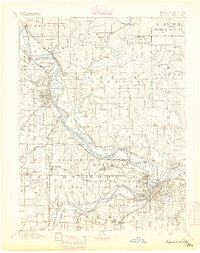 1894 Kansas City1894 Print · USGSThe Missouri River valley at the close of the nineteenth century was a bustling intersection of military life and frontier commerce. Genealogists can trace family roots through river towns like Weston and Parkville or locate early railroad hubs at Settles Station and Beverly Junction.14 unique versions available
 - 1894 Map of Oskaloosa
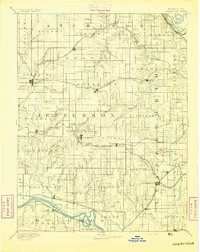 1894 Oskaloosa1894 Print · USGSNortheast Kansas in the late nineteenth century was a landscape of burgeoning rail towns and river commerce. Genealogists can trace family roots through early settlements like Oskaloosa, Valley Falls, and Tonganoxie before modern highways reshaped the county.6 unique versions available
 - 1894 Map of Topeka
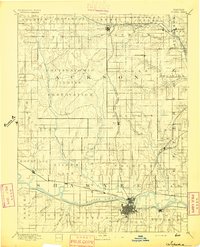 1894 Topeka1894 Print · USGSTopeka and its northern reaches are captured here in the late nineteenth century, during a pivotal era of rail expansion and settlement. Local historians can trace the early layouts of Topeka and Silver Lake alongside the Pottawatomie Indian Reservation.5 unique versions available
 - 1894 Map of Hiawatha
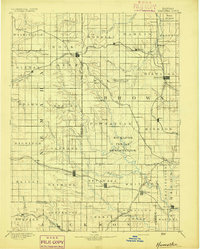 1894 Hiawatha1894 Print · USGSNortheastern Kansas was a bustling intersection of tribal lands and iron rails in the late nineteenth century. Genealogists and historians can trace the early development of Hiawatha, the boundaries of the Kickapoo Indian Reservation, and rail stops like Netawaka or Berwick.4 unique versions available
 - 1910 Map of Leavenworth
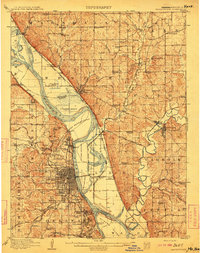 1910 Leavenworth1910 Print · USGSLeavenworth and the Missouri River borderlands are captured here during a period of significant military and institutional growth. Researchers can trace family sites among dozens of landmarks like Slabtown, the U S Penitentiary Reserve, and Kickapoo School.8 unique versions available
 - 1926 Map of Atchison
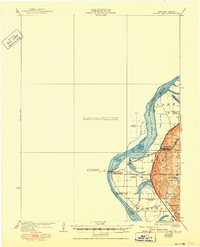 1926 Atchison1926 Print · USGSThe Missouri River floodplain comes to life in this mid-century survey of the Kansas-Missouri borderlands. Genealogists and local historians can trace the positions of old schoolhouses like Fairview School and Enterprise School, and the busy rail activity at East Atchison Winthrop Sta.5 unique versions available
 - 1948 Map of Oak Mills, 1954 Print
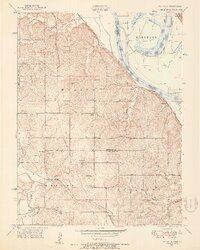 1948 Oak Mills1954 Print · USGSNortheastern Kansas in the late 1940s is captured here, showing the river bluffs and rail lines between Atchison and Leavenworth. Researchers can trace rural life through landmarks like Oak Mills, Lowemont, and numerous country schools such as Rock School and Wyman Sch.2 unique versions available
 - 1948 Map of Leavenworth, 1957 Print
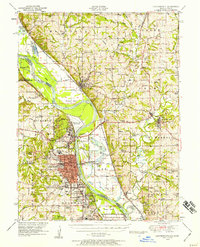 1948 Leavenworth1957 Print · USGSThe Missouri River corridor near Leavenworth and Weston was a vital hub of military and civic institutions in the late 1940s. Genealogists and historians can trace family roots at the Society of Sons of Death Cemetery or locate old schoolhouses like Coffin School and Hund School.4 unique versions available
 - 1950 Map of Kansas City
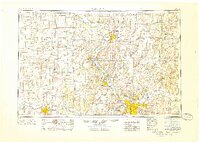 1950 Kansas City1950 Print · USGSMid-century Kansas and Missouri are captured here during a period of industrial growth and shifting transportation. Genealogists and historians can trace rail lines like the Wabash RR or locate ancestral homes near the Potawatomi Indian Reservation and Horton.
 - 1951 Map of Oak Mills
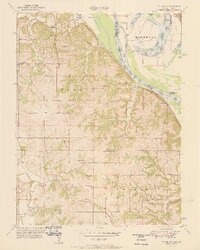 1951 Oak Mills1951 Print · USGSThe Missouri River borderlands come alive in the early fifties, showing the rural communities of Atchison and Leavenworth counties. Trace local family history through landmarks like Round Prairie Church, Dalbey, and the historic Millwood settlement.2 unique versions available
 - 1951 Map of Leavenworth
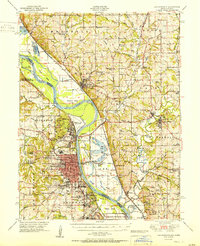 1951 Leavenworth1951 Print · USGSLeavenworth and the Missouri River borderlands are shown here in the early Cold War era, marked by significant federal and military installations. Trace the footprints of Fort Leavenworth, Sherman Air Force Base, and rural landmarks like the Fancy Bottoms School.2 unique versions available
 - 1951 Map of Weston
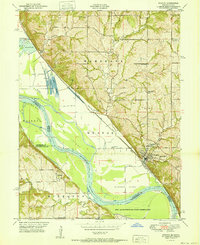 1951 Weston1951 Print · USGSThe Missouri-Kansas borderlands come to life in this mid-century survey, showing the river winding past Weston and the northern edge of the Fort Leavenworth Military Reservation. Genealogists can locate family landmarks like Laurel Hill Cemetery and rural schools including Fancy Bottoms School and Burrus School.2 unique versions available
 - 1951 Map of Rushville
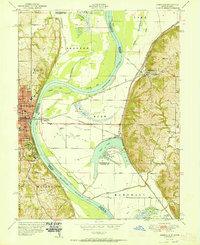 1951 Rushville1951 Print · USGSThe Missouri River floodplain near Atchison and Rushville is shown here in the early fifties, highlighting a landscape shaped by massive river bends and rail lines. Genealogists can trace family names at Armstrong Cem and locate rural landmarks like Pleasant Valley School or the State Orphan Home.2 unique versions available
 - 1954 Map of Kansas City
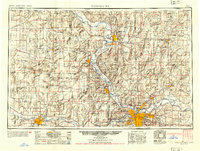 1954 Kansas City1954 Print · USGSThe Missouri-Kansas borderlands flourished in the post-war era as river commerce and rail networks converged at the Missouri River. Genealogists and historians can trace the foundations of Kansas City and smaller rural hubs like Hiawatha or Sabetha.
 - 1956 Map of Kansas City, 1967 Print
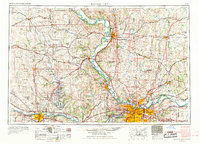 1956 Kansas City1967 Print · USGSThe Kansas-Missouri border region thrived during the mid-fifties, centered on the growing metropolitan cores and the busy river valleys. Researchers can trace the layout of significant government sites like Fort Leavenworth and the Lake City Army Ammunition Plant.4 unique versions available
 - 1959 Map of Bendena, 1960 Print
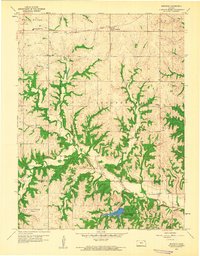 1959 Bendena1960 Print · USGSDoniphan and Atchison counties in the late fifties remained a rural landscape defined by township lines and the east-west rail corridor. Researchers can trace family roots through numerous local sites including Bitner Cem, St Benedict Ch, and Independence Valley Sch.2 unique versions available
 - 1959 Map of Atchison West, 1960 Print
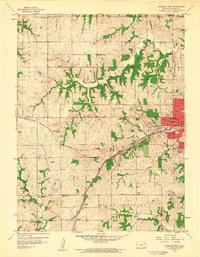 1959 Atchison West1960 Print · USGSAtchison transitioned into a modern hub during the late fifties as rail lines and aviation began to meet expanding suburbs. Genealogists can trace rural roots through numerous country schools like Good Intent Sch and old burial sites including Alderson Cem and Mt Vernon Cemetery.2 unique versions available
Showing maps 1-25 of 127
Top cities of Atchison County
- Atchison historical maps
- Effingham historical maps
- Lancaster historical maps
- Muscotah historical maps
- Huron historical maps
Frequently asked questions
- What are the different types of historical maps available for Atchison County?
- What is the oldest map of Atchison County?
- Where can I purchase historical maps of Atchison County for my home or office?
- Where can I download high-res historical maps of Atchison County?
- Are there historical topographic maps available for Atchison County?
- Is there historical aerial imagery available for Atchison County?
- Where are historical maps of Atchison County sourced from?