Old Maps of Cherokee County, Kansas
Explore 155 old maps of Cherokee County, spanning from 1886 to today. These high-resolution historic maps reveal how streets, neighborhoods, landmarks, and natural features evolved over time — perfect for genealogy, metal detecting, research, and local history exploration.
What you can do with these maps:
- See how Cherokee County changed over time: Compare historical maps to modern-day views to trace roads, homesites, rail lines & more.
- View detailed metadata: Each map includes creators, publishers, year, scale, and archive source.
- Overlay maps with satellite & LiDAR: Visualize the past alongside modern tools to explore terrain & human change.
- Trusted historical sources: Maps sourced from the USGS, Library of Congress, and other archives.
- Access maps your way: View online, download high-res files, or order prints for personal or research use.
Start exploring old maps of Cherokee County to uncover forgotten places, hidden landmarks, and the deep history beneath your feet.
Cherokee County, KS maps
(155)- 1886 Map of Joplin
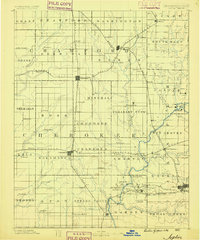 1886 Joplin1886 Print · USGSThe Missouri-Kansas borderlands were rapidly developing in the late nineteenth century as rail lines and river valleys shaped new settlements. Researchers can trace the early footprints of towns like Columbus and Pittsburg or locate vanished points like Georgia City and Litchfield.
 - 1886 Map of Parsons
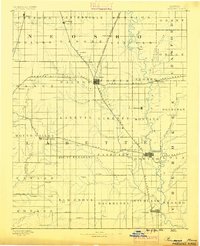 1886 Parsons1886 Print · USGSSoutheast Kansas at the height of the railroad boom is anchored here by the growing hub of Parsons. Genealogists and historians can trace the early townships and rail sidings that shaped Labette County, from Oswego and Chetopa to rural stops like Ladore and Altamont.
 - 1893 Map of Parsons
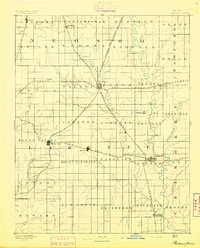 1893 Parsons1893 Print · USGSSoutheastern Kansas was a booming rail center in the late nineteenth century, dominated by the rise of Parsons. Genealogists can trace family connections through early settlements like Ladore, Mound Valley, and Altamont or along the Little Labette Creek drainage.4 unique versions available
 - 1894 Map of Joplin
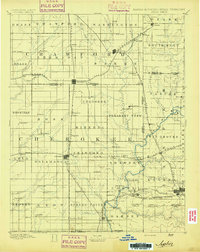 1894 Joplin1894 Print · USGSSoutheastern Kansas and southwestern Missouri met at a crossroads of industry and rail during the late nineteenth century. Genealogists can trace the early streets of Pittsburg and Joplin or find vanished rail stops like Stippville and Stilson.6 unique versions available
 - 1901 Map of Vinita
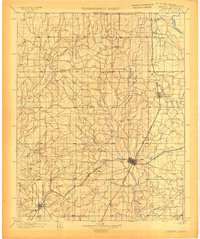 1901 Vinita1901 Print · USGSIndian Territory at the turn of the century shows a landscape of burgeoning railroad towns and Cherokee Nation settlements. Genealogists can trace family roots in early townsites like Vinita, Bluejacket, and Chelsea or locate rural homesteads near Cabin Creek.2 unique versions available
 - 1907 Map of Wyandotte, 1954 Print
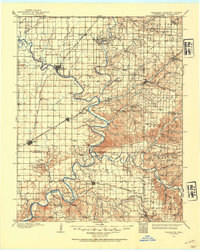 1907 Wyandotte1954 Print · USGSThe Tri-State border region at the start of the twentieth century shows a landscape of river ferries and early rail towns. Trace the locations of family landmarks like Hickory Grove Church, Goad Eagle Ferry, and rural schools from Afton to Seneca.2 unique versions available
 - 1909 Map of Wyandotte
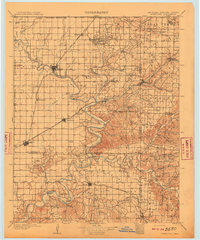 1909 Wyandotte1909 Print · USGSNortheastern Oklahoma’s river valleys and prairies are captured here just after statehood, during a period of rapid rail expansion and tribal land transition. Researchers can trace early river crossings like Rodwhite Ferry and locate historic community centers such as Hickory Grove Church or the Bluejacket School.2 unique versions available
 - 1913 Map of Vinita
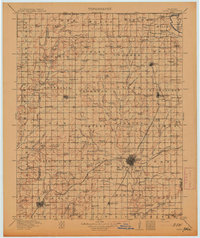 1913 Vinita1913 Print · USGSNortheast Oklahoma at the height of its rail-and-ranch era is meticulously detailed here just as the state was entering its second decade. Genealogists can trace family roots through dozens of local landmarks like W H School, Big Cabin, and the Blue Hawk School.3 unique versions available
 - 1918 Map of Columbus
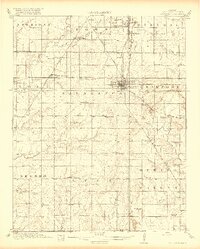 1918 Columbus1918 Print · USGSCherokee County at the end of the Great War was a crossroads of industry and agriculture, dominated by a massive network of competing railroads. Genealogists can locate dozens of country school sites like Rising Sun School and vanished rail stops at Sherwin Junction or Stippville.2 unique versions available
 - 1943 Map of McCune, 1968 Print
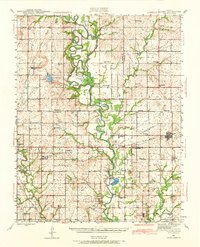 1943 McCune1968 Print · USGSSoutheast Kansas at the height of the Second World War reveals a landscape where traditional farming meets heavy military industry. Researchers can trace the massive Kansas Ordnance Plant alongside vanished rural school districts like Stone Palace Sch and Ideat Sch.
 - 1943 Map of Cherokee, 1972 Print
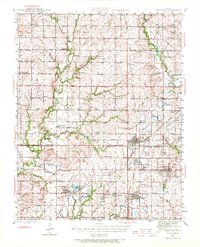 1943 Cherokee1972 Print · USGSSoutheast Kansas coal country is shown at peak industrial activity in the 1940s, where rail lines and surface excavations shaped the community. Researchers can trace family roots through numerous mining towns like Scammon and Weir, or locate rural landmarks like Cyclone Sch and Mt Olive Ch.
 - 1944 Map of Oswego, 1970 Print
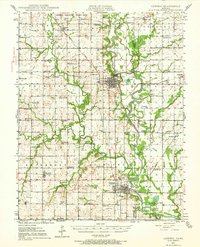 1944 Oswego1970 Print · USGSSoutheast Kansas during the mid-forties reveals a landscape defined by the Neosho River and a dense network of railroad towns. Genealogists and historians can trace dozens of country schools like Mosquito Valley Sch and Eclipse Sch, as well as the footprint of the Kansas Ordnance Plant Area.
 - 1945 Map of Mc Cune
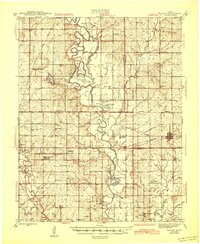 1945 Mc Cune1945 Print · USGSSoutheastern Kansas at the close of the Second World War shows a landscape of river-bottom farms and emerging industry. Genealogists can locate dozens of country schools like Quick Sch and trace family ties at the Franklin Cem or Oakwood Cem.2 unique versions available
 - 1945 Map of Pittsburg
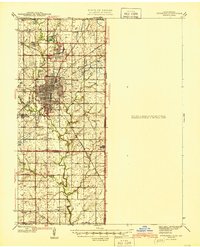 1945 Pittsburg1945 Print · USGSSoutheast Kansas at the end of the war reveals a landscape dominated by the coal industry and rural community life. Researchers can trace the extensive rail networks of the St Louis San Francisco or locate old schoolhouses like Owsley Sch and Bird Sch.2 unique versions available
 - 1945 Map of Cherokee
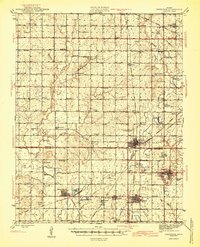 1945 Cherokee1945 Print · USGSSoutheast Kansas is shown at the peak of its coal-mining era, where industrial networks intersect with established farming townships. Researchers can trace the extensive Strip Mines and find vanished landmarks like the County Farm and the Immaculate Conception Ch.2 unique versions available
 - 1946 Map of Oswego
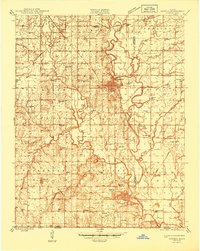 1946 Oswego1946 Print · USGSSoutheastern Kansas at the end of the war reveals a landscape of river-bottom farming, active coal extraction, and defense-era industrial expansion. Genealogists can trace family roots through numerous rural sites like Friendship Sch, Pleasant Valley Cem, and the town of Bartlett.
 - 1947 Map of Joplin, 1954 Print
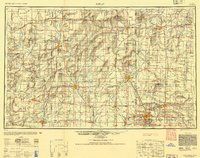 1947 Joplin1954 Print · USGSThe borderlands of Missouri, Kansas, and Oklahoma are shown here during the late 1940s, a period of heavy industrial and military activity. Researchers can trace the extensive Tri-State Mining District, the layout of Camp Crowder, and local landmarks like Mount Hope Cem.
 - 1947 Map of Pittsburg, 1978 Print
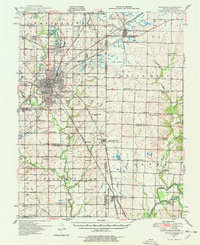 1947 Pittsburg1978 Print · USGSSoutheast Kansas and the Missouri borderlands were defined by the coal industry in the late 1940s. Genealogists can trace family footprints through numerous township schools like Nelson Sch and the many Strip Mines surrounding Frontenac and Mindenmines.
 - 1948 Map of Oswego
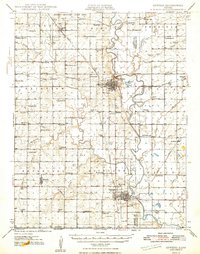 1948 Oswego1948 Print · USGSSoutheast Kansas in the late 1940s reveals a landscape defined by the Neosho River and a bustling extractive economy. Researchers can trace dozens of rural school sites like Shiloh Sch and Liggett Sch, alongside numerous strip mines and family cemeteries.3 unique versions available
 - 1949 Map of Joplin
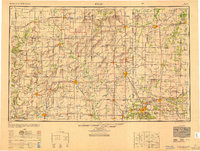 1949 Joplin1949 Print · USGSThe Kansas-Missouri borderlands thrive in the late 1940s, showing a robust network of railroad towns and river valleys. Researchers can trace historic rail lines like the Missouri Pacific RR and locate rural centers such as Chanute, Iola, and Fort Scott.
 - 1949 Map of Racine, 1973 Print
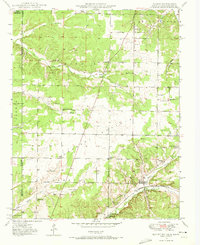 1949 Racine1973 Print · USGSNewton County was a crossroad of mining and agriculture in the late 1940s, situated at the junction of three states. Researchers can trace family history through dozens of landmarks like Tripoli Mines, Burkhart Ch, and the Gibson Cem.2 unique versions available
 - 1950 Map of Pittsburg
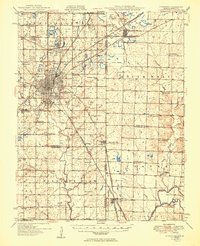 1950 Pittsburg1950 Print · USGSThe coal country along the Kansas-Missouri border was defined by heavy industry and rail just after the war. Genealogists and historians can trace numerous rural schools and family burial sites, including Mindenmines Cem, Council Corner Sch, and the town of Litchfield.2 unique versions available
 - 1950 Map of Racine
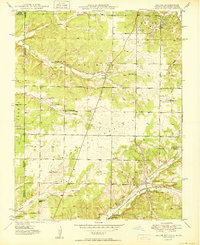 1950 Racine1950 Print · USGSNewton County's tri-state border region is captured here in the mid-century, showing a landscape shaped by mining and rural schooling. Researchers can locate family landmarks like Gibson Cem or trace the old St Louis San Francisco rail line through Racine.2 unique versions available
 - 1954 Map of Tulsa
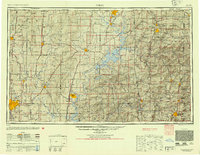 1954 Tulsa1954 Print · USGSNortheast Oklahoma and the Ozark border are shown here during a period of massive industrial and infrastructure growth. Researchers can trace the legacy of the Tri-State Mining District and the development of major reservoirs like Grand Lake O' The Cherokees.2 unique versions available
 - 1954 Map of Joplin, 1967 Print
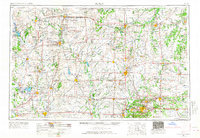 1954 Joplin1967 Print · USGSThe tri-state border region of Kansas, Missouri, and Oklahoma is captured here during a peak era of mid-century industrial and agricultural activity. Researchers can trace family history through dozens of rural cemeteries or locate landmarks like the Kansas Army Ammunition Plant and Pittsburg State University.3 unique versions available
Showing maps 1-25 of 155
Top cities of Cherokee County
- Baxter Springs historical maps
- Columbus historical maps
- Galena historical maps
- Weir historical maps
- Lowell historical maps
- Scammon historical maps
See more
Frequently asked questions
- What are the different types of historical maps available for Cherokee County?
- What is the oldest map of Cherokee County?
- Where can I purchase historical maps of Cherokee County for my home or office?
- Where can I download high-res historical maps of Cherokee County?
- Are there historical topographic maps available for Cherokee County?
- Is there historical aerial imagery available for Cherokee County?
- Where are historical maps of Cherokee County sourced from?