Old Maps of Duckroost, Louisiana for Metal Detecting
Plan your next treasure hunt with 16 historic maps of Duckroost. Find old homesites, ghost towns, trails, and gathering spots that may be lost to time — perfect for identifying promising metal detecting locations.
- Locate forgotten sites: Uncover places like long-lost settlements, abandoned rail lines, or gathering spots.
- Plan better hunts: Use map overlays combined with LiDAR or satellite views to narrow in on historically rich areas.
- Made for detectorists: Thousands of hobbyists use these maps to discover relics, coins, and hidden history.
Use these historic maps to boost your research and find new opportunities beneath the surface of Duckroost.
Duckroost, LA maps
(16)- 1892 Map of Donaldsonville
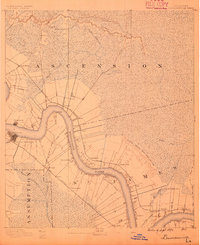 1892 Donaldsonville1892 Print · USGSLouisiana river life in the early 1890s centered on the great meanders and landings of the river parishes. Genealogists and historians can trace the early footprints of Donaldsonville, locate the Indian Mounds, and see the impact of the Nita Crevasse on the shoreline.12 unique versions available
 - 1939 Map of Donaldsonville, 1953 Print
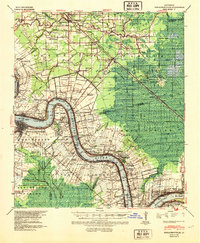 1939 Donaldsonville1953 Print · USGSLouisiana's river parishes are captured here in the late 1930s, showing a landscape defined by the winding Mississippi River and its rich agricultural traditions. Genealogists and historians can trace family roots through numerous combined school and church sites like Little Zion Sch Ch & Cem or the sprawling riverside Monroe Plantation.5 unique versions available
 - 1947 Map of Sorrento
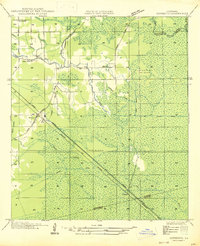 1947 Sorrento1947 Print · USGSLouisiana's Ascension Parish is captured here in the mid-1940s as a landscape of vital rail corridors and complex drainage systems. Genealogists and historians can trace old homesteads and routes through Sorrento, Saint Amant, and McElroy along the Airline Highway.
 - 1954 Map of Baton Rouge, 1974 Print
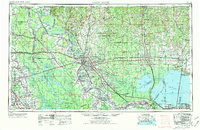 1954 Baton Rouge1974 Print · USGSSoutheast Louisiana in the mid-fifties is captured here during a period of transition for its river and rail economies. Researchers can trace the path of the Mississippi River and find landmarks like the Bonnet Carre Spillway and Bayou Plaquemine.2 unique versions available
 - 1956 Map of Baton Rouge
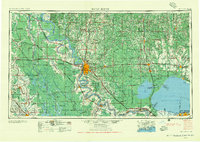 1956 Baton Rouge1956 Print · USGSSouth Louisiana at the height of the mid-century oil boom shows a landscape of river oxbows and rising industry. Researchers can trace family roots through river towns like Scotlandville or locate early industrial sites and Oil wells near Lake Maurepas.
 - 1961 Map of Baton Rouge, 1966 Print
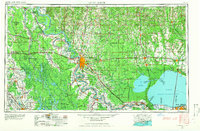 1961 Baton Rouge1966 Print · USGSSoutheastern Louisiana in the early sixties remains a landscape of deep river bends and sprawling coastal lakes. Genealogists and historians can trace the rail-and-river economy through landmarks like Free-Nigger Point, Donaldsonville, and the Illinois Central Railroad.
 - 1962 Map of Baton Rouge
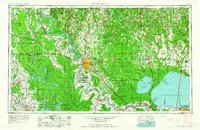 1962 Baton Rouge1962 Print · USGSSouth Louisiana in the early sixties reveals a landscape of river-bend parishes and emerging interstate corridors. Genealogists and historians can trace family roots through historic river towns like Donaldsonville and Plaquemine, or follow the path of the Illinois Central Railroad through the swamp basins.
 - 1962 Map of Sorrento, 1963 Print
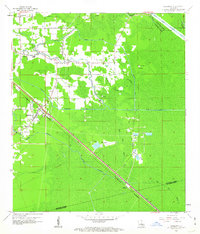 1962 Sorrento1963 Print · USGSLouisiana's low-lying river country is documented here in the early sixties as industrial development met the swamp. Researchers can trace the Kansas City Southern rail line past family landmarks like Richardson Cem and the small settlement at Duckroost.4 unique versions available
 - 1962 Map of Donaldsonville, 1963 Print
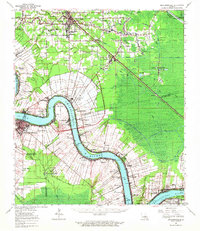 1962 Donaldsonville1963 Print · USGSThe Mississippi River parishes of Ascension and St. James are shown here in the early sixties as industrial oil fields began to emerge alongside historic riverfront settlements. Researchers can trace family roots through numerous sites like St Michael Cem, Burnside Cem, and the small community of Brulie Maurin.
 - 1965 Map of Donaldsonville
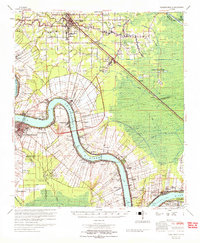 1965 Donaldsonville1965 Print · USGSThe Mississippi River corridor south of Baton Rouge comes into focus in the 1960s, showing a transition between plantation heritage and the petroleum age. Genealogists can trace family names and local landmarks through sites like Belle Helene Plantation, Brulie Maurin, and St Landry Ch Cem.
 - 1983 Map of Ponchatoula, 1984 Print
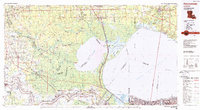 1983 Ponchatoula1984 Print · USGSThe Lake Pontchartrain Basin and the River Parishes come into focus during the early 1980s, showcasing the region's complex water-dependent geography. Researchers can trace the rail routes of the Illinois Central Gulf Railroad and explore landmarks from Pass Manchac to Donaldsonville.2 unique versions available
 - 2012 Map of Sorrento, 2012 Print
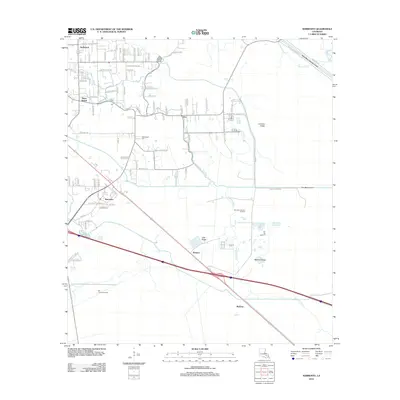 2012 Sorrento2012 Print · USGSAscension Parish settlement and industry are captured here in the early twenty-first century, showing the area's intricate bayou network. Researchers can trace family-named roads and find local landmarks like Richardson Cem, Saint Amant, and the Sorrento Gas and Oil Field.
 - 2015 Map of Sorrento, 2015 Print
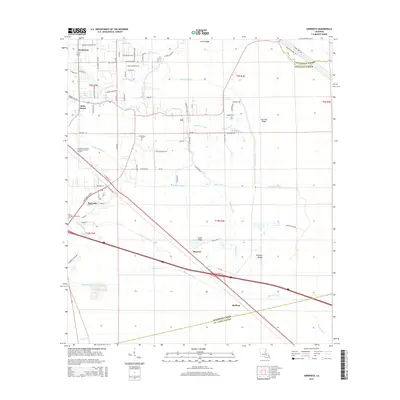 2015 Sorrento2015 Print · USGSAscension Parish is captured here in the mid-2010s, showing a landscape defined by its intricate bayous and drainage canals. Researchers can trace local lineages through family-named roads or locate small communities like Acy, Barmen, and the Richardson Cem.
 - 2018 Map of Sorrento, 2018 Print
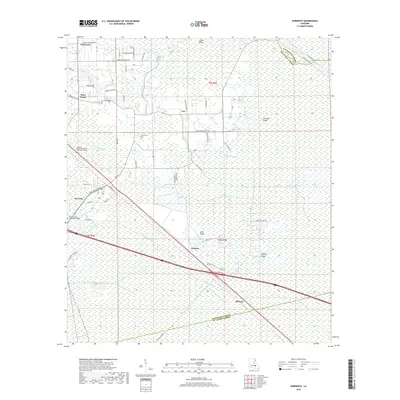 2018 Sorrento2018 Print · USGSIn the river parishes during the late twenty-teens, this area shows a landscape of deep-rooted settlements and modern infrastructure. Genealogists can trace family landmarks like the Richardson Cem and named thoroughfares such as Peter Bourgeois Rd near Saint Amant.
 - 2020 Map of Sorrento, 2020 Print
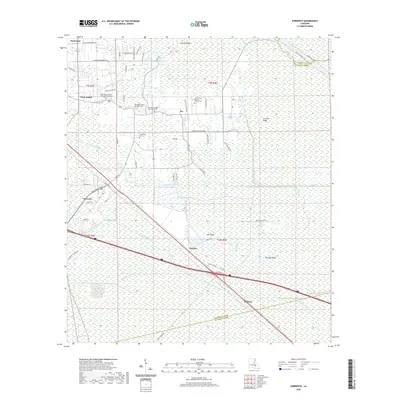 2020 Sorrento2020 Print · USGSAscension Parish at the start of the 2020s shows a landscape defined by its intricate bayous and historic ridge settlements. Genealogists and historians can trace family-named sites like Richardson Cem, the community of Duckroost, and churches like Saint Amant Baptist Church.
 - 2024 Map of Sorrento, 2024 Print
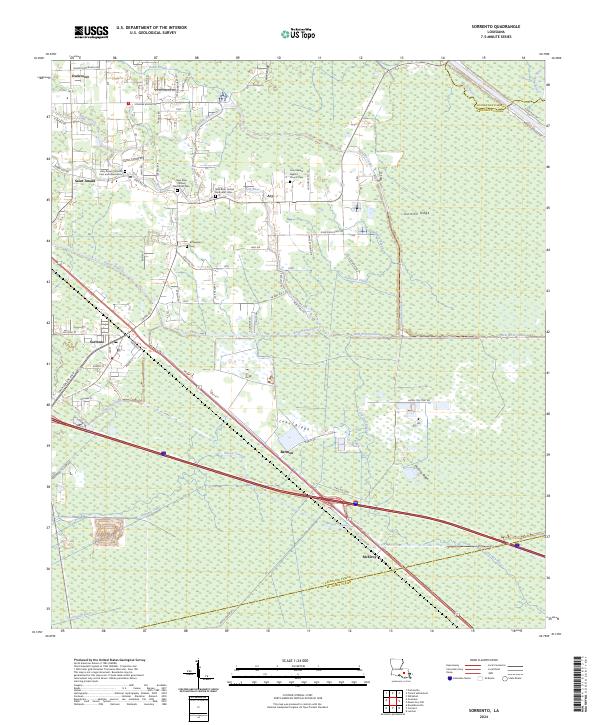 2024 Sorrento2024 Print · USGSThe lowlands of Ascension Parish come alive in this survey of the river-and-canal systems south of the Amite. Researchers can trace family sites at Holy Rosary Catholic Cem and Mausoleum and explore the historic crossroads of Saint Amant and Sorrento.
End of results
Showing maps 1-16 of 16
Top cities near Duckroost
- Baton Rouge historical maps
- Saint George historical maps
- St. George historical maps
- Prairieville historical maps
- Central historical maps
- Gonzales historical maps
See more
Frequently asked questions
- What are the different types of historical maps available for Duckroost?
- What is the oldest map of Duckroost?
- Where can I purchase historical maps of Duckroost for my home or office?
- Where can I download high-res historical maps of Duckroost?
- Are there historical topographic maps available for Duckroost?
- Is there historical aerial imagery available for Duckroost?
- Where are historical maps of Duckroost sourced from?