Old Maps of Frenier, Louisiana for Metal Detecting
Plan your next treasure hunt with 19 historic maps of Frenier. Find old homesites, ghost towns, trails, and gathering spots that may be lost to time — perfect for identifying promising metal detecting locations.
- Locate forgotten sites: Uncover places like long-lost settlements, abandoned rail lines, or gathering spots.
- Plan better hunts: Use map overlays combined with LiDAR or satellite views to narrow in on historically rich areas.
- Made for detectorists: Thousands of hobbyists use these maps to discover relics, coins, and hidden history.
Use these historic maps to boost your research and find new opportunities beneath the surface of Frenier.
Frenier, LA maps
(19)- 1892 Map of Bonnet Carre
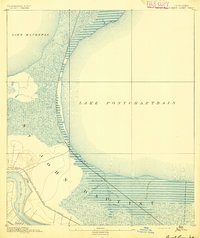 1892 Bonnet Carre1892 Print · USGSThe Louisiana delta in the 1890s reveals a landscape of riverfront settlements and strategic rail lines at the edge of the lake. Trace the path of the Bonnet Carre Crevasse or locate old landings at Frenier, Lucy, and La Branche.3 unique versions available
 - 1935 Map of Laplace
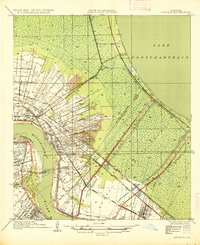 1935 Laplace1935 Print · USGSSt. John the Baptist Parish and St. Charles Parish appear here in the mid-1930s during the early years of the massive Bonnet Carre Spillway project. Genealogists can locate riverfront landmarks like Trinity Plantation and early settlements including Frenier and Lucy.
 - 1936 Map of Bonnet Carre, 1937 Print
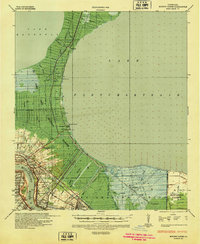 1936 Bonnet Carre1937 Print · USGSThe Louisiana river parishes are shown in transition during the 1930s as massive flood control projects reshape the landscape. Genealogists and researchers can trace the historic Woodland Plantation, locate the Killona Sch, or study the footprints of rail-side towns like Frenier and Laplace.
 - 1952 Map of Laplace, 1953 Print
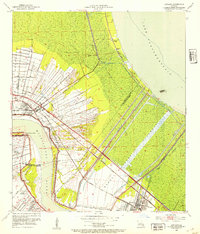 1952 Laplace1953 Print · USGSIn the early fifties, this area of the river parishes was defined by the intersection of industrial growth and massive flood control projects. Researchers can trace the riverfront footprints of Glen Dale Plantation and the Old Killona Sch alongside the sprawling Bonnet Carre Floodway.
 - 1954 Map of Baton Rouge, 1974 Print
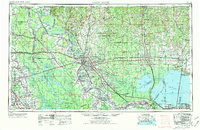 1954 Baton Rouge1974 Print · USGSSoutheast Louisiana in the mid-fifties is captured here during a period of transition for its river and rail economies. Researchers can trace the path of the Mississippi River and find landmarks like the Bonnet Carre Spillway and Bayou Plaquemine.2 unique versions available
 - 1956 Map of Baton Rouge
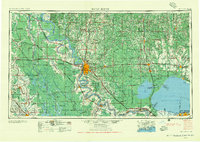 1956 Baton Rouge1956 Print · USGSSouth Louisiana at the height of the mid-century oil boom shows a landscape of river oxbows and rising industry. Researchers can trace family roots through river towns like Scotlandville or locate early industrial sites and Oil wells near Lake Maurepas.
 - 1957 Map of Bonnet Carre, 1958 Print
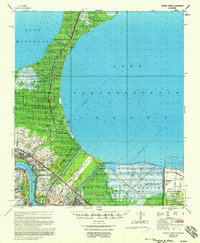 1957 Bonnet Carre1958 Print · USGSCoastal Louisiana at the height of mid-century industrialization reveals a landscape shaped by river management and oil discovery. Trace the footprints of Anchor Plantation, follow the Illinois Central through Ruddock, and see the vast Bonnet Carre Floodway.
 - 1961 Map of Baton Rouge, 1966 Print
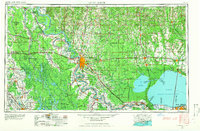 1961 Baton Rouge1966 Print · USGSSoutheastern Louisiana in the early sixties remains a landscape of deep river bends and sprawling coastal lakes. Genealogists and historians can trace the rail-and-river economy through landmarks like Free-Nigger Point, Donaldsonville, and the Illinois Central Railroad.
 - 1962 Map of Baton Rouge
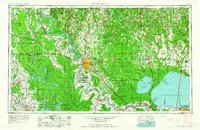 1962 Baton Rouge1962 Print · USGSSouth Louisiana in the early sixties reveals a landscape of river-bend parishes and emerging interstate corridors. Genealogists and historians can trace family roots through historic river towns like Donaldsonville and Plaquemine, or follow the path of the Illinois Central Railroad through the swamp basins.
 - 1967 Map of Laplace, 1968 Print
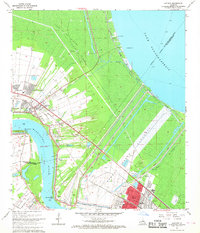 1967 Laplace1968 Print · USGSThe river parishes in the late sixties show a landscape defined by industrial energy and massive flood control projects. Researchers can trace the path of the Bonnet Carre Floodway and locate local landmarks like the Montz Cem and Bethune High Sch.4 unique versions available
 - 1969 Map of Bonnet Carre, 1971 Print
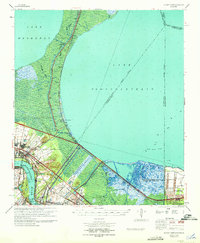 1969 Bonnet Carre1971 Print · USGSThe Louisiana river parishes are shown in a transitional era of flood control and petroleum expansion during the late sixties. Genealogists and historians can trace riverside settlements like Montz and Lucy, or follow the industrial corridor near the Bonnet Carre Spillway.
 - 1983 Map of Ponchatoula, 1984 Print
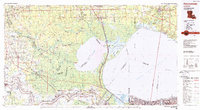 1983 Ponchatoula1984 Print · USGSThe Lake Pontchartrain Basin and the River Parishes come into focus during the early 1980s, showcasing the region's complex water-dependent geography. Researchers can trace the rail routes of the Illinois Central Gulf Railroad and explore landmarks from Pass Manchac to Donaldsonville.2 unique versions available
 - 1992 Map of Laplace
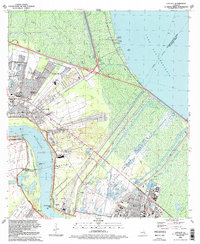 1992 Laplace1992 Print · USGSThe river parishes in the early 1990s were a landscape of massive flood control projects and expanding petroleum infrastructure. Genealogists and local historians can trace the development of Laplace and Norco, locate the Montz Cem, and study the Bonnet Carre Floodway.2 unique versions available
 - 1998 Map of Laplace, 2001 Print
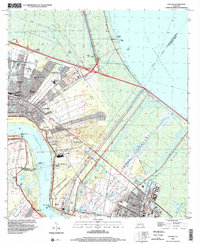 1998 Laplace2001 Print · USGSCoastal Louisiana at the end of the millennium is defined by the massive Bonnet Carre Floodway stretching between the river and lake. Researchers can trace family sites at Montz Cem, locate old schools like Glade Sch, and study the industrial sprawl near Norco.
 - 2012 Map of Laplace, 2012 Print
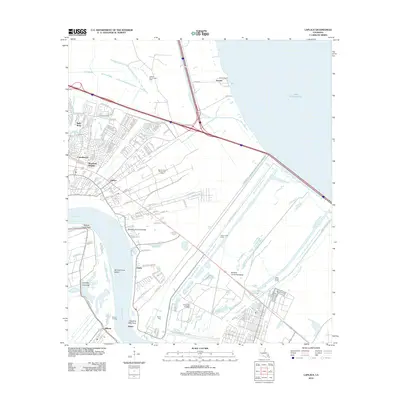 2012 Laplace2012 Print · USGSCovers Frenier, including LaPlace, Belle Terre, and other nearby areas
 - 2015 Map of Laplace, 2015 Print
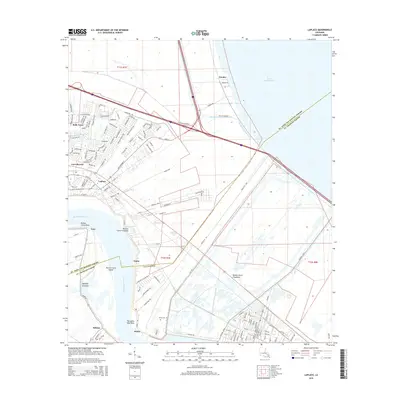 2015 Laplace2015 Print · USGSCovers Frenier, including LaPlace, Belle Terre, and other nearby areas
 - 2018 Map of Laplace, 2018 Print
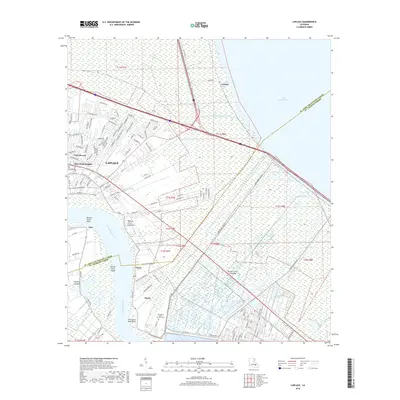 2018 Laplace2018 Print · USGSCovers Frenier, including LaPlace, Belle Terre, and other nearby areas
 - 2020 Map of Laplace, 2020 Print
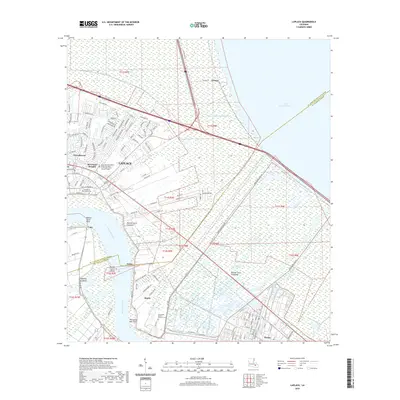 2020 Laplace2020 Print · USGSCovers Frenier, including LaPlace, Belle Terre, and other nearby areas
 - 2024 Map of Laplace, 2024 Print
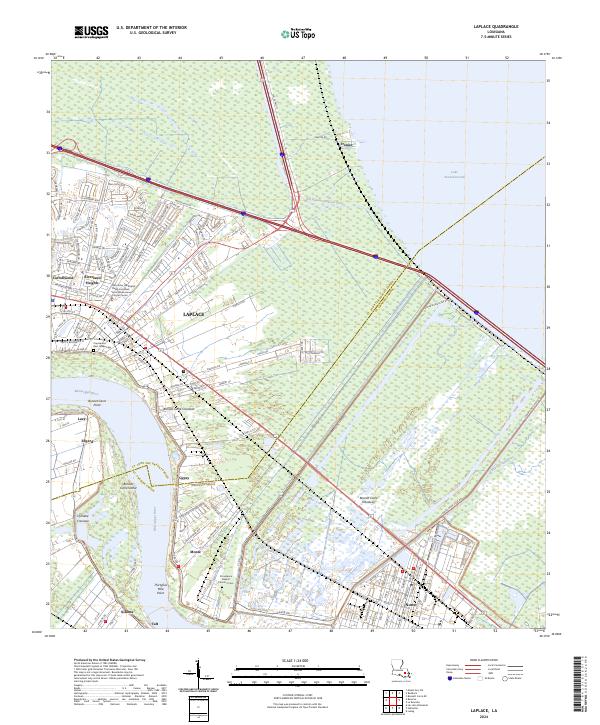 2024 Laplace2024 Print · USGSThe Mississippi River bends through St. John the Baptist Parish in the twenty-first century, showcasing a landscape defined by flood control and river industry. Researchers can trace the massive Bonnet Carre Floodway or locate local sites like Providence Rest Haven Cem and the settlement of Frenier on the lakefront.
End of results
Showing maps 1-19 of 19
Top cities near Frenier
- Kenner historical maps
- LaPlace historical maps
- Waggaman historical maps
- Harahan historical maps
- Killian historical maps
Frequently asked questions
- What are the different types of historical maps available for Frenier?
- What is the oldest map of Frenier?
- Where can I purchase historical maps of Frenier for my home or office?
- Where can I download high-res historical maps of Frenier?
- Are there historical topographic maps available for Frenier?
- Is there historical aerial imagery available for Frenier?
- Where are historical maps of Frenier sourced from?