Old Maps of Jim Pond Township, Maine for Academic Research
Study the evolution of Jim Pond Township with 48 high-resolution historic maps. Whether you're teaching, researching, or modeling changes in land use, these maps provide essential visual documentation of urban, environmental, and geographic change.
- Analyze long-term change: Track patterns in development, transportation, and natural features.
- Ideal for environmental or urban studies: Support academic projects with primary historical map data.
- Use in the classroom or lab: Educators and researchers rely on these maps to bring historical context to life.
These maps are a powerful tool for teaching, research, and visualizing how Jim Pond Township has changed over the decades.
Jim Pond Township, ME maps
(48)- 1928 Map of Chain Lakes
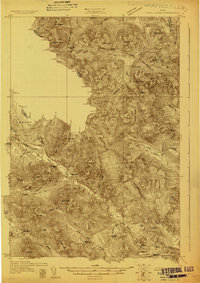 1928 Chain Lakes1928 Print · USGSThe Maine North Woods and the Canadian border come alive in the late 1920s, showing a landscape defined by timber camps and mountain peaks. Genealogists and historians can trace old forest outposts like Moosehill Camp and Ben Dewitt Camp or the location of Round Mtn PO.
 - 1928 Map of Spencer
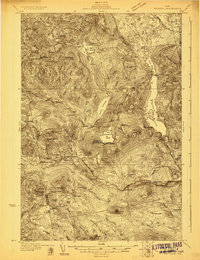 1928 Spencer1928 Print · USGSNorthern Maine's remote logging and sporting country is captured here during the late 1920s. You can trace early wilderness outposts like Gerard (PO) Spencer Lake Camps and Kibby Kamp near Spencer Lake.2 unique versions available
 - 1928 Map of Stratton
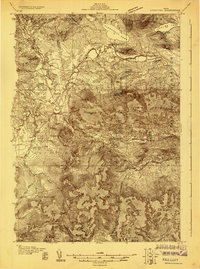 1928 Stratton1928 Print · USGSThe village of Flagstaff and the Dead River valley appear here in the late 1920s, just decades before the landscape was transformed by damming. You can trace the original valley settlements and landmarks like Morgan Farm, Cathedral Pines, and Morgan Camp.3 unique versions available
 - 1932 Map of Stratton
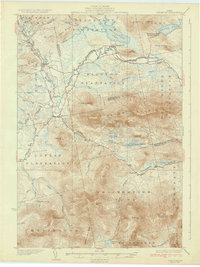 1932 Stratton1932 Print · USGSThe northern Maine woods in the late twenties and early thirties are captured here during a time of river-driven logging and remote plantation life. Local historians can trace the foundations of Eustis, the original layout of Flagstaff Pond, and rural schoolhouses like Browns Sch.3 unique versions available
 - 1932 Map of Kennebago Lake
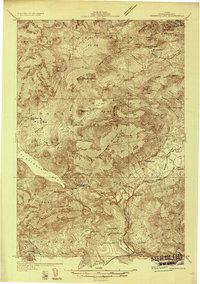 1932 Kennebago Lake1932 Print · USGSThe Franklin County backcountry in the early thirties is a landscape of isolated timber camps and mountain lakes. Researchers can locate remote industrial sites like Langtown Mill, rural schoolhouses such as Dallas Sch, and the rail-linked Dead River Sta.4 unique versions available
 - 1932 Map of Spencer
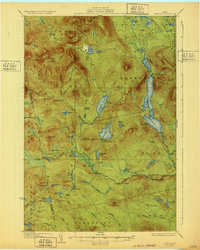 1932 Spencer1932 Print · USGSSomerset County’s wilderness is detailed here in the late twenties, showing a landscape defined by logging camps and remote sporting outposts. Researchers can trace the footprint of the Augusta Lumber Co Camp or locate the Spencer Lake Camps Gerard P O and Kibby Kamp.4 unique versions available
 - 1932 Map of Chain Lakes, 1961 Print
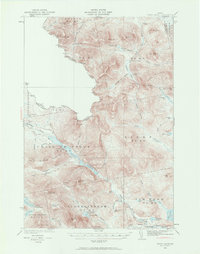 1932 Chain Lakes1961 Print · USGSThe Maine-Quebec borderlands remained a land of remote sporting camps and timber tracts in the early 1930s. Researchers can locate vanished wilderness outposts like Chain Lakes Camp, the historic path of the Arnold Trail, and the Snow Mtn Fire Tower.2 unique versions available
 - 1935 Map of Kennebago Lake
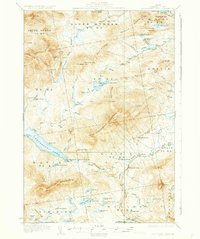 1935 Kennebago Lake1935 Print · USGSFranklin County's timberlands and sporting camps are preserved here as they were in the mid-1930s. Researchers can locate remote schools and industry sites like Langtown Sch and Langtown Mill, or trace the historic Arnold Trail north toward the border.
 - 1935 Map of Chain Lakes
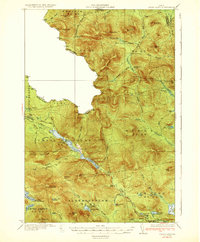 1935 Chain Lakes1935 Print · USGSThe Maine-Quebec borderlands are captured here in the mid-1930s, showing a remote wilderness of mountain ridges and narrow waterways. Researchers can trace the historic Arnold Trail and locate isolated outposts like Chain Lakes Camp and Moose Mill Camp.4 unique versions available
 - 1936 Map of Kennebago Lake
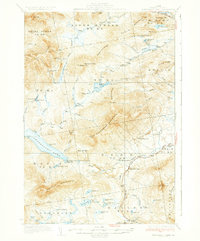 1936 Kennebago Lake1936 Print · USGSThe North Woods of Maine are shown in the mid-1930s, as traditional logging and sporting life persisted around Kennebago Lake. Genealogists and historians can trace isolated schoolhouses like the Kennebago School and old local landmarks such as Langtown Mill.3 unique versions available
 - 1949 Map of Jackman
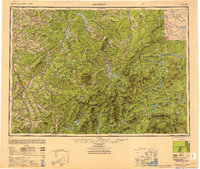 1949 Jackman1949 Print · USGSThe Quebec and Maine borderlands are shown in great detail during the late 1940s, highlighting the industrial and natural geography of the region. Trace old rail lines like the Canadian Pacific and locate settlements from Sherbrooke to Scotstown.2 unique versions available
 - 1951 Map of Chain Lakes
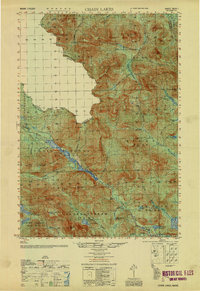 1951 Chain Lakes1951 Print · USGSFranklin County's remote northern borderlands are shown here in the early fifties, following the historic Arnold Trail through the Chain of Ponds Lakes. Researchers can locate seasonal outposts like Caribou Camp or Lowelltown and trace the waterways of JIM POND and SEVEN PONDS.
 - 1956 Map of Stratton, 1959 Print
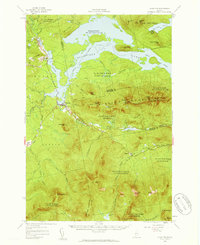 1956 Stratton1959 Print · USGSThe Franklin County highlands in the mid-1950s show a landscape defined by the expansion of Flagstaff Lake and the timber economy. Researchers can trace the Appalachian Trail over Bigelow Mountain or locate the Flagstaff Memorial Church and the Coplin School.3 unique versions available
 - 1958 Map of Spencer Lake, 1960 Print
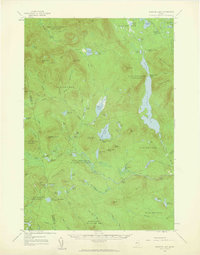 1958 Spencer Lake1960 Print · USGSSomerset County’s remote wilderness is documented here in the late fifties, showing a landscape shaped by the timber and sporting industries. Researchers can locate specific seasonal outposts like Hobbstown Depot Camp, Kibby Kamp, and the Spencer Dam.3 unique versions available
 - 1963 Map of Jackman
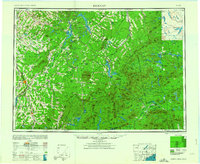 1963 Jackman1963 Print · USGSThe international borderlands of Maine and Quebec come alive in the mid-twentieth century, showing a landscape of timber towns and rail connections. Genealogists and historians can trace the paths of the Canadian Pacific Railway through Jackman or locate families in Sherbrooke and Megantic.
 - 1966 Map of Sherbrooke
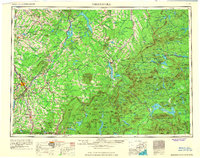 1966 Sherbrooke1966 Print · USGSThe borderlands of Quebec and Maine come alive in the mid-1960s, documenting the industrial towns and deep woods of the Northeast. Genealogists can trace family lines through Sherbrooke and Coaticook, or locate remote logging outposts along the Moose River and Flagstaff Lake.
 - 1969 Map of Jim Pond, 1973 Print
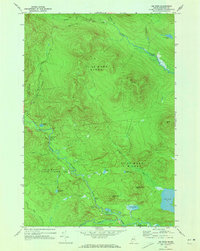 1969 Jim Pond1973 Print · USGSNorthwestern Maine's timberlands and watercourses are meticulously mapped here in the late sixties, showing a wilderness defined by its ponds and township lines. Trace the route of the North Branch Dead River past Sarampus Falls Roadside Park and the isolated Hurricane Pond.2 unique versions available
 - 1970 Map of Tim Mountain, 1973 Print
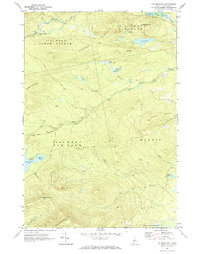 1970 Tim Mountain1973 Print · USGSThe Franklin County highlands in the early 1970s show a remote landscape of timber townships and sporting camps. Researchers can locate remote outposts like Tim Pond Camp, trace the winding Tim Pond Lookout Road, and explore the high peaks of the Barnard Mountains.
 - 1976 Map of Sherbrooke
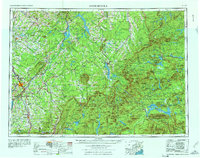 1976 Sherbrooke1976 Print · USGSThe northern Maine woods and Quebec’s Eastern Townships meet in this mid-century survey of the rugged international borderlands. Genealogists and historians can trace rail-and-river connections through Thetford Mines, follow the Dead River to Flagstaff Lake, or locate small border crossings at Stanhope and Beecher Falls.2 unique versions available
 - 1977 Map of Jim Pond, 1983 Print
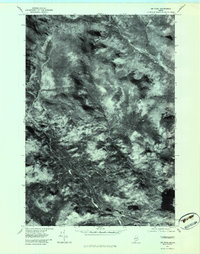 1977 Jim Pond1983 Print · USGSFranklin County's remote wilderness is captured in the late seventies through this detailed aerial orthophotograph. Researchers can trace the winding course of the Dead River and study the terrain surrounding Kibby Range and Jim Pond.
 - 1977 Map of King and Bartlett Mountain, 1983 Print
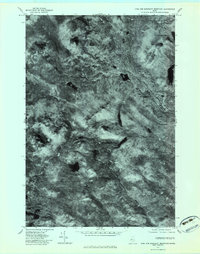 1977 King and Bartlett Mountain1983 Print · USGSSomerset County’s deep woods and mountain peaks are captured in this late 1970s aerial survey of the Maine wilderness. Outdoorsmen and historians can trace the natural drainages of Kibby Stream and Spencer Stream or locate King and Bartlett Lake.
 - 1977 Map of Stratton, 1983 Print
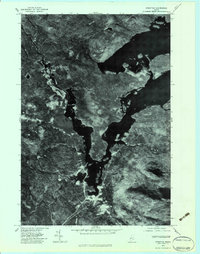 1977 Stratton1983 Print · USGSThe villages of Stratton and Eustis are shown in this late-seventies aerial perspective of the Maine woods. Researchers can trace the shoreline of Flagstaff Lake and identify topographic landmarks like Cranberry Peak.
 - 1977 Map of Tim Mountain, 1983 Print
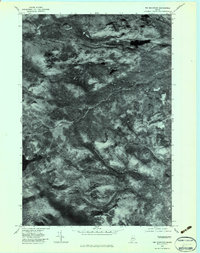 1977 Tim Mountain1983 Print · USGSMaine's timberlands are revealed in this late-seventies aerial survey of the Franklin County wilderness. Study the undisturbed drainages of Alder Stream and Tim Brook or locate the remote waters of Tim Pond at the foot of Tim Mountain.
 - 1986 Map of Flagstaff Lake
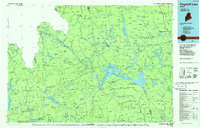 1986 Flagstaff Lake1986 Print · USGSThe Maine North Woods and the Dead River valley are captured here in the mid-1980s, an era of established hydroelectric lakes and outdoor recreation. Genealogists and researchers can trace the vicinity of Kennebago Settlement, Langtown Mill, and the villages of Stratton and Eustis.
 - 1989 Map of Kind and Bartlett Mtn.
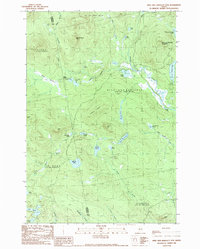 1989 Kind and Bartlett Mtn.1989 Print · USGSSomerset and Franklin counties meet in this 1980s Maine wilderness, where timberlands and high-country waters define the terrain. Trace remote backcountry sites like Kibby Kamp or follow the shoreline of King and Bartlett Lake and Joe Pokum Pond.2 unique versions available
Showing maps 1-25 of 48
Top cities near Jim Pond Township
- Carrabassett Valley historical maps
- Eustis historical maps
- Coplin Plantation historical maps
- Wyman Township historical maps
Frequently asked questions
- What are the different types of historical maps available for Jim Pond Township?
- What is the oldest map of Jim Pond Township?
- Where can I purchase historical maps of Jim Pond Township for my home or office?
- Where can I download high-res historical maps of Jim Pond Township?
- Are there historical topographic maps available for Jim Pond Township?
- Is there historical aerial imagery available for Jim Pond Township?
- Where are historical maps of Jim Pond Township sourced from?