Old Maps of Chelsea, Maine for Metal Detecting
Plan your next treasure hunt with 46 historic maps of Chelsea. Find old homesites, ghost towns, trails, and gathering spots that may be lost to time — perfect for identifying promising metal detecting locations.
- Locate forgotten sites: Uncover places like long-lost settlements, abandoned rail lines, or gathering spots.
- Plan better hunts: Use map overlays combined with LiDAR or satellite views to narrow in on historically rich areas.
- Made for detectorists: Thousands of hobbyists use these maps to discover relics, coins, and hidden history.
Use these historic maps to boost your research and find new opportunities beneath the surface of Chelsea.
Chelsea, ME maps
(46)- 1892 Map of Gardiner
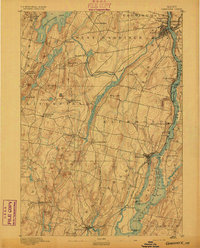 1892 Gardiner1892 Print · USGSThe Kennebec River valley in the 1890s was a bustling corridor of rail and river commerce. Genealogists and historians can trace old homesteads and landings from Gardiner down to Bowdoinham, including points like Ship Yard Pt and the grounds of the Richmond Campmeeting.7 unique versions available
 - 1892 Map of Augusta
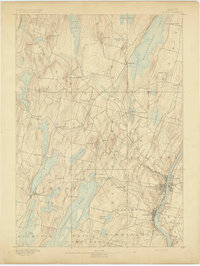 1892 Augusta1892 Print · USGSAugusta and the Kennebec River valley are captured here in the 1890s, during a peak era of rail transport and riverfront industry. Genealogists and historians can trace old homesteads and depots along the Maine Central Railroad from Winthrop to Belgrade.8 unique versions available
 - 1893 Map of Vassalboro
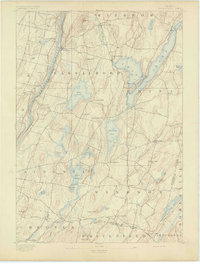 1893 Vassalboro1893 Print · USGSMaine's heartland in the 1890s reveals a network of mill villages and lakeside settlements along the Kennebec River. Genealogists can trace early homesteads and landmarks near China Lake, North Vassalboro, and the rural crossroads of Weeks Mills.5 unique versions available
 - 1893 Map of Wiscasset
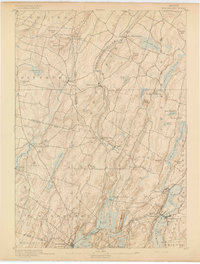 1893 Wiscasset1893 Print · USGSThe coastal and inland reaches of Lincoln County come alive in the 1890s, centered on the shipping and rail hub of Wiscasset. Trace the paths of the Maine Central Railroad and find early settlements like Head Tide, Dresden Mills, and Damariscotta Mills.7 unique versions available
 - 1898 Map of Vassalboro, 1935 Print
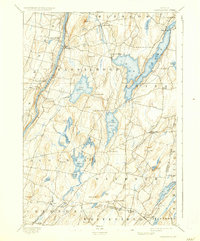 1898 Vassalboro1935 Print · USGSKennebec County at the close of the nineteenth century reveals a landscape of mill towns and interconnected lakes. Researchers can trace the early industrial footprint at Weeks Mills and Cooper Mills or follow the path of the Maine Central R.R. along the Kennebec River.
 - 1941 Map of Vassalboro, 1954 Print
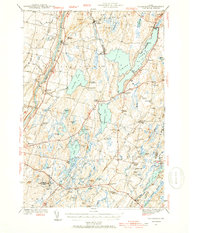 1941 Vassalboro1954 Print · USGSCentral Maine in the early 1940s reveals a landscape of lakeside settlements and scattered rural schoolhouses between the Kennebec and Sheepscot rivers. Genealogists can trace family roots through sites like Oak Grove Seminary, Friends Cem, and Weeks Mills.2 unique versions available
 - 1941 Map of Augusta, 1956 Print
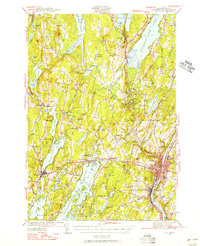 1941 Augusta1956 Print · USGSThe Kennebec River valley and its surrounding lake country are documented here just before the mid-century, showing the capital's growth alongside quiet rural townships. Genealogists can locate family-named sites like Stevens Cem, several small schoolhouses including Cony Sch, and the rail stops at Readfield Depot.
 - 1943 Map of Augusta
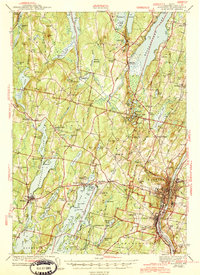 1943 Augusta1943 Print · USGSAugusta and the surrounding Kennebec County lakes are shown in detail during the early 1940s as the rail and river economies converged. Genealogists can locate family plots at Lakeview Cem, trace old school districts like Ballard Sch, and find landmarks like the Fish Hatchery.3 unique versions available
 - 1943 Map of Gardiner
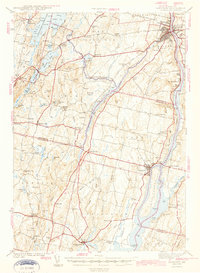 1943 Gardiner1943 Print · USGSThe Kennebec River valley in the early 1940s reveals a landscape of riverside industry and inland farming communities. Researchers can trace ancestral roots through dozens of local schoolhouses like J F Stevens Sch and family crossroads such as Spears Cor or Starbird Cor.4 unique versions available
 - 1943 Map of Vassalboro
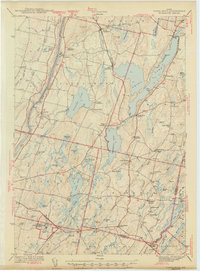 1943 Vassalboro1943 Print · USGSCentral Maine in the early 1940s is a landscape of expansive lake systems and interconnected mill villages. Researchers can trace the heritage of local institutions like Oak Grove Seminary, the stop at Windsor Station, and the historic Friends Cem.
 - 1944 Map of Wiscasset
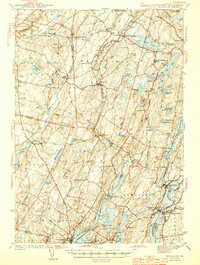 1944 Wiscasset1944 Print · USGSThe Sheepscot and Damariscotta rivers define this mid-coast Maine region in the 1940s as the rail and river economy persists. Trace family history at Head Tide, the Whitefield Memorial Hospital, or early schoolhouses like Alna Center Sch.4 unique versions available
 - 1948 Map of Bangor
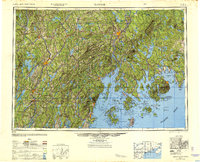 1948 Bangor1948 Print · USGSThe Maine coast and its industrial river valleys are captured here shortly after the war, showing the vital shipping and rail hubs of the late 1940s. Genealogists and historians can trace the tracks of the Maine Central RR connecting Bangor, Augusta, and Old Town.
 - 1956 Map of Vassalboro, 1958 Print
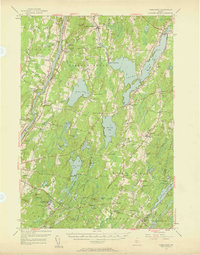 1956 Vassalboro1958 Print · USGSThe Kennebec River valley and the shores of China Lake are captured here during the mid-fifties. Researchers can trace historic institutions and rural centers like the Oak Grove Seminary, Erskine Academy, and the Windsor Fairgrounds.3 unique versions available
 - 1956 Map of Augusta, 1958 Print
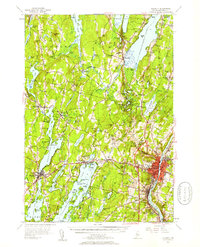 1956 Augusta1958 Print · USGSMaine’s capital city and the surrounding lake country appear here in the mid-fifties as the region’s recreation and rail economies thrived. Genealogists and local historians can locate many small family cemeteries like Tiffany Cem and Stevens Cem, or trace the old rail stops at Readfield Sta.4 unique versions available
 - 1956 Map of Bangor, 1966 Print
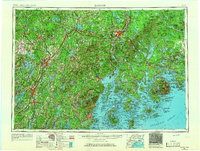 1956 Bangor1966 Print · USGSMid-century Maine comes alive in this survey of the rugged coast and river valleys during the 1950s. Genealogists and historians can trace the vital rail corridors of the Maine Central RR connecting timber towns like Old Town to the coast at Bar Harbor.3 unique versions available
 - 1957 Map of Wiscasset, 1959 Print
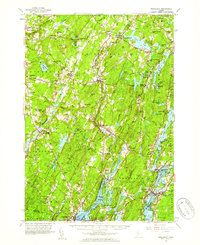 1957 Wiscasset1959 Print · USGSThe Sheepscot and Damariscotta river valleys are shown in the late 1950s, a landscape of tidal flats and inland ponds. Genealogists can trace family landmarks like Goodspeed Cem, St Denis Ch, and the old settlements at Head Tide or Dresden Mills.4 unique versions available
 - 1957 Map of Gardiner, 1959 Print
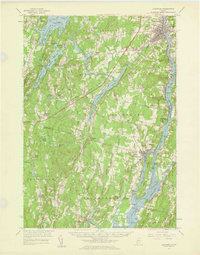 1957 Gardiner1959 Print · USGSThe Kennebec River valley in the late fifties shows a landscape of riverfront industry and rural crossroads. Genealogists and historians can trace family-named sites like Batchelders Crossing or Litchfield Academy and explore the complex waters of Swan Island.3 unique versions available
 - 1960 Map of Bangor
 1960 Bangor1960 Print · USGSCentral Maine in the sixties reveals a landscape of river-powered industry and sprawling coastal island chains. Researchers can trace the rail corridors of the Maine Central or locate mid-century aviation landmarks like Dow Air Force Base.
 - 1961 Map of Bangor
 1961 Bangor1961 Print · USGSMid-century Maine comes alive through its busy river ports and rocky archipelagoes during a period of steady maritime and rail commerce. Researchers can trace the path of the Maine Central railroad and locate coastal landmarks from Acadia National Park to Vinalhaven Island.
 - 1970 Map of East Pittston, 1974 Print
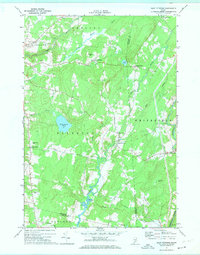 1970 East Pittston1974 Print · USGSCoastal Kennebec County as it appeared in the early seventies shows a landscape of tidal rivers and quiet crossroads. Genealogists can trace established family names and burial sites at Butman Cem, Goodspeed Cem, and Trainor Corner.2 unique versions available
 - 1975 Map of Vassalboro SW, 1981 Print
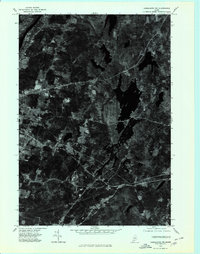 1975 Vassalboro SW1981 Print · USGSMaine's mid-coast interior is captured during the mid-seventies in this detailed aerial orthophoto. Researchers can trace the rural layout of Chelsea and the area around Togus to identify old property boundaries and local landmarks like the Brook.
 - 1980 Map of Augusta
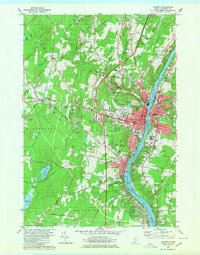 1980 Augusta1980 Print · USGSAugusta and the Kennebec River valley are captured in the early 1980s, showcasing the state capital's mix of government centers and rural hillsides. Genealogists and historians can locate numerous burial sites like Riverside Cem or trace institutional landmarks such as the State Capitol and University of Maine at Augusta.2 unique versions available
 - 1980 Map of Gardiner
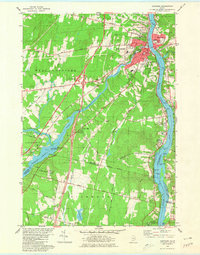 1980 Gardiner1980 Print · USGSGardiner and the Kennebec River valley are captured in the early 1980s as modern turnpike travel intersected with traditional riverfront industry. Genealogists can locate several burial grounds like St Josephs Cem and trace historical sites such as the Colburn House State Mem.3 unique versions available
 - 1980 Map of Gardiner, 1991 Print
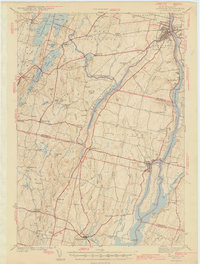 1980 Gardiner1991 Print · USGSMid-century Kennebec County comes alive in this 1940s survey of the river-and-rail corridor. Genealogists can trace family landmarks like Hathorn Hill, locate small rural schools such as Adams Sch, and find ancestors in Evergreen Cem.
 - 1982 Map of Togus Pond, 1983 Print
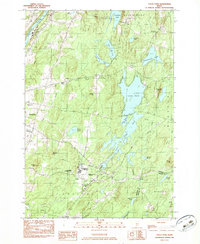 1982 Togus Pond1983 Print · USGSEast of Augusta in the early eighties, this survey captures the intersection of veteran history and the Maine lake district. Researchers can locate the Veterans Administrative Facility and its associated Togus National Cemeteries, or trace local roots at Bolton Hill Cem and Chelsea School.2 unique versions available
Showing maps 1-25 of 46
Top cities near Chelsea
- Augusta historical maps
- Winslow historical maps
- Winthrop historical maps
- Gardiner historical maps
- Sidney historical maps
- Vassalboro historical maps
See more
Top neighborhoods of Chelsea
Frequently asked questions
- What are the different types of historical maps available for Chelsea?
- What is the oldest map of Chelsea?
- Where can I purchase historical maps of Chelsea for my home or office?
- Where can I download high-res historical maps of Chelsea?
- Are there historical topographic maps available for Chelsea?
- Is there historical aerial imagery available for Chelsea?
- Where are historical maps of Chelsea sourced from?