Old Maps of Greenbush, Maine for Metal Detecting
Plan your next treasure hunt with 36 historic maps of Greenbush. Find old homesites, ghost towns, trails, and gathering spots that may be lost to time — perfect for identifying promising metal detecting locations.
- Locate forgotten sites: Uncover places like long-lost settlements, abandoned rail lines, or gathering spots.
- Plan better hunts: Use map overlays combined with LiDAR or satellite views to narrow in on historically rich areas.
- Made for detectorists: Thousands of hobbyists use these maps to discover relics, coins, and hidden history.
Use these historic maps to boost your research and find new opportunities beneath the surface of Greenbush.
Greenbush, ME maps
(36)- 1917 Map of Passadumkeag
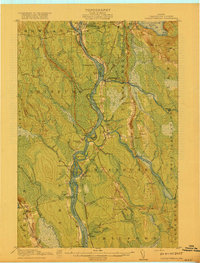 1917 Passadumkeag1917 Print · USGSIn the early twentieth century, the Penobscot River valley was a busy corridor of rail transit and small-town commerce. Genealogists can trace family footprints through numerous local schools like Hemlock School and the post office at West Enfield P.O.7 unique versions available
 - 1954 Map of Millinocket, 1968 Print
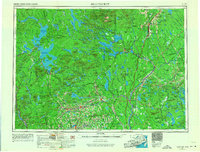 1954 Millinocket1968 Print · USGSMaine's North Woods and the Penobscot Valley are captured here during the mid-century era of logging and rail dominance. You can trace the path of the Bangor and Aroostook Railroad through timber towns like Millinocket, Mattawamkeag, and Silver Ridge.3 unique versions available
 - 1958 Map of Millinocket
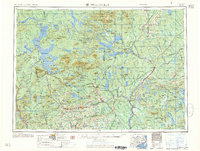 1958 Millinocket1958 Print · USGSMaine's North Woods and the Penobscot river valley are captured here in the mid-1950s, showing a landscape of timber, rail, and wild waters. Researchers can trace the legacy of the Canadian Pacific railroad and find historic settlements like Millinocket, Sherman Station, and Mattawamkeag.
 - 1960 Map of Millinocket
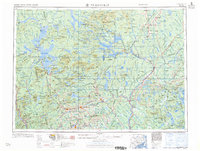 1960 Millinocket1960 Print · USGSThe Maine North Woods and Penobscot River valley are captured at mid-century during the height of the paper milling era. Researchers can trace the Appalachian Trail near Mount Katardin or locate family roots in towns like Dover-Foxcroft and Milo.3 unique versions available
 - 1960 Map of Passadumkeag, 1964 Print
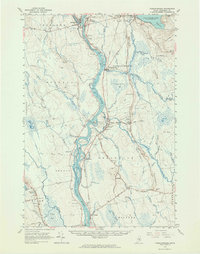 1960 Passadumkeag1964 Print · USGSPenobscot River life in the early sixties centers on riverside towns and rail hubs like Passadumkeag and Olamon. Genealogists can trace family names through rural landmarks like Cedarvale Cem, Edgecomb Sch, and the State Nursery.2 unique versions available
 - 1975 Map of Passadumkeag, 1981 Print
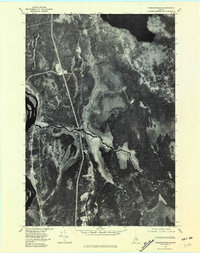 1975 Passadumkeag1981 Print · USGSThe river junction at Passadumkeag is captured in the mid-seventies through detailed aerial photography. Trace the winding path of Cold Stream and the shoreline of Cold Stream Pond near the village of Enfield.
 - 1975 Map of Howland, 1981 Print
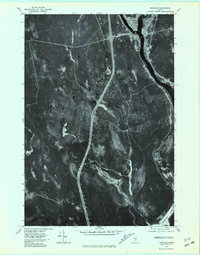 1975 Howland1981 Print · USGSPenobscot County river towns appear in detail during the mid-seventies, showing the transition from forest to settlement. Researchers can trace the riverfront layouts of Howland and West Enfield or follow the paths of Pollard Brook and Hoyt Brook.
 - 1975 Map of Greenbush, 1981 Print
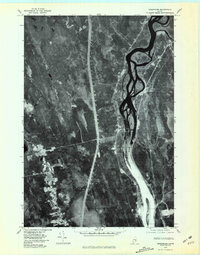 1975 Greenbush1981 Print · USGSPenobscot County in the mid-1970s is shown here through detailed aerial photography, highlighting the river-centered life of the Maine woods. Researchers can trace land clearings and homesteads near Greenbush or follow the paths of Hemlock Stream and Birch Stream.
 - 1975 Map of Olamon, 1981 Print
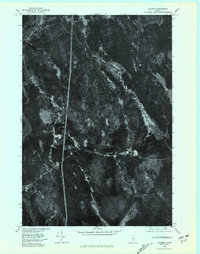 1975 Olamon1981 Print · USGSCentral Maine woodlands and rural settlements are captured in this mid-seventies aerial survey. Researchers can trace the winding course of Olamon Stream and locate small communities like Cardville and Olamon.
 - 1985 Map of Lincoln, 1994 Print
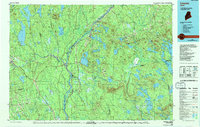 1985 Lincoln1994 Print · USGSPenobscot County in the mid-eighties remains a landscape of river-based commerce and sprawling timberlands connected by rail. You can trace the historic paths of the Maine Central RR and Canadian Pacific RR or locate rural sites like Enfield Station and the Winn Cem.
 - 1986 Map of Lincoln
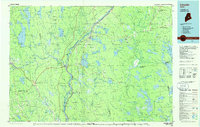 1986 Lincoln1986 Print · USGSMid-century Maine settlement and industry converge along the Penobscot and Piscataquis rivers during the 1980s. Researchers can trace the rail networks of the Maine Central and Bangor and Aroostook through towns like Howland and Milo.
 - 1988 Map of Olamon
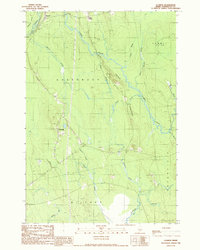 1988 Olamon1988 Print · USGSPenobscot County, Maine, is shown here in the late twentieth century as a landscape of glacial ridges and winding waterways. Researchers can locate the small communities of Olamon and Cardville or trace the remarkable glacial geology of the Enfield Horseback.
 - 1988 Map of Greenbush
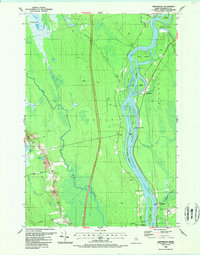 1988 Greenbush1988 Print · USGSThe Penobscot River flows through central Maine in the late eighties, carving a landscape of named islands and boggy lowlands. Trace local family history at Cedarvale Cemetery or explore the settlements of Greenbush, Argyle, and Costigan.2 unique versions available
 - 1988 Map of Howland
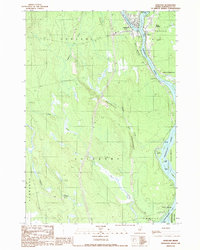 1988 Howland1988 Print · USGSThe riverfront villages of Penobscot County are shown here in the late eighties as centers of local industry and transit. Genealogists and historians can trace the West Enfield Dam, the ridge of the Horseback, and the old Drive-In Theater.
 - 1988 Map of Passadumkeag
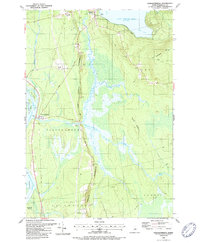 1988 Passadumkeag1988 Print · USGSPenobscot County in the late eighties reveals a landscape of river confluences and glacial ridges where the timber and water economies meet. Genealogists and local historians can trace family sites at West End Cemetery, locate the former Enfield Station, or explore the unique terrain of the Horseback and Thousand Acre Bog.2 unique versions available
 - 2011 Map of Greenbush, 2011 Print
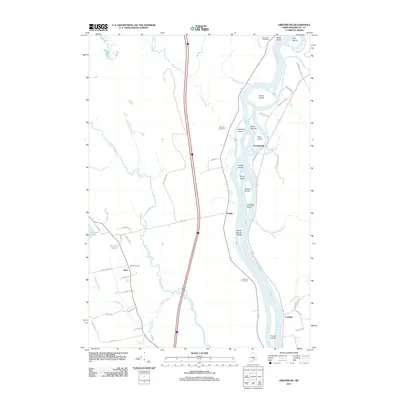 2011 Greenbush2011 Print · USGSPenobscot County at the dawn of the 2010s reveals a landscape defined by the branching channels of the Penobscot River. Researchers can trace old family lines at Hoyt Brook Cemetery or explore the river-bound terrain of Sugar Island and White Squaw Island.
 - 2011 Map of Olamon, 2011 Print
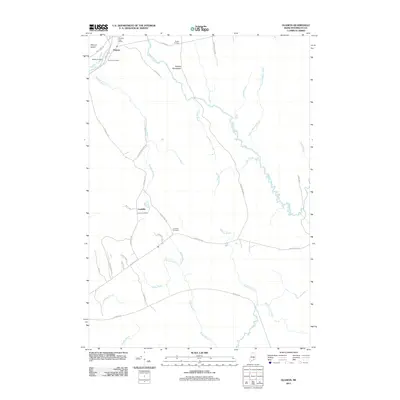 2011 Olamon2011 Print · USGSPenobscot County life and its water-rich terrain are detailed in this early twenty-first-century survey. Genealogists and local historians can locate early family sites like Welles Cemetery and Cardville Cemetery near the banks of Olamon Stream.
 - 2011 Map of Howland, 2011 Print
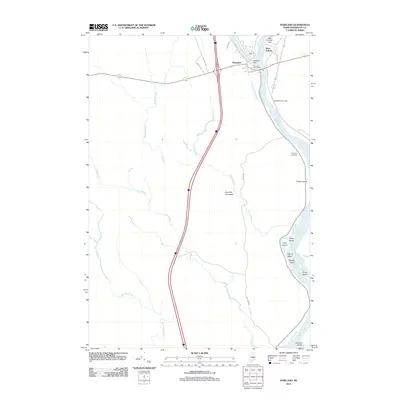 2011 Howland2011 Print · USGSThe confluence of the Penobscot and Piscataquis rivers at the start of the 21st century highlights a landscape defined by water and woods. Genealogists and local historians can locate West Enfield Cemetery, the Howland Post Office, and the prominent Hoytville Horseback.
 - 2011 Map of Passadumkeag, 2011 Print
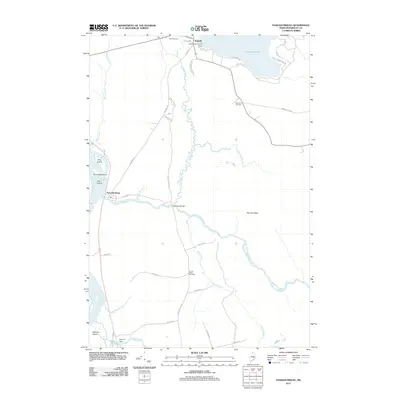 2011 Passadumkeag2011 Print · USGSThe Penobscot and Passadumkeag rivers converge in this 2011 portrait of central Maine riverside life. Researchers can trace local lineage at West End Cemetery and Sunny Slope Cemetery or locate landmarks like the Cold Stream Pond Dam and Cobb Hatchery.
 - 2014 Map of Howland, 2014 Print
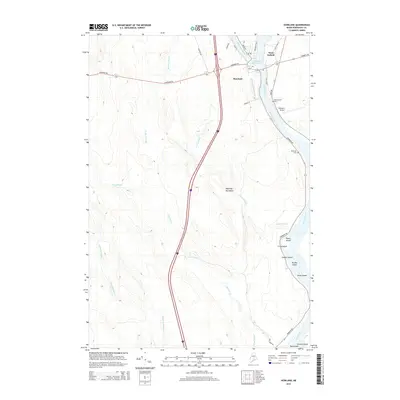 2014 Howland2014 Print · USGSPenobscot County river life in the early 21st century is centered on the junction of the Piscataquis and Penobscot rivers. Genealogists can locate family sites near West Enfield Cem, Buzzport Airport, and islands like Nicolar Island.
 - 2014 Map of Olamon, 2014 Print
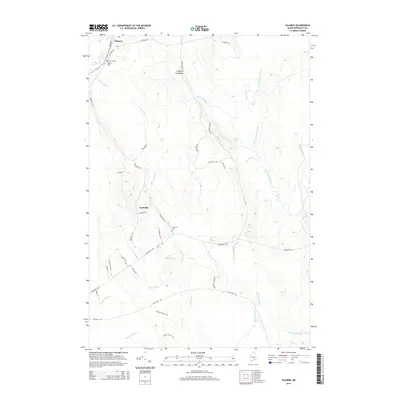 2014 Olamon2014 Print · USGSMaine's Penobscot County interior is captured here in the early 21st century, showing the small riverside community of Olamon and the glacial ridges of the Enfield Horseback. Genealogists and local historians can locate several family burial sites, including Dennis Cem and Cardville Cem, alongside the remote corridor of Stud Mill Rd.
 - 2014 Map of Passadumkeag, 2014 Print
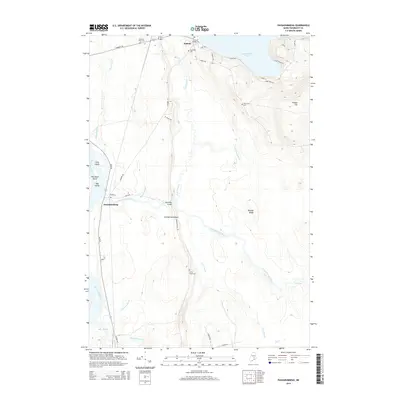 2014 Passadumkeag2014 Print · USGSPenobscot County river life and glacial terrain are documented here during the early twenty-first century. Genealogists can locate several local burial sites such as Enfield Village Cem and Sunny Slope Cem, or trace the winding Enfield Horseback near Passadumkeag.
 - 2014 Map of Greenbush, 2014 Print
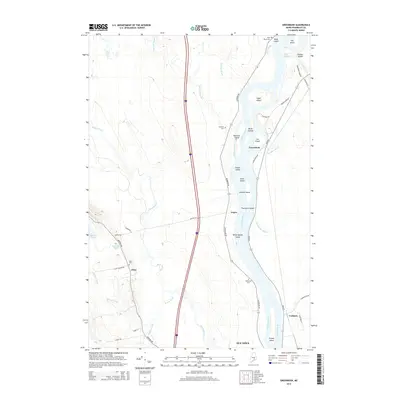 2014 Greenbush2014 Print · USGSPenobscot County river life in the early 21st century centers on the islands and banks of the Penobscot River. Genealogists and historians can locate family sites near Alton Cem, trace the waters of Birch Stream, and explore the river settlements of Greenbush and Argyle.
 - 2018 Map of Howland, 2018 Print
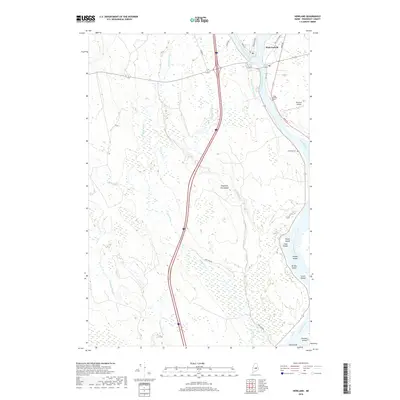 2018 Howland2018 Print · USGSPenobscot County river life and glacial topography are captured here in the late twenty-teens. Researchers can trace the river islands from Nicolar Island to Olamon Island or locate family sites near the West Enfield Cem and Edinburg Cem.
 - 2018 Map of Olamon, 2018 Print
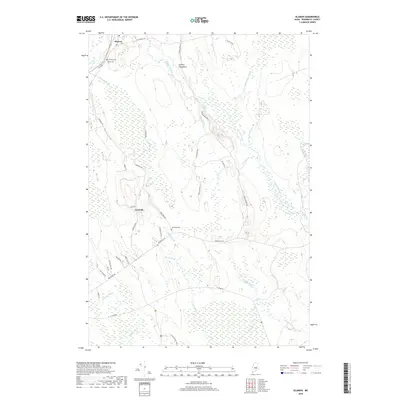 2018 Olamon2018 Print · USGSPenobscot County settlements and their surrounding wetlands are documented here in the late twenty-teens. Genealogists can locate family-named sites like Dennis Cem, Welles Cem, and the quiet rural community of Cardville.
Showing maps 1-25 of 36
Top cities near Greenbush
- Bangor historical maps
- Orono historical maps
- Old Town historical maps
- Lincoln historical maps
- Glenburn historical maps
- Milford historical maps
See more
Top neighborhoods of Greenbush
Frequently asked questions
- What are the different types of historical maps available for Greenbush?
- What is the oldest map of Greenbush?
- Where can I purchase historical maps of Greenbush for my home or office?
- Where can I download high-res historical maps of Greenbush?
- Are there historical topographic maps available for Greenbush?
- Is there historical aerial imagery available for Greenbush?
- Where are historical maps of Greenbush sourced from?