Old Maps of Groton, Massachusetts for Metal Detecting
Plan your next treasure hunt with 81 historic maps of Groton. Find old homesites, ghost towns, trails, and gathering spots that may be lost to time — perfect for identifying promising metal detecting locations.
- Locate forgotten sites: Uncover places like long-lost settlements, abandoned rail lines, or gathering spots.
- Plan better hunts: Use map overlays combined with LiDAR or satellite views to narrow in on historically rich areas.
- Made for detectorists: Thousands of hobbyists use these maps to discover relics, coins, and hidden history.
Use these historic maps to boost your research and find new opportunities beneath the surface of Groton.
Groton, MA maps
(81)- 1886 Map of Lowell
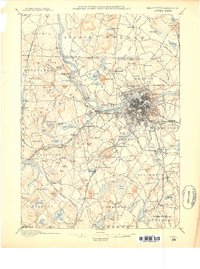 1886 Lowell1886 Print · USGSThe industrial heart of the Merrimack Valley is captured here in the late nineteenth century, showing the expansion of textile hubs and rail networks. Genealogists and historians can trace family-named hills and early transit stops like Bedford Springs Station, Forge Village, and the Hudson Poor Farm.
 - 1893 Map of Lowell
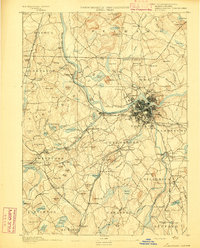 1893 Lowell1893 Print · USGSThe Merrimack Valley’s industrial and rail landscape comes alive in the late nineteenth century, centering on the growing city of Lowell. Genealogists and historians can trace old property lines across Pelham, locate the Flat Rock Quarry, or follow the routes of the Stony Brook Railroad through Graniteville.9 unique versions available
 - 1893 Map of Groton, 1905 Print
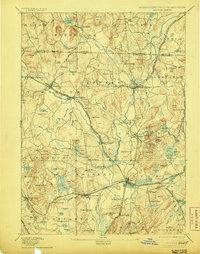 1893 Groton1905 Print · USGSNorthern Massachusetts and the New Hampshire borderlands are shown here in the late nineteenth century as a hub of river industry and rail commerce. Researchers can trace historic sites like Shaker Village, the Groton School, and manufacturing hubs at Paper Mill Village.8 unique versions available
 - 1918 Map of Lowell
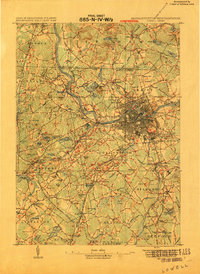 1918 Lowell1918 Print · USGSGreater Lowell and the Merrimack Valley are shown at their industrial peak during the First World War. Genealogists can trace family connections to mill-town life in Middlesex Village or locate rural landmarks like Flat Rock Quarry and the Old Middlesex Canal.
 - 1921 Map of Lowell
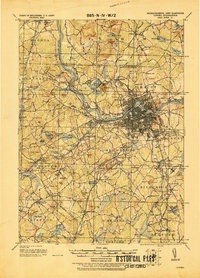 1921 Lowell1921 Print · USGSThe industrial corridor of the Merrimack Valley is captured here during the early twentieth century, showing the dense urban grid of Lowell alongside rural Middlesex County. Researchers can trace the extensive reach of the Boston and Maine Railroad and locate local landmarks like the Poor Farm or Flat Rock Quarry.
 - 1931 Map of Lowell
 1931 Lowell1931 Print · USGSSouthern New Hampshire and northern Massachusetts met along the river and rail lines in the early thirties. Local researchers can trace family lands near St Marie Convent, the site of Musquash Sch, and the heights of Jeremy Hill.
 - 1931 Map of Groton
 1931 Groton1931 Print · USGSThe Massachusetts and New Hampshire borderlands in the early thirties reveal a landscape of river-powered rail and rural industry. Genealogists can trace family landmarks and transport hubs like Hollis Sta, Potanopa Pond, and the Runnels Bridge.
 - 1935 Map of Ayer
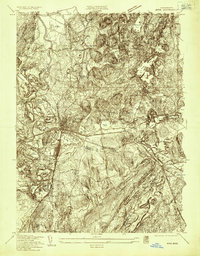 1935 Ayer1935 Print · USGSThe intersection of Middlesex and Worcester counties in the mid-1930s reveals a landscape of military bases, historic academies, and industrial ponds. Researchers can trace the layout of Fort Devens, the grounds of the Groton School, and the unique settlement at Shaker Village.
 - 1935 Map of Groton
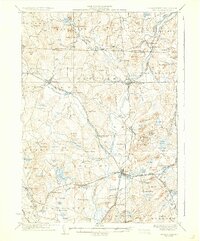 1935 Groton1935 Print · USGSCrossing the New Hampshire border in the 1930s, this area was a bustling hub of rail transport and riverside industry. Researchers can trace the legacy of communal life at Shaker Village, locate the campus of Groton School, or follow the lines of the Boston and Maine RR through towns like Pepperell and Shirley.
 - 1935 Map of Lowell
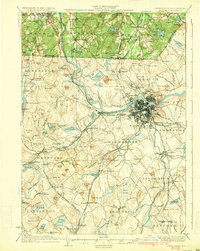 1935 Lowell1935 Print · USGSGreater Lowell and the Merrimack Valley are captured in the mid-1930s, showing a region defined by its industrial riverfront and extensive rail networks. Researchers can trace historic neighborhoods like Wamesit, local landmarks like St Marie Convent, and early industry at Flat Rock Quarry.3 unique versions available
 - 1935 Map of Shirley
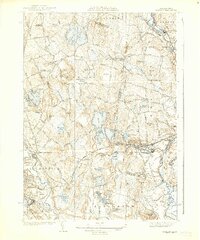 1935 Shirley1935 Print · USGSThe Nashua River valley during the mid-1930s shows a region defined by its rail connections and hilltop villages. Genealogists can trace family sites near Shirley Center, the Industrial School, and cemeteries like St Leo Cem.3 unique versions available
 - 1936 Map of Groton
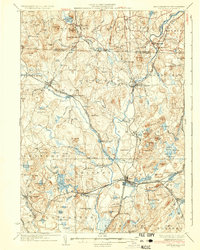 1936 Groton1936 Print · USGSNorthern Middlesex County and southern New Hampshire appear here in the mid-1930s, showing a landscape shaped by river power and a dense rail network. Researchers can trace historic sites like the Shaker Village and Groton School, or locate old depots at Townsend Harbor and Ayer.3 unique versions available
 - 1939 Map of Ayer
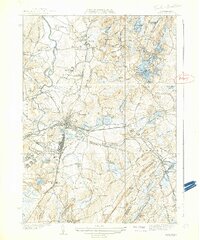 1939 Ayer1939 Print · USGSMiddlesex County in the late 1930s is a hub of military activity and historic settlements at the crossroads of the rail. Trace ancestral roots at Shaker Village, Pingryville, or the expansive grounds of Fort Devens.6 unique versions available
 - 1939 Map of Shirley
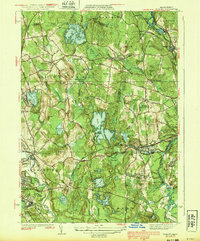 1939 Shirley1939 Print · USGSWorcester and Middlesex counties are shown in the late thirties, when rail lines and river valleys defined the region's industrial and social life. Genealogists and researchers can locate the Industrial School, family-named landmarks like Kezar Hill, and numerous cemeteries including St Cecelia Cemetery.3 unique versions available
 - 1940 Map of Westford
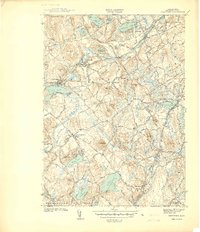 1940 Westford1940 Print · USGSWestford and Littleton appear at the outbreak of World War II as a network of rail-side mill villages and family-held hills. Genealogists can trace old cemeteries like Westlawn Cem, rural depots at Westford Sta, and the layout of Littleton Common.
 - 1940 Map of Tyngsoboro
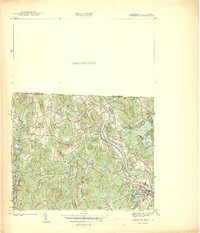 1940 Tyngsoboro1940 Print · USGSMiddlesex County emerges in the era before the post-war suburban boom, centered on the Merrimack River and the Boston and Maine RR. Genealogists can trace family locations at Whidden Corner and Fletcher Cem, or find recreational landmarks like Camp Massapoag.
 - 1941 Map of Tyngsboro
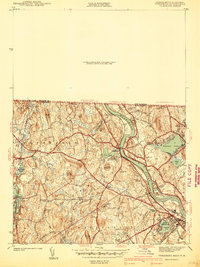 1941 Tyngsboro1941 Print · USGSMiddlesex County communities along the Merrimack River are caught at a point of transition just before the mid-century. Genealogists and local historians can trace family-named crossroads like Frederick Corner and locate the historic Fletcher Quarry or the Central Cem.2 unique versions available
 - 1941 Map of Westford
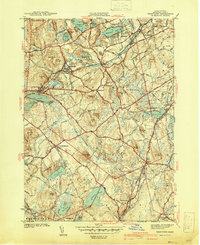 1941 Westford1941 Print · USGSMiddlesex County in the late 1930s shows a landscape of industrious mill villages and hilltop farms connected by the Boston and Maine line. Trace the rail routes through Graniteville, locate the grounds of Westlawn Cem, or explore the shores of Forge Pond.2 unique versions available
 - 1942 Map of Tyngsboro
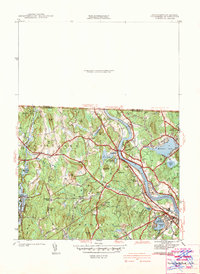 1942 Tyngsboro1942 Print · USGSThe Merrimack River valley and the Massachusetts-New Hampshire border come alive in this pre-war survey of a landscape defined by granite quarries and river islands. Genealogists can trace family landmarks at Frederick Corner, locate historic burials at Central Cem, or find the old Notre Dame Academy.
 - 1943 Map of Lowell
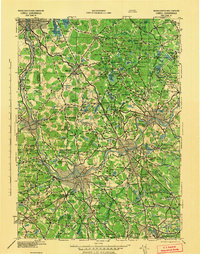 1943 Lowell1943 Print · USGSCentral New England industrial hubs and rural borderlands are mapped here during the early 1940s. Genealogists can trace family names across Mt Misery, Barrett Hill, and small settlements like Collinsville or North Pelham.
 - 1943 Map of Fitchburg
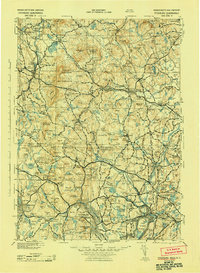 1943 Fitchburg1943 Print · USGSSouthern New Hampshire and northern Massachusetts are captured during the war years, showing a landscape of river-powered mill towns and mountain trails. You can trace family roots in Peterboro, locate the historic Groton School, or study the rail lines of the Boston & Maine RR.
 - 1944 Map of Pepperell
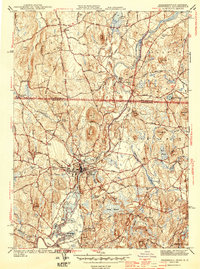 1944 Pepperell1944 Print · USGSThe Nashua River valley at the New Hampshire border shows a landscape of busy rail junctions and rural crossroads during the 1940s. Genealogists can trace family names through several burial sites like Blood Cem and locate vanished stop-points like Hollis Depot and Hovey Corner.2 unique versions available
 - 1944 Map of Townsend
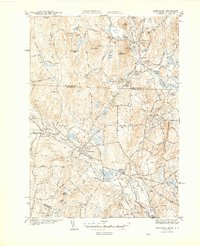 1944 Townsend1944 Print · USGSTownsend and Brookline sit at the heart of this mid-century New England landscape as the rail era transitioned toward the modern highway. Researchers can trace the Boston and Maine RR line through Townsend Harbor and find family names at Pine Grove Cem or Center Cem.4 unique versions available
 - 1946 Map of Westford
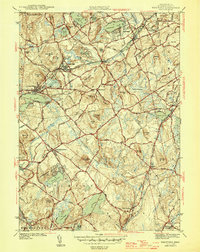 1946 Westford1946 Print · USGSMiddlesex County in the mid-1940s shows a landscape of busy rail corridors and established villages. Researchers can trace historic family names and sites like Fairview Cem, the Clay Pit, and rail stops at Westford Sta or Carlisle Sta.2 unique versions available
 - 1946 Map of Tyngsboro
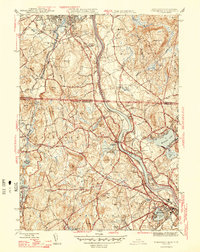 1946 Tyngsboro1946 Print · USGSThe Merrimack River valley in the mid-1940s reveals a landscape of transit and tradition along the Massachusetts-New Hampshire border. Genealogists and historians can trace local family lineages through named landmarks like Frederick Corner or locate old burial sites including Thompson Cem and Sherburne Cem.2 unique versions available
Showing maps 1-25 of 81
Top cities near Groton
- Lowell historical maps
- Nashua historical maps
- Leominster historical maps
- Fitchburg historical maps
- Chelmsford historical maps
- Dracut historical maps
See more
Top neighborhoods of Groton
Frequently asked questions
- What are the different types of historical maps available for Groton?
- What is the oldest map of Groton?
- Where can I purchase historical maps of Groton for my home or office?
- Where can I download high-res historical maps of Groton?
- Are there historical topographic maps available for Groton?
- Is there historical aerial imagery available for Groton?
- Where are historical maps of Groton sourced from?