Old Maps of Negaunee, Michigan for Academic Research
Study the evolution of Negaunee with 32 high-resolution historic maps. Whether you're teaching, researching, or modeling changes in land use, these maps provide essential visual documentation of urban, environmental, and geographic change.
- Analyze long-term change: Track patterns in development, transportation, and natural features.
- Ideal for environmental or urban studies: Support academic projects with primary historical map data.
- Use in the classroom or lab: Educators and researchers rely on these maps to bring historical context to life.
These maps are a powerful tool for teaching, research, and visualizing how Negaunee has changed over the decades.
Negaunee, MI maps
(32)- 1952 Map of Ishpeming, 1954 Print
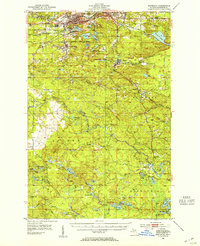 1952 Ishpeming1954 Print · USGSMarquette County’s iron mining heartland is shown in the early fifties, detailing the industrial hubs of Ishpeming and Negaunee. Genealogists and historians can trace rail-side settlements like Frenchtown and Winthrop Junction alongside the Tracy Mine.4 unique versions available
 - 1952 Map of Ishpeming, 1954 Print
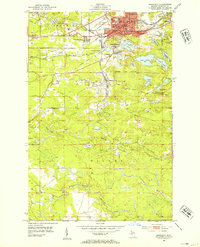 1952 Ishpeming1954 Print · USGSIshpeming and the Marquette Iron Range were hubs of post-war industrial activity when this survey was conducted. Local historians can trace the intricate rail network at Winthrop Junction or locate family roots near the Tilden Mine and National Mine.4 unique versions available
 - 1952 Map of Palmer, 1954 Print
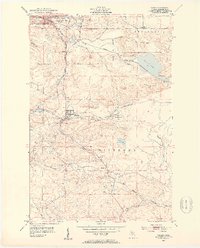 1952 Palmer1954 Print · USGSThe Marquette Range iron mining industry is in full swing during this mid-century period near Negaunee. Genealogists and industrial historians can trace the foundations of local life through landmarks like the Finnish Ch, the Standard Sch, and the Tracy Mine.4 unique versions available
 - 1953 Map of Negaunee, 1955 Print
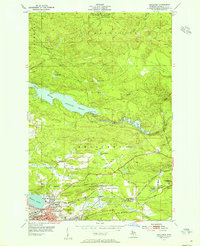 1953 Negaunee1955 Print · USGSMid-century Marquette County reveals a landscape defined by the iron industry and rail expansion. Genealogists and industrial historians can trace the workings of the Mather Mine B, locate the Negaunee Cemetery, or follow the Lake Superior and Ishpeming railroad.4 unique versions available
 - 1954 Map of Negaunee SW, 1955 Print
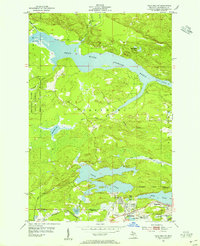 1954 Negaunee SW1955 Print · USGSThe iron-rich hills of the Marquette Range are shown in the mid-fifties, when mining and rail operations defined local life. Trace the industrial footprint of Morris Mine and Lloyd Mine alongside the sprawling waters of the Dead River Storage Basin.4 unique versions available
 - 1954 Map of Negaunee, 1955 Print
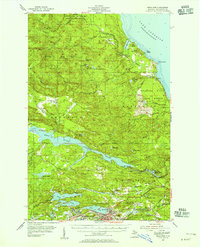 1954 Negaunee1955 Print · USGSIron mining and hydroelectric power define the Marquette Range in the mid-fifties. Genealogists and industrial historians can trace the workings of the Mather Mine A, the Eagle Mills settlement, and the Morgan Heights Sanatorium.3 unique versions available
 - 1958 Map of Marquette, 1968 Print
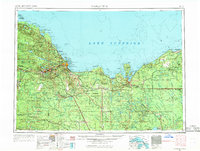 1958 Marquette1968 Print · USGSThe Upper Peninsula’s central corridor is captured here in the mid-twentieth century as mining and timber industries thrived alongside new military installations. Genealogists and historians can trace the rail lines of the Soo Line Railroad through settlements like Gwinn, Turin, and Chatham.2 unique versions available
 - 1960 Map of Marquette
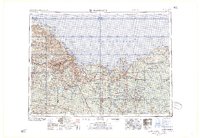 1960 Marquette1960 Print · USGSUpper Peninsula mining and maritime commerce reach their peak in the late fifties across the Lake Superior shoreline. Genealogists and historians can locate remote settlements like Big Bay and Dukes, while tracing the Cyr Mine and the active rail lines of the Lake Superior and Ishpeming railroad.
 - 1961 Map of Marquette
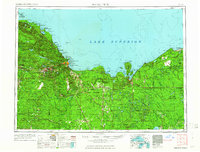 1961 Marquette1961 Print · USGSUpper Peninsula life in the early sixties centered on the iron docks and timber stands of the Lake Superior shore. Genealogists and historians can trace rail-to-port connections via the Lake Superior and Ishpeming Railroad and locate active sites like Republic Mine or the K.I. Sawyer Air Force Base.
 - 1968 Map of Marquette, 1977 Print
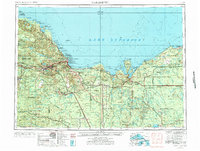 1968 Marquette1977 Print · USGSThe Upper Peninsula iron range and Lake Superior coastline are captured here in the late sixties. Genealogists and historians can trace the rail-to-port infrastructure and the Cold War presence of K I Sawyer Air Force Base alongside towns like Ishpeming and Munising.
 - 1983 Map of Gwinn
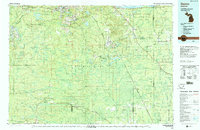 1983 Gwinn1983 Print · USGSThe heart of Michigan's Marquette Iron Range is captured here during the 1980s, when mining and military operations defined the local landscape. Genealogists and industrial historians can trace the tracks of the Chicago and North Western to the National Mine or the airman's life at K I Sawyer Air Force Base.2 unique versions available
 - 1985 Map of Marquette
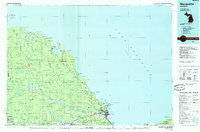 1985 Marquette1985 Print · USGSThe iron mining country of Michigan's Upper Peninsula is shown here during the mid-1980s as industrial transport networks connected the interior to the coast. Researchers can trace historic rail lines like the Soo Line and Ls&I or locate local landmarks like Holy Cross Cem and Northern Michigan University.3 unique versions available
 - 2011 Map of Ishpeming, 2011 Print
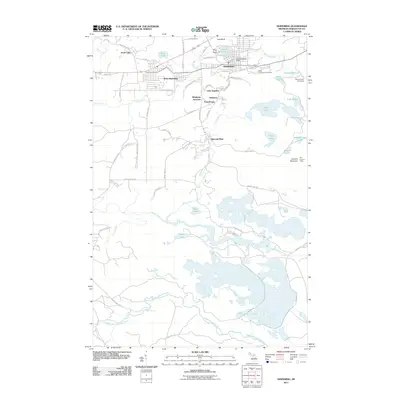 2011 Ishpeming2011 Print · USGSMarquette County’s iron mining heartland is captured here in the early twenty-first century, showing the established communities and water-filled basins of the Upper Peninsula. Researchers can trace the heritage of National Mine, locate the Suicide Bowl Ski Jumps, and follow the Middle Branch Escanaba River through the southern woods.
 - 2011 Map of Palmer, 2011 Print
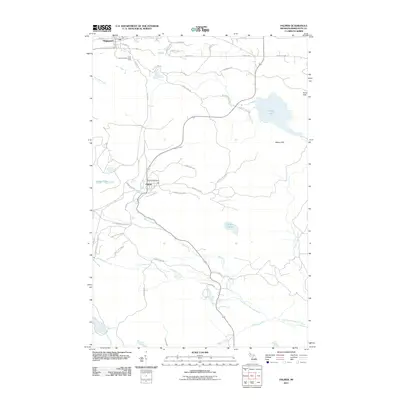 2011 Palmer2011 Print · USGSMarquette County's iron-rich interior comes into focus during the early twenty-first century, showing the intersection of industrial transport and natural waterways. Researchers can trace local landmarks like the Palmer Post Office, explore numerous cascades such as Tiger Falls, or locate the Lucy Hill Naturbahn Luge Track.
 - 2011 Map of Negaunee SW, 2011 Print
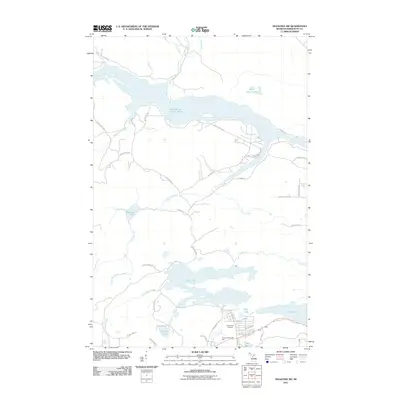 2011 Negaunee SW2011 Print · USGSMarquette County in the early twenty-first century reveals a landscape shaped by water and the legacy of the Iron Range. Researchers can trace the layout of the Ishpeming Cemetery or locate landmarks like the Dead River Storage Basin and Gold Mine Creek.
 - 2011 Map of Negaunee, 2011 Print
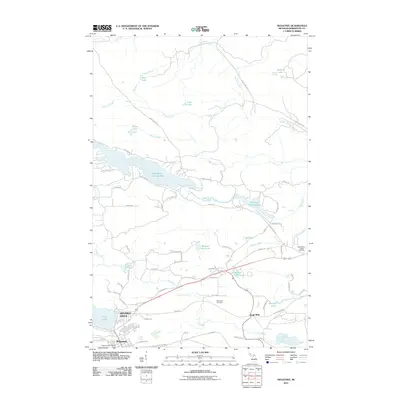 2011 Negaunee2011 Print · USGSMarquette County's iron country and its network of storage basins are captured in the early twenty-first century. Researchers can locate Negaunee Cemetery, trace the path of the Carp River over Upper Carp River Falls, and explore the roads around Eagle Mills.
 - 2014 Map of Negaunee, 2014 Print
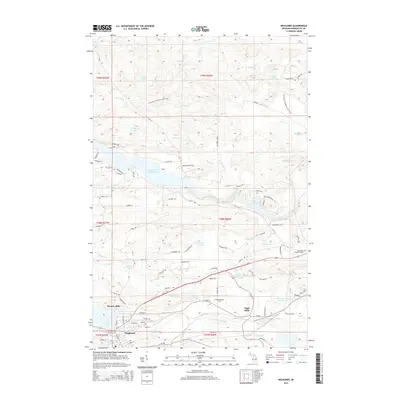 2014 Negaunee2014 Print · USGSMarquette County's iron-mining heartland is shown in detail during the early 21st century, centered on the city of Negaunee. Genealogists and local historians can locate Negaunee Cemetery, trace the Carp River, or identify old industrial sites like Eagle Mills.
 - 2014 Map of Negaunee SW, 2014 Print
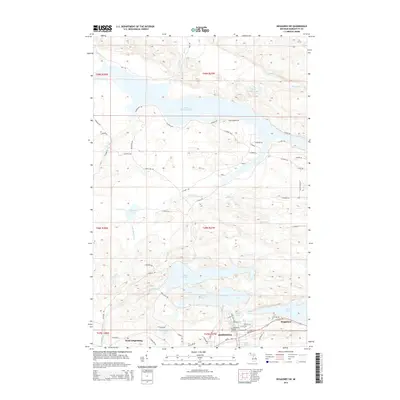 2014 Negaunee SW2014 Print · USGSMarquette County’s iron mining heartland is captured here in the early twenty-first century, showing the enduring footprint of northern industry. Trace the legacy of mineral wealth along Gold Mine Cr and Silver Mine Lakes, or explore the shores of the Dead River Storage Basin.
 - 2014 Map of Ishpeming, 2014 Print
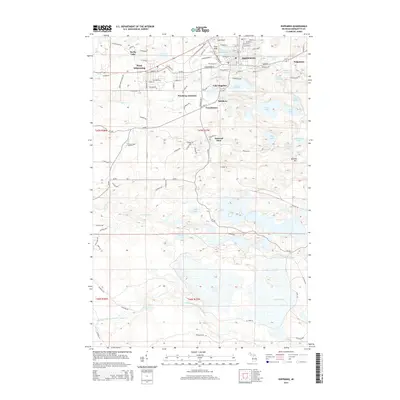 2014 Ishpeming2014 Print · USGSThe Marquette Iron Range comes into sharp focus in this 2014 study of Marquette County’s mining heartland. Local historians can trace the relationship between industrial sites like National Mine and historic residential hubs including Ishpeming and Negaunee.
 - 2014 Map of Palmer, 2014 Print
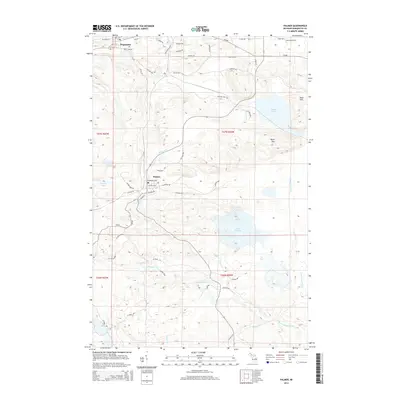 2014 Palmer2014 Print · USGSMarquette County's iron-mining country is captured in this contemporary look at the Upper Peninsula’s rugged geography. Researchers can trace the connection between town and industry along Tracy Mine Rd, locate local landmarks like Jamros Airport, or explore the cascades at Warner Falls and Schweitzer Falls.
 - 2017 Map of Negaunee, 2017 Print
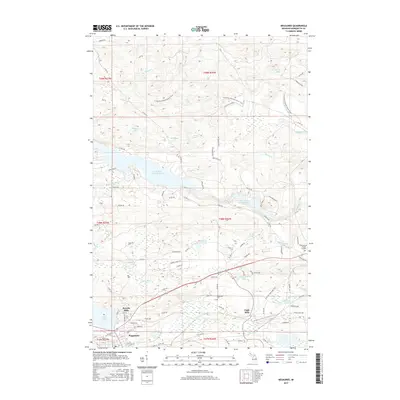 2017 Negaunee2017 Print · USGSThe industrial and natural landscape of Marquette County's iron range is captured here in the late twenty-teens. Genealogists and historians can trace the streets of Negaunee, locate the Negaunee Cem, and follow the Iron Ore Heritage Trail past Eagle Mills.
 - 2017 Map of Palmer, 2017 Print
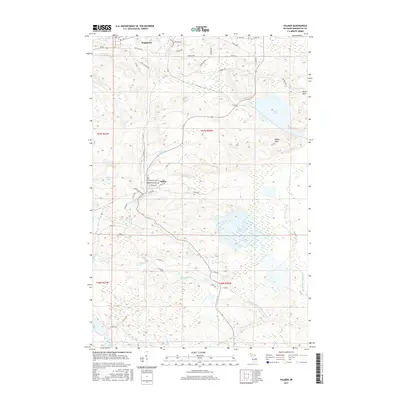 2017 Palmer2017 Print · USGSMarquette County's iron mining heartland is captured here in recent years, showing the enduring footprint of industry around Palmer and Negaunee. Researchers can trace old haul roads like Empire Mine Rd and locate several cascades including Warner Falls and Tiger Falls.
 - 2017 Map of Negaunee SW, 2017 Print
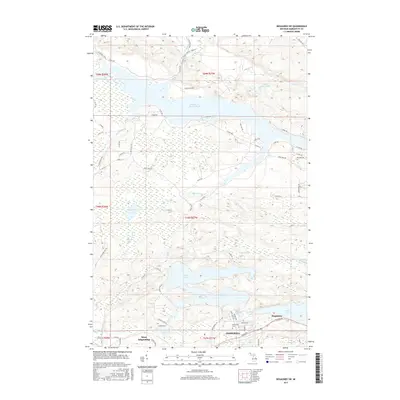 2017 Negaunee SW2017 Print · USGSNorthern Michigan’s iron country is documented here during the late twenty-teens, showing the established layouts of Ishpeming and Negaunee. Trace the N Country Trail or locate family plots at the Ishpeming Cem near Teal Lake.
 - 2017 Map of Ishpeming, 2017 Print
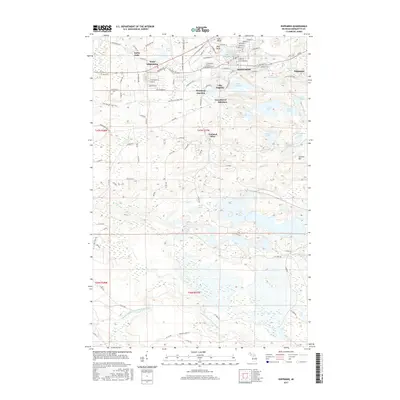 2017 Ishpeming2017 Print · USGSIshpeming and the central Marquette Iron Range are shown here during the late twenty-teens, documenting a landscape shaped by over a century of mining. You can trace the proximity of neighborhoods like National Mine and Frenchtown to natural landmarks like Lake Angeline and Summit Mtn.
 - 2019 Map of Negaunee, 2019 Print
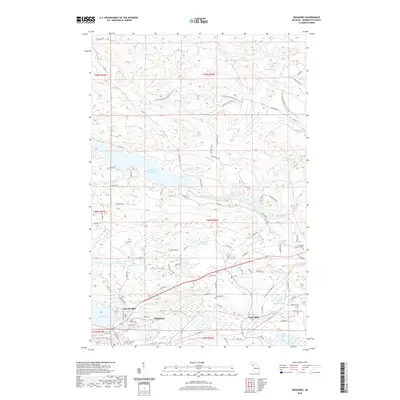 2019 Negaunee2019 Print · USGSNegaunee and the iron range corridor of Michigan's Upper Peninsula are captured in this modern survey of a storied mining district. Genealogists and hikers can trace the N Country National Scenic Trail past Baldwin Kiln Lake or locate family sites near Negaunee Cem and Eagle Mills.
Showing maps 1-25 of 32
Top cities near Negaunee
- Marquette historical maps
- Ishpeming historical maps
- Sands historical maps
- Gwinn historical maps
- Trowbridge Park historical maps
- Palmer historical maps
Top neighborhoods of Negaunee
Frequently asked questions
- What are the different types of historical maps available for Negaunee?
- What is the oldest map of Negaunee?
- Where can I purchase historical maps of Negaunee for my home or office?
- Where can I download high-res historical maps of Negaunee?
- Are there historical topographic maps available for Negaunee?
- Is there historical aerial imagery available for Negaunee?
- Where are historical maps of Negaunee sourced from?