Old Maps of Split Rock Township, Minnesota for Genealogy
Trace your family roots with 32 historic maps of Split Rock Township. These high-res maps reveal old neighborhoods, homesites, landmarks, and streets — helping you uncover where your ancestors lived and how the area evolved over time.
- Explore historic neighborhoods: Identify where your relatives may have lived in the 1800s or 1900s.
- Compare maps over time: Trace the changes in streets, buildings, and landmarks for multi-generational research.
- Perfect for genealogy & ancestry research: Used by family historians and researchers to map out lineage and migration.
These maps are an incredible resource for exploring your personal connection to Split Rock Township's past.
Split Rock Township, MN maps
(32)- 1953 Map of Duluth, 1964 Print
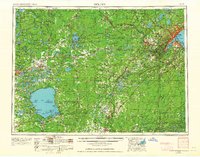 1953 Duluth1964 Print · USGSNortheastern Minnesota and northwestern Wisconsin are shown here during a period of industrial maturity and expanding conservation. Genealogists and historians can trace rail-connected towns like McGrath and Wahkon, or locate heritage sites within the Fond du Lac Indian Reservation.2 unique versions available
 - 1958 Map of Duluth
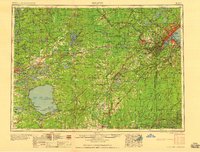 1958 Duluth1958 Print · USGSNortheastern Minnesota and the Wisconsin borderlands are shown in detail during the late 1950s, centered on the bustling rail yards and ports of Duluth. You can trace the historic routes of the Soo Line and Duluth Missabe & Iron Range through small towns like McGrath, Bruno, and Wrenshall.
 - 1961 Map of Cromwell, 1963 Print
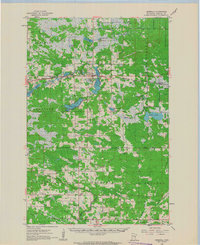 1961 Cromwell1963 Print · USGSCarlton County in the early sixties remains a region of quiet rail towns and deep glacial lakes. Genealogists and historians can trace family roots through landmarks like Finnish Ch, Kalevala Sch, and the West Branch Cem.2 unique versions available
 - 1961 Map of Moose Lake, 1963 Print
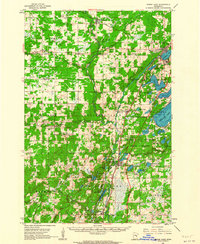 1961 Moose Lake1963 Print · USGSNortheastern Minnesota lakeside communities and the Kettle River valley are captured in the early sixties as they balanced forestry and small-town industry. Genealogists and local historians can trace family-named landmarks and rural hubs like Nordland Cem, the State Hospital, and the rail stops at Willow River and Rutledge.2 unique versions available
 - 1969 Map of Ronald, 1971 Print
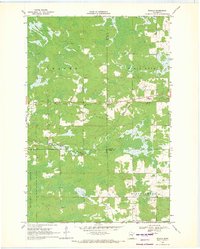 1969 Ronald1971 Print · USGSThe rural Minnesota landscape at the meeting point of Aitkin, Carlton, and Pine counties was dominated by timber and wetlands in the late sixties. Researchers can trace the small settlement at Ronald, find the Beaver Ch, and follow the winding Split Rock River through the Solina State Forest.2 unique versions available
 - 1969 Map of Automba, 1972 Print
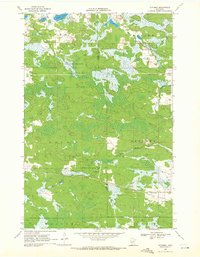 1969 Automba1972 Print · USGSThe Aitkin County backcountry in the late sixties is a mosaic of dense woods and winding waterways. Trace the Soo Line rail corridor through the settlement of Automba or explore the wetlands of the Salo Marsh State Wildlife Management Area.
 - 1980 Map of Sandstone
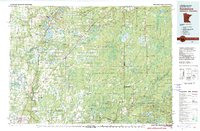 1980 Sandstone1980 Print · USGSPine County and the Minnesota-Wisconsin borderlands are shown here in the early eighties as a region of dense state forests and river corridors. Genealogists and historians can trace rail-town development along the Burlington Northern including Sandstone, Askov, and Hinckley.
 - 1980 Map of Duluth
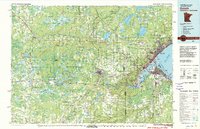 1980 Duluth1980 Print · USGSThe Twin Ports of the early 1980s showcase a landscape defined by heavy rail lines and Lake Superior shipping. Trace the iron-ore routes through Proctor or locate family sites near Sunrise Memorial Cem and Floodwood.
 - 1981 Map of Kettle River, 1982 Print
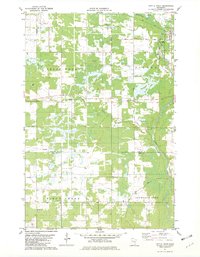 1981 Kettle River1982 Print · USGSNear the border of Carlton and Pine counties in the early eighties, this area shows a landscape defined by its rivers and family-named roads. Genealogists can trace local heritage through landmarks like Nordland Cem, St Josephs Ch, and family routes like Greski Road.
 - 1982 Map of Heikkila Creek
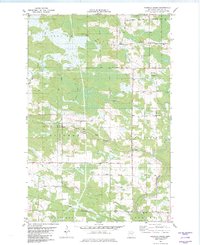 1982 Heikkila Creek1982 Print · USGSCarlton County in the early eighties remains a landscape of river headwaters and township crossroads. Researchers can trace the Soo Line through the southern townships and locate family-named sites like West Branch Cem and Holy Trinity Cem.
 - 1985 Map of Mille Lacs Lake
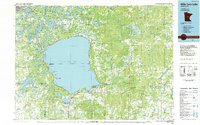 1985 Mille Lacs Lake1985 Print · USGSMille Lacs Lake and its surrounding settlements are shown in the mid-1980s as a hub of lake-shore recreation and rail commerce. Researchers can trace historic transport lines like the Soo Line and locate communities such as Wahkon and Garrison.2 unique versions available
 - 1994 Map of Aitkin
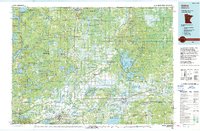 1994 Aitkin1994 Print · USGSIn the mid-1990s, the lake country of central Minnesota remained a patchwork of state forests and rail-linked settlements. Researchers can trace the legacy of the Soo Line through towns like McGregor and Aitkin, or explore the vast reaches of the Savanna State Forest and Rice Lake.
 - 2010 Map of Heikkila Creek, 2010 Print
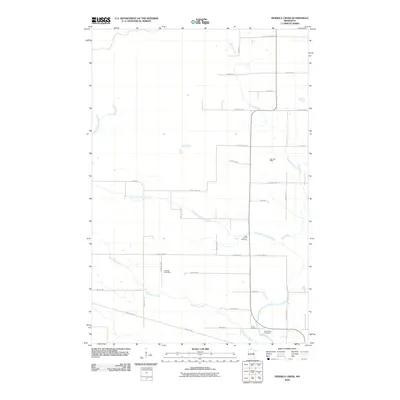 2010 Heikkila Creek2010 Print · USGSKalevala Township at the start of the twenty-first century reveals a landscape shaped by Finnish settlement and the Kettle River watershed. Genealogists and local historians can trace family roots through sites like the Salo Post Office, Holy Trinity Cemetery, and West Branch Cemetery.
 - 2010 Map of Ronald, 2010 Print
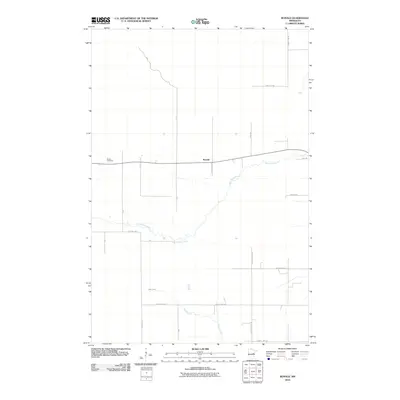 2010 Ronald2010 Print · USGSThis Aitkin County landscape reveals a quiet rural settlement pattern just after the turn of the millennium. Genealogists and local historians can locate Beaver Cemetery and trace the paths of Split Rock River and Wagon Wheel Rd.
 - 2010 Map of Kettle River, 2010 Print
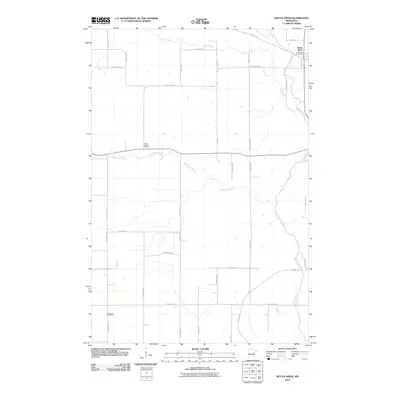 2010 Kettle River2010 Print · USGSThe northeastern Minnesota landscape around Kettle River is documented here at a time when former rail corridors were transitioning into local trails. Researchers can locate family sites near Saint Joseph's Cemetery or trace the winding course of the Dead Moose River and Split Rock River.
 - 2010 Map of Automba, 2010 Print
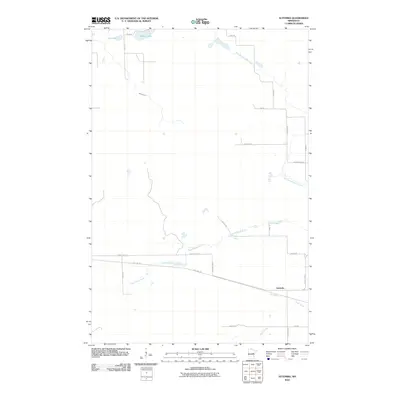 2010 Automba2010 Print · USGSAutomba and the surrounding Carlton County woodlands appear here in the early twenty-first century, centered on the legacy of the rail lines. Genealogists and local historians can trace family-named routes like S Finn Rd and Kahra Rd near the Soo Line Trl.
 - 2013 Map of Ronald, 2013 Print
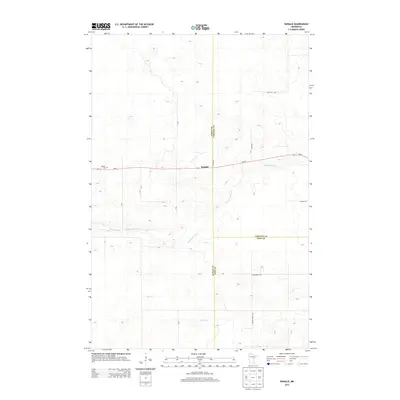 2013 Ronald2013 Print · USGSRonald and the surrounding tri-county border lands are captured here during the early twenty-first century. Genealogists and local historians can trace rural landmarks like Beaver Cem and follow the paths of Wagon Wheel Rd and the Split Rock River.
 - 2013 Map of Heikkila Creek, 2013 Print
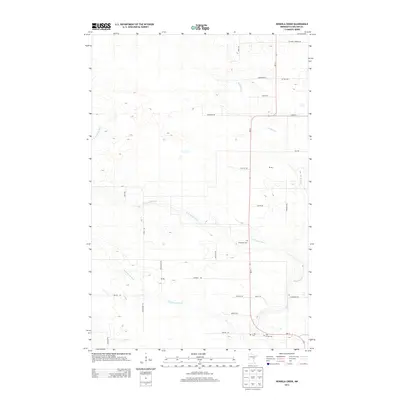 2013 Heikkila Creek2013 Print · USGSCarlton County's rural landscape is captured here in the early twenty-first century, showing a network of family-named roads and river crossings. Researchers can trace local history through markers for the PO and burial sites like W Branch Cem and Holy Trinity Cem.
 - 2013 Map of Kettle River, 2013 Print
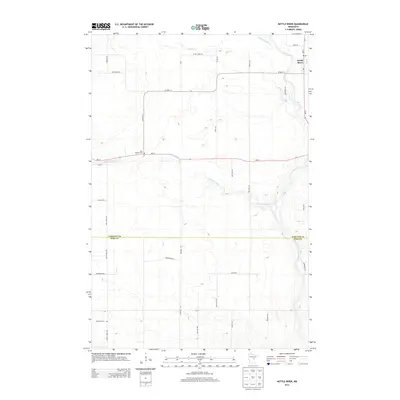 2013 Kettle River2013 Print · USGSThe community of Kettle River and the surrounding Northwoods landscape are captured here in the early twenty-first century. Genealogists and local historians can trace rural roots at Saint Joseph's Cem or follow the winding courses of the Dead Moose River and Split Rock River.
 - 2013 Map of Automba, 2013 Print
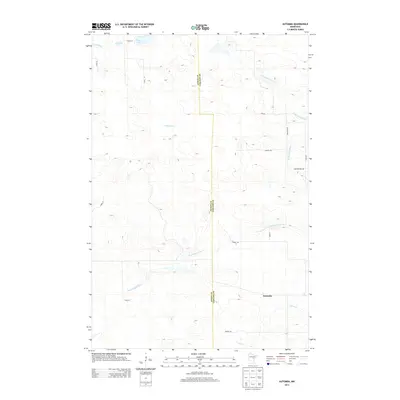 2013 Automba2013 Print · USGSThe rural interior of Carlton and Aitkin Counties comes into focus during the early twenty-first century as a landscape of meandering river systems. Trace local genealogy and land use along Kahra Rd and Sauvola Rd near the settlement of Automba.
 - 2016 Map of Automba, 2016 Print
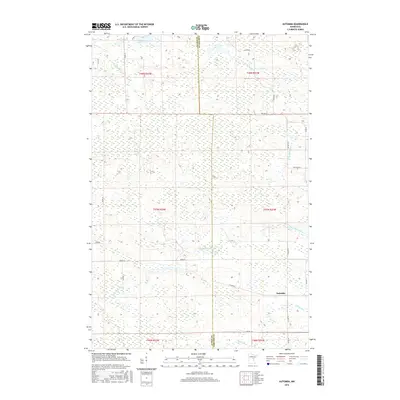 2016 Automba2016 Print · USGSThe northern woods and wetlands of Minnesota are mapped in detail during the early twenty-first century, showing the small community of Automba. Genealogists and researchers can trace the reaches of the Dead Moose River, family-named roads like S Finn Rd, and the Aitkin and Carlton County line.
 - 2016 Map of Ronald, 2016 Print
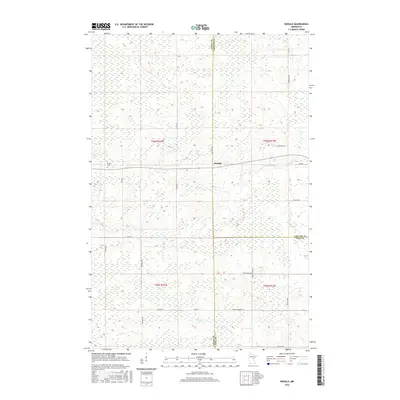 2016 Ronald2016 Print · USGSThis northern Minnesota survey at the edge of the 21st century reveals a landscape where Aitkin, Carlton, and Pine Counties converge. Researchers can trace rural lineages at Beaver Cem or follow the paths of Split Rock River and the curiously named Wagon Wheel Rd.
 - 2016 Map of Kettle River, 2016 Print
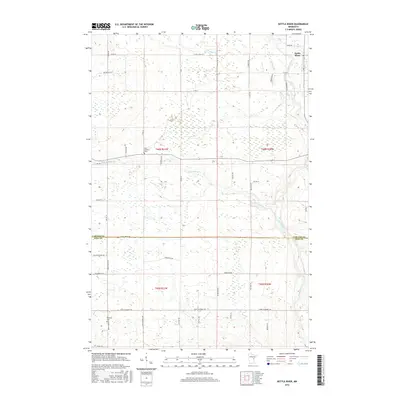 2016 Kettle River2016 Print · USGSThe rural borderlands of Carlton and Pine counties are documented here in 2016, showing a landscape defined by northern wetlands and winding waterways. Genealogists and local historians can trace family locations near Saint Joseph's Cemetery and Nordland Cemetery, or follow the course of the Split Rock River.
 - 2016 Map of Heikkila Creek, 2016 Print
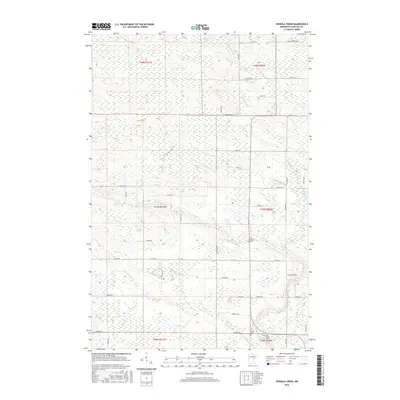 2016 Heikkila Creek2016 Print · USGSCarlton County's rural landscape comes into focus in the mid-2010s, showing the intricate drainage of the Heikkila Creek and the Dead Moose River. Genealogists can locate several local burial sites, including the West Branch Cem and Co-op Cem, set among historically named roads.
 - 2019 Map of Ronald, 2019 Print
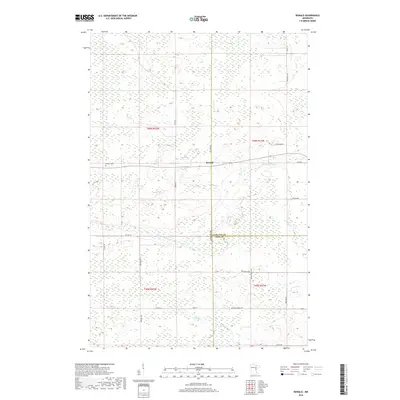 2019 Ronald2019 Print · USGSThe tri-county corner of Aitkin, Carlton, and Pine counties is captured here in the late twenty-teens, showing a landscape of dense wetlands and rural homesteads. Genealogists and local historians can trace legacy routes like Wagon Wheel Rd or locate the Beaver Cem near Ronald.
Showing maps 1-25 of 32
Top cities near Split Rock Township
- Moose Lake historical maps
- Willow River historical maps
- Sturgeon Lake historical maps
- Cromwell historical maps
- Rutledge historical maps
- Kettle River historical maps
See more
Frequently asked questions
- What are the different types of historical maps available for Split Rock Township?
- What is the oldest map of Split Rock Township?
- Where can I purchase historical maps of Split Rock Township for my home or office?
- Where can I download high-res historical maps of Split Rock Township?
- Are there historical topographic maps available for Split Rock Township?
- Is there historical aerial imagery available for Split Rock Township?
- Where are historical maps of Split Rock Township sourced from?