Old Maps of Vesta, Minnesota for Metal Detecting
Plan your next treasure hunt with 11 historic maps of Vesta. Find old homesites, ghost towns, trails, and gathering spots that may be lost to time — perfect for identifying promising metal detecting locations.
- Locate forgotten sites: Uncover places like long-lost settlements, abandoned rail lines, or gathering spots.
- Plan better hunts: Use map overlays combined with LiDAR or satellite views to narrow in on historically rich areas.
- Made for detectorists: Thousands of hobbyists use these maps to discover relics, coins, and hidden history.
Use these historic maps to boost your research and find new opportunities beneath the surface of Vesta.
Vesta, MN maps
(11)- 1953 Map of New Ulm, 1968 Print
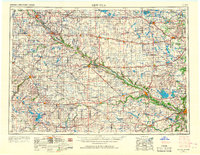 1953 New Ulm1968 Print · USGSSouthern Minnesota in the mid-1950s is defined by its deep river valleys and the expanding reach of the Great Northern and Chicago and North Western railroads. Researchers can trace rural lineages through landmarks like the Milford State Monument, St. John's Ch, and the Upper Sioux Indian Res.3 unique versions available
 - 1957 Map of New Ulm
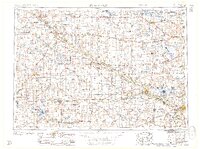 1957 New Ulm1957 Print · USGSCentral Minnesota in the mid-fifties remains a landscape of river-valley commerce and prairie agriculture defined by its historic mission sites and rail towns. Genealogists and local historians can trace the development of New Ulm and Montevideo, or locate specific landmarks like the Milford State Monument and Minnesota Falls.
 - 1958 Map of New Ulm
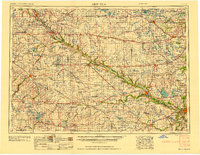 1958 New Ulm1958 Print · USGSSouth-central Minnesota’s river valleys and prairie towns are captured here in the mid-fifties, during the height of the region's rail-and-river economy. Genealogists and historians can trace the legacy of the Upper Sioux Indian Mission or locate early rail stops along the Chicago and North Western Ry in towns like Redwood Falls and Glencoe.
 - 1965 Map of Echo, 1966 Print
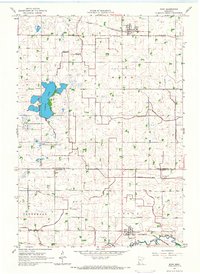 1965 Echo1966 Print · USGSYellow Medicine and Redwood counties meet here in the mid-sixties, where rail-line towns served a landscape of engineered prairie. Genealogists and local historians can trace the Chicago and North Western tracks to Echo, locate Vesta Cem, or study the wetlands of Curtis Lake.
 - 1967 Map of New Ulm
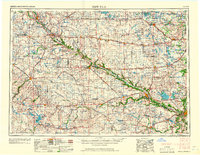 1967 New Ulm1967 Print · USGSSouthern Minnesota in the mid-fifties is captured here as a landscape of river-valley missions and busy prairie rail towns. Researchers can trace the Yellow Medicine Trail and locate historic sites like the Morton Indian Mission and Milford State Monument.
 - 1986 Map of Montevideo
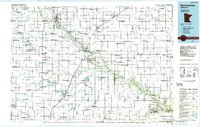 1986 Montevideo1986 Print · USGSWestern Minnesota’s river valleys and prairie townships are captured here in the mid-eighties, showing the region's agricultural and rail network. Trace family roots and local history through Montevideo, Granite Falls, and the Upper Sioux Agency State Park.2 unique versions available
 - 2010 Map of Echo, 2010 Print
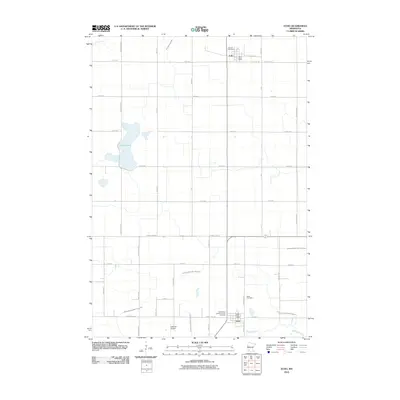 2010 Echo2010 Print · USGSRedwood County agriculture and small-town life are documented here in the early twenty-first century. Researchers can trace family roots at the German Cemetery in Echo or locate the Holy Name Catholic Church Cemetery near the banks of the Redwood River.
 - 2013 Map of Echo, 2013 Print
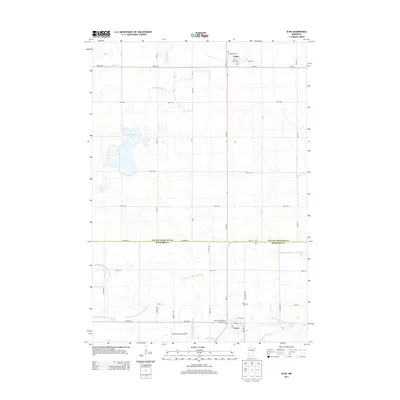 2013 Echo2013 Print · USGSRedwood and Yellow Medicine counties are seen here in the early twenty-first century, showing a landscape defined by intensive prairie agriculture. Researchers can locate family sites near the German Cem, trace the winding Redwood River, or explore the small-town layouts of Echo and Vesta.
 - 2016 Map of Echo, 2016 Print
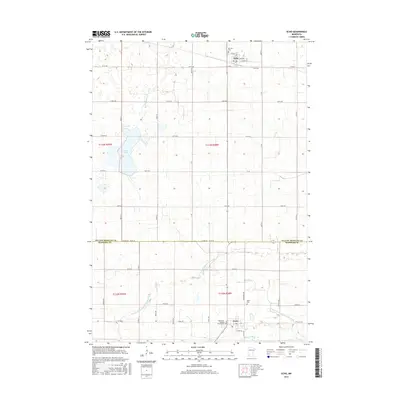 2016 Echo2016 Print · USGSThe prairie landscape of Echo and Vesta is captured here in the mid-2010s as it straddles the Yellow Medicine and Redwood County line. Researchers can trace local heritage at sites like the Holy Name Catholic Church, the Vesta Cem, and the riparian corridor of the Redwood River.
 - 2019 Map of Echo, 2019 Print
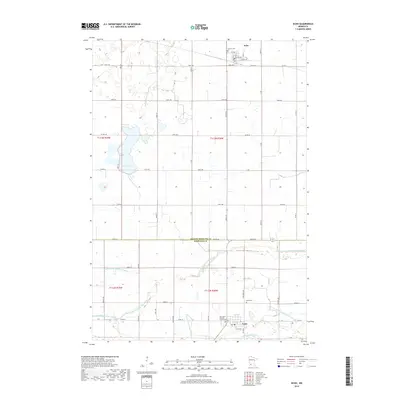 2019 Echo2019 Print · USGSThe agricultural borderlands of Yellow Medicine and Redwood counties are captured in this modern survey of the prairie landscape. Genealogists can trace family roots through sites like German Cem, Vesta Cem, and the Holy Name Catholic Church Cem.
 - 2022 Map of Echo, 2022 Print
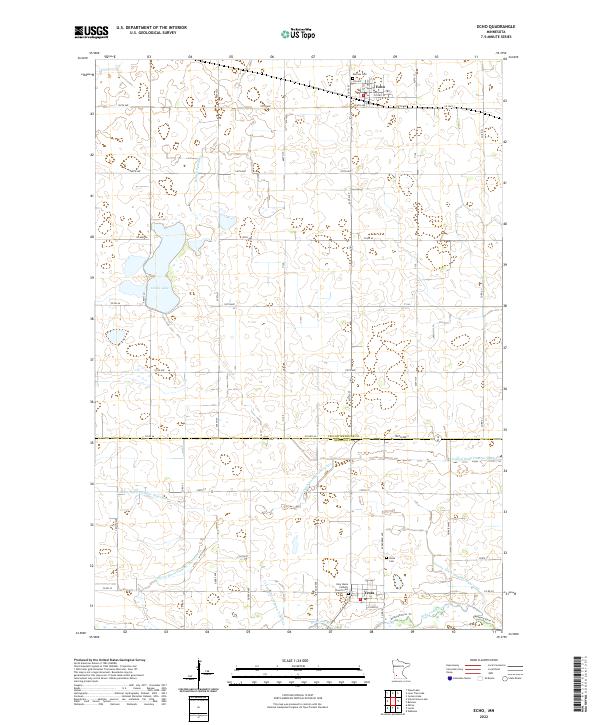 2022 Echo2022 Print · USGSThe borderlands of Yellow Medicine and Redwood Counties are documented here in the early twenty-first century. Genealogists and local historians can trace family ties through German Cem and Vesta Cem, or locate the Holy Name Catholic Church near the Redwood River.
End of results
Showing maps 1-11 of 11
Top cities near Vesta
- Wabasso historical maps
- Wood Lake historical maps
- Belview historical maps
- Hanley Falls historical maps
- Echo historical maps
- Milroy historical maps
See more
Frequently asked questions
- What are the different types of historical maps available for Vesta?
- What is the oldest map of Vesta?
- Where can I purchase historical maps of Vesta for my home or office?
- Where can I download high-res historical maps of Vesta?
- Are there historical topographic maps available for Vesta?
- Is there historical aerial imagery available for Vesta?
- Where are historical maps of Vesta sourced from?