Old Maps of Monroe County, Mississippi for Metal Detecting
Plan your next treasure hunt with 137 historic maps of Monroe County. Find old homesites, ghost towns, trails, and gathering spots that may be lost to time — perfect for identifying promising metal detecting locations.
- Locate forgotten sites: Uncover places like long-lost settlements, abandoned rail lines, or gathering spots.
- Plan better hunts: Use map overlays combined with LiDAR or satellite views to narrow in on historically rich areas.
- Made for detectorists: Thousands of hobbyists use these maps to discover relics, coins, and hidden history.
Use these historic maps to boost your research and find new opportunities beneath the surface of Monroe County.
Monroe County, MS maps
(137)- 1953 Map of West Point, 1973 Print
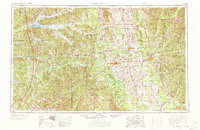 1953 West Point1973 Print · USGSNorth-Central Mississippi and the Alabama borderlands are captured here during the mid-twentieth century as new reservoirs and national forests transformed the landscape. Researchers can trace the path of the Mississippi & Skuna Valley railroad or locate old landings along the Tombigbee River and Schooner Creek.3 unique versions available
 - 1956 Map of Tupelo, 1967 Print
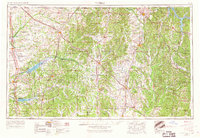 1956 Tupelo1967 Print · USGSNortheast Mississippi and parts of Tennessee and Alabama are shown here during the mid-fifties, a time of major reservoir construction and forestry management. Researchers can trace the St Louis-San Francisco RR through Tupelo or locate historic sites like Tishomingo State Park and the University.2 unique versions available
 - 1958 Map of Tupelo
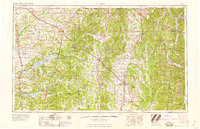 1958 Tupelo1958 Print · USGSNortheast Mississippi and neighboring Alabama and Tennessee appear here during the late fifties as a region defined by new reservoirs and historic rail lines. Genealogists can trace family locations near Sardis Lake, Woodall Mountain, and the St Louis-San Francisco Ry.
 - 1958 Map of West Point
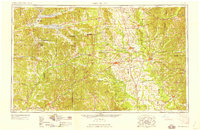 1958 West Point1958 Print · USGSNortheastern Mississippi and western Alabama are shown in the late 1950s, highlighting a region defined by its river-and-rail economy. Researchers can trace family roots through numerous settlements like Artesia and Vardaman or explore the corridor of the Tombigbee River.
 - 1959 Map of West Point, 1960 Print
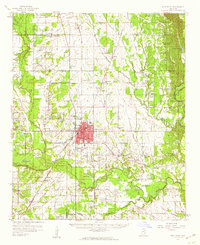 1959 West Point1960 Print · USGSClay County and the surrounding Black Prairie region appear here in the late fifties, centered on the rail junction at West Point. Researchers can trace rural lineages through numerous family-named landmarks and local sites like Holmes Jr College, Sandy Clay Sch, and the Town Creek Ch Cem.3 unique versions available
 - 1960 Map of Caledonia, 1961 Print
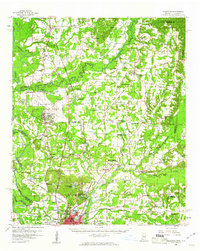 1960 Caledonia1961 Print · USGSThe Mississippi-Alabama borderlands in the early sixties reveal a landscape of growing military bases and traditional river commerce. Trace family roots through rural landmarks like Anderson Grove Sch, Waverly Ferry, and the rail lines serving Steens.2 unique versions available
 - 1963 Map of West Point
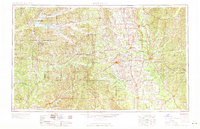 1963 West Point1963 Print · USGSEastern Mississippi and western Alabama are captured in the early sixties as industrial centers and rail lines connected the Black Prairie to the hills. Genealogists and historians can trace family-named watercourses and the early footprints of Starkville, Columbus, and the Noxubee National Wildlife Refuge.2 unique versions available
 - 1965 Map of Egypt, 1967 Print
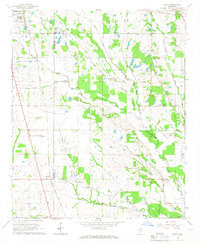 1965 Egypt1967 Print · USGSThe rail-and-creek landscape of Monroe and Chickasaw counties comes alive in the mid-1960s as it transitions toward a more modern era. Family historians can locate rural landmarks like Darden Chapel, Leftwich Sch, and the community of Egypt along the Gulf Mobile and Ohio Railroad.2 unique versions available
 - 1966 Map of Smithville, 1967 Print
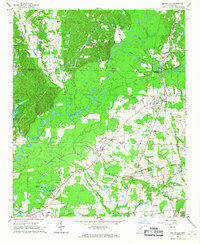 1966 Smithville1967 Print · USGSMonroe and Itawamba counties appear here in the mid-1960s, a landscape defined by the winding Tombigbee River and historic land lines. Genealogists can locate family landmarks like Dunlap Cem, Bethel Ch, and the distinct paths of the Old Indian Boundary.2 unique versions available
 - 1966 Map of Aberdeen, 1967 Print
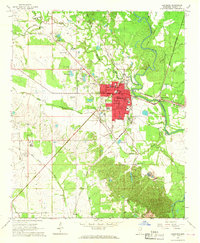 1966 Aberdeen1967 Print · USGSAberdeen was a bustling rail and river hub in the mid-1960s, where the Tombigbee River met two major rail lines. Researchers can trace family history through the Odd Fellows Cemetery, Shivers High Sch, and rural landmarks like Binford.2 unique versions available
 - 1966 Map of Shannon, 1967 Print
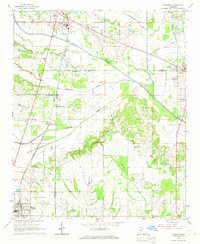 1966 Shannon1967 Print · USGSNortheast Mississippi’s rail and river landscape is captured here in the mid-sixties as county lines and rural congregations defined local life. Genealogists can trace family landmarks like Johnsons Chapel, Temples Cem, and the path of the Gulf Mobile and Ohio railroad.2 unique versions available
 - 1966 Map of Amory, 1967 Print
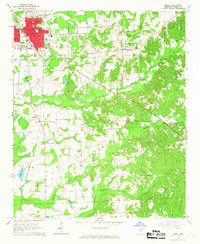 1966 Amory1967 Print · USGSAmory and its surrounding Monroe County hill country appear here during the mid-1960s, showing the intersection of rail-line industry and rural life. Researchers can trace family roots at numerous rural landmarks, including St Paul Ch, Camp Cem, and the Monroe County Airport.3 unique versions available
 - 1966 Map of Amory SW, 1967 Print
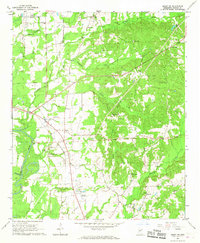 1966 Amory SW1967 Print · USGSMonroe County's rural landscape is captured here in the mid-1960s as the St Louis-San Francisco rail line serves the small settlement of Lackey. Genealogists can trace family names through landmarks like Beeks Cem, Burns Cem, and the Pleasant Hill Cem.2 unique versions available
 - 1966 Map of Turon, 1967 Print
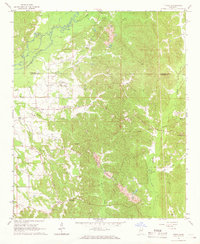 1966 Turon1967 Print · USGSUpper Monroe and Itawamba counties appear here in the mid-1960s, a rural landscape shaped by ancient treaty lines and small-scale mining. Local researchers can locate dozens of burial sites like Springfield Cem and Jones Cem, or trace the path of the Old Indian Treaty Boundary.2 unique versions available
 - 1966 Map of Wren, 1967 Print
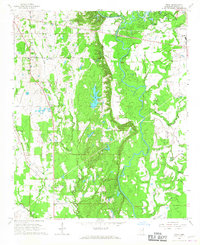 1966 Wren1967 Print · USGSMonroe County was defined by its river-bottom industry and quiet rural settlements during the mid-1960s. Genealogists and historians can trace family roots through numerous sites like Grady's Chapel, Mound Cem, and the historic Indian Treaty Boundary.2 unique versions available
 - 1966 Map of Prairie, 1967 Print
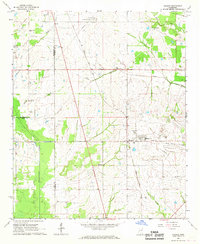 1966 Prairie1967 Print · USGSNortheastern Mississippi comes alive in the mid-1960s as a land of rural churches and rail-side hamlets. Researchers can trace the GULF MOBILE AND OHIO railroad line through Prairie and locate family landmarks like Patterson Cem and Ebenezer Ch.2 unique versions available
 - 1966 Map of Nettleton, 1967 Print
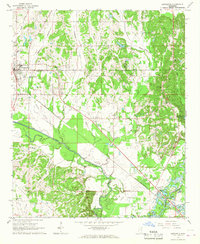 1966 Nettleton1967 Print · USGSNettleton and the Lee-Monroe county line are shown here in the mid-1960s, prior to significant modern development along the river. Genealogists can trace family landmarks like Siloam Sch, Union View Ch, and cemeteries such as Williams Cem and Goodwin Cem.2 unique versions available
 - 1966 Map of Greenwood Springs, 1968 Print
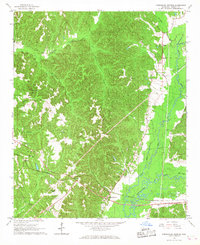 1966 Greenwood Springs1968 Print · USGSMonroe County was a landscape of quiet creek bottoms and rural rail stops in the mid-sixties. Researchers can locate family cemeteries like Crenshaw Cem or trace the old St Louis San Francisco line through Greenwood Springs and Wise Gap.2 unique versions available
 - 1966 Map of Amory SE, 1968 Print
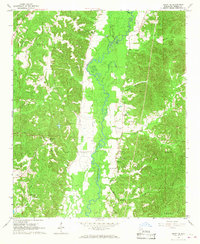 1966 Amory SE1968 Print · USGSMonroe County, Mississippi, is shown in the mid-1960s as a landscape shaped by the winding Buttahatchie River and rural industry. Researchers can find numerous family burial sites such as Marchbanks Cem and the historical Honnell Mill site.2 unique versions available
 - 1967 Map of Sulligent, 1968 Print
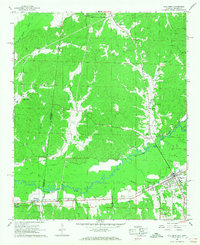 1967 Sulligent1968 Print · USGSThe Alabama-Mississippi state line comes alive in the late 1960s, centered on the railroad hub of Sulligent. Genealogists and local historians can trace rural life through numerous family burial sites like Almon Cem and country churches such as Wesley Chapel.2 unique versions available
 - 1967 Map of Sulligent SW, 1968 Print
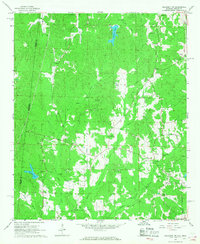 1967 Sulligent SW1968 Print · USGSThe Alabama-Mississippi borderlands in the late sixties reveal a landscape of creek-side communities and country churches. Genealogists can locate family landmarks like Taylor Cem and Bedford Sch, or trace the path of Watson Creek.2 unique versions available
 - 1967 Map of Millport NW, 1968 Print
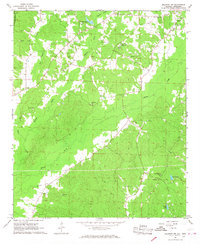 1967 Millport NW1968 Print · USGSLamar County in the late 1960s was a rural landscape defined by tight-knit communities and winding creek valleys. Researchers can locate family landmarks like Lampkin Cem and Sailor Cem, or trace local history at the Lamar County Training Sch.3 unique versions available
 - 1967 Map of Detroit, 1968 Print
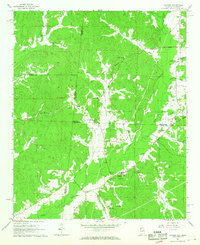 1967 Detroit1968 Print · USGSDetroit and its surrounding rural communities are captured here in the late sixties along the Alabama-Mississippi state line. Researchers can trace historic land divisions like the Old Indian Treaty Boundary or locate family sites such as Byrd Sch and Riggins Cem.3 unique versions available
 - 1982 Map of West Point, 1983 Print
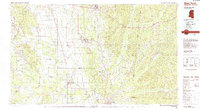 1982 West Point1983 Print · USGSEastern Mississippi and western Alabama are captured in the early eighties as the river-and-rail economy evolved. Trace family roots and old township lines near West Point, Columbus Air Force Base, and the historic Natchez Trace Parkway.
 - 1984 Map of West Point
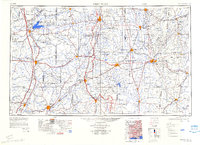 1984 West Point1984 Print · USGSNorth-Central Mississippi in the mid-eighties shows a landscape defined by massive water management projects and dense timberlands. Researchers can trace the legacy of rural settlements like Geeslin Corner or the rail corridors of the Illinois Central Gulf RR near Grenada Lake.3 unique versions available
Showing maps 1-25 of 137
Top cities of Monroe County
- Amory historical maps
- Aberdeen historical maps
- Smithville historical maps
- New Hamilton historical maps
- Hatley historical maps
- Gattman historical maps
Frequently asked questions
- What are the different types of historical maps available for Monroe County?
- What is the oldest map of Monroe County?
- Where can I purchase historical maps of Monroe County for my home or office?
- Where can I download high-res historical maps of Monroe County?
- Are there historical topographic maps available for Monroe County?
- Is there historical aerial imagery available for Monroe County?
- Where are historical maps of Monroe County sourced from?