Old Maps of Noxubee County, Mississippi for Academic Research
Study the evolution of Noxubee County with 130 high-resolution historic maps. Whether you're teaching, researching, or modeling changes in land use, these maps provide essential visual documentation of urban, environmental, and geographic change.
- Analyze long-term change: Track patterns in development, transportation, and natural features.
- Ideal for environmental or urban studies: Support academic projects with primary historical map data.
- Use in the classroom or lab: Educators and researchers rely on these maps to bring historical context to life.
These maps are a powerful tool for teaching, research, and visualizing how Noxubee County has changed over the decades.
Noxubee County, MS maps
(130)- 1953 Map of Meridian, 1966 Print
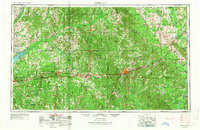 1953 Meridian1966 Print · USGSEast Central Mississippi and the Alabama borderlands are captured here during a period of steady growth and infrastructure expansion. Genealogists and historians can trace rail-town development along the Gulf Mobile & Ohio Railroad and find early settlements like Scooba, Pelahatchie, and De Kalb.2 unique versions available
 - 1953 Map of West Point, 1973 Print
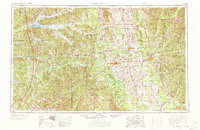 1953 West Point1973 Print · USGSNorth-Central Mississippi and the Alabama borderlands are captured here during the mid-twentieth century as new reservoirs and national forests transformed the landscape. Researchers can trace the path of the Mississippi & Skuna Valley railroad or locate old landings along the Tombigbee River and Schooner Creek.3 unique versions available
 - 1957 Map of Meridian
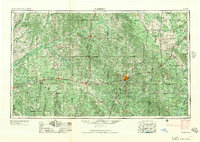 1957 Meridian1957 Print · USGSEast Central Mississippi and parts of Western Alabama come alive in the mid-1950s, centered on the transit hub of Meridian. Researchers can trace old rail lines like the Illinois Central and find historic sites such as the Choctaw Indian Reservation and Roosevelt State Park.
 - 1958 Map of West Point
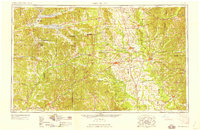 1958 West Point1958 Print · USGSNortheastern Mississippi and western Alabama are shown in the late 1950s, highlighting a region defined by its river-and-rail economy. Researchers can trace family roots through numerous settlements like Artesia and Vardaman or explore the corridor of the Tombigbee River.
 - 1959 Map of Artesia, 1960 Print
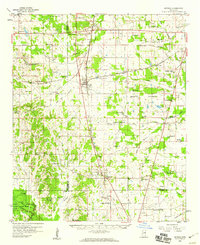 1959 Artesia1960 Print · USGSThe Gulf Mobile and Ohio railroad corridor anchors this mid-century look at the prairie country of eastern Mississippi. Genealogists can trace family names at Ledbetter Cem or locate rural centers like Truevine Sch and the community of Artesia.3 unique versions available
 - 1960 Map of Columbus, 1961 Print
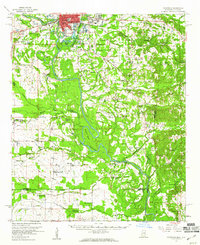 1960 Columbus1961 Print · USGSThe Tombigbee River valley at the start of the 1960s shows a landscape of river-bend farms and rural communities centered around family churches and schools. Researchers can trace historic river crossings like the Nashville Ferry or locate ancestral sites at St Mathis Cem and Plum Grove Sch.2 unique versions available
 - 1962 Map of Preston, 1963 Print
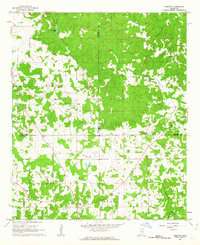 1962 Preston1963 Print · USGSThe tri-county borderlands of Winston, Noxubee, and Kemper counties are captured here in the early 1960s. Genealogists can locate family landmarks like Good Hope Ch, Hailey Cem, and the old schoolhouse at Preston.2 unique versions available
 - 1962 Map of Shuqualak, 1964 Print
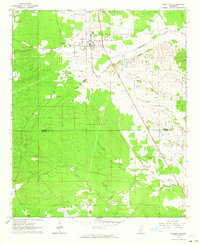 1962 Shuqualak1964 Print · USGSEastern Mississippi's rural timber and rail corridors come into focus in the early sixties. Researchers can trace family history through numerous landmarks like Shuqualak Cem, the settlement of Wahalak, and the old Gulf Mobile and Ohio line.2 unique versions available
 - 1963 Map of West Point
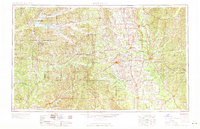 1963 West Point1963 Print · USGSEastern Mississippi and western Alabama are captured in the early sixties as industrial centers and rail lines connected the Black Prairie to the hills. Genealogists and historians can trace family-named watercourses and the early footprints of Starkville, Columbus, and the Noxubee National Wildlife Refuge.2 unique versions available
 - 1963 Map of Gholson, 1964 Print
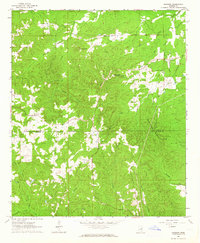 1963 Gholson1964 Print · USGSNoxubee and Kemper counties are shown in the early sixties as a landscape of timbered ridges and family-run farms. Genealogists can trace rural roots through landmarks like Poorhouse Cem, Union Hill Ch, and the small settlement of Gholson.3 unique versions available
 - 1965 Map of Meridian
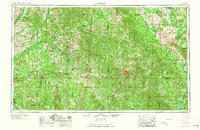 1965 Meridian1965 Print · USGSEast Mississippi and West Alabama are mapped here in the mid-sixties as the region's modern highway and reservoir systems began to take shape. Researchers can trace rural lineages through local landmarks like Prince Chapel and Tuscahoma Landing, or follow the historic Gulf Mobile & Ohio rail lines.
 - 1965 Map of Bluff Lake, 1966 Print
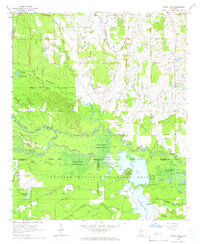 1965 Bluff Lake1966 Print · USGSThe Oktibbeha County wetlands come into focus in the mid-sixties as conservation efforts shaped the local landscape. Genealogists and researchers can trace family landmarks like Bethel Ch and Noxubee Cem alongside the managed waters of Bluff Lake.
 - 1973 Map of Panola, 1975 Print
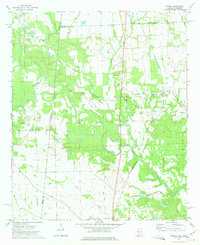 1973 Panola1975 Print · USGSThe borderlands of Alabama and Mississippi come into focus in the early seventies, centered on the Noxubee River bottoms. Researchers can trace family sites at Mt Tabor Ch Cem and St Marys Ch or follow the St Louis-San Francisco rail line.2 unique versions available
 - 1973 Map of Cliftonville, 1975 Print
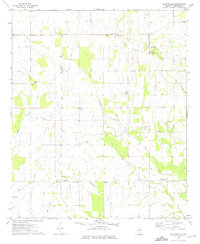 1973 Cliftonville1975 Print · USGSNoxubee County was characterized by its quiet agricultural settlements and numerous rural congregations during the early 1970s. You can trace family roots through landmarks like South Haven Sch, the Deerbrook Lookout Tower, and churches like Drake Hill Ch.
 - 1973 Map of Fearns Springs, 1975 Print
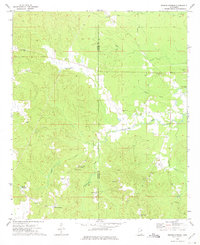 1973 Fearns Springs1975 Print · USGSWinston and Noxubee counties appear here in the early 1970s, a rural landscape defined by family settlements and an Old Railroad Grade. Genealogists can trace deep local roots at Hemphill Cem, Fearns Springs, and Little Member Ch.
 - 1973 Map of McLeod, 1975 Print
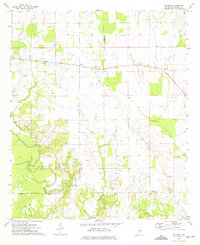 1973 McLeod1975 Print · USGSNoxubee County was defined by its river-bottom geography and small agricultural crossroads in the early 1970s. Genealogists and local historians can trace family sites at St Michaels Cem and Prairie Ridge Cem or locate the old McLeod settlement.
 - 1973 Map of Brooksville, 1975 Print
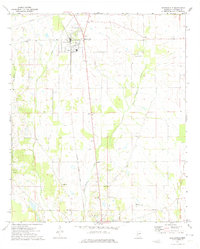 1973 Brooksville1975 Print · USGSNoxubee County was centered on the rail-driven town of Brooksville during the early 1970s. Researchers can trace rural family roots through numerous sites like Tolliver Chapel, Halls Cem, and the Illinois Central Gulf rail line.2 unique versions available
 - 1973 Map of Barge Lake, 1975 Print
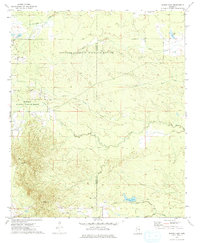 1973 Barge Lake1975 Print · USGSWinston and Noxubee Counties are shown in the early seventies, a landscape defined by the wetlands of the Noxubee National Wildlife Refuge. Genealogists can locate family landmarks like Beth Cem, Conn Cem, and Antioch Ch.2 unique versions available
 - 1973 Map of Paulette, 1975 Print
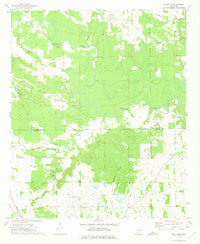 1973 Paulette1975 Print · USGSThe Noxubee and Kemper county line area in the early 1970s was a landscape of winding river bottoms and small family-named settlements. Researchers can trace the layout of rural communities like Paulette and Binnsville, or locate family burial grounds at Woodlawn Cem and Old Wahalak Cem.
 - 1973 Map of Mashulaville, 1975 Print
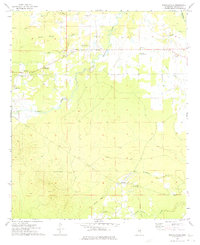 1973 Mashulaville1975 Print · USGSMashulaville and its surrounding timberlands are documented in the early 1970s as a landscape of small rural congregations and winding creek bottoms. Researchers can trace the Old RR Grade and locate historic sites like Mt Moriah Ch and the Noxubee Lookout Tower.2 unique versions available
 - 1973 Map of Lynn Creek, 1975 Print
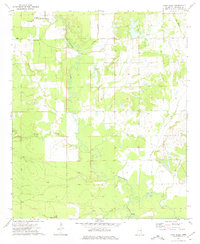 1973 Lynn Creek1975 Print · USGSNoxubee County at the start of the seventies reveals a rural landscape shaped by the winding Noxubee River and the expansive Noxubee National Wildlife Refuge. Researchers can trace old family foundations and community hubs through several rural landmarks, including Popes Chapel, Mount Samuel Ch, and the Carpenter Cem.
 - 1973 Map of Macon, 1975 Print
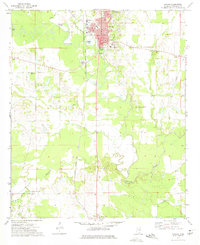 1973 Macon1975 Print · USGSMacon and the surrounding Noxubee County landscape are captured in the mid-seventies, centered on the winding Noxubee River and the Illinois Central Gulf railroad. Researchers can locate numerous country churches and schools like Salem Ch, Central Academy, and Zion Hill Ch.2 unique versions available
 - 1974 Map of Dancy, 1975 Print
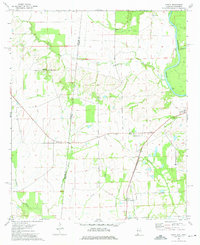 1974 Dancy1975 Print · USGSAcross the Alabama and Mississippi border in the mid-seventies, this area shows a landscape defined by the Tombigbee River and local rail lines. Genealogists can locate family sites near Dancy, Hebron Ch, and the St Louis-San Francisco railroad corridor.2 unique versions available
 - 1974 Map of Pickensville, 1975 Print
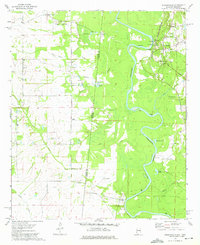 1974 Pickensville1975 Print · USGSSettlement patterns along the Tombigbee River and the Mississippi-Alabama border are captured here in the mid-seventies. Trace local genealogy at Beebe Chapel, Pickensville Sch, and several community burial grounds like Lower Cem.2 unique versions available
 - 1984 Map of De Kalb
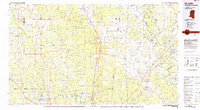 1984 De Kalb1984 Print · USGSThe Mississippi-Alabama borderlands come into focus in the 1980s, where the river-and-rail economy meets military and tribal lands. Researchers can trace rural lineages across the Choctaw Indian Reservation or through the rail towns of Scooba and De Kalb.2 unique versions available
Showing maps 1-25 of 130
Top cities of Noxubee County
Frequently asked questions
- What are the different types of historical maps available for Noxubee County?
- What is the oldest map of Noxubee County?
- Where can I purchase historical maps of Noxubee County for my home or office?
- Where can I download high-res historical maps of Noxubee County?
- Are there historical topographic maps available for Noxubee County?
- Is there historical aerial imagery available for Noxubee County?
- Where are historical maps of Noxubee County sourced from?