Old Maps of New Haven, Mississippi for Academic Research
Study the evolution of New Haven with 11 high-resolution historic maps. Whether you're teaching, researching, or modeling changes in land use, these maps provide essential visual documentation of urban, environmental, and geographic change.
- Analyze long-term change: Track patterns in development, transportation, and natural features.
- Ideal for environmental or urban studies: Support academic projects with primary historical map data.
- Use in the classroom or lab: Educators and researchers rely on these maps to bring historical context to life.
These maps are a powerful tool for teaching, research, and visualizing how New Haven has changed over the decades.
New Haven, MS maps
(11)- 1953 Map of Hattiesburg, 1965 Print
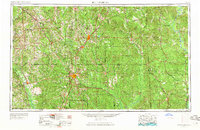 1953 Hattiesburg1965 Print · USGSSouth Mississippi and western Alabama are shown here during the mid-twentieth century as the timber and rail industries shaped the region. Genealogists and historians can trace rail lines like the Mississippi Central and locate rural centers such as Magee, Richton, and Mount Vernon.4 unique versions available
 - 1958 Map of Hattiesburg
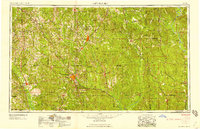 1958 Hattiesburg1958 Print · USGSSoutheastern Mississippi's timber and rail networks are at their peak during the late fifties, centered on the growing hubs of Hattiesburg and Laurel. Researchers can trace old family landmarks like Sims Chapel, the Busbey Game Refuge, and the vanished stops along the Mississippi Central railroad.2 unique versions available
 - 1975 Map of Mize, 1978 Print
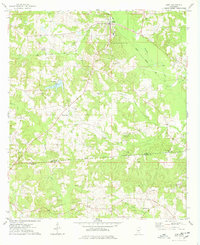 1975 Mize1978 Print · USGSThe Piney Woods region of Smith and Covington counties comes into focus in the mid-1970s, showing a landscape defined by timber, oil, and the Illinois Central Gulf line. Researchers can trace family history through several burial sites like Sullivan Cem or locate early landmarks like the Mize Lookout Tower and the historic Indian Treaty Boundary.
 - 1984 Map of Hattiesburg
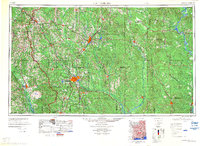 1984 Hattiesburg1984 Print · USGSSouth Mississippi’s Pine Belt is seen here in the mid-eighties, showing the region as a hub of timber production and petroleum extraction. Trace the rail lines of the Illinois Central Gulf RR through old settlements like Richton or the energy developments at the Heidelberg Oil Field.2 unique versions available
 - 1984 Map of Laurel
 1984 Laurel1984 Print · USGSCentral Mississippi in the mid-eighties shows a landscape of timberlands and river valleys anchored by the growth of Laurel. Genealogists can trace family names near Oak Grove Ch, rural School sites, and settlements along the Illinois Central Gulf RR.
 - 1994 Map of Laurel
 1994 Laurel1994 Print · USGSThe piney woods of south-central Mississippi come into focus in the 1990s, centered on the timber and industrial hub of Laurel. Genealogists and researchers can trace the rural landscape between Collins and Bay Springs or locate homesites near Ellisville and Magee.
 - 2012 Map of Mize, 2012 Print
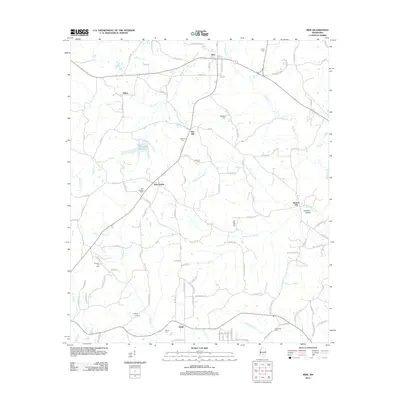 2012 Mize2012 Print · USGSThe rural landscape of Smith County is captured here in the early twenty-first century, centered on the community of Mize. Researchers can trace local family lineages through numerous small burial sites like Old Zion Hill Cem and Shiloh Cem or locate the historic Mize Lookout Tower.
 - 2015 Map of Mize, 2015 Print
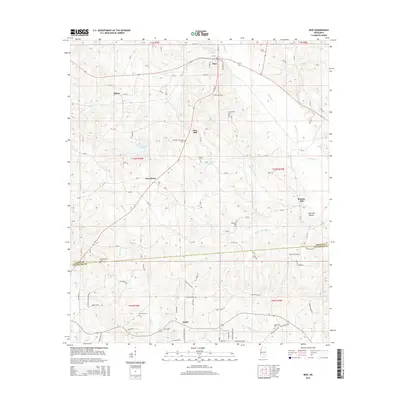 2015 Mize2015 Print · USGSThe rural landscape of Smith and Covington counties comes into focus in this mid-2010s survey. Researchers can trace family history through a dense network of local landmarks, including Sullivans Hollow, Old Zion Hill Cem, and the settlement of Mize.
 - 2018 Map of Mize, 2018 Print
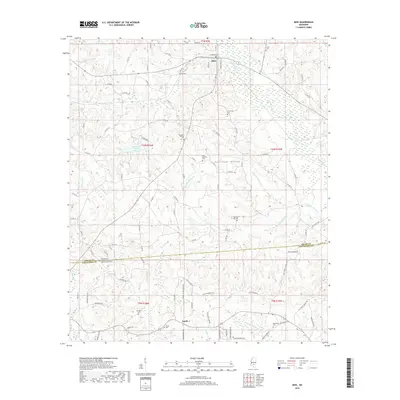 2018 Mize2018 Print · USGSNear the Smith and Covington county line, this southern Mississippi landscape is defined by the historic family settlements of Sullivans Hollow. Genealogists can trace local lineages through numerous family burial grounds, including Alex Sullivan Cem, Rutland Cem, and Jones Cem.
 - 2020 Map of Mize, 2020 Print
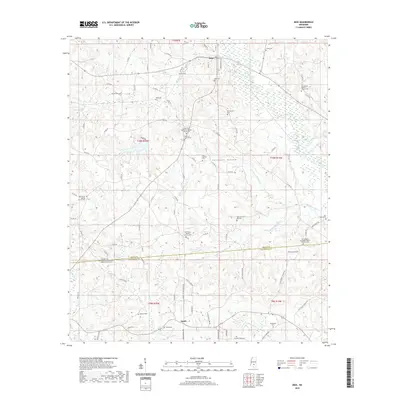 2020 Mize2020 Print · USGSIn the heart of the Mississippi Piney Woods, this survey captures the rural character of Mize and the surrounding homesteads. Genealogists can trace family heritage through numerous landmark sites including Sullivans Hollow, Byrd Cem, and Shiloh Cem.
 - 2024 Map of Mize, 2024 Print
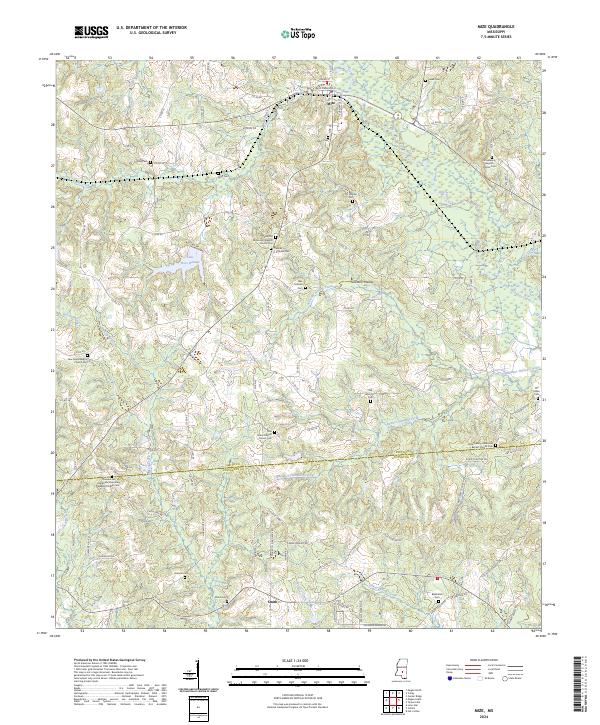 2024 Mize2024 Print · USGSThe town of Mize and the legendary Sullivans Hollow are documented here in the early twenty-first century. Genealogists can locate family landmarks like Alex Sullivan Cemetery, Old Zion Hill Cemetery, and the Rutland Cemetery.
End of results
Showing maps 1-11 of 11
Top cities near New Haven
- Magee historical maps
- Collins historical maps
- Taylorsville historical maps
- Raleigh historical maps
- Mount Olive historical maps
- Mize historical maps
See more
Frequently asked questions
- What are the different types of historical maps available for New Haven?
- What is the oldest map of New Haven?
- Where can I purchase historical maps of New Haven for my home or office?
- Where can I download high-res historical maps of New Haven?
- Are there historical topographic maps available for New Haven?
- Is there historical aerial imagery available for New Haven?
- Where are historical maps of New Haven sourced from?