Old Maps of Osborn, Missouri for Academic Research
Study the evolution of Osborn with 18 high-resolution historic maps. Whether you're teaching, researching, or modeling changes in land use, these maps provide essential visual documentation of urban, environmental, and geographic change.
- Analyze long-term change: Track patterns in development, transportation, and natural features.
- Ideal for environmental or urban studies: Support academic projects with primary historical map data.
- Use in the classroom or lab: Educators and researchers rely on these maps to bring historical context to life.
These maps are a powerful tool for teaching, research, and visualizing how Osborn has changed over the decades.
Osborn, MO maps
(18)- 1923 Map of Maysville, 1966 Print
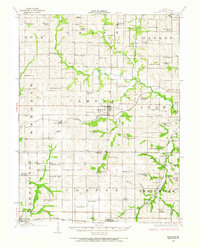 1923 Maysville1966 Print · USGSDeKalb County at the start of the twenties was a landscape of thriving rural school districts and bustling rail towns. Genealogists can locate family landmarks like Butler Cemetery or trace community life at Marvin Chapel and Fairmount School.
 - 1925 Map of Plattsburg
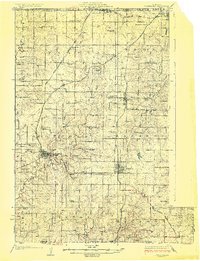 1925 Plattsburg1925 Print · USGSMid-1920s Clinton County is captured here at a peak of rural development, dominated by family farms and an extensive railroad network. Genealogists and historians can trace numerous country schools and churches like Log Church School and Smith Fork Church alongside the rail hubs of Plattsburg and Lathrop.4 unique versions available
 - 1925 Map of Maysville
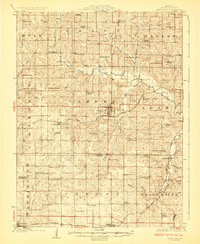 1925 Maysville1925 Print · USGSDeKalb County is shown in the mid-1920s as a thriving patchwork of rural school districts and rail-connected towns. Genealogists and local historians can trace family roots through dozens of named landmarks like Hedge School, Marvin Chapel, and Amity Cemetery.2 unique versions available
 - 1950 Map of Kansas City
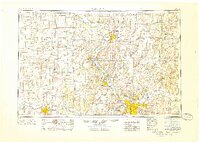 1950 Kansas City1950 Print · USGSMid-century Kansas and Missouri are captured here during a period of industrial growth and shifting transportation. Genealogists and historians can trace rail lines like the Wabash RR or locate ancestral homes near the Potawatomi Indian Reservation and Horton.
 - 1954 Map of Kansas City
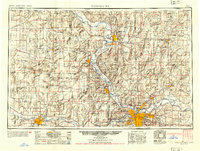 1954 Kansas City1954 Print · USGSThe Missouri-Kansas borderlands flourished in the post-war era as river commerce and rail networks converged at the Missouri River. Genealogists and historians can trace the foundations of Kansas City and smaller rural hubs like Hiawatha or Sabetha.
 - 1956 Map of Kansas City, 1967 Print
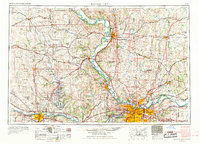 1956 Kansas City1967 Print · USGSThe Kansas-Missouri border region thrived during the mid-fifties, centered on the growing metropolitan cores and the busy river valleys. Researchers can trace the layout of significant government sites like Fort Leavenworth and the Lake City Army Ammunition Plant.4 unique versions available
 - 1960 Map of Kansas City
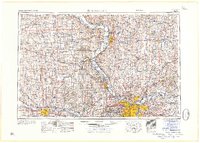 1960 Kansas City1960 Print · USGSMid-century Kansas and Missouri meet at the river forks, showing a sprawling rail-and-river economy during the 1950s growth era. Genealogists and researchers can trace tribal lands like the Kickapoo Indian Reservation or follow the early interstate corridors through Saint Joseph and Independence.3 unique versions available
 - 1983 Map of Fordham, 1984 Print
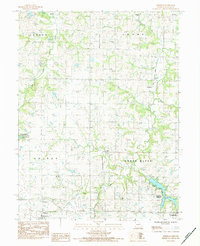 1983 Fordham1984 Print · USGSDeKalb County enters the early 1980s as a landscape of agricultural tradition and emerging wildlife conservation. Researchers can trace the path of an old railroad grade near Fordham or locate quiet burial grounds like Redman Cem and Mt Pleasant Cem.
 - 1984 Map of Cameron West
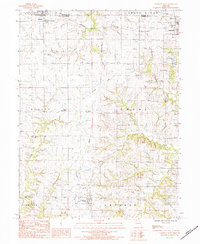 1984 Cameron West1984 Print · USGSClinton and De Kalb counties are documented in the early 1980s, showing a landscape of traditional farming towns and evolving rail infrastructure. Genealogists and local historians can trace family locations near Osborn-Evergreen Cem, Smith Fork Ch, or the rural junction at West Keystone.
 - 1986 Map of Saint Joseph
 1986 Saint Joseph1986 Print · USGSNorthwest Missouri thrived as a regional transportation and educational hub during the mid-eighties, centered on the historic river city of Saint Joseph. Researchers can locate specific local landmarks like Burlington Cemetery, Pigeon Hill Church, and the winding Pony Express Trail.2 unique versions available
 - 2012 Map of Cameron West, 2012 Print
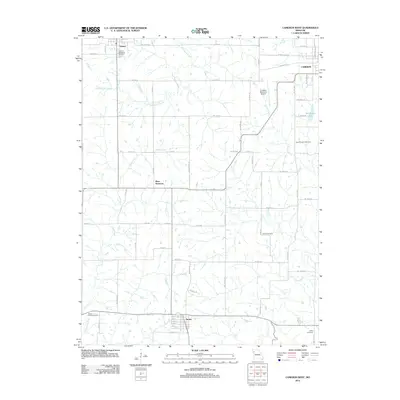 2012 Cameron West2012 Print · USGSThe rural plains of western Missouri come into focus here during the early twenty-first century. Genealogists and local historians can trace the grid of country roads to Osborn-Evergreen Cemetery, Turney, and Round Prairie Cemetery.
 - 2012 Map of Fordham, 2012 Print
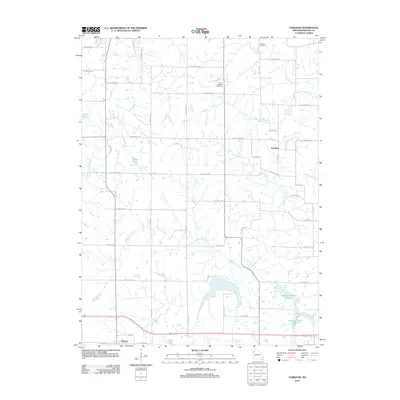 2012 Fordham2012 Print · USGSThe rural landscape of DeKalb and Clinton Counties is captured here in the early twenty-first century as it centers on the community of Osborn. Genealogists and local historians can trace family burial sites at Mount Pleasant Cemetery and Redman Cemetery or follow the waters of Grindstone Creek.
 - 2015 Map of Fordham, 2015 Print
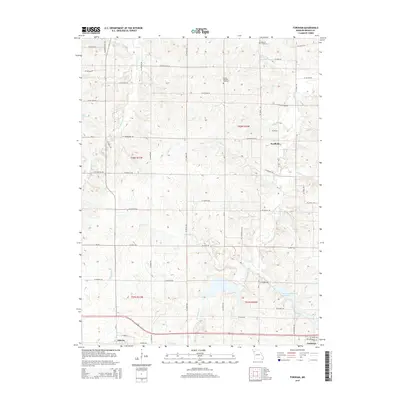 2015 Fordham2015 Print · USGSNorthwestern Missouri's rolling plains are captured here in the mid-2010s, centered on the rural community of Fordham. Genealogists and local historians can trace family locations near Redman Cemetery, Osborn, and the banks of Grindstone Cr.
 - 2015 Map of Cameron West, 2015 Print
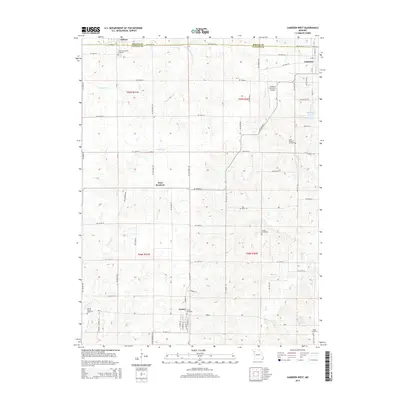 2015 Cameron West2015 Print · USGSDeKalb and Clinton counties meet in this Missouri landscape during the mid-2010s, showing a transition from town to farmland. Genealogists can trace family history through sites like Osborn-Evergreen and Turney Cemetery, or locate the hamlet of West Keystone.
 - 2017 Map of Fordham, 2017 Print
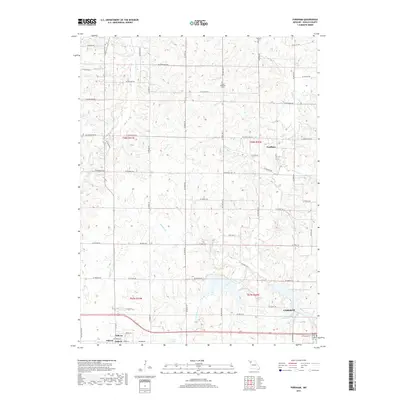 2017 Fordham2017 Print · USGSCameron and Osborn are documented here in the late twenty-teens as they sit atop the rolling uplands of DeKalb County. Researchers can trace family names through rural landmarks like Mount Pleasant Cem and the small settlement of Fordham.
 - 2017 Map of Cameron West, 2017 Print
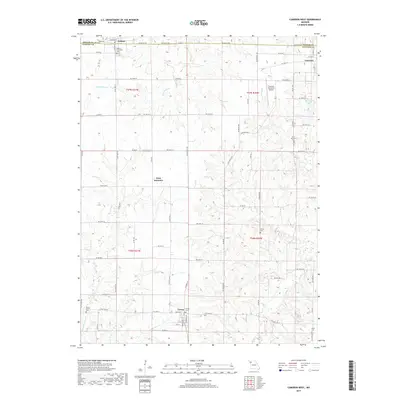 2017 Cameron West2017 Print · USGSDeKalb and Clinton counties meet here in the Missouri countryside during the late twenty-tens, where small settlements like Turney and Osborn dot the landscape. Researchers can trace family history through sites like Saint Munchin Cemetery and Harlan Cemetery or locate the headwaters of the Little Platte River.
 - 2021 Map of Cameron West, 2021 Print
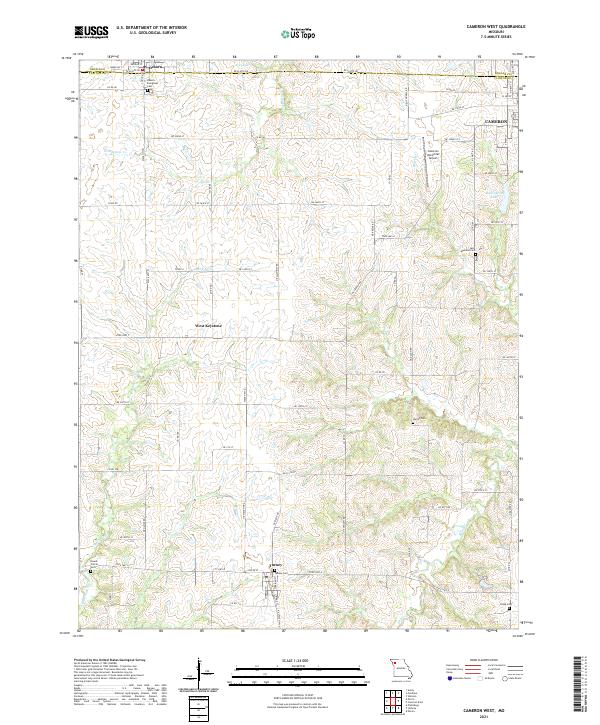 2021 Cameron West2021 Print · USGSThe Clinton County countryside comes into focus at the start of the 2020s, revealing a landscape of rolling drainages and rural settlements. Genealogists can trace family heritage through local landmarks like Turney Cem, Round Prairie Cem, and the quiet community of West Keystone.
 - 2021 Map of Fordham, 2021 Print
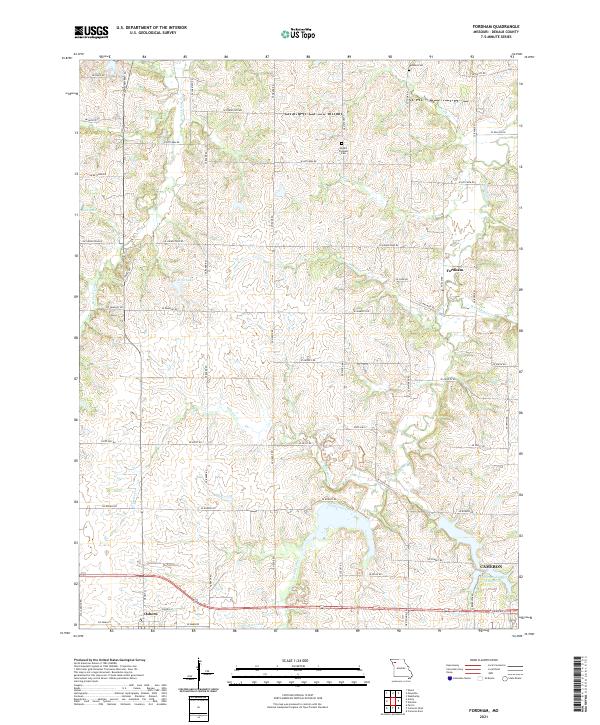 2021 Fordham2021 Print · USGSDeKalb County farmland remains centered on small rural hubs and family homesteads in the early twenty-first century. Genealogists and local researchers can trace legacy properties near Mount Pleasant Cem or follow the waters of Grindstone Creek and Wamsley Cr.
End of results
Showing maps 1-18 of 18
Top cities near Osborn
- Cameron historical maps
- Lathrop historical maps
- Plattsburg historical maps
- Maysville historical maps
- Stewartsville historical maps
- Mirabile historical maps
See more
Frequently asked questions
- What are the different types of historical maps available for Osborn?
- What is the oldest map of Osborn?
- Where can I purchase historical maps of Osborn for my home or office?
- Where can I download high-res historical maps of Osborn?
- Are there historical topographic maps available for Osborn?
- Is there historical aerial imagery available for Osborn?
- Where are historical maps of Osborn sourced from?