Old Maps of Concordia, Missouri for Genealogy
Trace your family roots with 26 historic maps of Concordia. These high-res maps reveal old neighborhoods, homesites, landmarks, and streets — helping you uncover where your ancestors lived and how the area evolved over time.
- Explore historic neighborhoods: Identify where your relatives may have lived in the 1800s or 1900s.
- Compare maps over time: Trace the changes in streets, buildings, and landmarks for multi-generational research.
- Perfect for genealogy & ancestry research: Used by family historians and researchers to map out lineage and migration.
These maps are an incredible resource for exploring your personal connection to Concordia's past.
Concordia, MO maps
(26)- 1885 Map of Warrensburg, 1954 Print
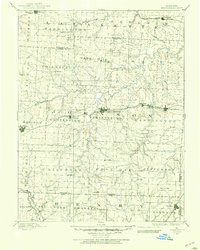 1885 Warrensburg1954 Print · USGSJohnson County and the surrounding Missouri prairie are captured here during the 1880s as the railroad era transformed the region. Researchers can trace the early footprints of settlements like Warrensburg, identify historic mines at Carbon Hill, and locate old landmarks like Iron Spring and Normal school.
 - 1887 Map of Warrensburg
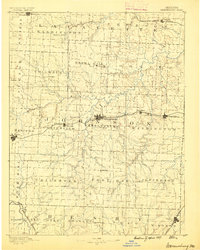 1887 Warrensburg1887 Print · USGSMissouri's central plains are captured here in the mid-1880s, documenting the vital rail corridor through Warrensburg and Knob Noster. Genealogists can trace early homesteads near Carbon Hill, Chilhowee, or the Iron Spring during a period of rapid agricultural growth.
 - 1889 Map of Lexington
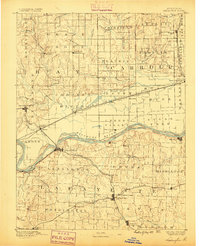 1889 Lexington1889 Print · USGSLafayette and Ray Counties are captured here during the late nineteenth-century rail boom. Researchers can trace the development of river towns and rail junctions like Lexington, Lexington Junction, and the riverside landing at Miles Point.6 unique versions available
 - 1894 Map of Warrensburg
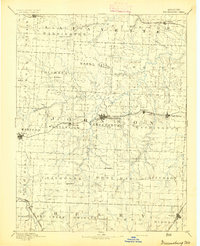 1894 Warrensburg1894 Print · USGSJohnson County was a burgeoning rail and coal hub in the 1890s, anchored by the growth of Warrensburg. Researchers can trace old family sites and transport routes through vanished mining points like Carbon Hill and rural stops such as Cornelia and Iron Spring.5 unique versions available
 - 1917 Map of Knobnoster
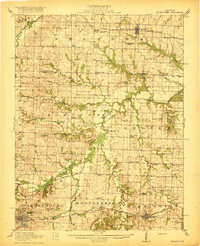 1917 Knobnoster1917 Print · USGSSettlement and education are deeply rooted in this early twentieth-century survey of Johnson County, Missouri. Genealogists can trace family school districts like Hepsidam School and Union Prairie School or locate early rail stops at Knobnoster and Montserrat.3 unique versions available
 - 1947 Map of Jefferson City, 1949 Print
 1947 Jefferson City1949 Print · USGSCentral Missouri and the northern Ozarks come into focus in this late 1940s survey of the river-and-rail landscape. Genealogists and historians can trace the growth of Jefferson City and Sedalia or locate family roots near Bagnell Dam and the Lake of the Ozarks.
 - 1951 Map of Alma
 1951 Alma1951 Print · USGSLafayette County agricultural life and early aviation infrastructure are captured here in the early fifties. Genealogists and local historians can trace family roots through Alma and several country schools like Elk Grove Sch or cemeteries such as Maple Cem.3 unique versions available
 - 1953 Map of Moberly
 1953 Moberly1953 Print · USGSMid-century north-central Missouri is documented here as a bustling intersection of river commerce and heavy rail. Researchers can trace historic family-named landmarks and transport hubs from the Missouri River corridor to the rail yards of Moberly, Chillicothe, and Macon.
 - 1954 Map of Jefferson City
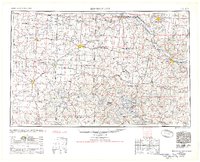 1954 Jefferson City1954 Print · USGSCentral Missouri in the early postwar years showcases a landscape defined by the winding Lake of the Ozarks and the state capital at Jefferson City. Researchers can trace the mid-century rail networks of the Missouri Pacific RR and locate rural communities like Tuscumbia, St Elizabeth, and St Anthony.2 unique versions available
 - 1954 Map of Moberly, 1969 Print
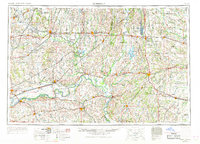 1954 Moberly1969 Print · USGSMid-century Missouri is captured here during a period of transition for its river towns and rail hubs. Genealogists and historians can trace the paths of the Wabash railroad through Moberly or explore the riverside layout of Lexington and Brunswick.3 unique versions available
 - 1955 Map of Jefferson City, 1967 Print
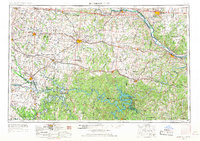 1955 Jefferson City1967 Print · USGSCentral Missouri in the mid-fifties is defined by the winding Missouri River and the expanding reach of Lake of the Ozarks. Researchers can trace the rail corridors of the Missouri Pacific or locate the early footprint of Whiteman AFB and Jefferson City.4 unique versions available
 - 1957 Map of Moberly
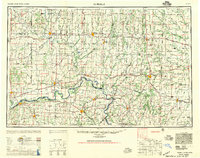 1957 Moberly1957 Print · USGSNorth-central Missouri in the late nineteen-forties and fifties remains a landscape defined by its great rivers and a dense network of steam and diesel rail lines. Genealogists and historians can trace the paths of the Wabash RR and Santa Fe RR through historic junctions like Moberly, Brookfield, and Macon.
 - 1958 Map of Jefferson City
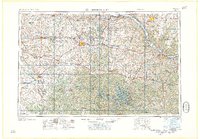 1958 Jefferson City1958 Print · USGSCentral Missouri in the late fifties shows a region transforming through the growth of Whiteman Air Force Base and the Lake of the Ozarks. Researchers can trace rail lines like the Missouri Pacific or find family roots at Enloe Cemetery and Mount Pleasant Cem.
 - 1959 Map of Jefferson City
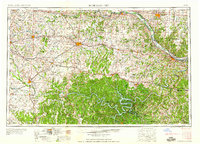 1959 Jefferson City1959 Print · USGSCentral Missouri is captured during the mid-fifties as the river economy and rail networks like the Missouri Pacific met the rise of the automobile. Local researchers can trace family landmarks and rural infrastructure from the Lake of the Ozarks up to Providence Cemetery and Knob Noster State Park.
 - 1960 Map of Moberly
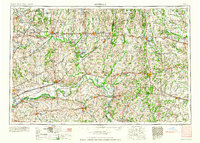 1960 Moberly1960 Print · USGSCentral Missouri comes alive in the mid-twentieth century as a bustling network of river towns and significant rail corridors. Genealogists and historians can trace the paths of the Wabash RR through Moberly or explore the riverfronts of Lexington and Brunswick.
 - 1962 Map of Concordia, 1963 Print
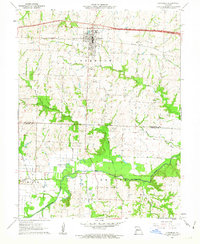 1962 Concordia1963 Print · USGSThe town of Concordia and its surrounding townships are documented here during the early sixties. Researchers can trace the Missouri Pacific rail line and locate historical sites like St Pauls College and St Johns Cem.3 unique versions available
 - 1982 Map of Marshall
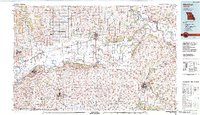 1982 Marshall1982 Print · USGSMid-Missouri river life and rail history meet in this early 1980s landscape, centered on the Missouri's winding course. Researchers can trace the historic Santa Fe Trail and explore sites like the Confederate Memorial State Park and Carrollton Mem Cemetery.
 - 1983 Map of Sedalia
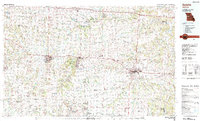 1983 Sedalia1983 Print · USGSWest Central Missouri's landscape in the early eighties shows a dense network of rail towns and riverside communities along the Blackwater River. Genealogists and historians can trace the development of Warrensburg and Sedalia near Whiteman Air Force Base and Knob Noster State Park.
 - 2011 Map of Concordia, 2011 Print
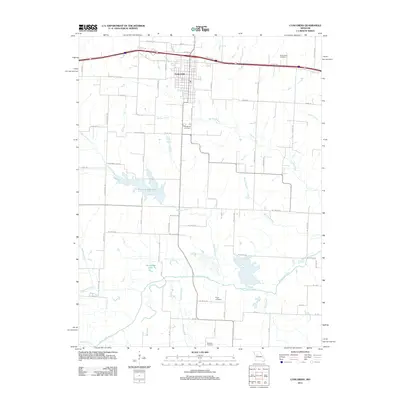 2011 Concordia2011 Print · USGSConcordia and the fertile bottomlands of the Lafayette County region are shown here as they appeared in the early twenty-first century. Researchers can locate several historic burial grounds including Saint Johns Cemetery and trace the paths of Old Hwy 40 and the Blackwater River.
 - 2012 Map of Alma, 2012 Print
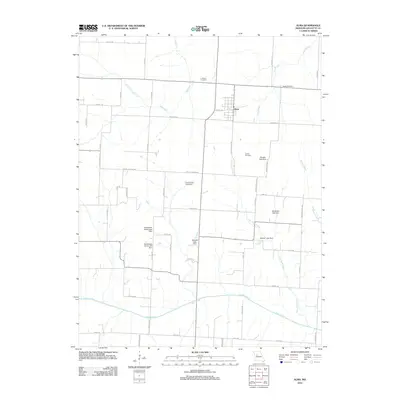 2012 Alma2012 Print · USGSLafayette County farmland near the Missouri River shows a landscape of established family farms and local cemeteries during the early twenty-first century. Researchers can locate family landmarks like Lovercamp Lake Dam or trace roots at the Lutheran Cemetery and Maple Cemetery.
 - 2014 Map of Concordia, 2014 Print
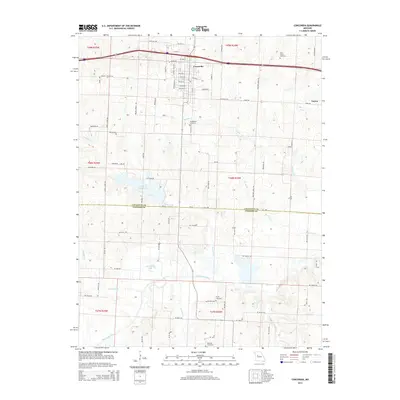 2014 Concordia2014 Print · USGSConcordia and the surrounding Lafayette County countryside are shown here in the early 2010s as a bustling agricultural and transit corridor. Researchers can trace local heritage through sites like Saint Johns Cemetery, Edwin A Pape Lake, and the historic banks of the Blackwater River.
 - 2015 Map of Alma, 2015 Print
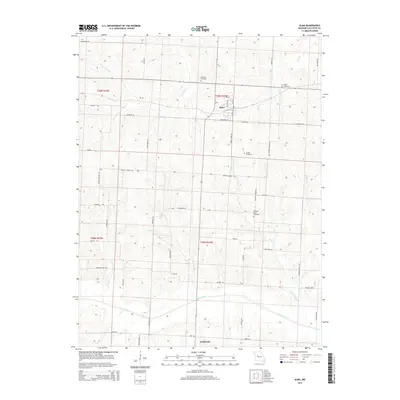 2015 Alma2015 Print · USGSLafayette County farmland in the early twenty-first century is mapped here between Alma and Concordia. Researchers can trace old family footprints along Topel School Rd and locate several community burial grounds like Lutheran Cemetery and Corder Cemetery.
 - 2017 Map of Concordia, 2017 Print
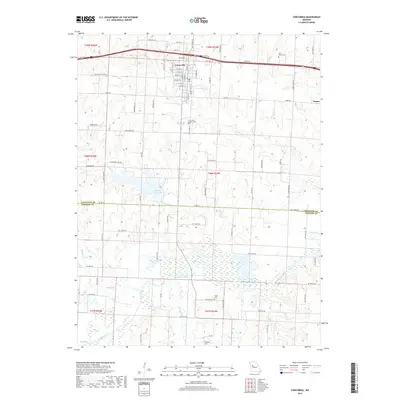 2017 Concordia2017 Print · USGSConcordia and the surrounding Lafayette County countryside are shown here in the late 2010s as a well-developed agricultural and riverine landscape. Researchers can trace family history at Saint Johns Cem or follow the winding course of the Blackwater River past Horseshoe Lake.
 - 2017 Map of Alma, 2017 Print
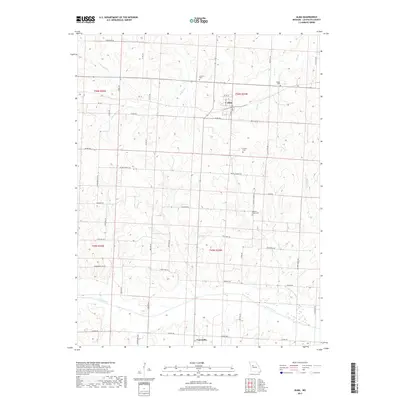 2017 Alma2017 Print · USGSLafayette County farmland and the communities of Alma and Concordia are documented here in the early twenty-first century. Family history researchers can locate several rural burial sites, including Lutheran Cem, Corder Cem, and Maple Cem.
 - 2021 Map of Concordia, 2021 Print
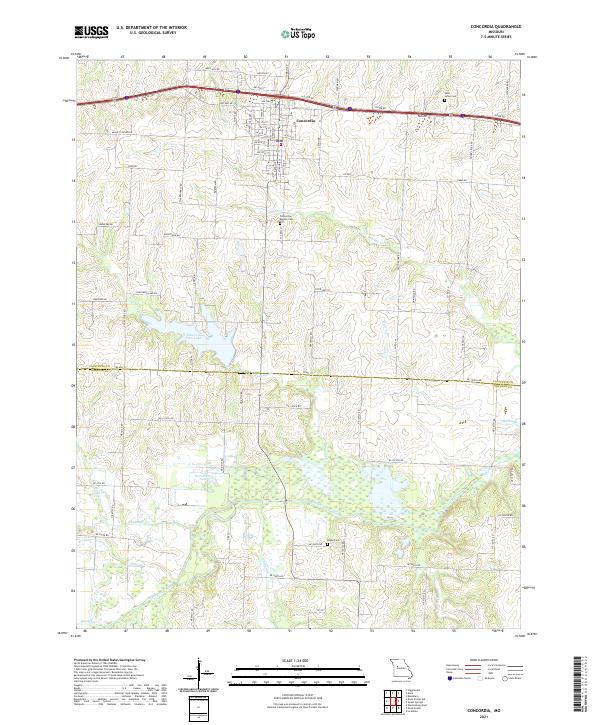 2021 Concordia2021 Print · USGSConcordia and the fertile plains of Lafayette County are captured here in the early 2020s as they border the Blackwater River valley. Researchers can trace family history through sites like Saint Johns Cemetery, Payne Cemetery, and the waters of Edwin A Pape Lake.
Showing maps 1-25 of 26
Top cities near Concordia
- Warrensburg historical maps
- Higginsville historical maps
- Knob Noster historical maps
- Sweet Springs historical maps
- La Monte historical maps
- Waverly historical maps
See more
Frequently asked questions
- What are the different types of historical maps available for Concordia?
- What is the oldest map of Concordia?
- Where can I purchase historical maps of Concordia for my home or office?
- Where can I download high-res historical maps of Concordia?
- Are there historical topographic maps available for Concordia?
- Is there historical aerial imagery available for Concordia?
- Where are historical maps of Concordia sourced from?