Old Maps of Linn County, Missouri for Academic Research
Study the evolution of Linn County with 123 high-resolution historic maps. Whether you're teaching, researching, or modeling changes in land use, these maps provide essential visual documentation of urban, environmental, and geographic change.
- Analyze long-term change: Track patterns in development, transportation, and natural features.
- Ideal for environmental or urban studies: Support academic projects with primary historical map data.
- Use in the classroom or lab: Educators and researchers rely on these maps to bring historical context to life.
These maps are a powerful tool for teaching, research, and visualizing how Linn County has changed over the decades.
Linn County, MO maps
(123)- 1924 Map of Chula
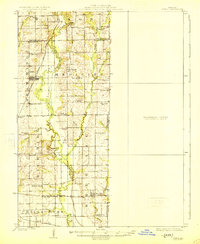 1924 Chula1924 Print · USGSNorth-central Missouri thrived as a rail-connected farming region in the early twentieth century. Researchers can trace dozens of rural schoolhouses and family plots, from Brush College School to the Plainview Cemetery near Chula.3 unique versions available
 - 1924 Map of Hale
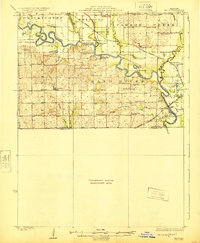 1924 Hale1924 Print · USGSThe Grand River valley in the early 1920s reveals a landscape of winding waterways and rail-connected settlements at the borders of Livingston and Carroll counties. Genealogists can locate numerous country schools like Lowland School and Morgan School, or trace family roots near Grace Church and Avalon.4 unique versions available
 - 1946 Map of Brookfield, 1979 Print
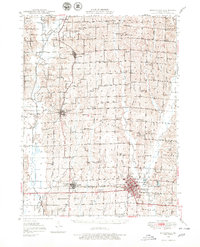 1946 Brookfield1979 Print · USGSLinn County is captured here in the mid-1940s, showing a landscape defined by the Chicago Burlington and Quincy rail line and dozens of rural school districts. Genealogists can trace family roots through numerous sites like South Salem Cem, Magnolia Ch, and the Prairie Seminary Sch.
 - 1946 Map of Galt, 1981 Print
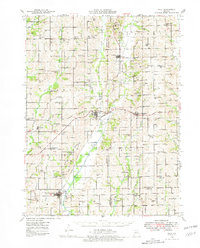 1946 Galt1981 Print · USGSMid-century Missouri agriculture and rail life are preserved here, showing the region at the height of its rural school and church network. Genealogists can locate specific family landmarks like Sandefur Cem or trace the early paths to Mud College Sch and Camp Ground Ch.
 - 1947 Map of Chula
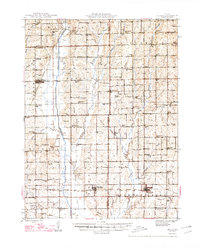 1947 Chula1947 Print · USGSNorth-central Missouri in the late 1940s is defined here by its rail-linked prairie towns and an incredible density of small country schoolhouses. Genealogists can trace family footprints across dozens of landmarks like Stucker Cemetery, Mt Gilead Church, and Jacksnipe School.3 unique versions available
 - 1948 Map of Brookfield
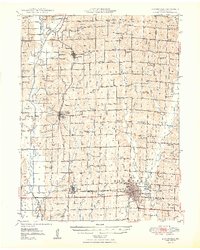 1948 Brookfield1948 Print · USGSLinn County in the late 1940s is defined by its busy rail corridors and a remarkably dense network of small rural school districts. Genealogists and historians can trace the foundations of local life at Prairie Seminary Sch, Dryden Cem, and Laclede.2 unique versions available
 - 1949 Map of Sumner
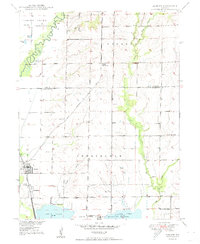 1949 Sumner1949 Print · USGSThe rail-and-river landscape of Chariton County is captured here in the late 1940s as agriculture and conservation efforts began to shape the terrain. Researchers can locate vanished landmarks like the Forker Boomer PO, rural schools such as Kaye Sch, and local resting places like Purvis Cem.2 unique versions available
 - 1949 Map of Galt
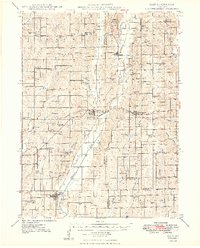 1949 Galt1949 Print · USGSMid-century Missouri farm life is captured here near the Grundy and Sullivan county lines as the rail network still linked small towns. Trace family roots through numerous local schools and churches like Mud College Sch, Starlight Ch, and Richardson Cem.2 unique versions available
 - 1949 Map of Rothville
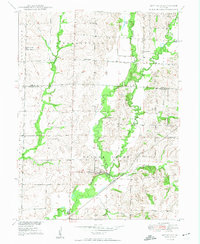 1949 Rothville1949 Print · USGSChariton and Linn Counties are captured here just after the war, showing a rural landscape defined by rail and creek bottoms. Researchers can trace ancestral locations through several country schools like Pershing Sch and landmarks like Stains Cem.2 unique versions available
 - 1949 Map of Bucklin, 1956 Print
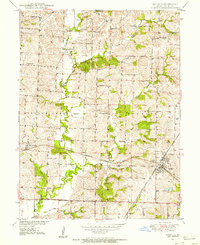 1949 Bucklin1956 Print · USGSThe rail-and-river geography of Linn County is preserved here just after the war, showing the vital junction of the Burlington and Santa Fe lines. Researchers can trace rural life through numerous country schools and churches like Carter Sch, Cash Cem, and Wyandotte Ch.
 - 1949 Map of Bucklin NW, 1963 Print
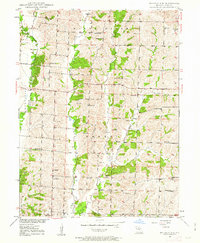 1949 Bucklin NW1963 Print · USGSLinn and Missouri counties are shown here just after the war, when rural life centered on a robust network of country schools and local churches. Researchers can trace family ties at Johnstown or find ancestral landmarks like Nester Chapel, Wyatt Cem, and Thodium Sch.2 unique versions available
 - 1950 Map of Bucklin
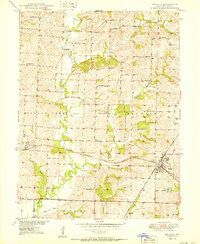 1950 Bucklin1950 Print · USGSBucklin and St. Catherine appear at a mid-century crossroads where two major railroads intersected among the hills of Linn County. Researchers can trace the locations of several rural schoolhouses like Warren Sch and historic local landmarks including Switzer Chapel and the Mine Dump.3 unique versions available
 - 1950 Map of Sumner
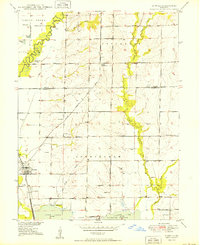 1950 Sumner1950 Print · USGSMid-century Chariton County comes to life at this rail junction where the Wabash line intersects the Chicago Burlington and Quincy. Genealogists can trace local roots at Purvis Cem, Prairie Mound Sch, and the Forker Boomer PO.2 unique versions available
 - 1950 Map of New Cambria West
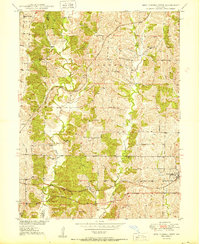 1950 New Cambria West1950 Print · USGSNorthwestern Macon County was a landscape of small schools and dual rail lines at mid-century. Genealogists can trace family footprints across several rural burial grounds and school districts, including St Mary Cem, Jobson Sch, and the community of Lingo.2 unique versions available
 - 1950 Map of Rothville
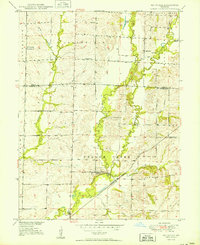 1950 Rothville1950 Print · USGSThe village of Rothville and the surrounding Chariton County countryside are shown here at the mid-century mark. Genealogists can trace early landmarks like Stains Cem, South Eagle Ch, and several rural schoolhouses including Pershing Sch and Holloway Sch.2 unique versions available
 - 1950 Map of Bucklin NW
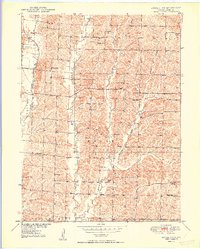 1950 Bucklin NW1950 Print · USGSMid-century Missouri farm life comes into focus in this detailed survey of Linn County's rural townships and creek valleys. Researchers can trace family history through a high density of country schools and churches like Hackler Sch, Nester Chapel, and Pulliam Cem.2 unique versions available
 - 1951 Map of New Boston
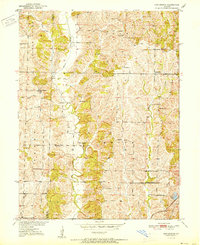 1951 New Boston1951 Print · USGSNorth-central Missouri farming life is captured here in the early fifties, spanning the Linn and Macon county line. Genealogists can locate numerous rural schools and churches, including Maple Grove Sch, Union Chapel, and the North Swede Ch near the banks of Mussel Fork.2 unique versions available
 - 1951 Map of Hale, 1952 Print
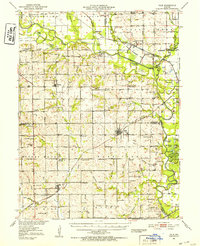 1951 Hale1952 Print · USGSNorth-central Missouri's river lowlands are captured here in the early fifties, showing the area around Hale and the Grand River floodplain. Researchers can trace defunct rural infrastructure like Hazel Green Sch and the Sumner Bridge crossing.3 unique versions available
 - 1953 Map of Moberly
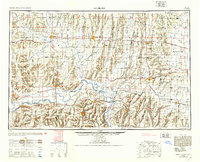 1953 Moberly1953 Print · USGSMid-century north-central Missouri is documented here as a bustling intersection of river commerce and heavy rail. Researchers can trace historic family-named landmarks and transport hubs from the Missouri River corridor to the rail yards of Moberly, Chillicothe, and Macon.
 - 1953 Map of Marceline, 1955 Print
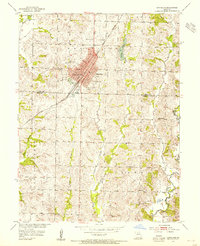 1953 Marceline1955 Print · USGSMarceline and the surrounding rural townships of north-central Missouri are shown here in the mid-1950s as the railroad remained a central economic force. Researchers can locate family landmarks like St Bonaventure Cem or trace the early layout of Marceline Airport and Park Sch.2 unique versions available
 - 1953 Map of Wien, 1955 Print
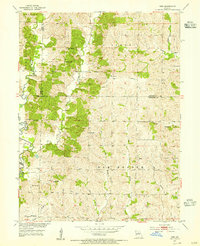 1953 Wien1955 Print · USGSChariton and Macon counties are shown in the early 1950s, a period when rural schoolhouses and country churches still anchored the Missouri landscape. Genealogists can trace family footprints at St Marys Cem or locate former local landmarks like Raub Sch and Plainview Ch.2 unique versions available
 - 1954 Map of Centerville, 1967 Print
 1954 Centerville1967 Print · USGSThe Iowa-Missouri borderlands at mid-century reveal a landscape shaped by river valleys and the height of the regional rail network. Genealogists and historians can trace the paths of the Wabash railroad and locate old townsites like Mystic, Moulton, and Greentop.3 unique versions available
 - 1954 Map of Moberly, 1969 Print
 1954 Moberly1969 Print · USGSMid-century Missouri is captured here during a period of transition for its river towns and rail hubs. Genealogists and historians can trace the paths of the Wabash railroad through Moberly or explore the riverside layout of Lexington and Brunswick.3 unique versions available
 - 1957 Map of Moberly
 1957 Moberly1957 Print · USGSNorth-central Missouri in the late nineteen-forties and fifties remains a landscape defined by its great rivers and a dense network of steam and diesel rail lines. Genealogists and historians can trace the paths of the Wabash RR and Santa Fe RR through historic junctions like Moberly, Brookfield, and Macon.
 - 1957 Map of Centerville
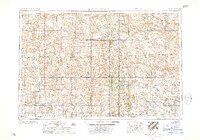 1957 Centerville1957 Print · USGSThe Iowa-Missouri borderlands in the mid-fifties reveal a landscape of river-valley agriculture and vital rail corridors. Genealogists and historians can trace family-named landmarks and small-town growth in Centerville, Kirksville, and along the Wabash railroad line.
Showing maps 1-25 of 123
Top cities of Linn County
- Brookfield historical maps
- Marceline historical maps
- Bucklin historical maps
- Meadville historical maps
- Laclede historical maps
- Linneus historical maps
See more
Frequently asked questions
- What are the different types of historical maps available for Linn County?
- What is the oldest map of Linn County?
- Where can I purchase historical maps of Linn County for my home or office?
- Where can I download high-res historical maps of Linn County?
- Are there historical topographic maps available for Linn County?
- Is there historical aerial imagery available for Linn County?
- Where are historical maps of Linn County sourced from?