Old Maps of Arlington, Missouri for Metal Detecting
Plan your next treasure hunt with 21 historic maps of Arlington. Find old homesites, ghost towns, trails, and gathering spots that may be lost to time — perfect for identifying promising metal detecting locations.
- Locate forgotten sites: Uncover places like long-lost settlements, abandoned rail lines, or gathering spots.
- Plan better hunts: Use map overlays combined with LiDAR or satellite views to narrow in on historically rich areas.
- Made for detectorists: Thousands of hobbyists use these maps to discover relics, coins, and hidden history.
Use these historic maps to boost your research and find new opportunities beneath the surface of Arlington.
Arlington, MO maps
(21)- 1912 Map of Rolla
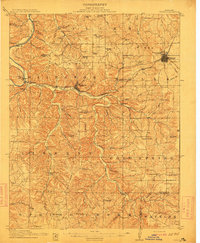 1912 Rolla1912 Print · USGSThe northern Ozark plateau comes into focus just after the turn of the century as the railroad transforms the river valleys. Genealogists can trace family roots through dozens of rural sites like Western Star School, Turners Mill, and Zion Hill Church.2 unique versions available
 - 1949 Map of Rolla, 1950 Print
 1949 Rolla1950 Print · USGSThe Missouri Ozarks are captured here just after the war, showing a landscape of deep river valleys and emerging reservoir projects. Genealogists and historians can trace the mining towns of Bonne Terre and Potosi or follow the early route of U.S. Highway 66.
 - 1950 Map of Newburg, 1957 Print
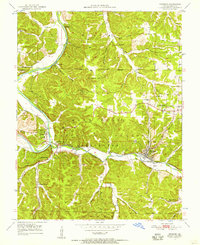 1950 Newburg1957 Print · USGSMid-century Phelps County comes to life along the river bends and rail lines during the early 1950s. Genealogists and historians can locate family landmarks such as Kitchell Cem and Hickory Point Sch, or trace the old paths of Boulware Ford and U.S. 66.4 unique versions available
 - 1951 Map of Newburg
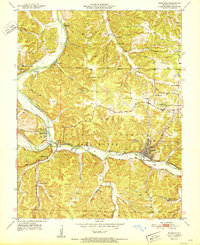 1951 Newburg1951 Print · USGSThe Phelps County river country is captured here in the early fifties, centering on the rail hub of Newburg. Genealogists and historians can trace the foundations of local life through rural landmarks like Kitchell Cem, Hickory Point Sch, and the riverside settlement of Jerome.
 - 1951 Map of Rolla, 1958 Print
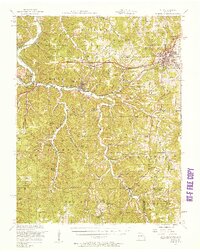 1951 Rolla1958 Print · USGSMid-century Phelps County centers on the growing hub of Rolla and the transit corridors of Route 66 and the St Louis-San Francisco railroad. Genealogists can trace family landmarks like New Rome Church, Yancy Mills Post Office, and the Light Cemetery.3 unique versions available
 - 1953 Map of Rolla
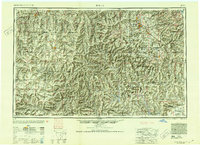 1953 Rolla1953 Print · USGSSoutheast Missouri’s mining towns and timberlands are seen here at the start of the 1950s. Genealogists and historians can trace the rail-and-river economy through local hubs like Fredericktown and the lead-mining heritage of Potosi and Desloge.
 - 1954 Map of Rolla, 1970 Print
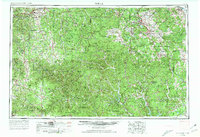 1954 Rolla1970 Print · USGSThe Missouri Ozarks and the historic Lead Belt are captured in the late sixties, showing a landscape of deep river hollows and industrial mines. Researchers can trace the routes of the Missouri Pacific RR to extraction sites like the Iron Mountain Mine or Pea Ridge Mine.2 unique versions available
 - 1958 Map of Rolla
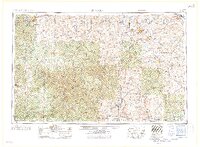 1958 Rolla1958 Print · USGSThe Missouri Ozarks and the lead-rich hills of the southeast are captured here in the late fifties as timber and mining shaped the local economy. Researchers can locate family landmarks like the Rolla Cemetery or trace old rail lines including the Missouri-Illinois RR and St Louis-San Francisco RR.
 - 1959 Map of Rolla
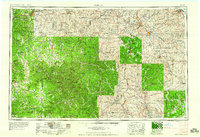 1959 Rolla1959 Print · USGSMid-century Missouri is defined here by the deep forests of the Ozarks and the industrial peaks of the St Francois Mountains. Genealogists and historians can trace the development of towns like Potosi and Fredericktown or locate rural landmarks like Dry Fork Church and the Phelps County Courthouse.
 - 1960 Map of Rolla
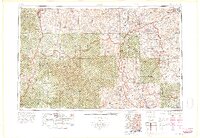 1960 Rolla1960 Print · USGSThe Ozark Highlands in the mid-twentieth century reveal a landscape of deep timber and heavy industry. Researchers can trace the rail-and-mine economy through the St Louis-San Francisco RR and the Iron Mountain Mine, alongside the growth of Fort Leonard Wood.
 - 1966 Map of Rolla
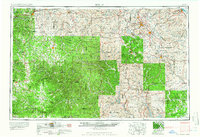 1966 Rolla1966 Print · USGSThe Missouri Ozarks are revealed here in the mid-1960s, showing the intersection of heavy industry and sprawling national forests. Trace the development of the Lead Belt near Flat River or locate family roots in vanished hamlets like Enough and Howes Mill.
 - 1971 Map of Rolla
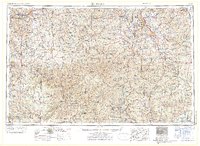 1971 Rolla1971 Print · USGSThe Missouri Ozarks are captured here during the early seventies, showing a landscape of deep river valleys and industrial mining towns. Researchers can trace historic lead mining operations at St Joseph Mines and locate rural landmarks like Viburnum and the Galveston Trail.
 - 1980 Map of Newburg, 1981 Print
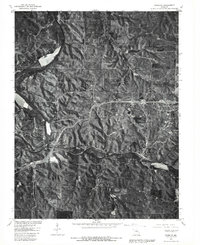 1980 Newburg1981 Print · USGSThe Ozark plateau in the early 1980s is seen through this unique combination of aerial imagery and mid-century land surveys. Researchers can trace the riverfront development of Jerome and Arlington or locate family properties near Doolittle.
 - 1986 Map of Rolla
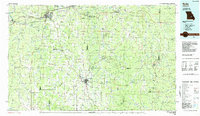 1986 Rolla1986 Print · USGSThe Missouri Ozarks are captured here in the mid-1980s, showcasing the intersection of deep forest wilderness and growing highway corridors. Genealogists and local historians can trace family roots through rural landmarks like Salem Memorial Cemetery or the rail-stop history of Cook Station and Steelville.2 unique versions available
 - 1989 Map of Rolla
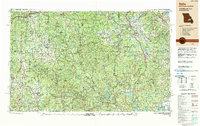 1989 Rolla1989 Print · USGSThe Missouri Ozarks are captured in the late eighties as a landscape of national forests and historic mining towns. Researchers can trace the rail lines of the Missouri Pacific RR or locate landmarks like Taum Sauk Mtn and Elephant Rocks State Park.
 - 1992 Map of Newburg, 1995 Print
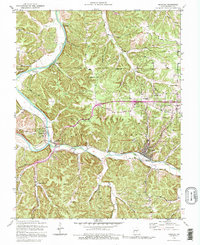 1992 Newburg1995 Print · USGSThe rail-and-river landscape of Phelps County is frozen in time during the early nineties as the ST LOUIS AND SAN FRANCISCO RR winds through the Ozarks. Genealogists can trace family names at Ramsey Cem or Goodall Cem and locate vanished river crossings like Whitehouse Ford.
 - 2004 Map of Newburg, 2006 Print
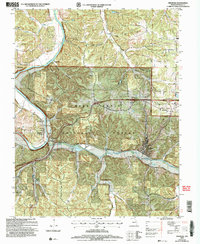 2004 Newburg2006 Print · USGSThe rail-and-river corridor of Phelps County is captured here at the start of the 21st century. Researchers can trace family sites like Ramsey Cem or explore the riverfront history of Jerome and the railroad hub of Newburg.
 - 2012 Map of Newburg, 2012 Print
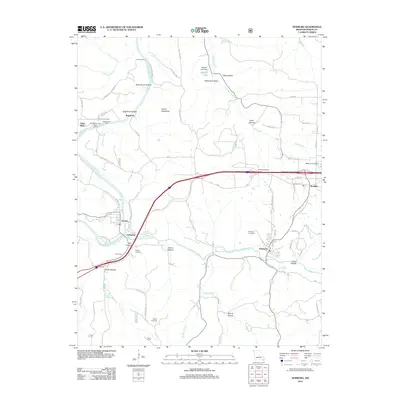 2012 Newburg2012 Print · USGSMid-Missouri river life and modern transit converge here at the meeting of the Gasconade River and Little Piney Creek. Local historians can trace old crossings like Whitehouse Ford and the settlement patterns around Arlington, Newburg, and Jerome.
 - 2015 Map of Newburg, 2015 Print
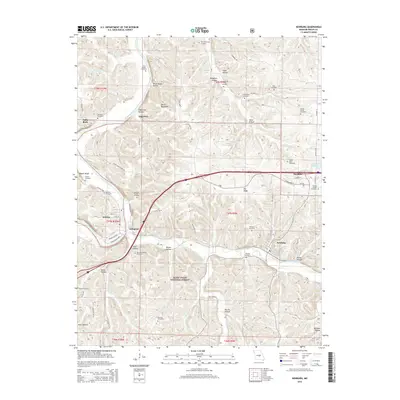 2015 Newburg2015 Print · USGSThe river valleys and forested ridges of Phelps County are documented here in the mid-2010s, showing the settled corridors between Newburg and Arlington. Genealogists will find a wealth of local history in sites like Harrison-Pillman Cemetery and Cave Spring Cemetery.
 - 2017 Map of Newburg, 2017 Print
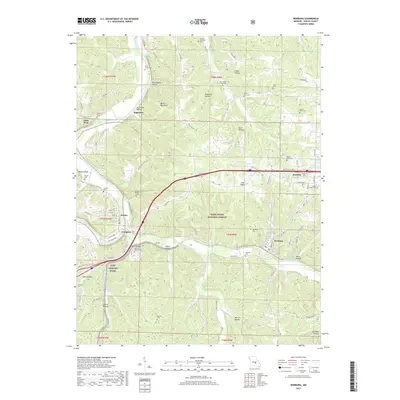 2017 Newburg2017 Print · USGSThe Ozark river towns of Jerome and Arlington sit at the confluence of the Gasconade River and Little Piney Creek during the late twenty-teens. Researchers can locate numerous family burial sites like Dexter Smith Cem and Harrison Number 2 Cem tucked away in the Mark Twain National Forest.
 - 2021 Map of Newburg, 2021 Print
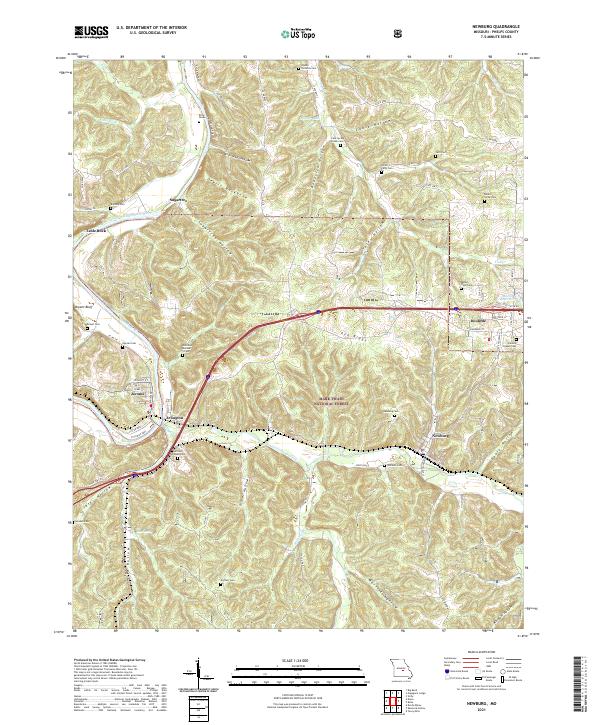 2021 Newburg2021 Print · USGSThe river valleys of the Gasconade and Little Piney Creek meet the Ozark ridges in this 2021 study of Phelps County. Genealogists can locate numerous local landmarks like Harrison - Pillman Cem, Arlington, and Newburg Cem.
End of results
Showing maps 1-21 of 21
Top cities near Arlington
- Rolla historical maps
- Saint Robert historical maps
- Waynesville historical maps
- Dixon historical maps
- Doolittle historical maps
- Newburg historical maps
See more
Frequently asked questions
- What are the different types of historical maps available for Arlington?
- What is the oldest map of Arlington?
- Where can I purchase historical maps of Arlington for my home or office?
- Where can I download high-res historical maps of Arlington?
- Are there historical topographic maps available for Arlington?
- Is there historical aerial imagery available for Arlington?
- Where are historical maps of Arlington sourced from?