Old Maps of Clarence, Missouri for Hiking & Exploration
Hike through history with 28 historic maps of Clarence. Explore old trails, ghost towns, and forgotten backroads — perfect for outdoor adventurers and local explorers.
- Rediscover forgotten places: Map out old mining camps, roads, and footpaths that no longer exist on modern maps.
- Layer with modern tools: Combine with LiDAR or satellite views to plan hikes through historical terrain.
- Made for exploration: Popular among hikers, overlanders, and local history lovers.
Use these maps to find adventure and explore the hidden past of Clarence.
Clarence, MO maps
(28)- 1908 Map of Atlanta
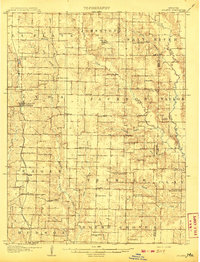 1908 Atlanta1908 Print · USGSMacon County is characterized by its early twentieth-century rail and river networks, anchored by the WABASH RR. Genealogists can trace family roots through numerous rural landmarks like Sue City, Mt Tabor Church, and La Porte School.2 unique versions available
 - 1908 Map of Macon, 1965 Print
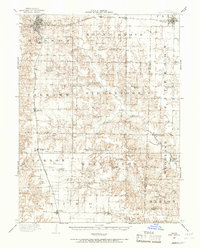 1908 Macon1965 Print · USGSMacon County and its neighbors are seen here in the early twentieth century, as rail lines and river forks defined the local economy. Genealogists can locate family landmarks among dozens of rural schoolhouses and churches like Bethlehem Church and Prairie Dale School.
 - 1910 Map of Macon
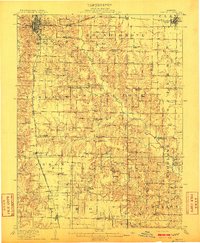 1910 Macon1910 Print · USGSMacon County's rural landscape is captured here in the decade before the Great War, showing a territory defined by railroad towns and isolated river mills. Genealogists can trace family roots through numerous country landmarks like Blees Military Academy, Levick Mill, and the Bear Thicket School.
 - 1953 Map of Moberly
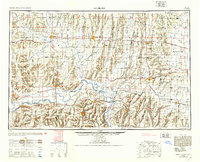 1953 Moberly1953 Print · USGSMid-century north-central Missouri is documented here as a bustling intersection of river commerce and heavy rail. Researchers can trace historic family-named landmarks and transport hubs from the Missouri River corridor to the rail yards of Moberly, Chillicothe, and Macon.
 - 1954 Map of Moberly, 1969 Print
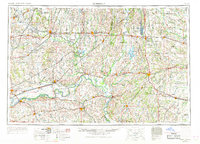 1954 Moberly1969 Print · USGSMid-century Missouri is captured here during a period of transition for its river towns and rail hubs. Genealogists and historians can trace the paths of the Wabash railroad through Moberly or explore the riverside layout of Lexington and Brunswick.3 unique versions available
 - 1957 Map of Moberly
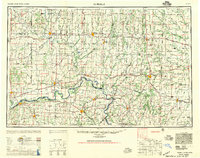 1957 Moberly1957 Print · USGSNorth-central Missouri in the late nineteen-forties and fifties remains a landscape defined by its great rivers and a dense network of steam and diesel rail lines. Genealogists and historians can trace the paths of the Wabash RR and Santa Fe RR through historic junctions like Moberly, Brookfield, and Macon.
 - 1958 Map of Lentner, 1960 Print
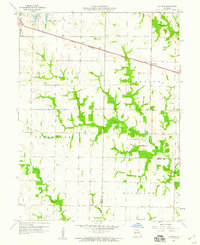 1958 Lentner1960 Print · USGSShelby and Monroe counties are captured here in the late fifties, centered on the railroad hub of Lentner. Genealogists and researchers can trace the locations of the Oak Ridge Sch, the Fairview Sch, and the rural community of Maud.2 unique versions available
 - 1960 Map of Moberly
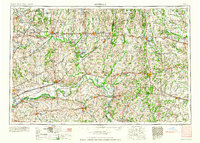 1960 Moberly1960 Print · USGSCentral Missouri comes alive in the mid-twentieth century as a bustling network of river towns and significant rail corridors. Genealogists and historians can trace the paths of the Wabash RR through Moberly or explore the riverfronts of Lexington and Brunswick.
 - 1964 Map of Hagers Grove, 1965 Print
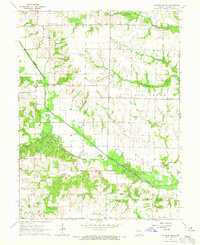 1964 Hagers Grove1965 Print · USGSShelby County farmland and the river valleys of the North Fork Salt River are captured here in the mid-1960s. Genealogists can trace rural roots through landmarks like St Michael Ch Cem, Hagers Grove, and the Bacon Chapel.
 - 1971 Map of Clarence, 1972 Print
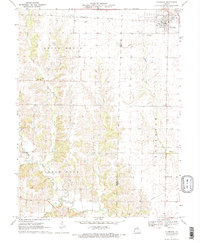 1971 Clarence1972 Print · USGSShelby and Macon counties are shown in the early seventies as small farming communities thrived along the Burlington Northern rail line. Genealogists can locate family landmarks such as Bethlehem Cem, Graves Chapel, and the settlement of Enterprise.2 unique versions available
 - 1979 Map of Redman
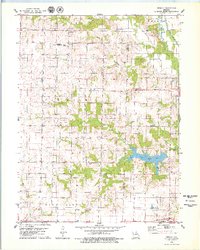 1979 Redman1979 Print · USGSMacon and Shelby Counties appear here in the late seventies, showing a landscape defined by small farming communities and significant conservation lands. Researchers can trace rural lineages through numerous sites like Locust Grove Sch, the Amish Cem, and Ten Mile Ch.
 - 1981 Map of Macon
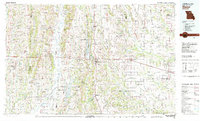 1981 Macon1981 Print · USGSNorthern Missouri's rail-and-river landscape is captured here in the early eighties, centered on the crossroads of Macon. Researchers can trace old cemetery sites like St Marys Cem, local landmarks such as College Mound, and the routes of the Burlington Northern railroad.
 - 2012 Map of Clarence, 2012 Print
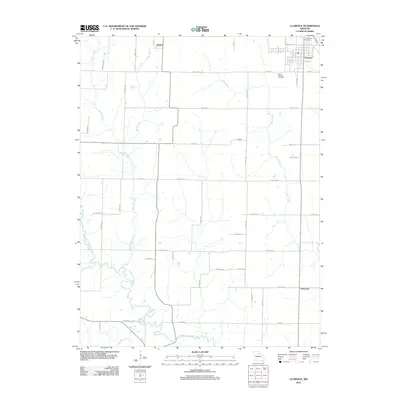 2012 Clarence2012 Print · USGSNorthwestern Shelby County is captured here in the early twenty-first century, centered on the community of Clarence. Researchers can trace the layout of the town and locate rural landmarks such as Anabel, Saint Patricks Cemetery, and the Middle Fork Salt River.
 - 2012 Map of Redman, 2012 Print
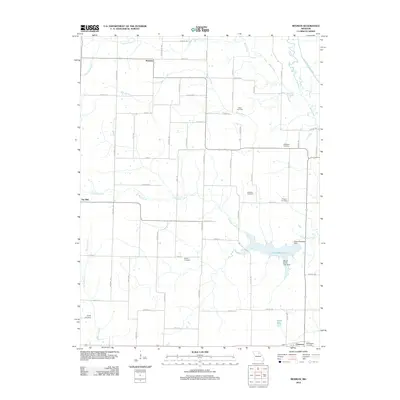 2012 Redman2012 Print · USGSShelby County farmland was defined by quiet crossroads and deep-rooted family plots in the early twenty-first century. Researchers can trace ancestral locations through numerous burial sites like Mitts Cemetery and Hopper Cemetery near Ten Mile.
 - 2012 Map of Hagers Grove, 2012 Print
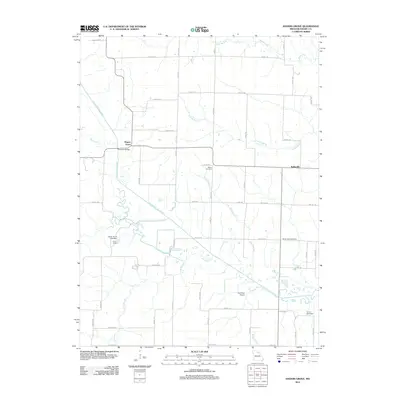 2012 Hagers Grove2012 Print · USGSShelby County farmland is captured here in the early twenty-first century, centered on the North Fork Salt River drainage. Researchers can locate family sites near Morris Cemetery, the settlement at Hagers Grove, or the landmark Snowder Bridge.
 - 2012 Map of Lentner, 2012 Print
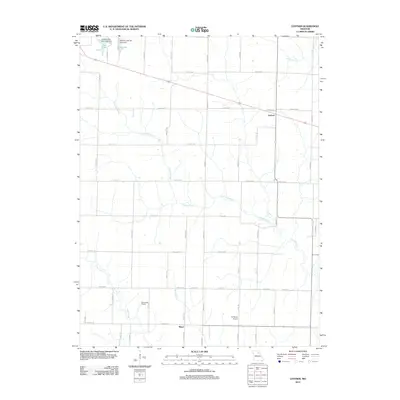 2012 Lentner2012 Print · USGSShelby County in the early 2010s reveals a structured agricultural landscape shaped by the paths of Crooked Creek and Otter Creek. Researchers can trace local landmarks like the Panhandle District, the settlement of Maud, and municipal works at New Lake.
 - 2014 Map of Hagers Grove, 2014 Print
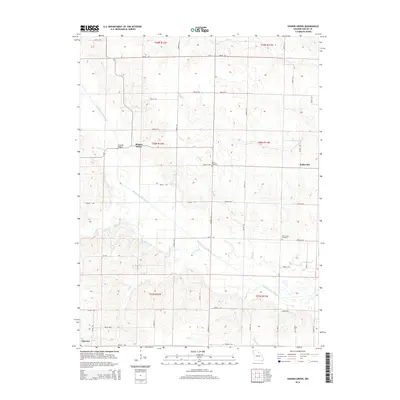 2014 Hagers Grove2014 Print · USGSShelby County farmland remains centered on small rural hamlets and the river bottomlands in this modern topographic study. Genealogists can trace family connections at Morris Cemetery or Mount Hope Cemetery and locate properties near Hagers Grove and Kellerville.
 - 2014 Map of Lentner, 2014 Print
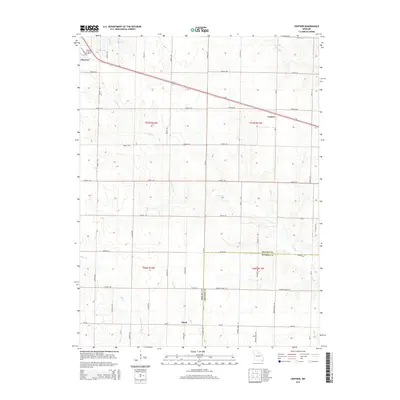 2014 Lentner2014 Print · USGSShelby County farmland and small rural settlements are documented here during the early twenty-first century. Researchers can trace the layout of Clarence and Lentner or locate water features like Old Lake and the winding Crooked Cr.
 - 2014 Map of Clarence, 2014 Print
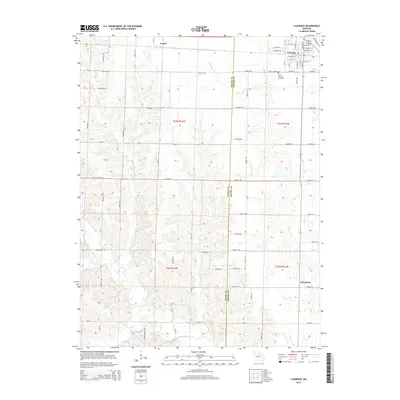 2014 Clarence2014 Print · USGSClarence and the surrounding Shelby County countryside are captured here in the early twenty-first century, showcasing a transition from town to river bottomlands. Researchers can locate the grounds of Saint Patricks Cemetery and trace the paths of Otter Cr and the Middle Fork Salt River.
 - 2015 Map of Redman, 2015 Print
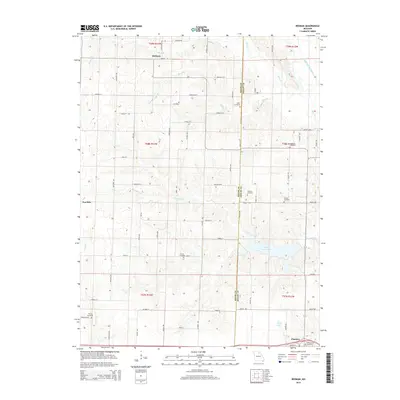 2015 Redman2015 Print · USGSThe border of Macon and Shelby counties comes into focus in this modern topographic survey. Genealogists and local historians can trace family ties through numerous sites like Amish Cemetery, Mitts Cemetery, and the northern outskirts of Clarence.
 - 2017 Map of Lentner, 2017 Print
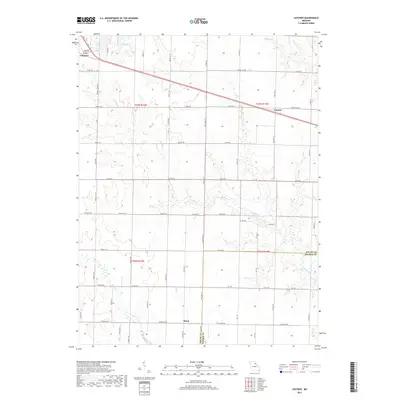 2017 Lentner2017 Print · USGSShelby County agricultural life is captured here in the late twenty-teens, showing the quiet landscape between the local hubs of Clarence and Lentner. Genealogists and historians can trace family land near Maud or follow the waters of Crooked Cr and Otter Cr.
 - 2017 Map of Clarence, 2017 Print
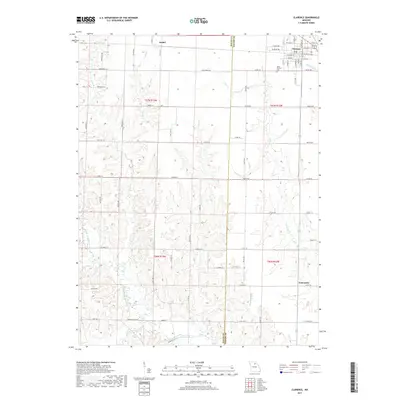 2017 Clarence2017 Print · USGSThe northern Missouri countryside near Clarence and Anabel is captured here during the late 2010s. Researchers can trace the rural landscape from Saint Patricks Cem to the banks of the Middle Fork Salt River and Otter Cr.
 - 2017 Map of Hagers Grove, 2017 Print
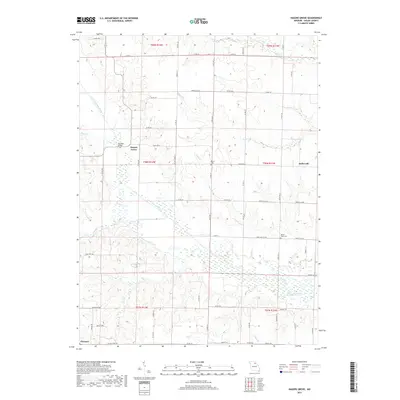 2017 Hagers Grove2017 Print · USGSShelby County farmland near the Iowa border is mapped here in the late twenty-first century. Local historians can trace the rural landscape from the town of Clarence north past Hagers Grove to Morris Cem and the Snowder Bridge on the Salt River.
 - 2017 Map of Redman, 2017 Print
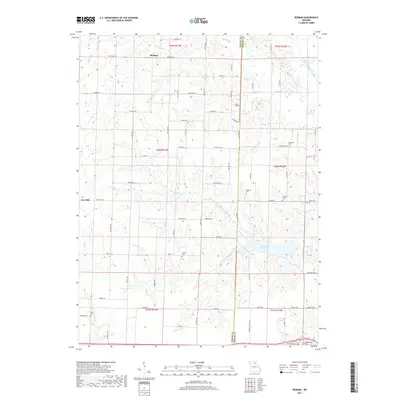 2017 Redman2017 Print · USGSThe rural borderlands of Macon and Shelby Counties are captured here in the late twenty-tens, showing a landscape of small agricultural settlements and extensive lakefronts. Researchers can locate numerous family and community burial sites, such as Amish Cem, Mitts Cem, and Hopper Cem near Daniel Boone Lake.
 - 2021 Map of Lentner, 2021 Print
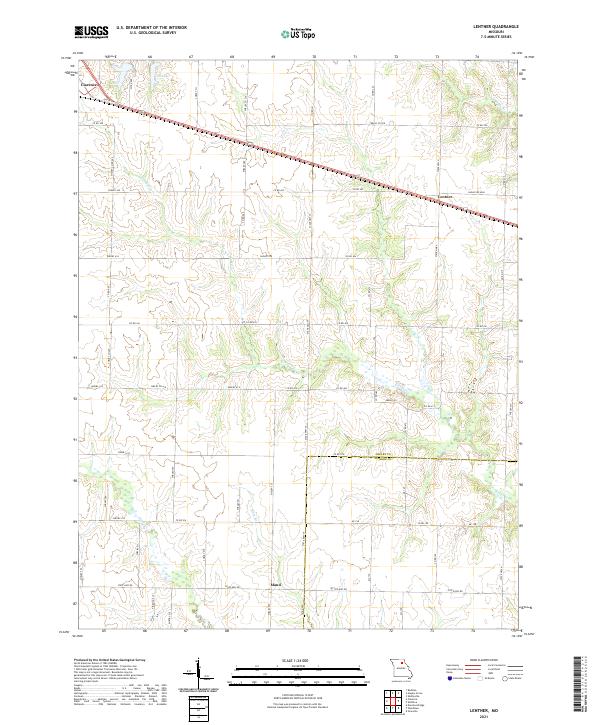 2021 Lentner2021 Print · USGSAgricultural life in Shelby County remains centered on the rail-and-road corridor during the early 2020s. Researchers can trace land tracts between the settlements of Lentner and Maud, or locate points of interest like Old Lake and Crooked Cr.
Showing maps 1-25 of 28
Top cities near Clarence
- Macon historical maps
- Shelbina historical maps
- Shelbyville historical maps
- Jacksonville historical maps
- Leonard historical maps
Frequently asked questions
- What are the different types of historical maps available for Clarence?
- What is the oldest map of Clarence?
- Where can I purchase historical maps of Clarence for my home or office?
- Where can I download high-res historical maps of Clarence?
- Are there historical topographic maps available for Clarence?
- Is there historical aerial imagery available for Clarence?
- Where are historical maps of Clarence sourced from?