Old Maps of Happys Inn, Montana for Academic Research
Study the evolution of Happys Inn with 14 high-resolution historic maps. Whether you're teaching, researching, or modeling changes in land use, these maps provide essential visual documentation of urban, environmental, and geographic change.
- Analyze long-term change: Track patterns in development, transportation, and natural features.
- Ideal for environmental or urban studies: Support academic projects with primary historical map data.
- Use in the classroom or lab: Educators and researchers rely on these maps to bring historical context to life.
These maps are a powerful tool for teaching, research, and visualizing how Happys Inn has changed over the decades.
Happys Inn, MT maps
(14)- 1920 Map of Jennings
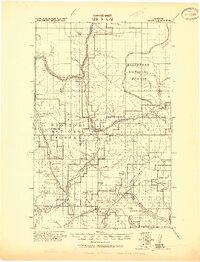 1920 Jennings1920 Print · USGSNorthwest Montana in the early twenties is captured here as a landscape of timber, rail, and isolated homesteads. Genealogists can trace family-named locations such as Corries Ranch and Deegan Ranch, or locate the site of the Mamicke P.O. near the Fisher River.
 - 1935 Map of Thompson Lakes
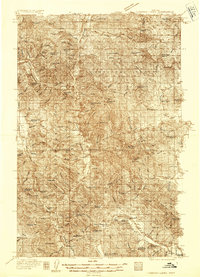 1935 Thompson Lakes1935 Print · USGSNorthwestern Montana in the mid-thirties was a rugged domain of timber management and rail-line outposts. Researchers can trace the Great Northern Ry through Jennings or locate remote schools like the Thompson River Sch and Manicke Sch.3 unique versions available
 - 1942 Map of Thompson Lakes
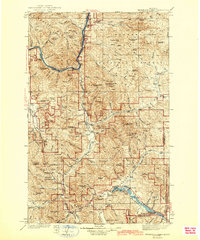 1942 Thompson Lakes1942 Print · USGSNorthwest Montana during the early 1940s remained a landscape of timber and rail, where the Great Northern Railway hugged the banks of the Kootenai River. Researchers can trace the network of forest lookouts like Warland Pk Lookout and find early rural sites including Pleasant Valley Sch.2 unique versions available
 - 1957 Map of Kalispell, 1967 Print
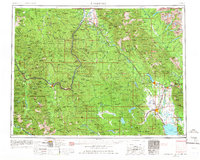 1957 Kalispell1967 Print · USGSNorthwest Montana in the late fifties showcases a mountain landscape transitioning between wilderness and industry. Genealogists and researchers can trace the Great Northern rail corridor through Kalispell and Whitefish, or locate landmarks like the Montana Soldiers Home and Hungry Horse Reservoir.3 unique versions available
 - 1960 Map of Kalispell
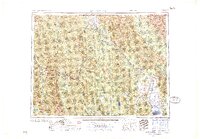 1960 Kalispell1960 Print · USGSNorthwest Montana in the late fifties is defined by the mountain corridors of the Great Northern Railway and the vast reaches of Glacier National Park. Researchers can trace the legacy of timber and mining towns like Libby, Rexford, and Whitefish, or locate landmarks such as the Snowshoe Mine.
 - 1961 Map of Kalispell
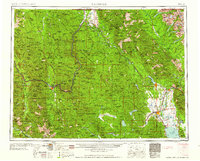 1961 Kalispell1961 Print · USGSNorthwestern Montana at the start of the 1960s shows a landscape of timber-driven rail towns and the sprawling wild lands of Glacier National Park. Genealogists and historians can trace the route of the Great Northern through mountain passes or locate old settlements like Fortine, Trego, and Warland.
 - 1966 Map of Loon Lake, 1970 Print
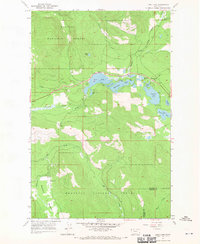 1966 Loon Lake1970 Print · USGSLincoln County in the mid-1960s is a landscape of glacial lakes and dense timber within the Kootenai National Forest. Genealogists and researchers can trace the area's remote mountain character through landmarks like Happys Inn, McGinnis Meadows, and the shores of Crystal Lake.2 unique versions available
 - 1978 Map of Libby, 1993 Print
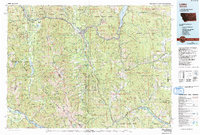 1978 Libby1993 Print · USGSNorthwestern Montana in the late seventies and early eighties shows the impact of the newly formed Koocanusa Lake on the river economy. Genealogists and historians can trace local mining claims like the Snowstorm Mine or find smaller communities such as Happys Inn and White Haven.
 - 1997 Map of Loon Lake, 2000 Print
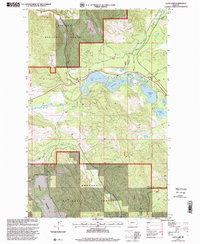 1997 Loon Lake2000 Print · USGSThe Lake region of Lincoln County comes into focus in the late nineties, documenting the dense forest and water networks near the Sanders County line. Researchers can trace land use patterns around Happys Inn or locate old resource sites like the local Mine and Crystal road.
 - 2011 Map of Loon Lake, 2011 Print
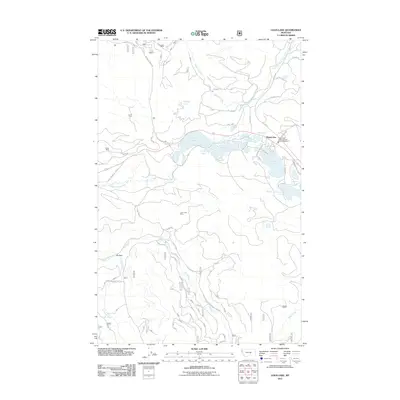 2011 Loon Lake2011 Print · USGSHappys Inn and the surrounding lakes of Lincoln County are captured here during a period of active forest management and recreation. Researchers can trace the road network to the Potter Mine, explore the shores of Upper Thompson Lake, or locate the Loon Lake Mine.
 - 2014 Map of Loon Lake, 2014 Print
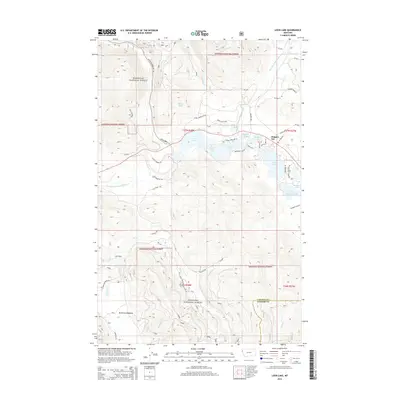 2014 Loon Lake2014 Print · USGSThe Kootenai National Forest in northwestern Montana is centered around the lake cluster near Happys Inn during the early 2010s. Researchers can trace the network of forest roads and glacial waters from Loon Lake down to the open valley at McGinnis Meadows.
 - 2017 Map of Loon Lake, 2017 Print
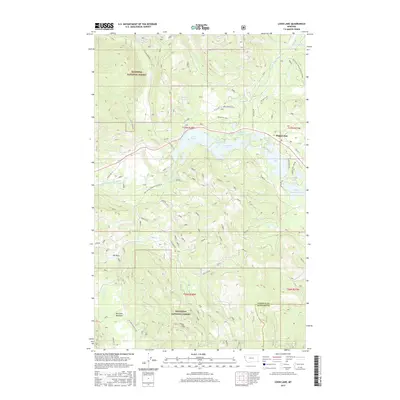 2017 Loon Lake2017 Print · USGSIn the heart of the Kootenai National Forest during the late 2010s, this area shows the vital intersection of backcountry roads and high-country lakes. Researchers can trace land use around Happys Inn and follow the drainage of Pleasant Valley Fisher River through Elk Park.
 - 2020 Map of Loon Lake, 2020 Print
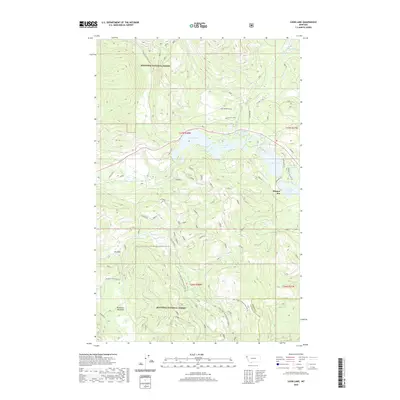 2020 Loon Lake2020 Print · USGSLincoln County’s lake country is mapped in detail here during the late 2010s, showing the intersection of timber lands and recreational waters. Trace old routes like Old US Hwy 2 S and locate landmarks near Happys Inn and Loon Lake.
 - 2024 Map of Loon Lake, 2024 Print
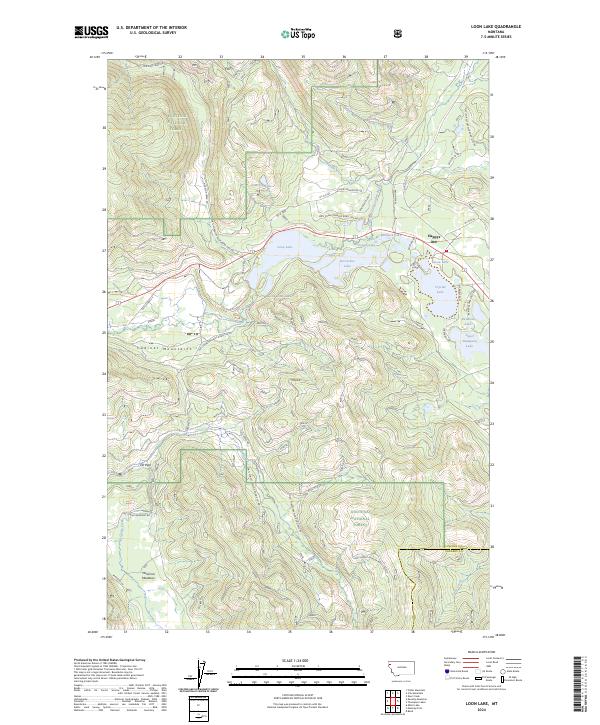 2024 Loon Lake2024 Print · USGSNorthwest Montana’s lake country is captured here in the early twenty-first century, centered on the Kootenai National Forest. You can trace forest access routes to remote spots like Happys Inn, Elk Park, and the shorelines of Upper Thompson Lake.
End of results
Showing maps 1-14 of 14
Frequently asked questions
- What are the different types of historical maps available for Happys Inn?
- What is the oldest map of Happys Inn?
- Where can I purchase historical maps of Happys Inn for my home or office?
- Where can I download high-res historical maps of Happys Inn?
- Are there historical topographic maps available for Happys Inn?
- Is there historical aerial imagery available for Happys Inn?
- Where are historical maps of Happys Inn sourced from?