Old Maps of Lodge Pole, Lodge Pole District for Hiking & Exploration
Hike through history with 20 historic maps of Lodge Pole. Explore old trails, ghost towns, and forgotten backroads — perfect for outdoor adventurers and local explorers.
- Rediscover forgotten places: Map out old mining camps, roads, and footpaths that no longer exist on modern maps.
- Layer with modern tools: Combine with LiDAR or satellite views to plan hikes through historical terrain.
- Made for exploration: Popular among hikers, overlanders, and local history lovers.
Use these maps to find adventure and explore the hidden past of Lodge Pole.
Lodge Pole, Lodge Pole District maps
(20)- 1943 Map of Landusky
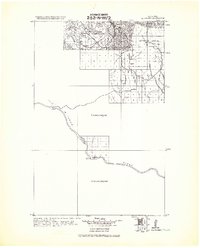 1943 Landusky1943 Print · USGSPhillips County during the early 1940s is shown here as a landscape of isolated mountain settlements and the wild Missouri Breaks. Researchers can trace the layout of Landusky, the mountain peaks of the Jefferson National Forest, and river landmarks such as Cow Island.
 - 1953 Map of Havre, 1967 Print
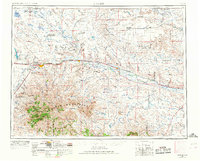 1953 Havre1967 Print · USGSNorthern Montana’s Hi-Line comes into focus in the mid-fifties, centered on the Milk River and the critical Great Northern rail link. Genealogists can trace small sidings and settlements like Assinniboine, Laredo, and Box Elder alongside the Fort Belknap Agency.3 unique versions available
 - 1954 Map of Lewistown, 1967 Print
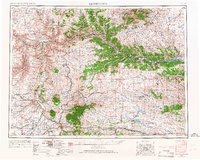 1954 Lewistown1967 Print · USGSCentral Montana at the height of the mid-century rail era reveals a landscape shaped by the Judith River and high mountain ranges. Trace the old lines of the Great Northern through Lewistown and Denton, or locate sites like Giltedge and Landusky.3 unique versions available
 - 1957 Map of Havre
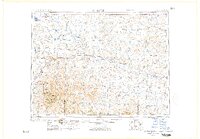 1957 Havre1957 Print · USGSNorth-central Montana at the mid-century is defined by the vital Great Northern rail corridor and the winding Milk River. Researchers can trace old settlements like Laredo and Savoy, or locate historic sites such as the Hays (old) Sub Agency and the Chinook No 1 mine.
 - 1958 Map of Havre
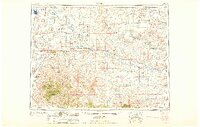 1958 Havre1958 Print · USGSUpper Montana in the late fifties was a landscape of remote rail towns and vast high-plain ranges. Genealogists and historians can trace the Great Northern railroad through Havre, Chinook, and the Fort Belknap Indian Reservation.
 - 1959 Map of Lewistown
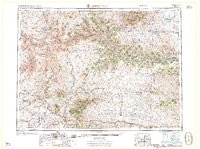 1959 Lewistown1959 Print · USGSCentral Montana in the mid-1950s shows a landscape defined by the winding Missouri River and the rise of the South Moccasin Mtns. Researchers can trace the rail lines of the Great Northern through towns like Winifred and locate the Cat Creek Oil Field.3 unique versions available
 - 1971 Map of Lodge Pole, 1974 Print
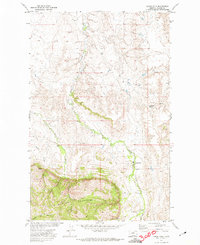 1971 Lodge Pole1974 Print · USGSThe Fort Belknap Indian Reservation is documented here in the early 1970s as it meets the northern foothills of the Little Rockies. Local researchers can trace family landmarks and water sources like Lodge Pole, Black Bull Spring, and Mouse Butte.
 - 1971 Map of Zortman, 1974 Print
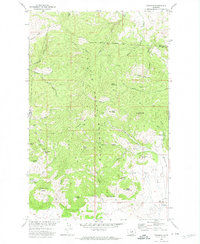 1971 Zortman1974 Print · USGSThe Little Rocky Mountains of Montana are captured in the early 1970s, showcasing a landscape shaped by persistent mining and high-elevation terrain. Researchers can trace the layout of mining camps like Zortman and Landusky alongside shafts such as the Little Ben Mine and Gold Bug Mine.
 - 1984 Map of Zortman
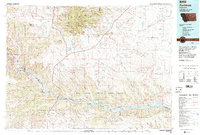 1984 Zortman1984 Print · USGSCentral Montana in the mid-eighties shows a vast landscape of tribal lands and protected wilderness along the Missouri River breaks. Genealogists and historians can trace the remote settlements of Zortman and Landusky or locate landmarks like Mission Peak and D V Junction.
 - 1984 Map of Dodson, 1985 Print
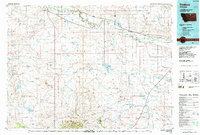 1984 Dodson1985 Print · USGSNorthern Montana ranching and reservation life are captured here in the mid-eighties as the Milk River valley sustains a string of railroad towns. Researchers can locate historic sites like Graveyard Hill, the Fort Belknap Agency, and several rural schoolhouses.
 - 2011 Map of Zortman, 2011 Print
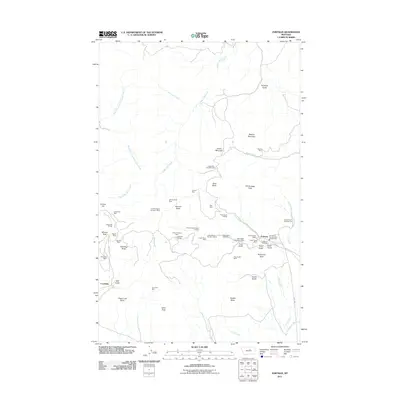 2011 Zortman2011 Print · USGSZortman and Landusky appear at a peak of modern mining activity in these Montana highlands. Researchers can trace the extensive legacy of extraction through dozens of named sites, including the August Mine, Zortman Cemetery, and Ruby Gulch Tailings.
 - 2011 Map of Lodge Pole, 2011 Print
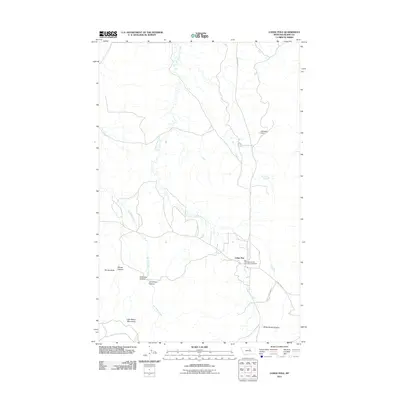 2011 Lodge Pole2011 Print · USGSThe Lodge Pole District in the early twenty-first century is captured here as the landscape rises into the northern Little Rocky Mountains. Local historians can trace the road network connecting Lodge Pole to outlying landmarks like Kirkaldie Dam and Blackbull Spring.
 - 2014 Map of Lodge Pole, 2014 Print
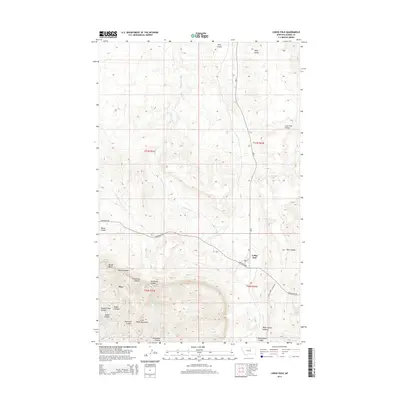 2014 Lodge Pole2014 Print · USGSThe foothills of the Little Rocky Mountains define the landscape in this 2014 Montana survey. Genealogists and local historians can trace the roads and canyons surrounding Lodge Pole, Hays, and the remote Blackbull Spring.
 - 2014 Map of Zortman, 2014 Print
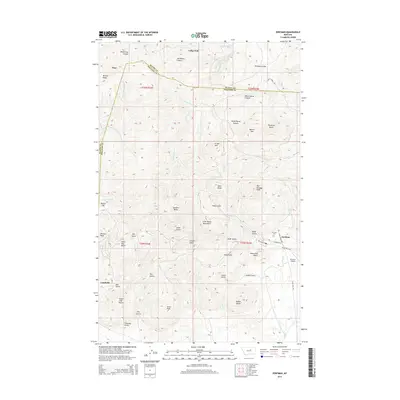 2014 Zortman2014 Print · USGSThe Little Rocky Mountains of north-central Montana are shown here in the early twenty-first century, spanning the border of Blaine and Phillips counties. Researchers can locate the historic mining-era towns of Zortman and Landusky, as well as the Zortman Cemetery and Antoine Butte.
 - 2017 Map of Lodge Pole, 2017 Print
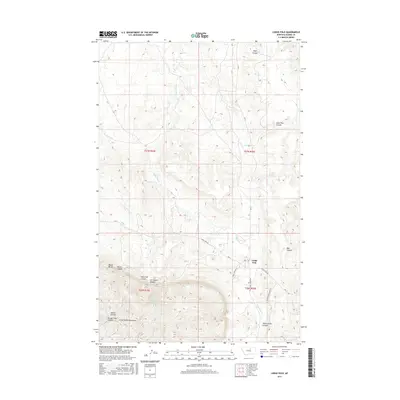 2017 Lodge Pole2017 Print · USGSThe northern foothills of the Little Rocky Mountains define the landscape around the settlement of Lodge Pole in the late twenty-teens. Genealogists and local historians can trace family-named landmarks and drainages including Mouse Butte, Jim Brown Cr, and White Horse Canyon.
 - 2017 Map of Zortman, 2017 Print
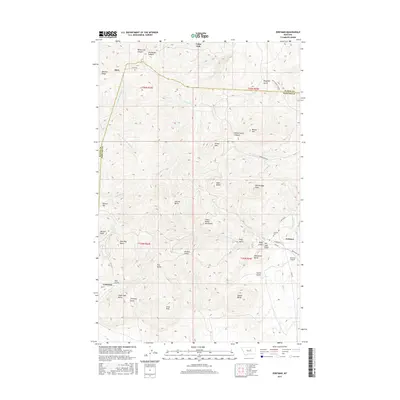 2017 Zortman2017 Print · USGSThe Little Rocky Mountains stand as a prominent island range at the Blaine and Phillips county line in the 2010s. Genealogists and historians can trace the vicinity of Zortman and Landusky, including landmarks like Zortman Cem and Old Scraggy Peak.
 - 2020 Map of Zortman, 2020 Print
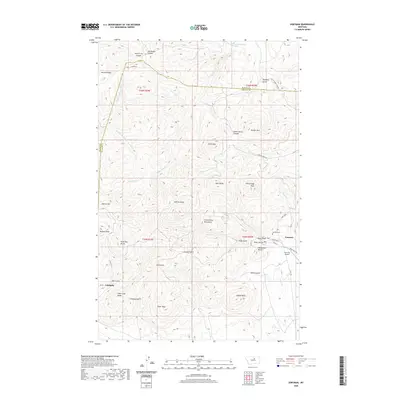 2020 Zortman2020 Print · USGSThe mining-era settlements of the Little Rocky Mountains are documented in 2020. Local researchers can trace family sites near Zortman, Landusky, and the Zortman Cem, or locate landmarks like Gold Bug Butte.
 - 2020 Map of Lodge Pole, 2020 Print
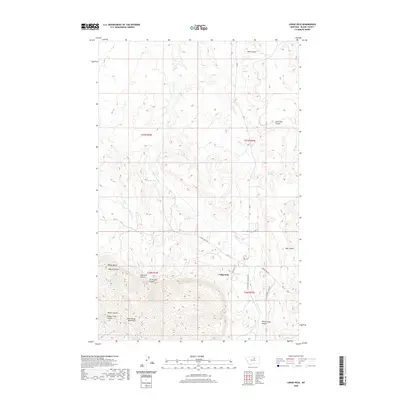 2020 Lodge Pole2020 Print · USGSLodge Pole and the northern foothills of the Little Rocky Mountains are shown in this contemporary study of Blaine County. Researchers can trace the rural road network and water sources like Blackbull Spring or follow the deep contours of White Horse Canyon and Mouse Canyon.
 - 2024 Map of Lodge Pole, 2024 Print
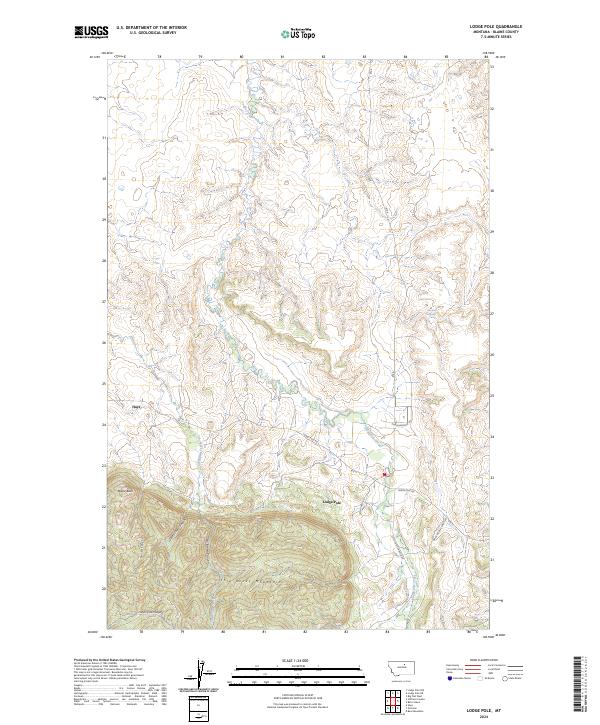 2024 Lodge Pole2024 Print · USGSThe northern foothills of the Little Rocky Mountains meet the high plains in this modern survey of south-central Blaine County. Researchers can trace land features from Mouse Butte to the deep recesses of White Cow Canyon and the settlement at Lodge Pole.
 - 2024 Map of Zortman, 2024 Print
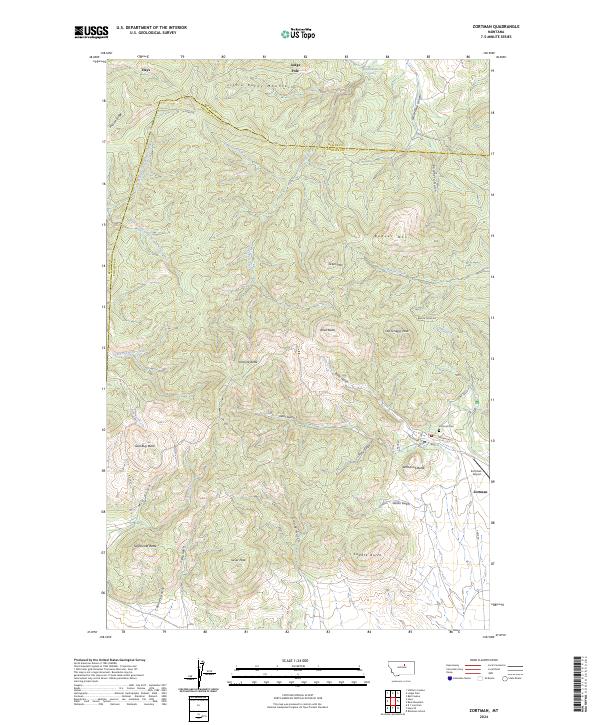 2024 Zortman2024 Print · USGSThe Little Rocky Mountains of Phillips County are captured here in the modern era, showing the settlement of Zortman and its surrounding peaks. Trace local history through landmarks like Zortman Cem, the Zortman Airport, and the high reaches of Whitcomb Butte.
End of results
Showing maps 1-20 of 20
Frequently asked questions
- What are the different types of historical maps available for Lodge Pole?
- What is the oldest map of Lodge Pole?
- Where can I purchase historical maps of Lodge Pole for my home or office?
- Where can I download high-res historical maps of Lodge Pole?
- Are there historical topographic maps available for Lodge Pole?
- Is there historical aerial imagery available for Lodge Pole?
- Where are historical maps of Lodge Pole sourced from?