Old Maps of Oliverville, Montana
Explore 10 old maps of Oliverville, spanning from 1956 to today. These high-resolution historic maps reveal how streets, neighborhoods, landmarks, and natural features evolved over time — perfect for genealogy, metal detecting, research, and local history exploration.
What you can do with these maps:
- See how Oliverville changed over time: Compare historical maps to modern-day views to trace roads, homesites, rail lines & more.
- View detailed metadata: Each map includes creators, publishers, year, scale, and archive source.
- Overlay maps with satellite & LiDAR: Visualize the past alongside modern tools to explore terrain & human change.
- Trusted historical sources: Maps sourced from the USGS, Library of Congress, and other archives.
- Access maps your way: View online, download high-res files, or order prints for personal or research use.
Start exploring old maps of Oliverville to uncover forgotten places, hidden landmarks, and the deep history beneath your feet.
Oliverville, MT maps
(10)- 1956 Map of Wallace, 1966 Print
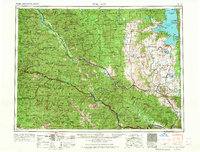 1956 Wallace1966 Print · USGSWestern Montana and the Idaho panhandle meet in this mid-century survey of the Bitterroot and Cabinet Mountains. Genealogists and historians can trace the rail-and-river economy through the Northern Pacific line and settlements like Thompson Falls or St. Ignatius.3 unique versions available
 - 1960 Map of Wallace
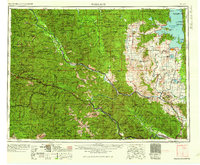 1960 Wallace1960 Print · USGSNorthwestern Montana and the Idaho panhandle are captured in the late fifties, showing the vast Flathead Indian Reservation and the mining districts of the Bitterroot Range. Researchers can trace the rail lines of the Northern Pacific or locate early sites like the Morning Mine and the National Bison Range.
 - 1960 Map of Superior, 1962 Print
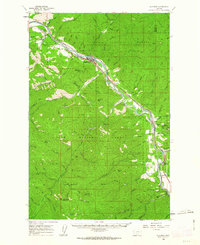 1960 Superior1962 Print · USGSThe Clark Fork valley in the early sixties was a rugged industrial corridor defined by the Northern Pacific and Milwaukee Road rail lines. Genealogists and historians can trace the foundations of Superior or locate remote mining sites like the Iron Mountain Mine and Old Mountain Mines.2 unique versions available
 - 1985 Map of Idaho Gulch
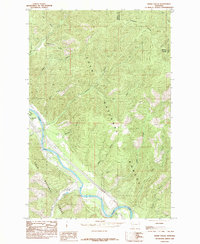 1985 Idaho Gulch1985 Print · USGSThe Clark Fork River corridor in the mid-1980s reveals a landscape of high timberland and river-bottom settlement. Trace the mountain topography from the Ninemile Divide down to Oliverville and the County Airport along the canyon floor.
 - 1999 Map of Idaho Gulch, 2003 Print
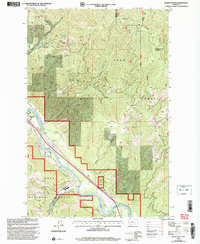 1999 Idaho Gulch2003 Print · USGSThe Clark Fork valley and the rugged Ninemile Divide define this part of Mineral County at the close of the twentieth century. Researchers can trace the boundaries of Lolo National Forest, locate the County Airport, and identify the settlement of Oliverville.
 - 2011 Map of Idaho Gulch, 2011 Print
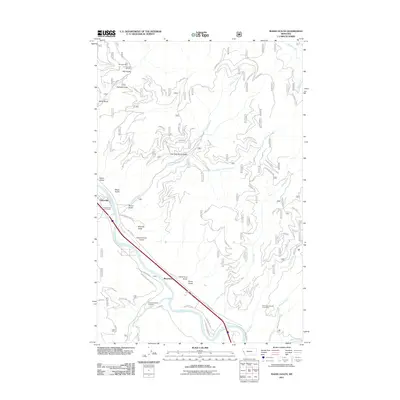 2011 Idaho Gulch2011 Print · USGSThe Clark Fork valley of Montana reveals its industrial and mountain heritage in the early 2000s. Researchers can trace historic mining operations at Iron Mountain Mine or locate riverside settlements like Riverbend and Cedars along the historic Mullan Rd E.
 - 2014 Map of Idaho Gulch, 2014 Print
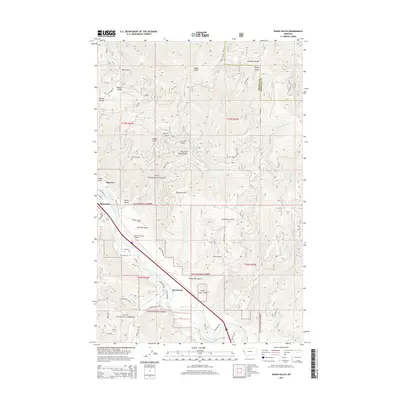 2014 Idaho Gulch2014 Print · USGSSuperior and Riverbend sit at the heart of the Clark Fork valley during the early twenty-first century, surrounded by the vast timberlands of the Lolo National Forest. Researchers can trace the layout of local infrastructure from the Mineral County Airport to historical routes like Mullan Rd E.
 - 2017 Map of Idaho Gulch, 2017 Print
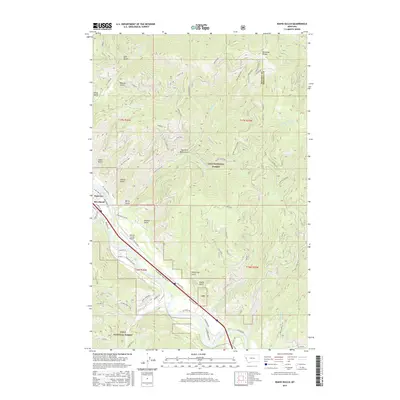 2017 Idaho Gulch2017 Print · USGSThe Mineral County mountains come alive in the late twenty-teens, showing the intersection of the Clark Fork river valley and the Lolo National Forest. Researchers can trace the modern layout of Riverbend and the Mineral County Airport alongside rugged landmarks like Teddy Bear Ridge and Ninemile Divide.
 - 2020 Map of Idaho Gulch, 2020 Print
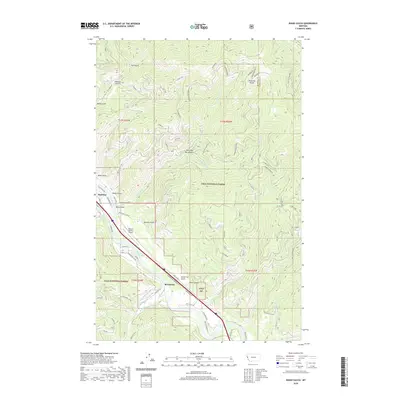 2020 Idaho Gulch2020 Print · USGSThe Clark Fork valley and the foothills of the Lolo National Forest come into focus in this contemporary survey of Mineral County. Researchers can map the modern footprint of Superior and Riverbend, or trace the winding course of Lozo Creek and Flat Cr through the mountain gulches.
 - 2024 Map of Idaho Gulch, 2024 Print
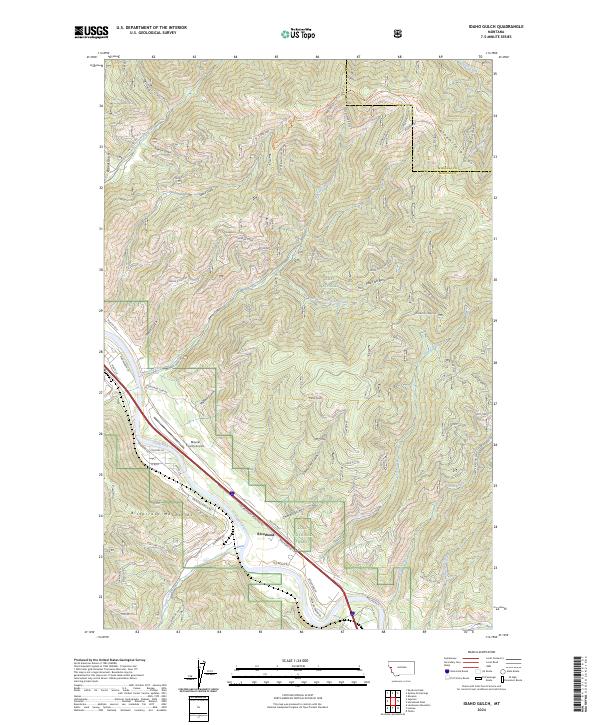 2024 Idaho Gulch2024 Print · USGSThe Clark Fork river corridor near the Montana-Idaho border comes into focus in this contemporary survey. Historians and researchers can trace local landmarks like Riverbend, the Mineral County Airport, and the high-country paths along Teddy Bear Ridge.
End of results
Showing maps 1-10 of 10
Top cities near Oliverville
Frequently asked questions
- What are the different types of historical maps available for Oliverville?
- What is the oldest map of Oliverville?
- Where can I purchase historical maps of Oliverville for my home or office?
- Where can I download high-res historical maps of Oliverville?
- Are there historical topographic maps available for Oliverville?
- Is there historical aerial imagery available for Oliverville?
- Where are historical maps of Oliverville sourced from?