Old Maps of Talc, Montana for Metal Detecting
Plan your next treasure hunt with 13 historic maps of Talc. Find old homesites, ghost towns, trails, and gathering spots that may be lost to time — perfect for identifying promising metal detecting locations.
- Locate forgotten sites: Uncover places like long-lost settlements, abandoned rail lines, or gathering spots.
- Plan better hunts: Use map overlays combined with LiDAR or satellite views to narrow in on historically rich areas.
- Made for detectorists: Thousands of hobbyists use these maps to discover relics, coins, and hidden history.
Use these historic maps to boost your research and find new opportunities beneath the surface of Talc.
Talc, MT maps
(13)- 1937 Map of Thompson Falls
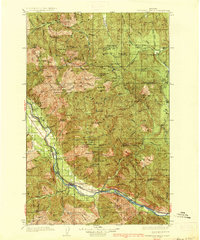 1937 Thompson Falls1937 Print · USGSThe Clark Fork river valley and the high Cabinet Mountains are documented here in the mid-1930s. Genealogists and researchers can trace the early railroad communities of Thompson Falls and Belknap or locate the Silver Butte Fisher Sch and Bend Ranger Sta.2 unique versions available
 - 1937 Map of Thompson Falls, 1949 Print
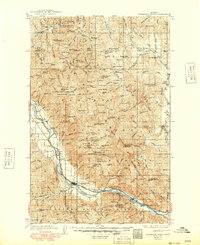 1937 Thompson Falls1949 Print · USGSThe Clark Fork valley in the 1930s was a vital corridor defined by the Northern Pacific Line and riverside settlements. Researchers can trace early infrastructure and mountain life through the locations of the Silver Butte Fisher Sch, the Bend Ranger Sta, and the ferry at Eddy.
 - 1956 Map of Wallace, 1966 Print
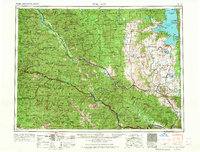 1956 Wallace1966 Print · USGSWestern Montana and the Idaho panhandle meet in this mid-century survey of the Bitterroot and Cabinet Mountains. Genealogists and historians can trace the rail-and-river economy through the Northern Pacific line and settlements like Thompson Falls or St. Ignatius.3 unique versions available
 - 1957 Map of Thompson Falls, 1959 Print
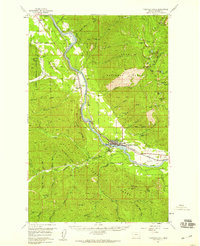 1957 Thompson Falls1959 Print · USGSThompson Falls and the Clark Fork valley are documented here in the late fifties, just as the proposed Noxon Rapids Reservoir was set to alter the riverbanks. Researchers can trace the Northern Pacific rail line, locate the Lucky Luke Mine, and find local landmarks like VFW Cem.3 unique versions available
 - 1960 Map of Wallace
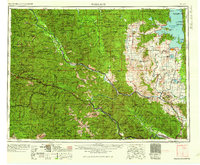 1960 Wallace1960 Print · USGSNorthwestern Montana and the Idaho panhandle are captured in the late fifties, showing the vast Flathead Indian Reservation and the mining districts of the Bitterroot Range. Researchers can trace the rail lines of the Northern Pacific or locate early sites like the Morning Mine and the National Bison Range.
 - 1988 Map of Belknap
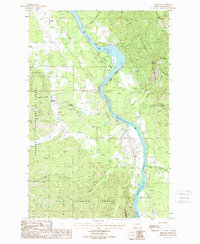 1988 Belknap1988 Print · USGSThe Clark Fork valley in the late eighties reveals a landscape where mountain wilderness meets reservoir infrastructure. Family historians and researchers can trace the small settlement of Belknap, locate a local Cem, or identify the Lucky Luke Mine Prospects.
 - 1992 Map of Thompson Falls, 1993 Print
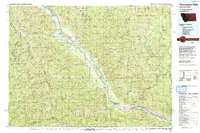 1992 Thompson Falls1993 Print · USGSNorthwest Montana in the early nineties is defined here by the winding Clark Fork and its major impoundments. Researchers can trace the river-valley settlements of Noxon, Trout Creek, and Thompson Falls or locate mining sites like the Copper King Mine.
 - 1999 Map of Belknap, 2003 Print
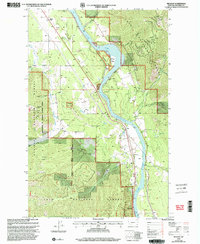 1999 Belknap2003 Print · USGSSanders County in the late twentieth century remains defined by the winding Clark Fork and its federal forest lands. Local historians can trace the foundations of the area at White Pine Station (Site), locate the Lucky Luke Mine, or find early cemetery sites like Cem.
 - 2011 Map of Belknap, 2011 Print
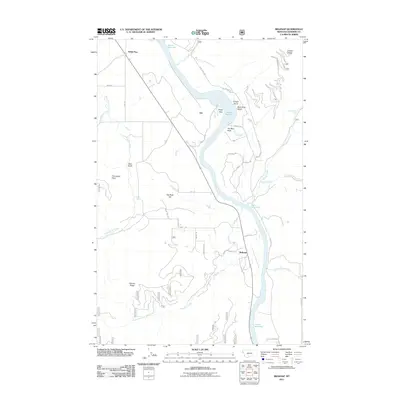 2011 Belknap2011 Print · USGSSanders County in the early twenty-first century centers on the expansive Noxon Reservoir and its surrounding mountain ridges. Researchers can trace local landmarks and drainages from Belknap and White Pine to the heights of Cougar Peak and Sievers Ridge.
 - 2014 Map of Belknap, 2014 Print
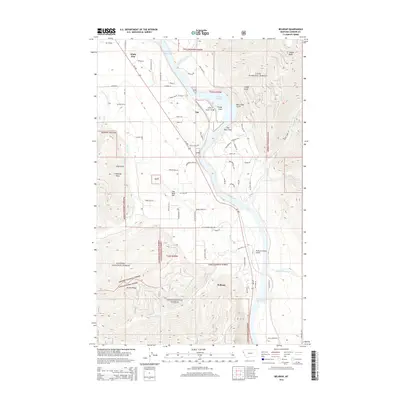 2014 Belknap2014 Print · USGSSanders County settlements along the Clark Fork valley are documented here in the early twenty-first century. Researchers can trace rural property access and family-named roads near White Pine, Talc, and Belknap, or locate landmarks like Pinehurst Ranch Airport.
 - 2017 Map of Belknap, 2017 Print
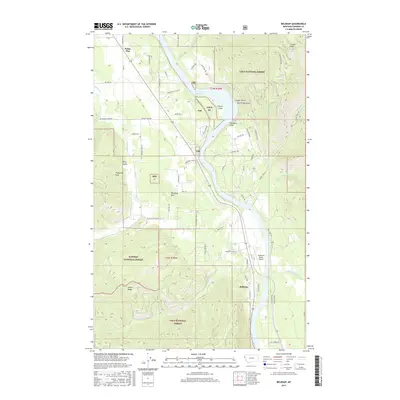 2017 Belknap2017 Print · USGSThe Clark Fork valley of western Montana is shown in the mid-2010s, where the Noxon Reservoir meets the foothills of the Bitterroot Mountains. Local researchers can trace family-named routes and small communities like Belknap, White Pine, and the Pinehurst Ranch Airport.
 - 2020 Map of Belknap, 2020 Print
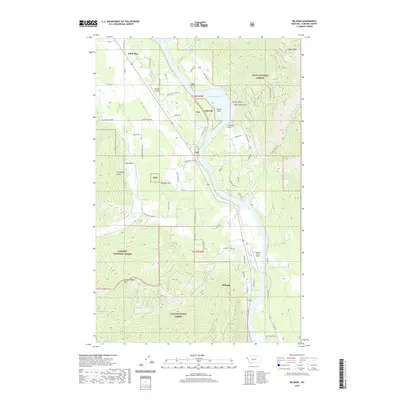 2020 Belknap2020 Print · USGSSanders County, Montana, is documented here in a modern era of reservoir management and forest service operations. Researchers can locate private airstrips like Littlebear Airport, industrial sites at Talc, and the community of White Pine.
 - 2024 Map of Belknap, 2024 Print
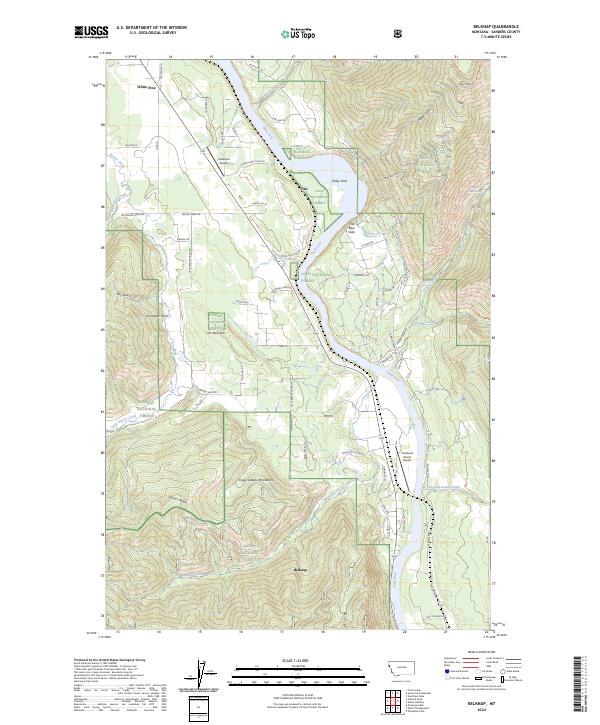 2024 Belknap2024 Print · USGSThe Clark Fork river valley in western Montana is shown here in the 2020s, bordered by two national forests. Researchers can trace land use around Belknap and White Pine, or locate landmarks like Graves Creek Falls and The Blue Slide.
End of results
Showing maps 1-13 of 13
Top cities near Talc
Frequently asked questions
- What are the different types of historical maps available for Talc?
- What is the oldest map of Talc?
- Where can I purchase historical maps of Talc for my home or office?
- Where can I download high-res historical maps of Talc?
- Are there historical topographic maps available for Talc?
- Is there historical aerial imagery available for Talc?
- Where are historical maps of Talc sourced from?