Old Maps of Cal-Nev-Ari, Nevada for Hiking & Exploration
Hike through history with 17 historic maps of Cal-Nev-Ari. Explore old trails, ghost towns, and forgotten backroads — perfect for outdoor adventurers and local explorers.
- Rediscover forgotten places: Map out old mining camps, roads, and footpaths that no longer exist on modern maps.
- Layer with modern tools: Combine with LiDAR or satellite views to plan hikes through historical terrain.
- Made for exploration: Popular among hikers, overlanders, and local history lovers.
Use these maps to find adventure and explore the hidden past of Cal-Nev-Ari.
Cal-Nev-Ari, NV maps
(17)- 1886 Map of Camp Mohave
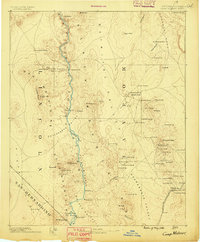 1886 Camp Mohave1886 Print · USGSThe Colorado River and the Cerbat mining districts define this territory during the mid-1880s. Genealogists and historians can trace the early rail stops at Kingman and Beale, or find the locations of frontier mining camps like Chloride and Mineral Park.
 - 1892 Map of Camp Mohave
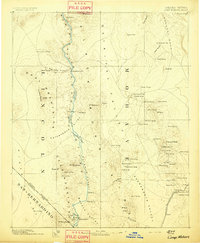 1892 Camp Mohave1892 Print · USGSThe Colorado River frontier in the 1890s reveals a network of isolated mining camps and military outposts. Trace the early river-crossing economy and mining boomtowns through Eldorado Ferry, the Patterson Mine, and the military station at Camp Mohave.8 unique versions available
 - 1926 Map of Mohave City
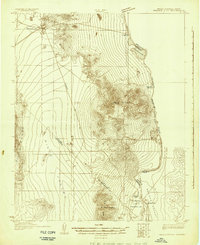 1926 Mohave City1926 Print · USGSThe Colorado River borderlands in the mid-twenties reveal a landscape of mining claims and early desert ranching before the era of modern dams. Researchers can trace the Arrowhead Trail south from Searchlight and locate family landmarks like the D Hutton Ranch or the Piute mine.
 - 1942 Map of Camp Mohave
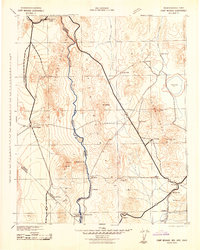 1942 Camp Mohave1942 Print · USGSThe tri-state borderlands of Nevada, Arizona, and California are captured here in the early 1940s, highlighting a landscape of deep canyons and high-desert mining camps. Researchers can trace historic rail lines and find remote outposts like Searchlight, Nelson, and the riverfront Fort Mohave Indian Reservation.
 - 1947 Map of Kingman, 1948 Print
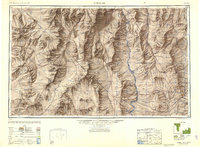 1947 Kingman1948 Print · USGSThe tri-state Mojave desert region comes into focus during the late 1940s, as post-war travel began to surge along U S 66. Genealogists and historians can trace the mining-and-rail economy through the Atchison Topeka and Santa Fe line, the Copper World Mine, and old settlements like Oatman or Goodsprings.2 unique versions available
 - 1948 Map of Kingman
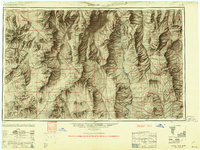 1948 Kingman1948 Print · USGSThe Mojave Desert at the dawn of the fifties shows a landscape of deep canyons and booming mines along the Arizona and Nevada border. Genealogists and historians can trace rail-stop towns and mining claims like Oatman, Searchlight, and the Mohawk Mine.
 - 1954 Map of Kingman, 1964 Print
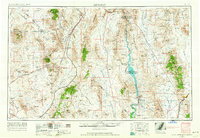 1954 Kingman1964 Print · USGSThe High Desert borderlands come to life in the mid-fifties, showing the intersection of mining legacies and massive river projects. Researchers can trace old rail stops like Roach Station, mining sites such as Chloride, and river landmarks like Searchlight Ferry.4 unique versions available
 - 1955 Map of Kingman
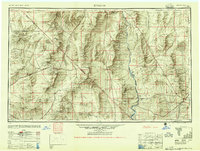 1955 Kingman1955 Print · USGSThe Mojave Desert and Colorado River corridor come alive in the mid-fifties, showing a landscape of mining camps and rail junctions. Trace the river to the Searchlight Ferry or locate old desert mining sites like Goldroad and the Great Monster Mine.
 - 1958 Map of Kingman
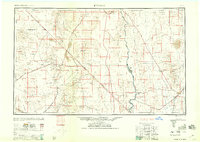 1958 Kingman1958 Print · USGSThe tri-state desert borders of Arizona, Nevada, and California are shown in the late fifties as a network of mining camps and river crossings. Genealogists and historians can trace the legacy of remote outposts like Oatman, Chloride, and the Searchlight Ferry along the Colorado River.2 unique versions available
 - 1959 Map of Searchlight, 1960 Print
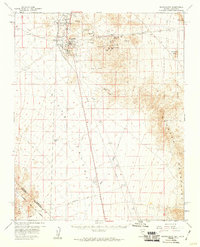 1959 Searchlight1960 Print · USGSSearchlight and the surrounding Mojave desert are shown here during a period of active mining and early conservation. Mineral seekers and genealogists can locate specific sites like the Blossom Mine, Quartette Mine, and the local Cem.3 unique versions available
 - 1960 Map of Kingman
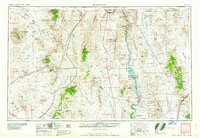 1960 Kingman1960 Print · USGSThe high desert landscape of the Arizona-Nevada border comes alive in the mid-twentieth century, showcasing the rise of recreation alongside deep-rooted mining history. Genealogists and historians can trace the roots of towns like Kingman and Oatman, or locate remote sites like the Lucky Dutchman Mine and Santa Claus.3 unique versions available
 - 1982 Map of Davis Dam, 1983 Print
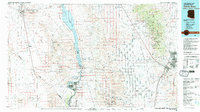 1982 Davis Dam1983 Print · USGSThe Colorado River corridor and the Tri-State area come into focus in the early eighties, showing the growth of Bullhead City and Laughlin near the Davis Dam. Researchers can trace extensive mining operations like the Searchlight Mine or follow the Atchison Topeka and Santa Fe rail line into Kingman.2 unique versions available
 - 1989 Map of Tenmile Well, 1990 Print
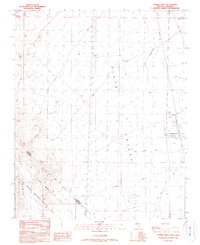 1989 Tenmile Well1990 Print · USGSThe Piute Valley at the Nevada-California border comes into focus in the late 1980s, centered on the community of Cal-Nev-Ari. Researchers can trace the historic Von Schmidt Boundary and locate desert landmarks like Kidwell Airport and the lone Mine Shaft.
 - 2012 Map of Tenmile Well, 2012 Print
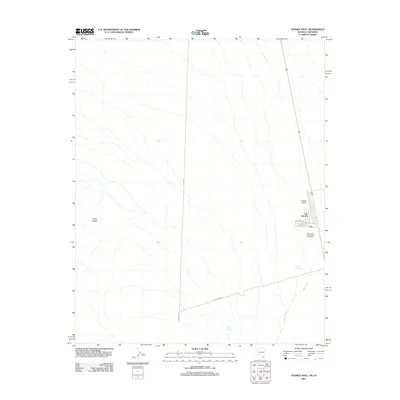 2012 Tenmile Well2012 Print · USGSThe aviation-centric community of Cal-Nev-Ari is captured here during the early twenty-first century, showing the intersection of desert life and modern infrastructure. Researchers can locate the Cal Nev Ari Rural Branch Post Office and trace routes like Old Homestead Rd and Gulch Rd.
 - 2014 Map of Tenmile Well, 2014 Print
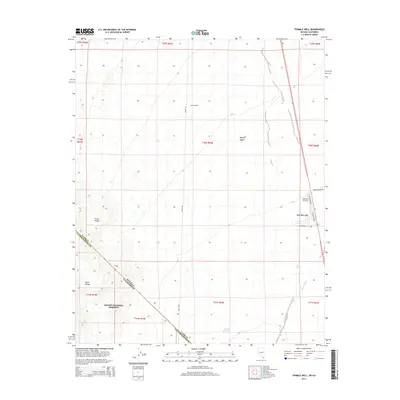 2014 Tenmile Well2014 Print · USGSThe Nevada and California borderlands come into focus in the early 21st century, centered on the unique settlement of Cal-Nev-Ari. Researchers can trace aviation and desert infrastructure through Kidwell Airport, Tenmile Well, and the boundary of the Mojave National Preserve.
 - 2018 Map of Tenmile Well, 2018 Print
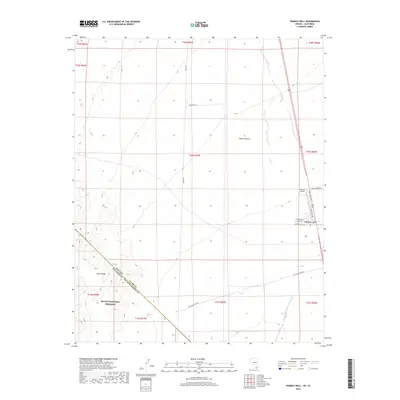 2018 Tenmile Well2018 Print · USGSThe high desert at the Nevada-California state line is shown in detail during the late 2010s. Researchers can trace the layout of Cal-Nev-Ari, the operations at Kidwell Airport, and the paths of the Old Homestead Rd near the Piute Range.
 - 2021 Map of Tenmile Well, 2021 Print
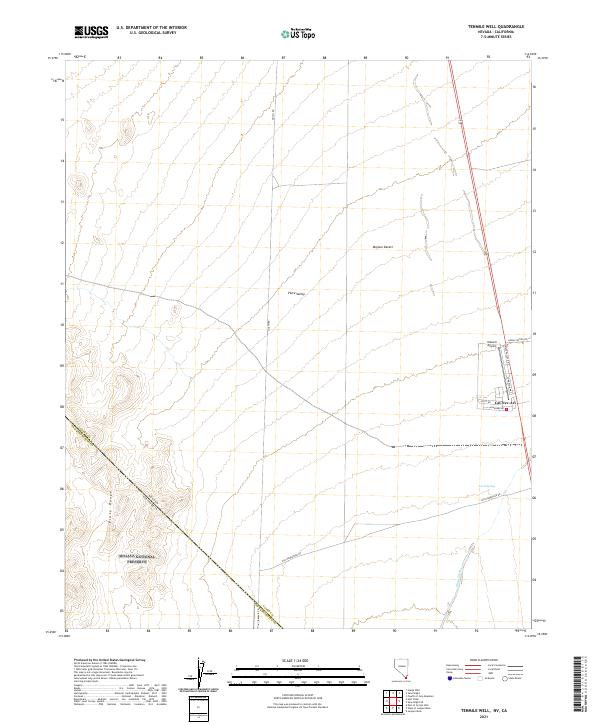 2021 Tenmile Well2021 Print · USGSCal-Nev-Ari and the surrounding Mojave Desert landscape are captured here in the early twenty-first century as the region maintains its remote character. Researchers can trace the layout of Kidwell Airport and find local landmarks like Lewis Spring and Old Homestead Rd.
End of results
Showing maps 1-17 of 17
Top cities near Cal-Nev-Ari
Frequently asked questions
- What are the different types of historical maps available for Cal-Nev-Ari?
- What is the oldest map of Cal-Nev-Ari?
- Where can I purchase historical maps of Cal-Nev-Ari for my home or office?
- Where can I download high-res historical maps of Cal-Nev-Ari?
- Are there historical topographic maps available for Cal-Nev-Ari?
- Is there historical aerial imagery available for Cal-Nev-Ari?
- Where are historical maps of Cal-Nev-Ari sourced from?