Old Maps of Lake Sumner, New Mexico for Hiking & Exploration
Hike through history with 33 historic maps of Lake Sumner. Explore old trails, ghost towns, and forgotten backroads — perfect for outdoor adventurers and local explorers.
- Rediscover forgotten places: Map out old mining camps, roads, and footpaths that no longer exist on modern maps.
- Layer with modern tools: Combine with LiDAR or satellite views to plan hikes through historical terrain.
- Made for exploration: Popular among hikers, overlanders, and local history lovers.
Use these maps to find adventure and explore the hidden past of Lake Sumner.
Lake Sumner, NM maps
(33)- 1954 Map of Fort Sumner, 1964 Print
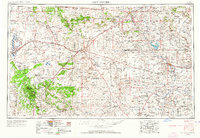 1954 Fort Sumner1964 Print · USGSEast-central New Mexico's ranching and rail heartland is captured here in the mid-1950s, centered on the strategic junctions of the high plains. Researchers can trace the development of early highway networks and rail towns like Vaughn, Fort Sumner, and the copper operations at Guadalupe Mine.3 unique versions available
 - 1958 Map of Fort Sumner
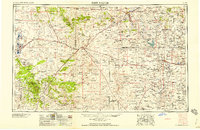 1958 Fort Sumner1958 Print · USGSEast-central New Mexico in the mid-fifties is captured here as a sprawling landscape of high mesas and cattle ranching. Researchers can trace the convergence of the Southern Pacific railroad at Vaughn and locate family landmarks like Borica School or Marquez Ranch.
 - 1965 Map of Windmill Draw, 1969 Print
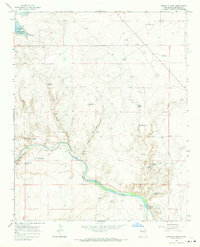 1965 Windmill Draw1969 Print · USGSDe Baca County ranchlands and river systems are documented here in the mid-1960s, showing the critical infrastructure of the Pecos River valley. Genealogists and historians can trace family holdings like York Ranch and Brassel Ranch alongside the Fort Sumner Diversion Dam.2 unique versions available
 - 1966 Map of Gibbons Ranch, 1968 Print
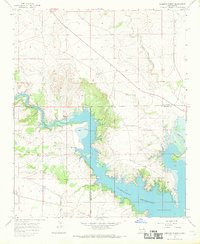 1966 Gibbons Ranch1968 Print · USGSThe Pecos River valley and the emerging Alamogordo Reservoir define the landscape of eastern New Mexico in the mid-1960s. Researchers can trace ranching history at Gibbons Ranch and Los Ojitos, or locate early habitation sites marked by ruins.2 unique versions available
 - 1966 Map of Alamogordo Dam, 1969 Print
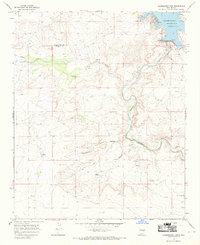 1966 Alamogordo Dam1969 Print · USGSDe Baca and Guadalupe counties are captured in the mid-1960s as the Pecos River corridor supported both recreation and ranching. Researchers can trace historic ranch footprints at Koontz Ranch, find remote burial sites like Guadalupe Cem, and locate numerous windmills across the plains.2 unique versions available
 - 1966 Map of Cooper Ranch, 1969 Print
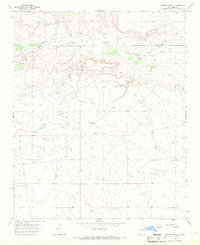 1966 Cooper Ranch1969 Print · USGSThe high plains of De Baca and Guadalupe counties are documented here in the mid-1960s, a time of quiet cattle ranching and scattered outposts. Researchers can trace land use through features like the Cooper Ranch, the Upper Wagon Windmill, and a remote Cem near the creek.2 unique versions available
 - 1966 Map of Colorado Canyon, 1969 Print
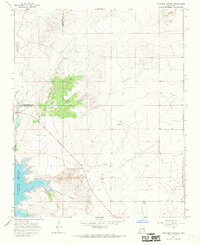 1966 Colorado Canyon1969 Print · USGSDe Baca and Guadalupe counties appear here in the mid-1960s, a period of ranching and water management on the high plains. Researchers can locate family landmarks like McRee Ranch and Head Ranch or trace the early shoreline of Alamogordo Reservoir.2 unique versions available
 - 1984 Map of Santa Rosa, 1992 Print
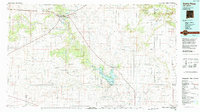 1984 Santa Rosa1992 Print · USGSEast-central New Mexico is captured here in the mid-1980s, centered on the strategic river crossing at Santa Rosa. Researchers can trace family-named landforms and small outposts like Puerto de Luna, Pastura, and the varied arroyos feeding into Lake Sumner.
 - 2010 Map of Cooper Ranch, 2010 Print
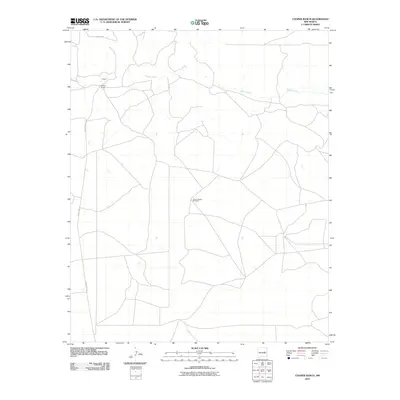 2010 Cooper Ranch2010 Print · USGSDe Baca County ranching country is captured here during the early 21st century, showing the enduring landscape of the high plains. Researchers can trace the drainage of Salado Creek or locate local landmarks like Cooper Ranch and the Upper Wagon Windmill.
 - 2010 Map of Gibbons Ranch, 2010 Print
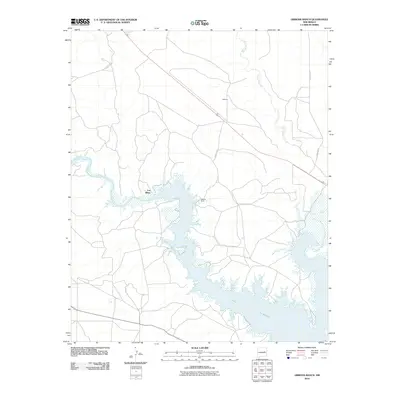 2010 Gibbons Ranch2010 Print · USGSGuadalupe County ranchlands and the waters of the Pecos River are captured here in the early twenty-first century. Genealogists and researchers can trace the roads leading to local landmarks like Gibbons Ranch, Los Ojitos, and the expansive Lake Semner.
 - 2010 Map of Sumner Dam, 2010 Print
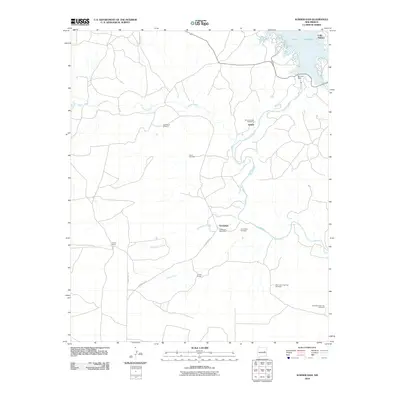 2010 Sumner Dam2010 Print · USGSDe Baca County ranchlands and river systems are documented here during the early 2000s, centered on the infrastructure of the Pecos River. Genealogists and local historians can trace family sites like Koontz Ranch and burial records at Salado Creek Cemetery or Guadalupe Cemetery.
 - 2010 Map of Windmill Draw, 2010 Print
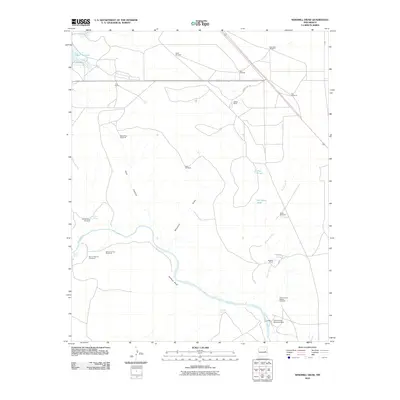 2010 Windmill Draw2010 Print · USGSDe Baca County ranchlands are documented here in the early twenty-first century, showing a landscape defined by the Pecos River and its vital water infrastructure. Genealogists and historians can trace the bounds of York Ranch and Brassell Ranch or locate key landmarks like the Fort Sumner Diversion Dam and Carretas Springs.
 - 2010 Map of Colorado Canyon, 2010 Print
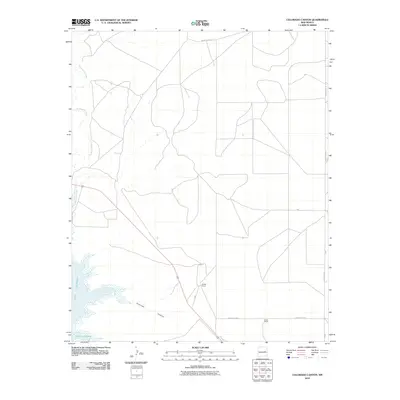 2010 Colorado Canyon2010 Print · USGSThe high plains of De Baca County meet the waters of Lake Sumner in this 2010 survey. Genealogists and local historians can trace legacy ranching sites such as McRee Ranch and Head Ranch near the natural drainages of Alamogordo Creek.
 - 2013 Map of Cooper Ranch, 2013 Print
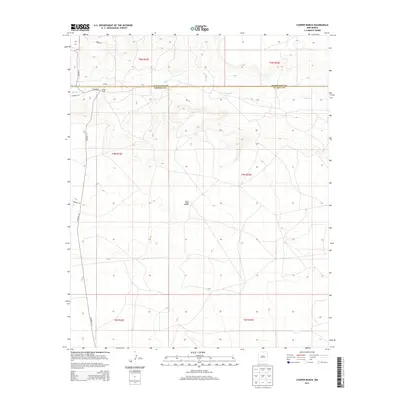 2013 Cooper Ranch2013 Print · USGSDe Baca and Guadalupe counties meet in this ranching landscape during the early twenty-first century. Genealogists and land historians can trace the remote Cooper Ranch and find isolated landmarks like the Upper Wagon Windmill along Salado Cr.
 - 2013 Map of Sumner Dam, 2013 Print
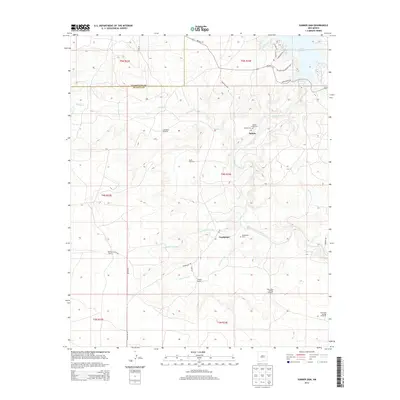 2013 Sumner Dam2013 Print · USGSDe Baca and Guadalupe counties meet in this ranching landscape during the early 2010s, where the Pecos River flows below Lake Sumner. Family historians can trace local burial sites like Salado Cem or locate isolated landmarks such as Koontz Ranch and the Jose-Marie Windmill.
 - 2013 Map of Colorado Canyon, 2013 Print
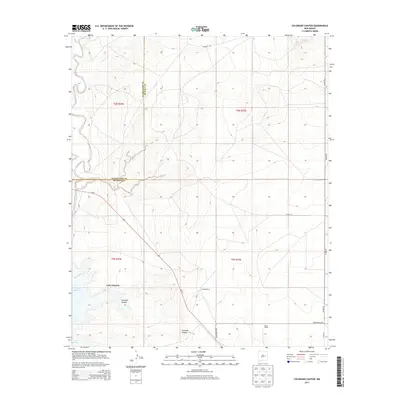 2013 Colorado Canyon2013 Print · USGSDe Baca and Guadalupe counties in the early twenty-first century reveal a landscape of working cattle ranches and the waters of Lake Sumner. Researchers can trace the layout of the McRee Ranch and Head Ranch alongside the deep cuts of Colorado Canyon.
 - 2013 Map of Gibbons Ranch, 2013 Print
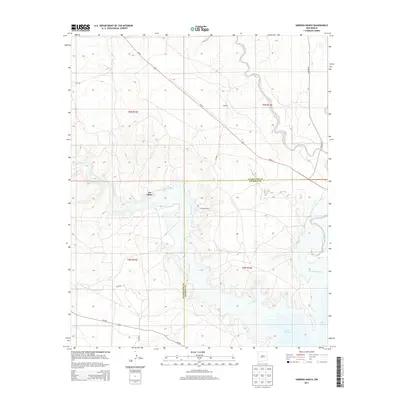 2013 Gibbons Ranch2013 Print · USGSThe Pecos River valley at the Guadalupe and De Baca county line reflects the ranching and water management traditions of eastern New Mexico. Genealogists and historians can trace local landmarks like Los Ojitos, Gibbons Ranch, and the northern waters of Lake Sumner.
 - 2013 Map of Windmill Draw, 2013 Print
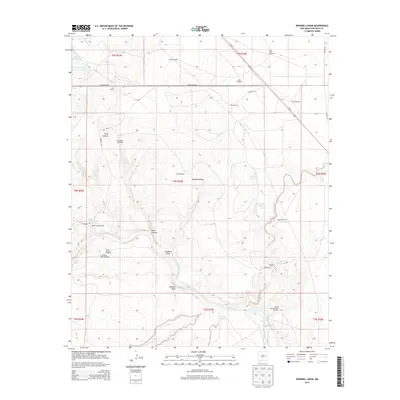 2013 Windmill Draw2013 Print · USGSDe Baca County ranching lands and the Pecos River valley are captured here in the early twenty-first century. Genealogists and researchers can trace local family holdings at York Ranch and Brassell Ranch or locate watering points like the Old Water Hole.
 - 2017 Map of Cooper Ranch, 2017 Print
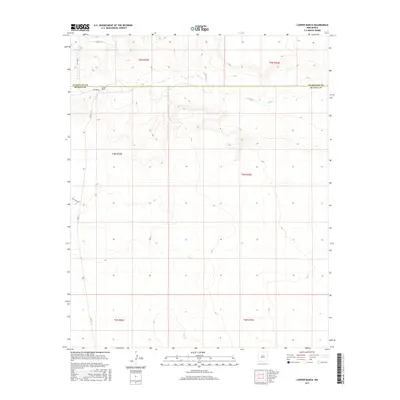 2017 Cooper Ranch2017 Print · USGSDe Baca and Guadalupe counties meet at a remote high-plains ranching outpost in the years before the recent decade. Genealogists and local historians can trace the rural road network connecting Cooper Ranch and the seasonal waters of Salado Cr.
 - 2017 Map of Windmill Draw, 2017 Print
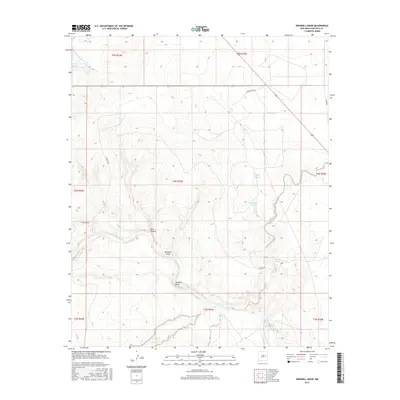 2017 Windmill Draw2017 Print · USGSDe Baca County's high desert landscape comes into focus in this late 2010s survey of the Pecos River valley. Researchers can trace the essential water network of the region, from the shores of Lake Sumner to remote landmarks like Carretas Springs and Windmill Draw.
 - 2017 Map of Gibbons Ranch, 2017 Print
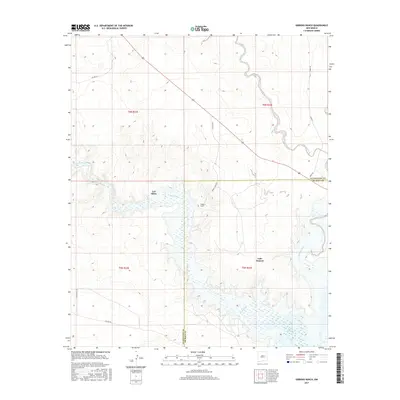 2017 Gibbons Ranch2017 Print · USGSGuadalupe and De Baca counties appear in the late 2010s at the northern end of a major reservoir. You can trace ranching landmarks and riparian features like Los Ojitos, Gibbons Ranch, and the confluence of the Pecos River and Alamogordo Creek.
 - 2017 Map of Colorado Canyon, 2017 Print
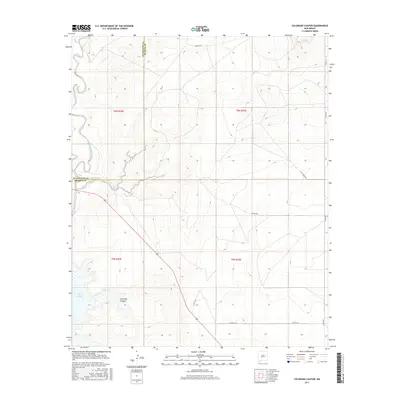 2017 Colorado Canyon2017 Print · USGSDe Baca and Guadalupe counties meet at the Pecos River's edge in this 2017 survey of eastern New Mexico. Trace the rugged transition into Colorado Canyon and locate the backwaters of Lake Sumner reached by Ranger Rd and Roping Rd.
 - 2017 Map of Sumner Dam, 2017 Print
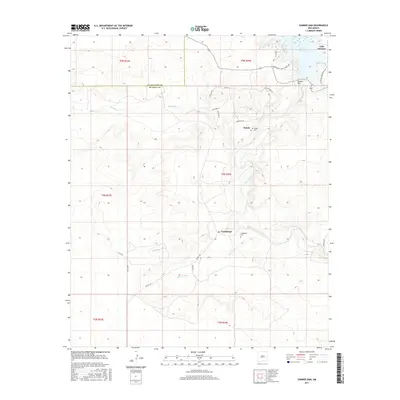 2017 Sumner Dam2017 Print · USGSDe Baca and Guadalupe Counties are captured here in the mid-2010s, centered on the waters of Lake Sumner and the southern flow of the Pecos River. Genealogists and local historians can locate early burial sites at Salado Cem and Guadalupe Cem, or trace rural tracts along Old Cabin Pl.
 - 2020 Map of Windmill Draw, 2020 Print
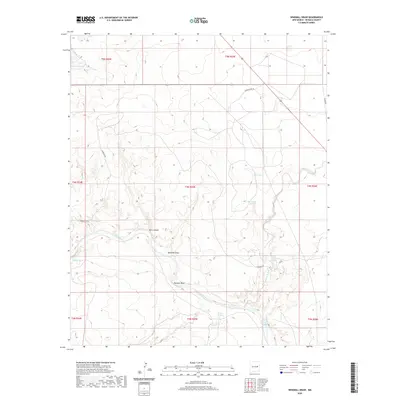 2020 Windmill Draw2020 Print · USGSThe Pecos River valley in De Baca County is captured here in its modern rural character. Researchers can trace the essential water sources that sustained ranching, from James Spring and Carretas Springs to the prominent Pacheco Bluff.
 - 2020 Map of Colorado Canyon, 2020 Print
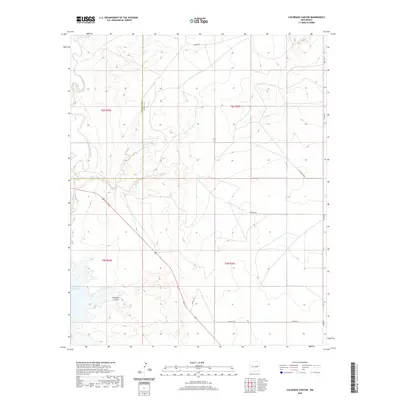 2020 Colorado Canyon2020 Print · USGSDe Baca and Guadalupe counties meet at this high desert canyon just before the turn of the decade. Genealogists and landowners can trace ranching access via Ranger Rd and Alamo Rd, alongside the waters of Lake Sumner and Colorado Canyon.
Showing maps 1-25 of 33
Top cities near Lake Sumner
Top neighborhoods of Lake Sumner
Frequently asked questions
- What are the different types of historical maps available for Lake Sumner?
- What is the oldest map of Lake Sumner?
- Where can I purchase historical maps of Lake Sumner for my home or office?
- Where can I download high-res historical maps of Lake Sumner?
- Are there historical topographic maps available for Lake Sumner?
- Is there historical aerial imagery available for Lake Sumner?
- Where are historical maps of Lake Sumner sourced from?