Old Maps of Farmington, New Mexico for Metal Detecting
Plan your next treasure hunt with 45 historic maps of Farmington. Find old homesites, ghost towns, trails, and gathering spots that may be lost to time — perfect for identifying promising metal detecting locations.
- Locate forgotten sites: Uncover places like long-lost settlements, abandoned rail lines, or gathering spots.
- Plan better hunts: Use map overlays combined with LiDAR or satellite views to narrow in on historically rich areas.
- Made for detectorists: Thousands of hobbyists use these maps to discover relics, coins, and hidden history.
Use these historic maps to boost your research and find new opportunities beneath the surface of Farmington.
Farmington, NM maps
(45)- 1889 Map of Chaco
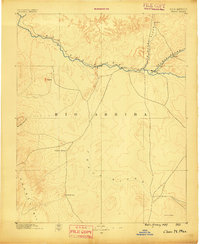 1889 Chaco1889 Print · USGSNorthwestern New Mexico appears here in the late nineteenth century as a frontier of emerging river settlements and high-desert springs. Researchers can trace early footprints at Farmington and Aztec, or locate watering points like Sheep Spring and Seven Lakes.
 - 1892 Map of Chaco
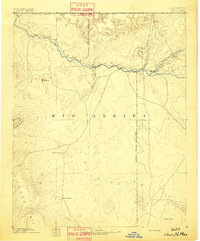 1892 Chaco1892 Print · USGSNorthwestern New Mexico in the late nineteenth century reveals the early river-side foundations of the Four Corners region. Genealogists and historians can trace the development of Farmington, Aztec, and Jewett along the San Juan River and the high desert outpost of Seven Lakes.5 unique versions available
 - 1927 Map of Sulphur Spring
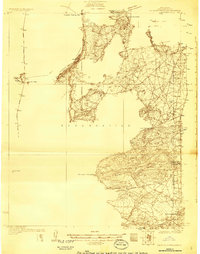 1927 Sulphur Spring1927 Print · USGSSan Juan County was a region of remote outposts and river crossings during the late 1920s. Researchers can trace the early desert road network including the Shiprock Gallup Highway and locate historic hubs like Wheeler Trading Post and Bisti Trading Post.
 - 1928 Map of Kirtland, 1955 Print
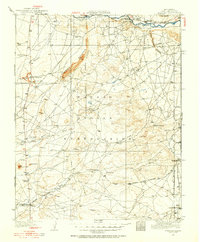 1928 Kirtland1955 Print · USGSSan Juan County at the close of the 1920s shows a landscape of riverfront farming and remote desert commerce. Genealogists and historians can trace the network of isolated hubs like Wheeler Trading Post, Nava PO, and the early workings of a Coal Mine.
 - 1932 Map of Kirtland
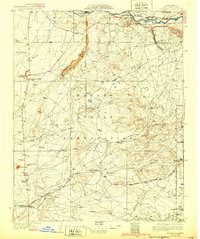 1932 Kirtland1932 Print · USGSThe Navajo Nation's high desert landscape and the San Juan River valley are documented here in the early thirties. Genealogists and historians can trace essential early hubs like the Wheeler Trading Post, the Oil Pumping Sta near Barber Peak, and the community at Fruitland.
 - 1954 Map of Shiprock
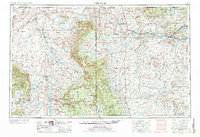 1954 Shiprock1954 Print · USGSThe Four Corners region in the mid-fifties reveals a vast landscape of tribal lands and desert landmarks. Researchers can trace the mid-century footprints of the Navajo Indian Reservation, identifying remote Trading Posts, the early growth of Farmington, and the iconic spire of Ship Rock.5 unique versions available
 - 1958 Map of Shiprock
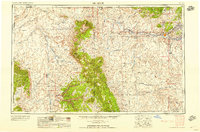 1958 Shiprock1958 Print · USGSThe Four Corners region in the mid-fifties shows a vast network of remote outposts and river settlements. You can locate numerous historic sites like the Emmanuel Mission and several commercial hubs such as Burnham Trading Post and Bisti Trading Post.
 - 1959 Map of Shiprock
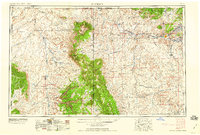 1959 Shiprock1959 Print · USGSThe Four Corners region comes alive in the mid-fifties, showing the high desert outposts and river-valley towns of the Navajo Nation and San Juan County. Genealogists and researchers can locate remote landmarks like the Burnham Trading Post, Two Grey Hills, and the early Helium Plant.
 - 1963 Map of Farmington North, 1965 Print
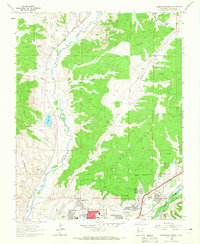 1963 Farmington North1965 Print · USGSFarmington's northern expansion during the early sixties shows the city pushing toward the mesas as the local energy economy took shape. Genealogists and local historians can trace school sites like Ladera del Norte Sch and the Denver and Rio Grande Western rail corridor.2 unique versions available
 - 1963 Map of Flora Vista, 1965 Print
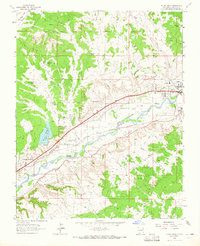 1963 Flora Vista1965 Print · USGSSan Juan County saw significant growth in the early sixties as the Animas River valley balanced agriculture and industry. Genealogists and historians can trace family locations near Flora Vista Cem, Elledge Mill, and the Aztec Ruins.4 unique versions available
 - 1963 Map of Youngs Lake, 1966 Print
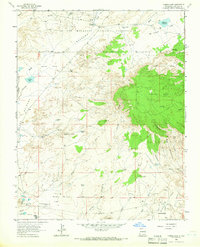 1963 Youngs Lake1966 Print · USGSThe high desert of San Juan County was an active energy frontier in the early 1960s, where industrial development met traditional reservation lands. Trace the footprint of the oil and gas industry at Flare Hill and the Refinery, or locate early recreation spots like Macu Racetrack.3 unique versions available
 - 1965 Map of Farmington South, 1969 Print
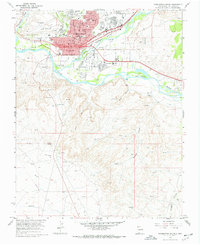 1965 Farmington South1969 Print · USGSMid-century Farmington is shown at a pivotal moment of growth along the Animas River and San Juan River in the 1960s. Researchers can locate local landmarks like Greenlawn Cem, the San Juan Mission, and the Denver and Rio Grande Western rail lines.3 unique versions available
 - 1965 Map of Horn Canyon, 1970 Print
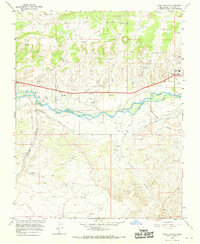 1965 Horn Canyon1970 Print · USGSBloomfield and the San Juan River valley are captured here in the mid-sixties during a period of expanding energy development and water management. Researchers can trace the growth of Desert Hills, locate the Riverside Ch, and find family landmarks like Gallegos Spring.2 unique versions available
 - 1966 Map of Kirtland, 1969 Print
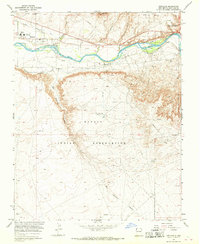 1966 Kirtland1969 Print · USGSSan Juan County comes into focus during the mid-sixties as irrigation and energy production transformed the river valley. Genealogists and historians can locate family landmarks like St Michael Ch, Central High Sch, and the Univ of New Mexico Experimental Farm.2 unique versions available
 - 1980 Map of Farmington, 1981 Print
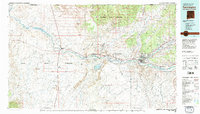 1980 Farmington1981 Print · USGSIn the San Juan Basin during the early 1980s, the energy economy was rapidly transforming the landscape around Farmington and Shiprock. Genealogists and historians can trace the growth of river towns like Kirtland or locate specific sites like the Navajo Mine and Aztec Ruins.2 unique versions available
 - 2010 Map of Farmington North, 2010 Print
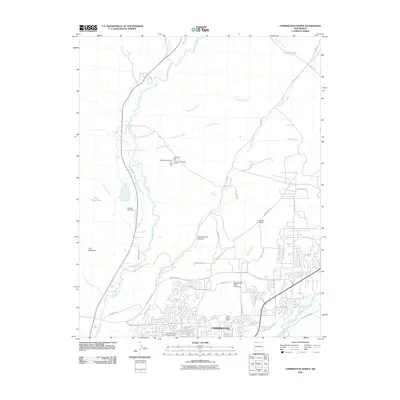 2010 Farmington North2010 Print · USGSFarmington was growing rapidly into the surrounding desert mesas at the start of the twenty-first century. Researchers can trace the water and mineral economy through features like Jackson Lake Dam, the Black Diamond Mine, and the Halford Independent Ditch.
 - 2010 Map of Youngs Lake, 2010 Print
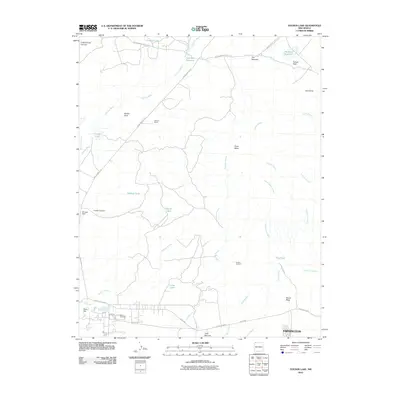 2010 Youngs Lake2010 Print · USGSNear the outskirts of Farmington during the early 2000s, this area shows a landscape of ranching and high-desert water management. Trace family-named landmarks and infrastructure such as Wallace Ranch, Macu Racetrack, and Fourmile Reservoir.
 - 2010 Map of Flora Vista, 2010 Print
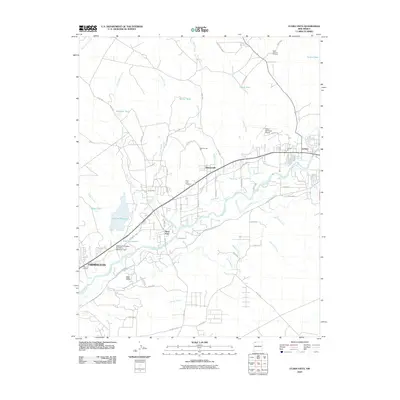 2010 Flora Vista2010 Print · USGSThe Animas River valley near the turn of the twenty-first century reveals a landscape shaped by water engineering and industry. Researchers can trace irrigation networks like the Elledge Mill Ditch or locate family sites at Flora Vista Cemetery and Memory Gardens.
 - 2010 Map of Horn Canyon, 2010 Print
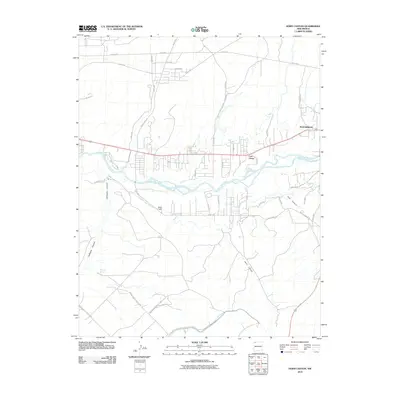 2010 Horn Canyon2010 Print · USGSSan Juan County at the start of the 21st century shows a landscape shaped by water and mesa-top development. Genealogists and local historians can trace the growth of Bloomfield and Lee Acres alongside irrigation landmarks like the Hammond Main Canal.
 - 2010 Map of Farmington South, 2010 Print
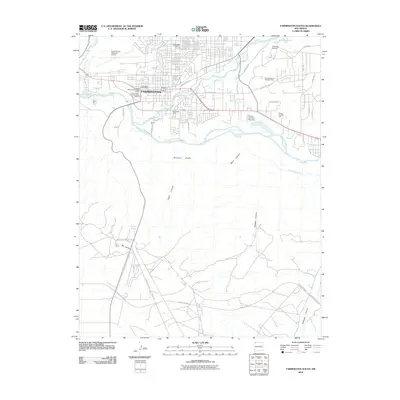 2010 Farmington South2010 Print · USGSFarmington and the high desert canyons of San Juan County are documented here as they appeared in 2010. Researchers can locate archaeological sites like the Gallegos Archeological District or trace local landmarks such as Shannon Bluffs and Greenlawn Cemetery.
 - 2010 Map of Kirtland, 2010 Print
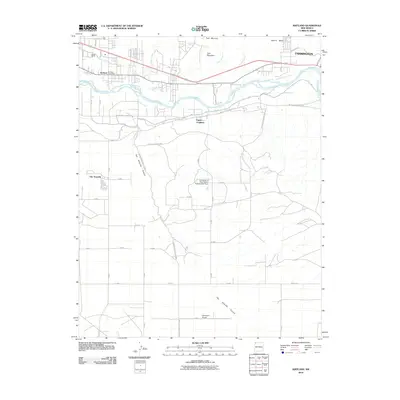 2010 Kirtland2010 Print · USGSThe San Juan River valley west of Farmington is shown here in the early 21st century, detailing a landscape of tribal lands and agricultural irrigation. Researchers can locate the University of New Mexico Experimental Farm, the Kirtland Post Office, and the rugged Ojo Amarillo Canyon.
 - 2013 Map of Kirtland, 2013 Print
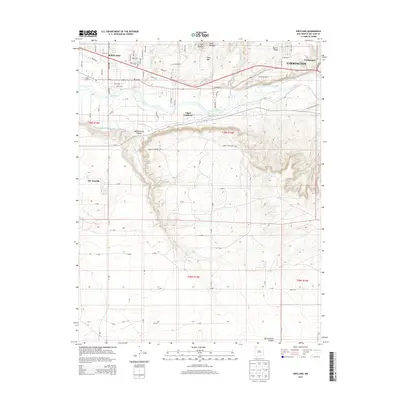 2013 Kirtland2013 Print · USGSThe San Juan River valley comes into sharp focus in the early 2010s, showing the settled corridor between Kirtland and Farmington. Researchers can trace irrigation networks like the Fruitland Irrigation Canal or locate landmarks such as Twin Mounds and Ojo Amarillo.
 - 2013 Map of Youngs Lake, 2013 Print
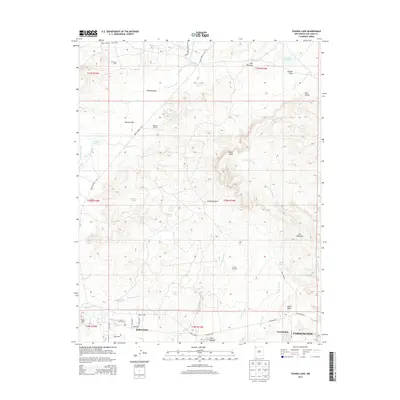 2013 Youngs Lake2013 Print · USGSThe high-desert terrain of San Juan County comes into focus in the early twenty-first century as Kirtland and Farmington expand along the river corridor. Trace the local geography of ranching and industry through Wallace Ranch, Ute Dome, and the Verde Oil Field.
 - 2013 Map of Horn Canyon, 2013 Print
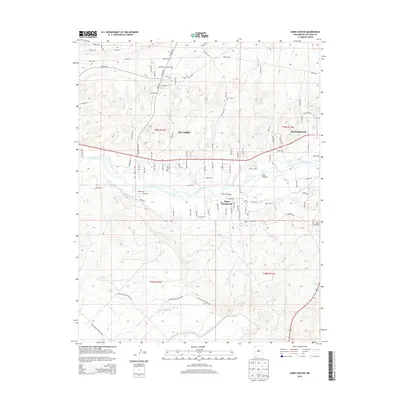 2013 Horn Canyon2013 Print · USGSThe San Juan River valley comes into sharp focus during the early twenty-first century, showing the growth of Bloomfield and Lee Acres. Researchers can trace the vital irrigation systems of the Hammond Main Canal and find secluded landmarks like Gallegos Spring.
 - 2013 Map of Flora Vista, 2013 Print
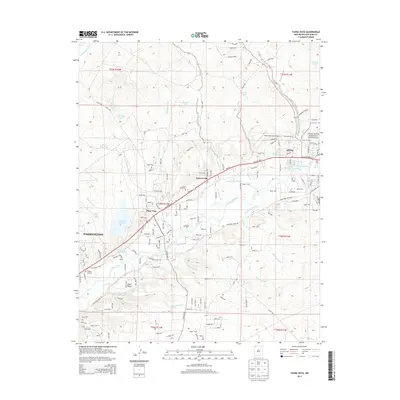 2013 Flora Vista2013 Print · USGSThe Animas River valley near Farmington and Aztec appears here in the early twenty-first century as a mix of ancient heritage and modern utility. Researchers can trace historic irrigation through Elledge Mill Ditch or locate Flora Vista Cem and the Aztec Ruins National Monument.
Showing maps 1-25 of 45
Top cities near Farmington
- Shiprock Agency historical maps
- Bloomfield historical maps
- Aztec historical maps
- Eastern Navajo Agency historical maps
- Flora Vista historical maps
Frequently asked questions
- What are the different types of historical maps available for Farmington?
- What is the oldest map of Farmington?
- Where can I purchase historical maps of Farmington for my home or office?
- Where can I download high-res historical maps of Farmington?
- Are there historical topographic maps available for Farmington?
- Is there historical aerial imagery available for Farmington?
- Where are historical maps of Farmington sourced from?