Old Maps of Guilderland, New York for Academic Research
Study the evolution of Guilderland with 65 high-resolution historic maps. Whether you're teaching, researching, or modeling changes in land use, these maps provide essential visual documentation of urban, environmental, and geographic change.
- Analyze long-term change: Track patterns in development, transportation, and natural features.
- Ideal for environmental or urban studies: Support academic projects with primary historical map data.
- Use in the classroom or lab: Educators and researchers rely on these maps to bring historical context to life.
These maps are a powerful tool for teaching, research, and visualizing how Guilderland has changed over the decades.
Guilderland, NY maps
(65)- 1893 Map of Schenectady
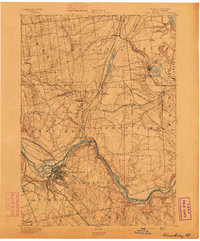 1893 Schenectady1893 Print · USGSSchenectady and its surrounding Saratoga County townships are captured here in the 1890s, a period when canal traffic and steam rail dominated the Mohawk Valley. Genealogists can trace family lines through villages like Niskayuna and Rexford Flats or locate historic crossings like Vischer Ferry.
 - 1893 Map of Albany
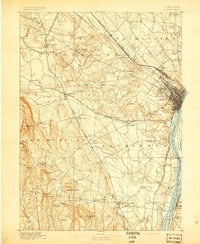 1893 Albany1893 Print · USGSThe Hudson River valley at the close of the nineteenth century reveals a complex landscape of island commerce and growing rail hubs. Genealogists and historians can trace defunct railroad stops and family-named hamlets like French Mills, Meadowdale, and The Abbey.2 unique versions available
 - 1895 Map of Albany
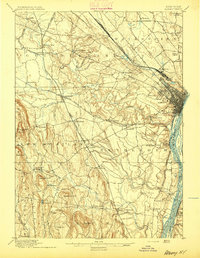 1895 Albany1895 Print · USGSThe Hudson River valley and the rising Helderberg escarpment are captured here in the 1890s, revealing a landscape defined by steam-era railroads and river islands. Genealogists can trace family homesteads near Shakers, Voorheesville, and the many hamlets of Bethlehem.
 - 1895 Map of Schenectady
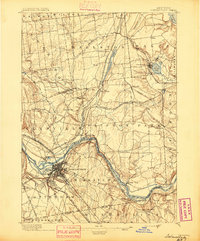 1895 Schenectady1895 Print · USGSSchenectady and its surrounding river towns thrive in the 1890s as the railroad and canal networks reach their peak. Genealogists and historians can trace old homesteads near Vischer Ferry, explore the rail lines of the Fitchburg Railroad, or locate early structures in Rexford Flats and Scotia.
 - 1895 Map of Amsterdam
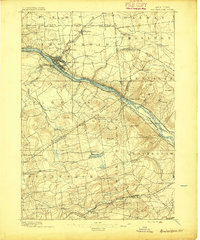 1895 Amsterdam1895 Print · USGSThe Mohawk River valley thrives in the late nineteenth century as a corridor of heavy rail and canal traffic. Trace the historic paths of the Erie Canal and West Shore R.R. past Amsterdam and the old Hoffman Ferry crossing.7 unique versions available
 - 1898 Map of Schenectady
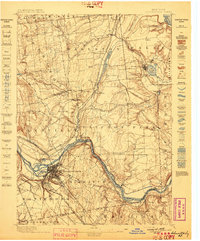 1898 Schenectady1898 Print · USGSSchenectady and the Mohawk Valley are shown in the 1890s, when the river and rail lines drove a booming industrial economy. Local historians can trace the original path of the Erie Canal and locate historic crossings like Vischer Ferry and Rexford Flats.8 unique versions available
 - 1898 Map of Albany
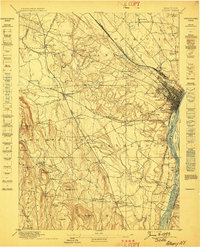 1898 Albany1898 Print · USGSThe capital region in the late nineteenth century is defined by its massive rail yards and the busy Hudson riverfront. Genealogists can trace family names at Town House Corner or locate vanished landmarks like The Abbey (Gleason) and the community at Shakers.8 unique versions available
 - 1900 Map of Berne, 1954 Print
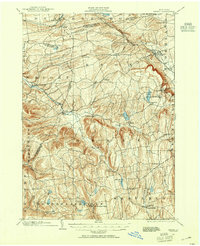 1900 Berne1954 Print · USGSAlbany County hill towns and the Helderberg Escarpment are captured here at the turn of the century as rural life centered on upland hamlets and rocky creek valleys. Researchers can trace old family sites and forgotten crossroads like Van Leuvans Corners, Chesterville, and Quaker Street.2 unique versions available
 - 1903 Map of Berne
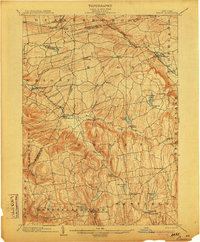 1903 Berne1903 Print · USGSThe Helderberg plateau in the early 1900s reveals a network of isolated hill towns and winding creek valleys. Genealogists can trace family footprints in Rensselaerville, Quaker Street, and the lakeside settlements of Thompsons Lake and Warner Lake.8 unique versions available
 - 1927 Map of Albany
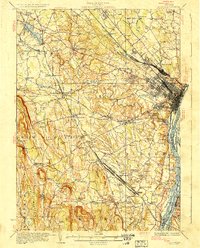 1927 Albany1927 Print · USGSThe Albany riverfront and the Helderberg escarpment define this mid-1920s portrait of New York's capital region. Genealogists can trace a dense network of country schoolhouses and old settlements like Feura Bush, Loudonville, and the Bethlehem Church.5 unique versions available
 - 1930 Map of Schenectady
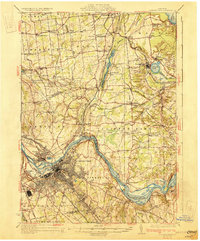 1930 Schenectady1930 Print · USGSThe Mohawk Valley and southern Saratoga County are caught in a moment of transition in the late twenties, balancing industrial river life with rural farmsteads. Genealogists and historians can trace the Erie Canal (Abandoned) path and locate old family landmarks like Harmony Corners or Vischer Ferry.5 unique versions available
 - 1931 Map of Amsterdam
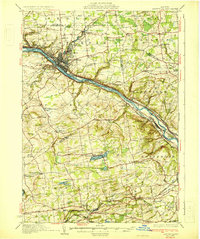 1931 Amsterdam1931 Print · USGSThe Mohawk Valley thrives at the height of its rail and canal era in the late twenties and early thirties. Genealogists can trace family names through dozens of rural schools and churches, from St Marys Ch to the quiet hamlets of Mariaville and Scotch Bush.3 unique versions available
 - 1944 Map of Altamont, 1959 Print
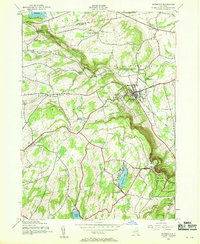 1944 Altamont1959 Print · USGSAlbany County's steep ridges and valley settlements are captured here during the mid-1940s. Trace old family plots at Severson Cem, visit the Lasalette Seminary, or explore the terrain around Indian Ladder.4 unique versions available
 - 1946 Map of Altamont
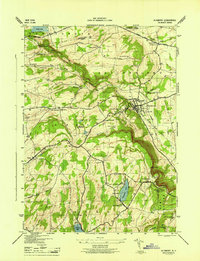 1946 Altamont1946 Print · USGSThe Helderberg Escarpment rises sharply over the village of Altamont in this mid-forties survey of Albany County. Family historians can trace rural roots at Ostrander Cem or locate early landmarks like Indian Ladder and the Lasalette Seminary.
 - 1947 Map of Schenectady, 1954 Print
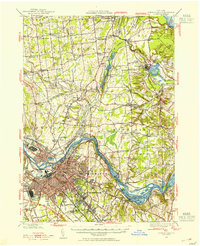 1947 Schenectady1954 Print · USGSThe Schenectady region in the late 1940s reveals a powerful industrial hub at the intersection of rail, river, and canal. Researchers can trace the legacy of the Erie Canal, find rural district schools, and locate old family crossroads like Groom Corners and Vischer Ferry.2 unique versions available
 - 1947 Map of Amsterdam, 1963 Print
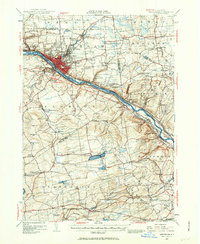 1947 Amsterdam1963 Print · USGSThe Mohawk Valley and its surrounding uplands are captured here in the late 1940s, highlighting the heavy industrial and transit hubs of the day. Researchers can trace the legacy of the Erie Canal, find numerous rural schoolhouses like Log City Sch, and locate the Duanesburg Churches.3 unique versions available
 - 1947 Map of Albany, 1965 Print
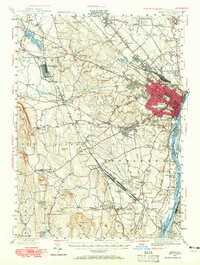 1947 Albany1965 Print · USGSThe Albany capital region is captured here shortly after the war, showing the city's transition into suburban Delmar and Loudonville. Researchers can trace the massive Voorheesville Army Sub Depot, the Albany Airport, and old landmarks like Graceland Cemetery.
 - 1948 Map of Schenectady
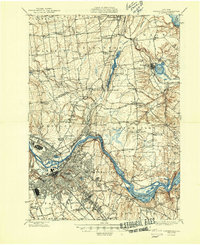 1948 Schenectady1948 Print · USGSSchenectady and its surrounding Saratoga County townships are captured here in the late 1940s as industrial rail hubs and rural hamlets met. Genealogists and local historians can trace family-named sites like Groom Corners, the Erie Canal (Abandoned), and Vischer Ferry.
 - 1948 Map of Albany, 1951 Print
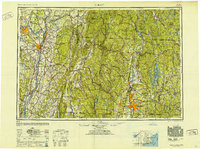 1948 Albany1951 Print · USGSThe Hudson and Connecticut River valleys are captured here in the late 1940s, showing the vital rail and water corridors of the Northeast. You can trace the Boston and Maine tracks past Mt Greylock or locate early settlements like Great Barrington and Bennington.
 - 1948 Map of Binghamton, 1980 Print
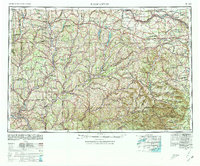 1948 Binghamton1980 Print · USGSCentral New York and the Southern Tier thrive in the late 1940s as a hub of rail traffic and mountain industry. Researchers can trace historic transit lines like the Erie Railroad through Binghamton or find old valley settlements near Oneonta and Delhi.
 - 1949 Map of Amsterdam
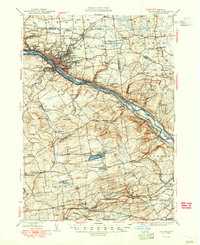 1949 Amsterdam1949 Print · USGSThe Mohawk Valley corridor thrives in the late 1940s as a vital artery for rail, canal, and industry. Researchers can trace the legacy of local education and faith at Duanesburg Churches, School No 7, and the Montgomery County Sanatorium.2 unique versions available
 - 1949 Map of Schenectady
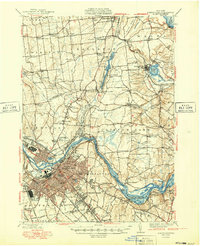 1949 Schenectady1949 Print · USGSSchenectady and its surrounding Saratoga County townships are captured here in the late 1940s as the riverfront industry and rail networks remained in full swing. Genealogists can locate family landmarks in old hamlets like Maltaville and Groom Corners or trace the historic Erie Canal (Abandoned).
 - 1950 Map of Binghamton
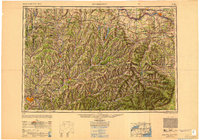 1950 Binghamton1950 Print · USGSBinghamton and the surrounding Southern Tier are shown in the mid-century era, highlighting the intricate rail and river networks that drove local industry. Researchers can trace the path of the Erie Railroad and locate landmarks from Otsego Lake to Sidney Mountain.2 unique versions available
 - 1950 Map of Albany
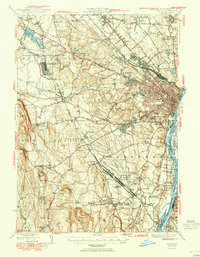 1950 Albany1950 Print · USGSMid-century Albany and its burgeoning suburbs are captured here at a peak of rail and river commerce. Genealogy and local history researchers can trace the New York Central lines to the Selkirk Yards or find family landmarks like Keefers Corners and Bethlehem Church.
 - 1953 Map of Albany, 1956 Print
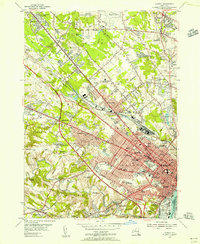 1953 Albany1956 Print · USGSMid-century Albany and its northern suburbs are shown here just as the highway network began to reshape the capital region. Genealogists can trace family names and institutions across Graceland Cemetery, the Ann Lee Home Cem, and numerous historic campuses like the Mater Christi Seminary.3 unique versions available
Showing maps 1-25 of 65
Top cities near Guilderland
- Albany historical maps
- Colonie historical maps
- Schenectady historical maps
- Clifton Park historical maps
- Bethlehem historical maps
- Rotterdam historical maps
See more
Top neighborhoods of Guilderland
- Meadowdale historical maps
- Dunnsville historical maps
- McKownville historical maps
- Parkers Corners historical maps
- Guilderland Center historical maps
- North Bethlehem historical maps
See more
Frequently asked questions
- What are the different types of historical maps available for Guilderland?
- What is the oldest map of Guilderland?
- Where can I purchase historical maps of Guilderland for my home or office?
- Where can I download high-res historical maps of Guilderland?
- Are there historical topographic maps available for Guilderland?
- Is there historical aerial imagery available for Guilderland?
- Where are historical maps of Guilderland sourced from?