Old Maps of Beacon, New York for Genealogy
Trace your family roots with 35 historic maps of Beacon. These high-res maps reveal old neighborhoods, homesites, landmarks, and streets — helping you uncover where your ancestors lived and how the area evolved over time.
- Explore historic neighborhoods: Identify where your relatives may have lived in the 1800s or 1900s.
- Compare maps over time: Trace the changes in streets, buildings, and landmarks for multi-generational research.
- Perfect for genealogy & ancestry research: Used by family historians and researchers to map out lineage and migration.
These maps are an incredible resource for exploring your personal connection to Beacon's past.
Beacon, NY maps
(35)- 1892 Map of West Point
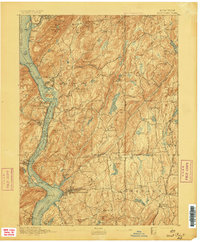 1892 West Point1892 Print · USGSThe Hudson Highlands and river valley are captured here in the early 1890s, when iron mining and river-side rail travel defined the region. Trace ancestral roots and old landmarks from the military grounds at West Point to the iron operations at Mahopac Mine and the rail hub at Peekskill.
 - 1893 Map of Poughkeepsie
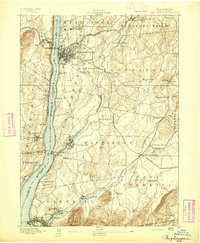 1893 Poughkeepsie1893 Print · USGSDutchess and Ulster counties thrive during the late Victorian era as a hub of river commerce, rail junctions, and major state institutions. Researchers can trace the 1890s footprints of Vassar College, the busy Hampton Ferry, and the rail lines meeting at Hopewell Junction.
 - 1894 Map of West Point
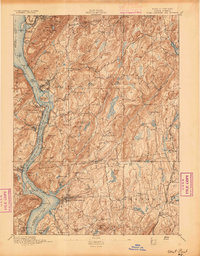 1894 West Point1894 Print · USGSThe Hudson Highlands in the late nineteenth century were a hub of river commerce and rail expansion. Genealogists and local historians can trace the footprint of the West Point military grounds, the industrial Mahopac Mines, and early settlements like Yorktown Heights.3 unique versions available
 - 1894 Map of Poughkeepsie
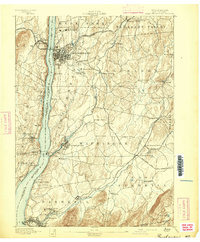 1894 Poughkeepsie1894 Print · USGSThe Hudson Valley in the early 1890s was a bustling corridor of rail and river commerce connecting POUGHKEEPSIE to the industrial south. Genealogists and historians can trace old homesteads near Vassar College, find early river landings like Carthage Landing, or locate the junction at Hopewell Junction.3 unique versions available
 - 1899 Map of West Point
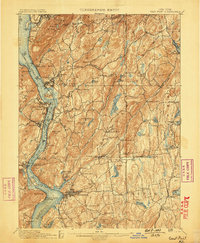 1899 West Point1899 Print · USGSThe Hudson Highlands and military grounds at West Point are detailed in this survey from the closing years of the nineteenth century. Genealogists can trace old family-named sites like Mc Keel Corners or Travis Corners, while historians can locate the Mahopac Mines and the Albany Post Road.
 - 1901 Map of West Point
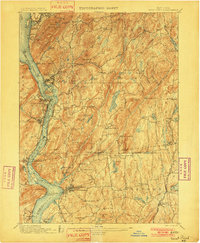 1901 West Point1901 Print · USGSThe Hudson Highlands and West Point are shown at the turn of the century, when river railroads and mountain mines defined the local economy. Genealogists can trace family landmarks and hamlets like Nelsonville, Mahopac Mines, and Yorktown Heights.12 unique versions available
 - 1903 Map of Poughkeepsie
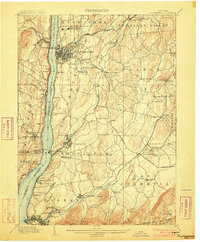 1903 Poughkeepsie1903 Print · USGSDutchess and Ulster Counties thrive at the turn of the century as a major corridor of river commerce and rail expansion. Genealogists and historians can trace institutional history at the Hudson River State Hospital or locate lost rail stops at Clove Branch Junction and Diddell.11 unique versions available
 - 1936 Map of West Point
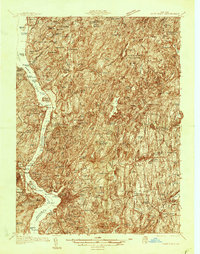 1936 West Point1936 Print · USGSThe Hudson Highlands in the mid-1930s reveal a landscape of strategic military grounds and evolving state parks. Genealogists and historians can trace old family burial grounds like Halstead Cem, the workings of the Mahopac Mines, and the early layout of West Point.2 unique versions available
 - 1936 Map of Poughkeepsie
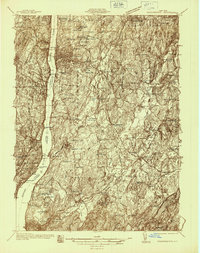 1936 Poughkeepsie1936 Print · USGSDutchess County in the mid-thirties reveals a landscape of massive riverside institutions and early aviation fields along the Hudson River. Local historians can trace family roots through numerous country schools like Fairview Sch or locate the old Poughkeepsie Landing (Air Field).
 - 1941 Map of West Point
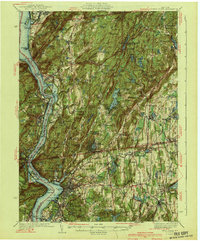 1941 West Point1941 Print · USGSThe Hudson Highlands were undergoing significant change in the years leading up to the war, blending heavy industry with expanding military installations. Genealogists can trace family lines through Continental Village, Hillside Cem, and the various schools like Manitou Sch.3 unique versions available
 - 1941 Map of West Point, 1951 Print
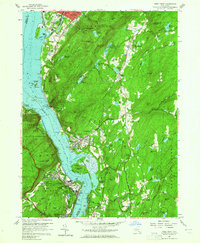 1941 West Point1951 Print · USGSThe Hudson Highlands are captured here in the mid-1950s as the river-and-rail economy defined life in Beacon and Cold Spring. Researchers can trace the grounds of the U S Military Academy West Point, locating the U S Silver Depository and Constitution Island.
 - 1943 Map of Poughkeepsie
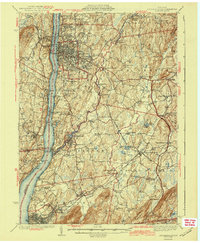 1943 Poughkeepsie1943 Print · USGSThe mid-Hudson valley is captured here in the years during the Second World War, showing the busy corridor between Poughkeepsie and Beacon. Researchers can trace old institutional lands like Vassar College or locate vanished rural schools such as Swede Sch and Devine Sch.3 unique versions available
 - 1947 Map of West Point
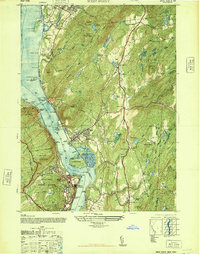 1947 West Point1947 Print · USGSPost-war Orange and Putnam Counties appear here during a period of steady highland growth along the river. Trace the old village footprints of Cold Spring and Garrison, or locate family landmarks like Mekeel Corners and St Marys Ch.
 - 1947 Map of West Point
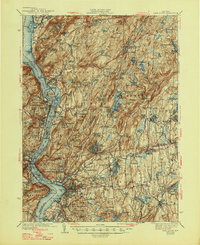 1947 West Point1947 Print · USGSThe Hudson Highlands and the Peekskill waterfront are captured just before the post-war boom, showing the critical junction of river, rail, and early parkways. Genealogists can trace family landmarks and burial sites like Cold Spring Cem, Amawalk Cem, and the historic Mahopac Mines.
 - 1947 Map of Wappinger Falls
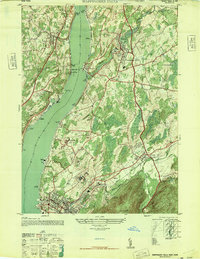 1947 Wappinger Falls1947 Print · USGSThe Hudson River corridor in the late 1940s is shown here at its post-war industrial height, from the busy streets of Beacon to the mills of Wappingers Falls. Researchers can trace the legacy of major institutions like Matteawan State Hospital or locate local landmarks such as Danskammer Light and Cedar Cliff School.2 unique versions available
 - 1947 Map of Hartford, 1955 Print
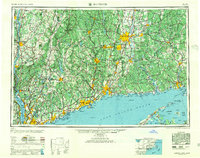 1947 Hartford1955 Print · USGSSouthern New England and the Hudson Valley are shown in detail during the post-war expansion era. Genealogists and researchers can trace local landmarks from the State Capitol and Yale University to the Stratford Lighthouse and Woodlawn Cem.2 unique versions available
 - 1948 Map of Hartford
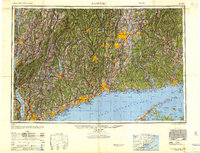 1948 Hartford1948 Print · USGSSouthern New England is captured here in the late 1940s, showcasing a landscape of thriving industrial cities and developing parkways. Genealogists and historians can trace the rail networks of the New York New Haven and Hartford RR or locate coastal defense sites like Fort Terry and Camp Shanks.2 unique versions available
 - 1956 Map of Wappingers Falls, 1965 Print
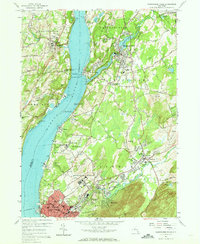 1956 Wappingers Falls1965 Print · USGSThe mid-Hudson Valley is captured here in the mid-fifties, showing the industrial riverfront and established villages before suburban expansion. Genealogists can trace family names at St Joachims Cem, locate the Red Sch, or study institutional grounds like Matteawan State Hospital.3 unique versions available
 - 1957 Map of West Point, 1965 Print
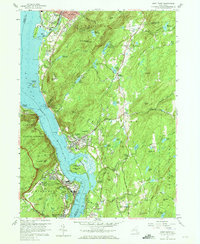 1957 West Point1965 Print · USGSThe Hudson Highlands were a hub of military education and river-bound industry during the late fifties. You can trace the detailed campus of the U S Military Academy at West Point, explore the streets of Cold Spring, and locate the U S Silver Depository.4 unique versions available
 - 1961 Map of Hartford
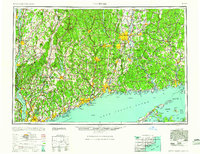 1961 Hartford1961 Print · USGSSouthern New England and the Hudson Valley are shown here in the mid-fifties, capturing a landscape of booming coastal cities and interior hill towns. Researchers can trace the legacy of the New York New Haven and Hartford rail corridor and find strategic sites like Camp Shanks and Fort Michie.
 - 1962 Map of Hartford, 1971 Print
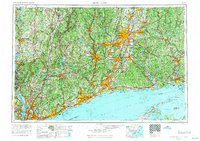 1962 Hartford1971 Print · USGSSouthern New England and the Hudson Valley are shown in the early sixties, as suburban growth reached into the foothills. Trace the path of the New York New Haven & Hartford RR and find landmarks like Camp Nathan Hale and Gillette Castle State Park.3 unique versions available
 - 1965 Map of Hartford
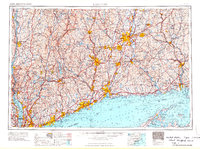 1965 Hartford1965 Print · USGSSouthern New England and the Hudson Valley are shown here during the mid-sixties expansion of the Interstate era. Trace the path of the New York New Haven & Hartford RR or locate historic landmarks like West Point Military Reservation and the Merritt Parkway.2 unique versions available
 - 1985 Map of Waterbury, 1986 Print
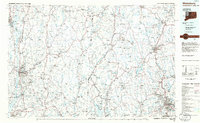 1985 Waterbury1986 Print · USGSThe Western Connecticut highlands and the Hudson Valley are captured in the mid-1980s, showing a landscape of deep forests and industrial river towns. Genealogists can trace family connections from Waterbury up through Litchfield and Torrington, while exploring the vast Barkhamsted Reservoir and Candlewood Lake basins.
 - 1986 Map of Bridgeport
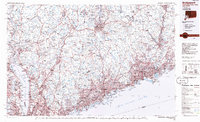 1986 Bridgeport1986 Print · USGSSpanning the New York and Connecticut border in the mid-eighties, this survey shows the dense rail and parkway network connecting the Hudson to the Sound. Researchers can trace the massive New Croton Reservoir system or locate landmarks like the West Point U.S. Military Academy.3 unique versions available
 - 1993 Map of Waterbury
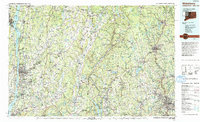 1993 Waterbury1993 Print · USGSWestern Connecticut and the Hudson Valley appear in the early nineties as a landscape of established industrial cities and deep forest preserves. Researchers can trace the rail corridors of the Metro-North Railroad or locate family sites near the Taft School and Riverside Cemetery.
Showing maps 1-25 of 35
Top cities near Beacon
- Poughkeepsie historical maps
- Cortlandt historical maps
- Yorktown historical maps
- Carmel historical maps
- Kiryas Joel historical maps
- Palm Tree historical maps
See more
Frequently asked questions
- What are the different types of historical maps available for Beacon?
- What is the oldest map of Beacon?
- Where can I purchase historical maps of Beacon for my home or office?
- Where can I download high-res historical maps of Beacon?
- Are there historical topographic maps available for Beacon?
- Is there historical aerial imagery available for Beacon?
- Where are historical maps of Beacon sourced from?