Old Maps of Bertie County, North Carolina for Academic Research
Study the evolution of Bertie County with 159 high-resolution historic maps. Whether you're teaching, researching, or modeling changes in land use, these maps provide essential visual documentation of urban, environmental, and geographic change.
- Analyze long-term change: Track patterns in development, transportation, and natural features.
- Ideal for environmental or urban studies: Support academic projects with primary historical map data.
- Use in the classroom or lab: Educators and researchers rely on these maps to bring historical context to life.
These maps are a powerful tool for teaching, research, and visualizing how Bertie County has changed over the decades.
Bertie County, NC maps
(159)- 1901 Map of Williamston, 1972 Print
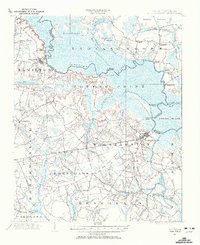 1901 Williamston1972 Print · USGSThe Roanoke River basin at the turn of the century shows a thriving network of steamboat landings and new rail lines. Genealogists and researchers can trace the river economy through Spellers Ferry Landing, Grabtown, and the Atlantic Coast Line R. R.
 - 1902 Map of Williamston, 1944 Print
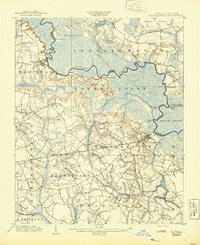 1902 Williamston1944 Print · USGSMartin County’s riverfront and rail corridors are frozen in time here at the dawn of the twentieth century. Genealogists and local historians can trace family roots through landings like Spellers Ferry Landing or settlements at Everetts and Goldpoint.
 - 1904 Map of Edenton
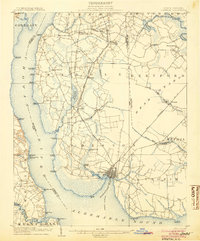 1904 Edenton1904 Print · USGSThe Chowan River and Albemarle Sound waterfronts are documented here at the turn of the century. Genealogists and historians can trace defunct river landings like Jernigens Wharf and old postal hubs such as Mege P.O. and Tynes P.O. Center Hill.2 unique versions available
 - 1942 Map of Edenton
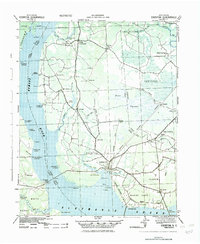 1942 Edenton1942 Print · USGSThe Albemarle Sound and Chowan River shoreline appear here during the Second World War as both a military hub and a quiet riverfront. Researchers can trace historic river landings like Mt Gould Landing alongside the sprawling U S Marine Corps Air Station and the Norfolk Southern RR.
 - 1943 Map of Plymouth
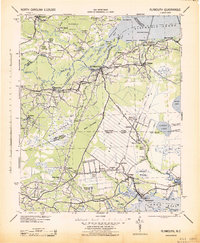 1943 Plymouth1943 Print · USGSThe coastal plains and swamps of eastern North Carolina are captured here during the wartime era, showing a landscape defined by river navigation and drainage canals. Genealogists can trace family roots through rural landmarks like Ellis Store, St Lukes Ch, and small rail stops such as Acre Sta.
 - 1943 Map of Edenton
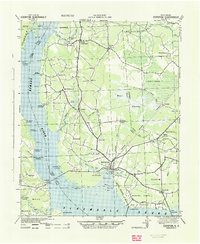 1943 Edenton1943 Print · USGSCoastal North Carolina during the early years of the war shows a landscape of strategic military sites and traditional river landings. Genealogists can trace family roots through St. Johns church or explore the rail-and-water economy at Edenton and Hermitage Wharf.
 - 1953 Map of Norfolk, 1954 Print
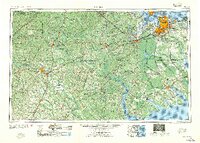 1953 Norfolk1954 Print · USGSCoastal Virginia and northeastern North Carolina appear here during the post-war industrial boom, showing the critical rail-and-sea connections of Hampton Roads. Genealogists can trace family roots through rural landmarks like Gethsemane Ch, the Caledonia State Prison Farm, and the vast interior of the Dismal Swamp.4 unique versions available
 - 1953 Map of Rocky Mount, 1964 Print
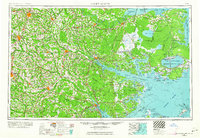 1953 Rocky Mount1964 Print · USGSEastern North Carolina in the mid-fifties is defined by its deep river basins and the vast wetlands of the Tidewater. Genealogists can trace family roots through hubs like Kinston and New Bern or explore the wilderness of Pettigrew State Park and Lake Mattamuskeet.4 unique versions available
 - 1954 Map of Rocky Mount
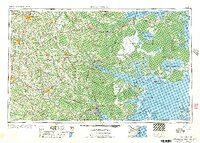 1954 Rocky Mount1954 Print · USGSEastern North Carolina is mapped in the mid-fifties, showing a landscape of sounds, swamps, and steam-era rail lines. Genealogists can trace the rural road networks and rail spurs connecting towns like Tarboro, Greenville, and the remote Columbia.
 - 1954 Map of Plymouth East, 1957 Print
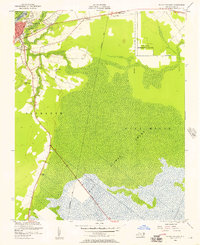 1954 Plymouth East1957 Print · USGSCoastal plain life in the mid-fifties centered on the rail hub of Plymouth and the surrounding marshlands. Genealogists can locate family landmarks like Lily Valley Ch or trace the historic path of the Old Turnpike through the Dismal Swamp.3 unique versions available
 - 1954 Map of Roper North, 1957 Print
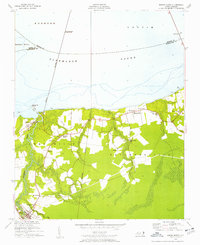 1954 Roper North1957 Print · USGSThe southern shores of Albemarle Sound are captured here during the mid-fifties, showing the intersection of maritime and rail commerce. Genealogists and local historians can trace the foundations of Skinnersville, find old meeting houses like Shiloh Wonder Ch, and locate the Norfolk Southern crossing near Mackeys.3 unique versions available
 - 1954 Map of Westover, 1957 Print
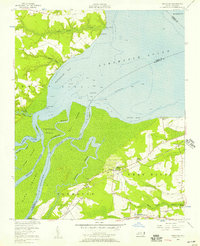 1954 Westover1957 Print · USGSThe Roanoke River delta meets the Albemarle Sound in the mid-1950s, showing a landscape defined by tidewater agriculture and rail transport. Genealogists can locate family landmarks such as Saints Delight Ch, Zion Chapel, and the community of Westover.2 unique versions available
 - 1962 Map of Palmyra, 1964 Print
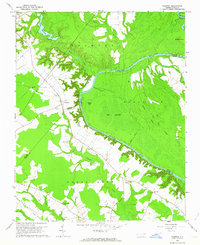 1962 Palmyra1964 Print · USGSCoastal plain farming and river bottomlands meet along the Roanoke River in the early sixties. Genealogists can locate family-named sites like Stephenson Cem and Mizell Cem or trace the rural route of the Atlantic Coast Line.
 - 1962 Map of Norfleet, 1964 Print
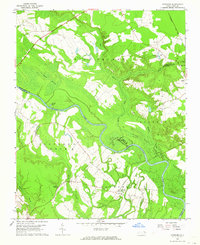 1962 Norfleet1964 Print · USGSCoastal North Carolina at the start of the sixties reveals a landscape shaped by its riverbanks and rail lines. Genealogists can trace family roots through numerous sites like William Chapel, Rea Cems, and the riverside community of Norfleet.
 - 1972 Map of Republican, 1976 Print
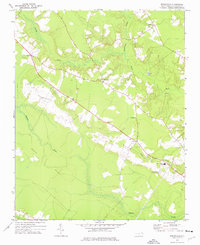 1972 Republican1976 Print · USGSBertie County in the early seventies shows a landscape defined by the winding Cashie River and traditional rural settlements. Genealogists can trace family roots through numerous country landmarks like Mt Herman Ch and the historic Hope Mansion.
 - 1972 Map of Woodville, 1976 Print
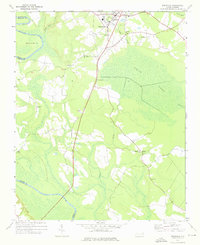 1972 Woodville1976 Print · USGSBertie County in the early 1970s is a landscape of expansive wetlands and small railroad towns. Genealogists and historians can trace the footprint of rural communities through sites like Bond Sch, Spring Hill Ch, and the SCL RR rail line.
 - 1972 Map of Aulander, 1977 Print
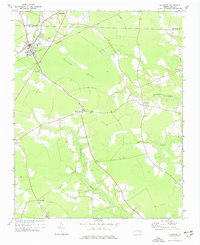 1972 Aulander1977 Print · USGSNortheastern North Carolina farming communities and swamp landscapes are captured here in the early 1970s. Genealogists can locate family-named landmarks and centers of local life like South Aulander Sch, Francis Mill, and Connáritsa Ch.
 - 1973 Map of Kelford, 1977 Print
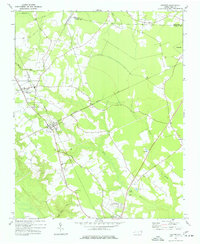 1973 Kelford1977 Print · USGSBertie County in the early 1970s is a landscape of established rail towns and productive peanut farms. Genealogists can trace family names through numerous rural cemeteries and local landmarks like Beautiful Zion Ch, West Bertie Sch, and the Peanut Belt Research Station.
 - 1978 Map of Jamesville, 1979 Print
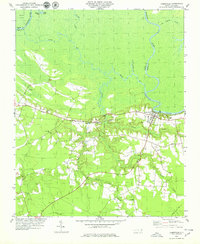 1978 Jamesville1979 Print · USGSJamesville and the banks of the Roanoke River are captured here in the late seventies as the region maintained its traditional riverfront and rail character. Genealogists and local historians can trace family locations and rural congregations like St James Ch and Siloam Ch near the Seaboard Coast Line.
 - 1978 Map of Windsor South, 1979 Print
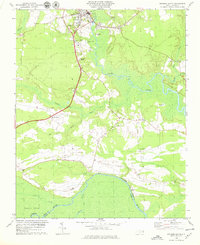 1978 Windsor South1979 Print · USGSCoastal North Carolina's riverine landscape is captured here in the late seventies, centered on the historic crossroads of Bertie County. Researchers can trace rural life through landmarks like Millers Store, Hillcrest Cem, and Cedar Landing along the riverbanks.
 - 1979 Map of Plymouth West
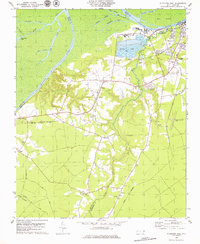 1979 Plymouth West1979 Print · USGSThe Roanoke River lowlands and the industrial outskirts of Plymouth come into focus during the mid-1970s. Trace local history through the many rural churches and rail lines like Union Town Ch, Wares Chapel, and the Seaboard Coast Line.2 unique versions available
 - 1979 Map of Woodard
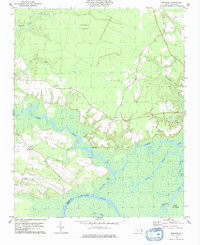 1979 Woodard1979 Print · USGSThe Bertie County river country is captured here in the late seventies, showing a landscape defined by the Cashie River. Local historians can trace the Sans Souci Ferry and several rural congregations like Cashie Ch and St Pauls Ch.
 - 1981 Map of Quitsna
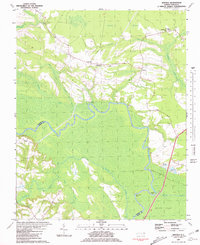 1981 Quitsna1981 Print · USGSThe Roanoke River floodplain in Bertie County is shown here in the early eighties, characterized by its winding oxbows and deep swamp forests. Local historians can trace riverside landings like Coniott Landing and quiet crossroads churches such as Siloam Ch and Indian Woods Ch.
 - 1981 Map of Windsor North
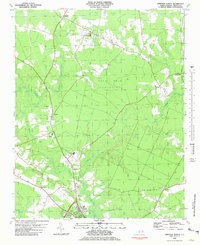 1981 Windsor North1981 Print · USGSBertie County in the early eighties is a landscape of river-fed wetlands and quiet rural crossroads. Genealogists and historians can trace the foundations of the community through several country churches like Cedar Fork Ch and St Matthews Ch, or explore the remnant Old Railroad Grade north of Windsor.
 - 1981 Map of Hamilton
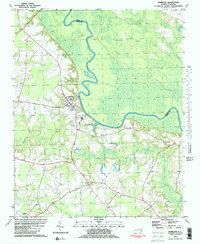 1981 Hamilton1981 Print · USGSThe Roanoke River basin in eastern North Carolina was home to tight-knit rural communities in the early 1980s. Genealogists and historians can locate numerous country landmarks like Spring Green Ch, the Edna Andrews Sch, and the small settlement of Huskanaw.2 unique versions available
Showing maps 1-25 of 159
Top cities of Bertie County
- Windsor historical maps
- Aulander historical maps
- Lewiston Woodville historical maps
- Roxobel historical maps
- Powellsville historical maps
- Askewville historical maps
See more
Frequently asked questions
- What are the different types of historical maps available for Bertie County?
- What is the oldest map of Bertie County?
- Where can I purchase historical maps of Bertie County for my home or office?
- Where can I download high-res historical maps of Bertie County?
- Are there historical topographic maps available for Bertie County?
- Is there historical aerial imagery available for Bertie County?
- Where are historical maps of Bertie County sourced from?